
, OH
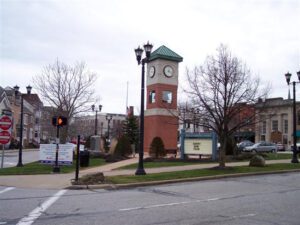
The Triangle, one of the most historic places in Berea, has been the center of the city’s civic life since the mid-19th century. Just beneath lie the solid layers of the famous Berea Sandstone that brought prosperity to Berea during its early years. Quarry owner and Berea Seminary founder John Baldwin obtained much of what is now Berea from Gideon Granger, Postmaster General under President Thomas Jefferson and original owner of Township 6, Range 14 (later Middleburg Township) of the Western Reserve. When the seminary trustees transferred the Triangle tract to the people of Berea in 1847, they designated it by deed as a public promenade. This farsighted stipulation preserved it from commercial development during the 20th century. (continued on other side)
, OH
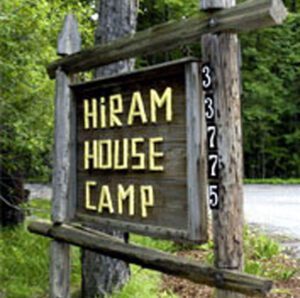
Hiram House was Ohio’s first settlement house and among the earliest in the nation, opening in October 1896 in Cleveland’s Whiskey Island neighborhood. Representing the ideals of a late-1800s urban progressive movement, settlement houses provided–through “service, not charity” –health, recreational, and self-development opportunities that were not widely available in this era. Founded by Hiram College divinity graduate George A. Bellamy (1872-1960), Hiram House administered a wide range of social services for people of different ethnic and economic backgrounds. Bellamy established the “Fresh Air Camp” circa 1900; Cleveland industrialist Samuel Mather donated this tract of land in 1903. In continuous operation since its founding, Hiram House has provided outdoor experiences and educational programs for thousands of Ohio children.
, OH
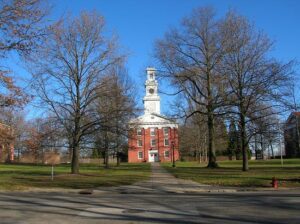
With the help of town founder, David Hudson, Western Reserve College and its Academy were founded in 1826. Often called “The Yale of the West,” the college saw success initially as all of its professors and college presidents were Yale College graduates. Nationally, Western Reserve College became involved with the Underground Railroad and anti-slavery movement 28 years before the Civil War began. Moreover, Western Reserve College established the Loomis observatory, named for Elias Loomis, a Yale tutor and WRC professor, which is now the second oldest observatory in the United States. The Western Reserve College moved to Cleveland in 1882 and eventually became Case Western Reserve University while the Academy remained in Hudson. Today, the Western Reserve Academy is one of the nation’s oldest and most respected independent college preparatory schools.
, OH
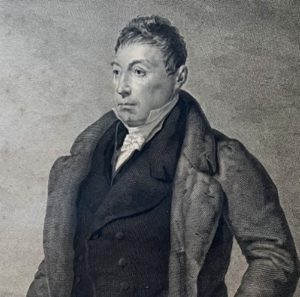
President James Monroe invited the Marquis de Lafayette to visit the United States in 1824. Upon his arrival that August, Lafayette embarked upon a 13-month tour of the nation, visiting all twenty-four states and traveling 6,000 miles. The nobleman was accompanied by his son, George Washington Lafayette, and his private secretary, Auguste Levassuer. Hailed as the “Nation’s Guest,” Lafayette was feted with parades, speeches, dinners, and balls concluding with a banquet at the White House.
, OH
Wilberforce University, founded at Tawawa Springs in 1856 by the Methodist Episcopal Church, is the first private historically black college or university in America. The inspirations for Wilberforce were an unwavering faith in God, an acknowledgement of the contribution of the British abolitionist and Member of Parliament William Wilberforce, the leadership of AME Bishop Daniel Payne, and the belief in the potential of all women and men to learn and prosper. Wilberforce embraces the love of learning and the use of education as a tool of personal and community empowerment. Wilberforce seeks to cultivate and meet the historic hunger for freedom and liberty of all people. Today, Wilberforce is affiliated with the African Methodist Episcopal Church and educates diverse students from across the nation and around the world. Wilberforce continues to serve as a beacon for learning and research.
, OH
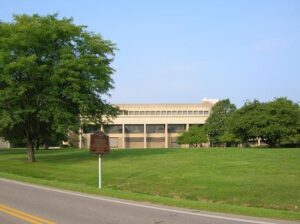
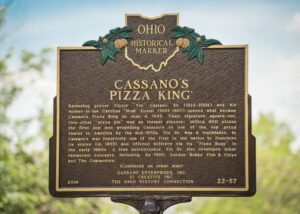
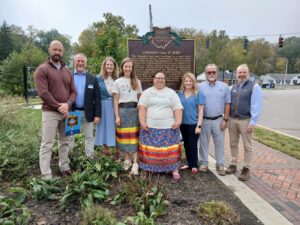
Kettering grocer Victor “Vic” Cassano, Sr. (1922-2002) and his mother-in-law Caroline “Mom” Donisi (1893-1987) opened what became Cassano’s Pizza King on June 4, 1953. Their signature square-cut, thin-crust “pizza pie” was an instant success; selling 400 pizzas the first day and propelling Cassano’s to one of the top pizza chains in America by the mid-1970s. Vic Sr. was a trailblazer, as Cassano’s was reportedly one of the first in the nation to franchise its stores (in 1955) and offered delivery via its “Pizza Bugs” in the early 1960s. A true entrepreneur, Vic Sr. also developed other restaurant concepts, including, by 1980, London Bobby Fish & Chips and The Commodore. (Continued on other side)
, OH
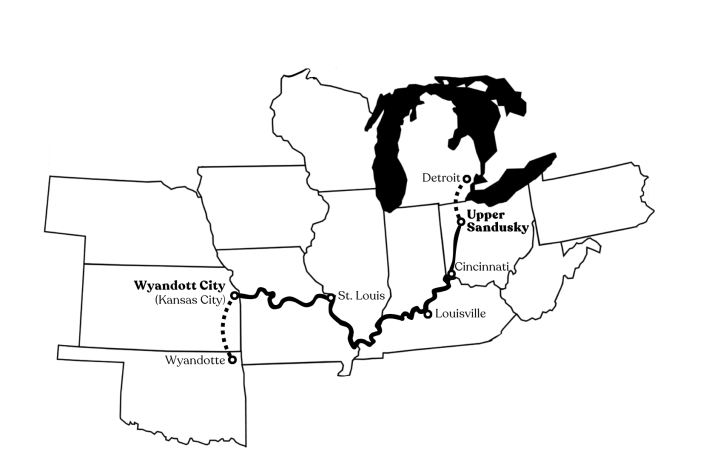
After decades of resistance and failed negotiations, the Wyandot were the last tribe removed from Ohio in 1843. Their removal route began on the Grand Reserve in Upper Sandusky and extended 150 miles to Cincinnati where nearly 700 Wyandots boarded steamboats bound for Kansas Territory. There, new settlers continued to place pressure on Wyandot lands. The Wyandotte Nation is now headquartered in Oklahoma.
, OH
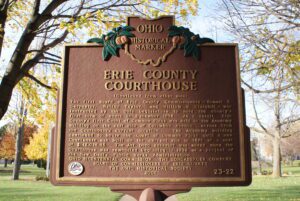
Jury of Erie County Women, First to be Impaneled Under Federal Suffrage proclaimed the headline of the Sandusky Register on August 28, 1920. One of the first female Court of Common Pleas juries in the nation was impaneled in Erie County on August 26, 1920, moments after the 19th amendment to the Constitution of the United States was declared ratified. On that date, Judge Roy Williams was to conduct a trial and jurors were needed. Out of the ten men he contacted, only one could serve. Frustrated, Judge Williams later told the women, “When I learned shortly after 10:30 this morning that suffrage had been proclaimed, I decided to impanel a woman jury. Twelve women were summoned. Twelve women served.” (continued on other side)