 Skip to content

14-33 Ohio Northern University
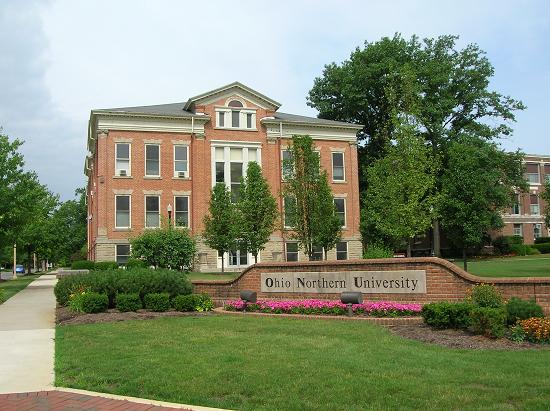
Henry Solomon Lehr founded Ohio Northern University in 1871 as the Northwestern Ohio Normal School. Its purpose was to train teachers and to provide higher education to the people in Northwest Ohio. In 1885, the school became Ohio Normal University. The new name recognized that the institution drew students from all over Ohio and the […]
13-33 The Hardin County Courthouse
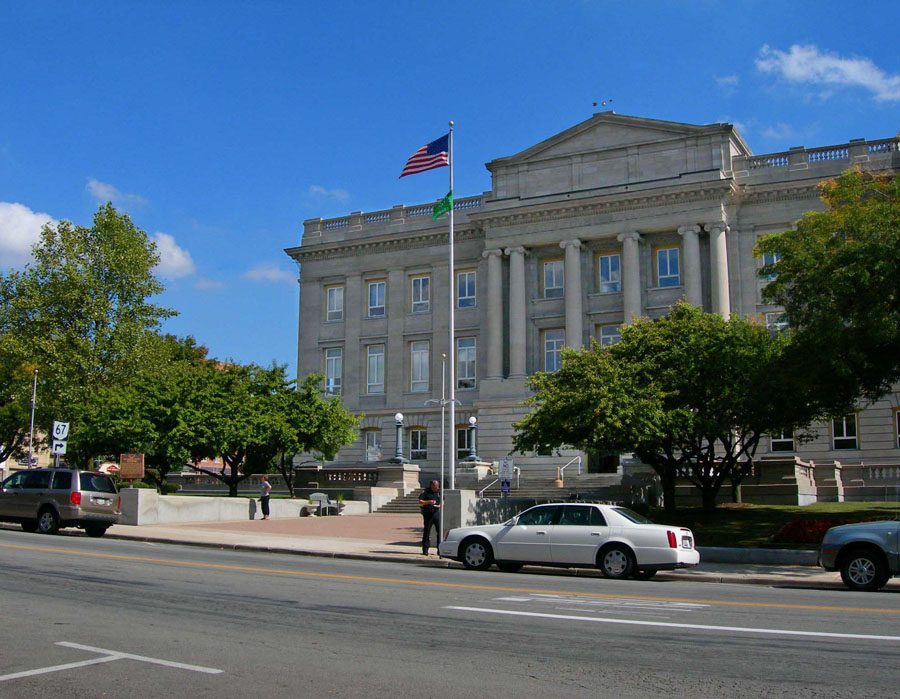
One of Ohio’s larger courthouses, this structure, completed in 1915 at a cost of $275,000, is the third courthouse to be built in this vicinity. The building, designed by the architectural firm, Richards, McCarty, and Bulford, is an excellent example of Neoclassical Revival architecture. The courthouse interior is notable for its outstanding leaded stained glass […]
12-33 Hull’s Trail
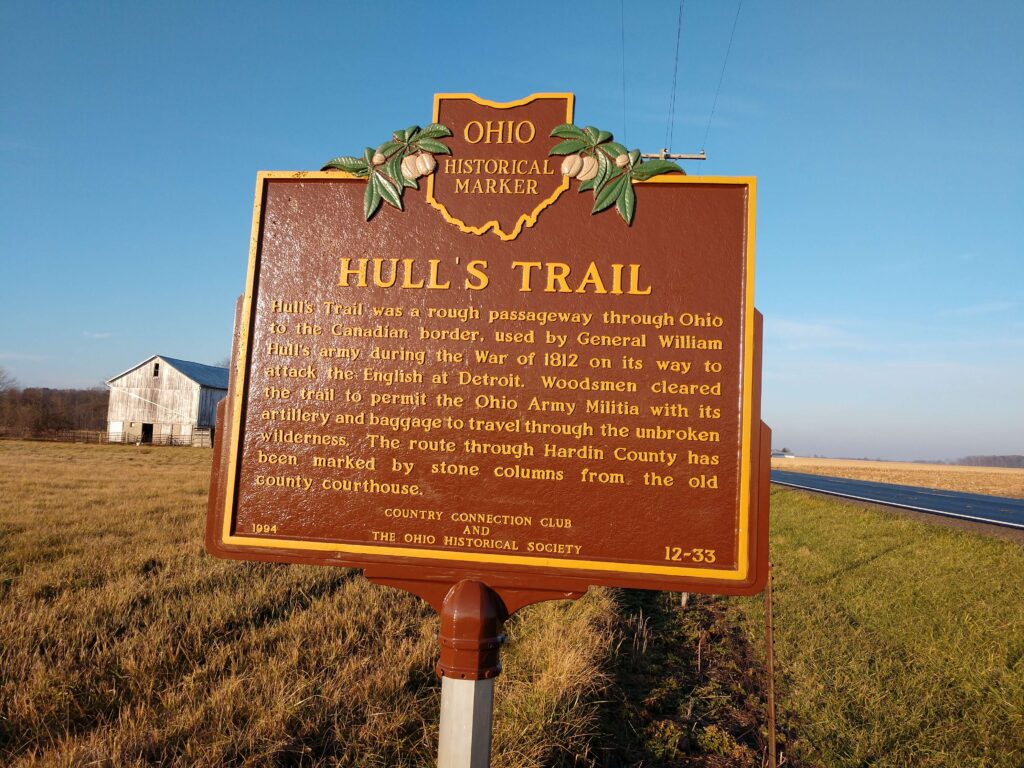
Hull’s Trail was a rough passageway through Ohio to the Canadian border, used by General William Hull’s army during the War of 1812 on its way to attack the English at Detroit. Woodsmen cleared the trail to permit the Ohio Army Militia with its artillery and baggage to travel through the unbroken wilderness. The route […]
11-33 The Black and White Schoolhouse
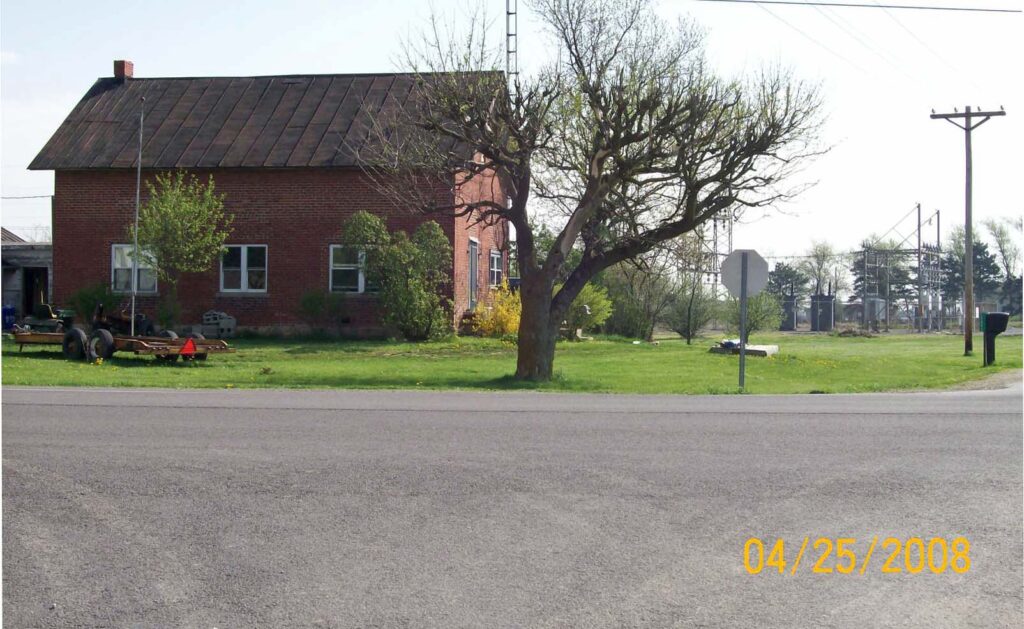
Built in 1886 by direct descendants of slaves, the Black and White schoolhouse provided education for local youth until 1928. Denied admission to white schools in the area, local African-American families first built a log schoolhouse across the road in 1883 in which to educated their children. Three years later, this brick building was constructed. […]
10-33 Kenton Hardware Company
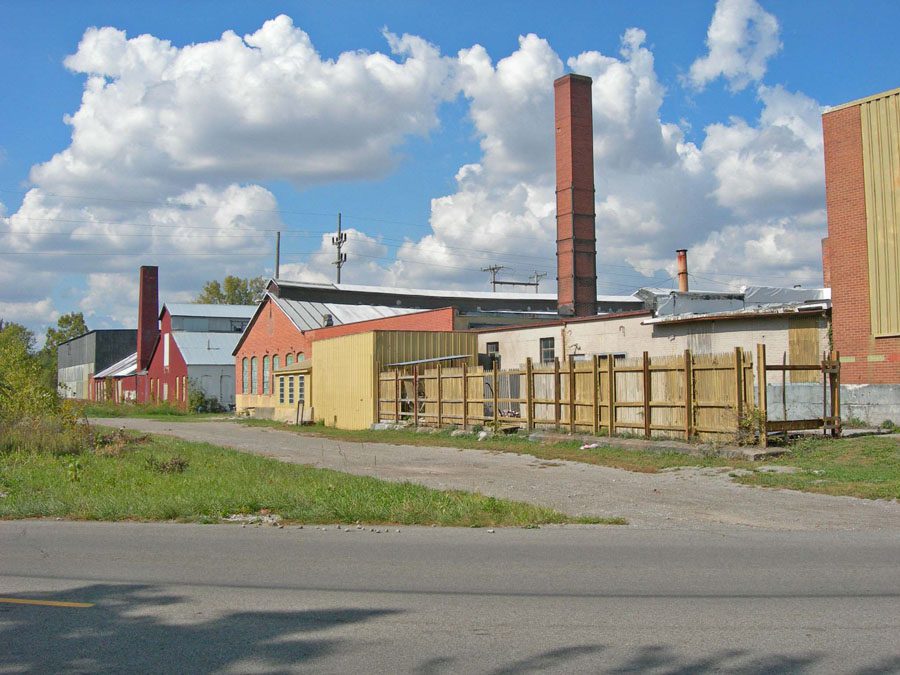
First organized as the Kenton Lock Manufacturing Company in 1890, the Kenton Hardware Company became one of the world’s largest cast iron toy factories. Under the management of L.S. Bixler, toy stoves, banks, fire company outfits, horse drawn vehicles, automobiles and cap pistols were produced. The immensely popular Gene Autry cap pistol was produced at […]
9-33 Wheeler Tavern
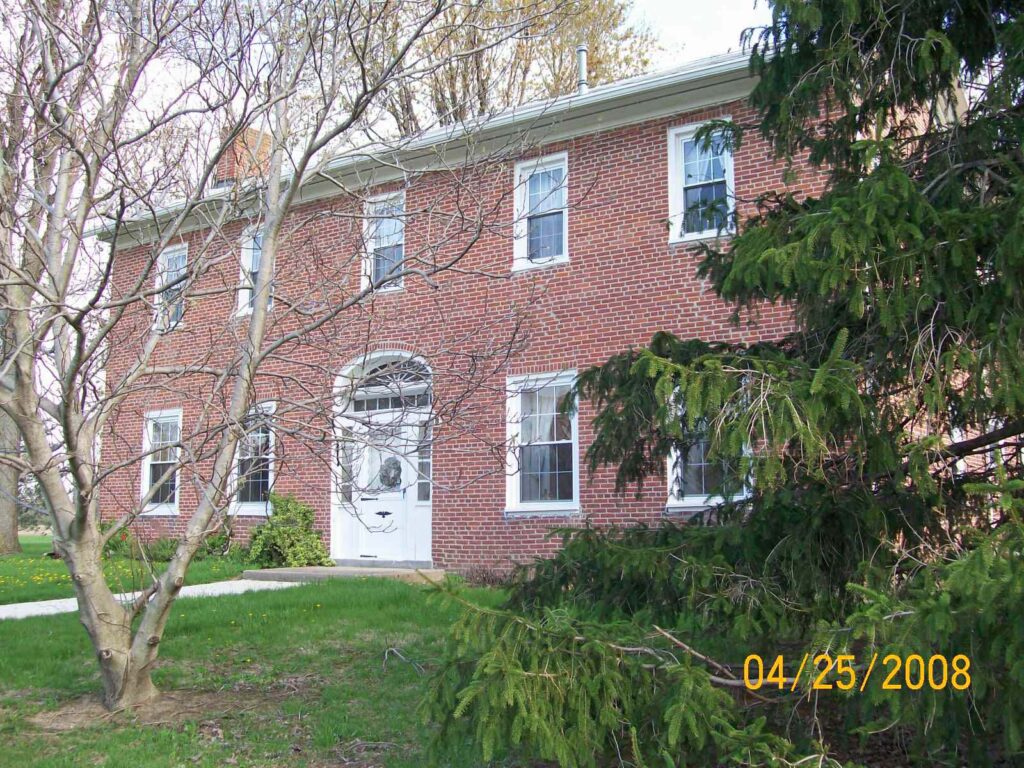
Wheeler Tavern was built by Portius Wheeler, an early pioneer of Hardin County, around 1835 near the Shawnee Ford of the Scioto River. According to local historians this was the first brick residence constructed in Hardin County. Tradition maintains that Wheeler Tavern was a station on the Underground Railroad, a network of contacts and places […]
8-33 Fort McArthur Cemetery
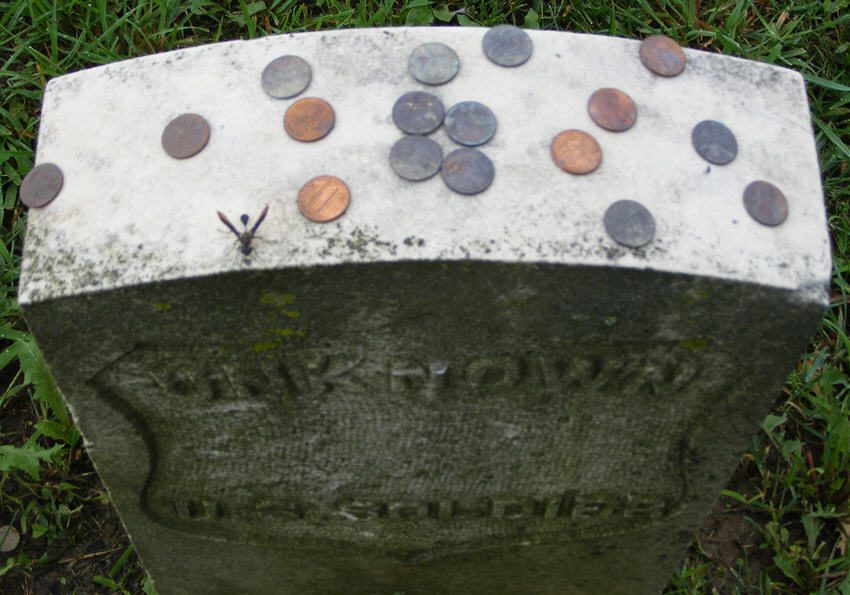
Approximately 1000 feet east of this marker lies the graves of sixteen American soldiers from Fort McArthur who gave their lives during the War of 1812. The fort, a one-half acre timber stockade containing huts, was built in the summer of 1812 to guard the Scioto River crossing of Gen. William Hull’s “Trace” to Detroit. […]
7-33 Scioto Marsh
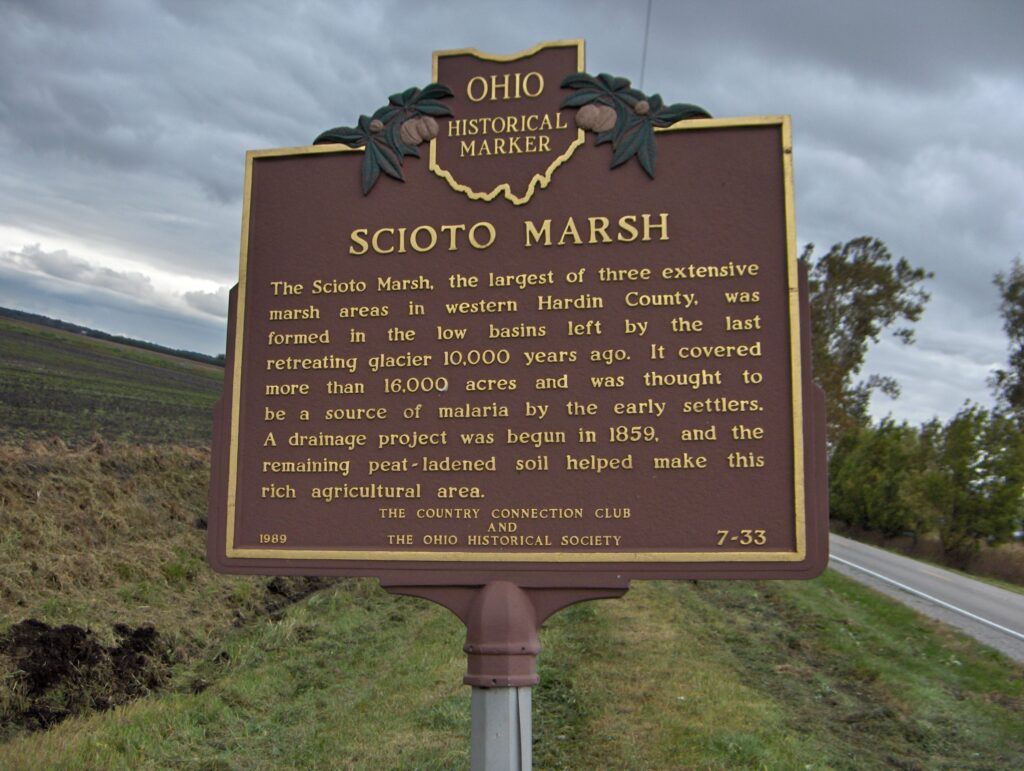
The Scioto Marsh, the largest of three extensive marsh areas in western Hardin County, was formed in the low basins left by the last retreating glacier 10,000 years ago. It covered more than 16,000 acres and was thought to be a source of malaria by the early settlers. A drainage project was begun in 1859, […]
6-33 Devil’s Backbone
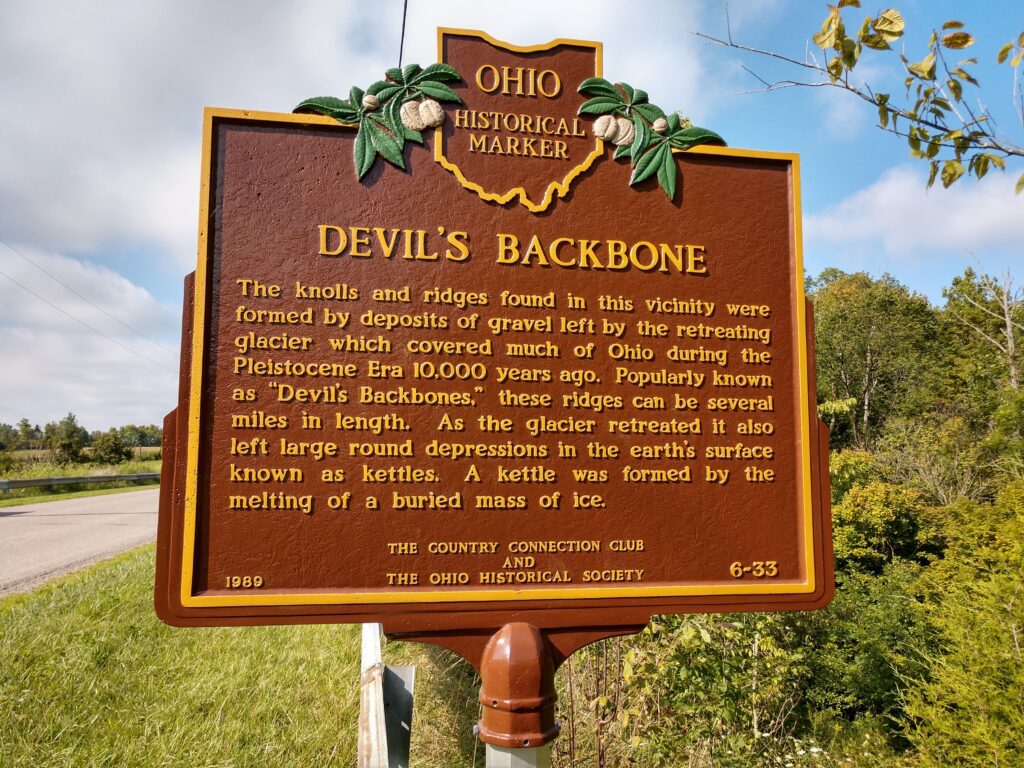
The knolls and ridges found in this vicinity were formed by deposits of gravel left by the retreating glacier which covered much of Ohio during the Pleistocene Era 10,000 years ago. Popularly known as “Devil’s Backbones,” these ridges can be several miles in length. As the glacier retreated it also left large round depressions in […]
5-33 Mad River Railroad
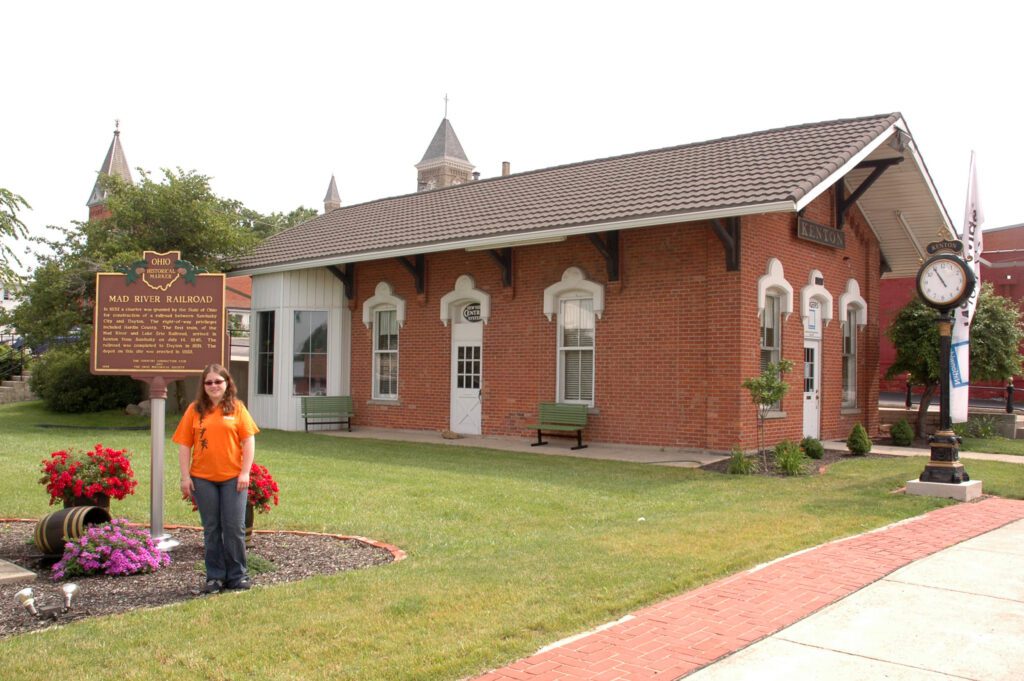
In 1832 a charter was granted by the state of Ohio for construction of a railroad between Sandusky City and Dayton. The right-of-way privileges included Hardin County. The first train, of the Mad River and Lake Erie Railroad, arrived in Kenton from Sandusky on July 14, 1846. The railroad was completed to Dayton in 1851. […]