 Skip to content

47-48 Moses Fleetwood Walker
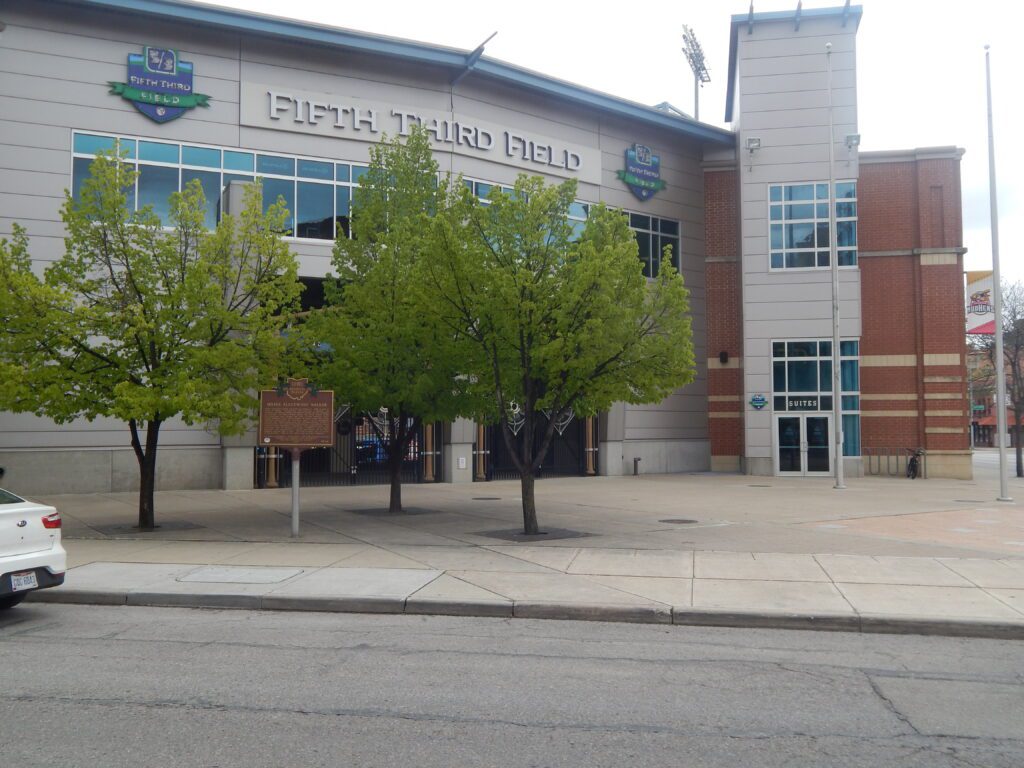
Moses Fleetwood Walker was born on October 7, 1856 in Ohio to Moses M. Walker, a physician, and Caroline, a midwife. He attended and played baseball at Oberlin College and the University of Michigan. In 1883, Walker joined the newly formed Toledo Blue Stockings and became the first African American major league ballplayer when Toledo […]
46-48 Battle of Fallen Timbers
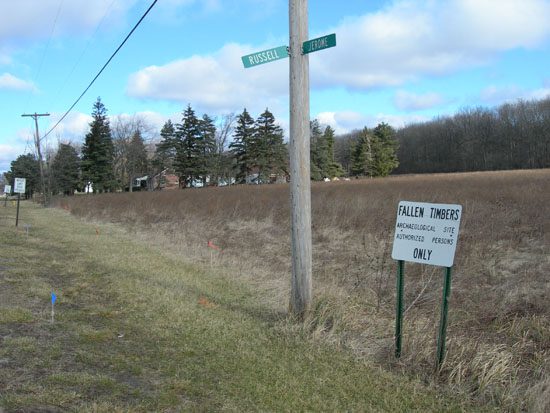
The Battle of Fallen Timbers, fought on August 20, 1794, is one of the most significant events relating to post-Revolutionary War America. Major General “Mad” Anthony Wayne led the Federal Army, known as The Legion of the United States against a confederacy of Native Americans led by Miami Chief Little Turtle and Shawnee war chief […]
44-48 Salem Lutheran Church / Salem Lutheran Church
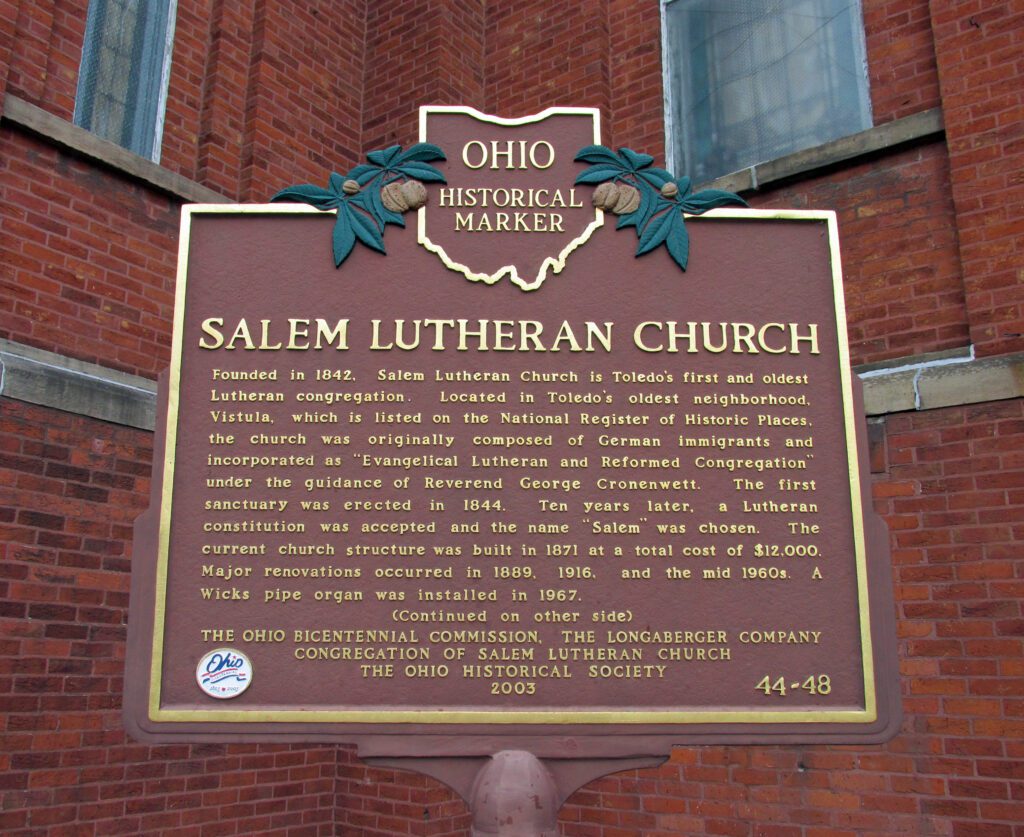
Founded in 1842, Salem Lutheran Church is Toledo’s first and oldest Lutheran congregation. Located in Toledo’s oldest neighborhood, Vistula, which is listed on the National Register of Historic Places, the church was originally composed of German immigrants and incorporated as “Evangelical Lutheran and Reformed Congregation” under the guidance of Reverend George Cronenwett. The first sanctuary […]
43-48 Hindu Temple and Heritage Hall
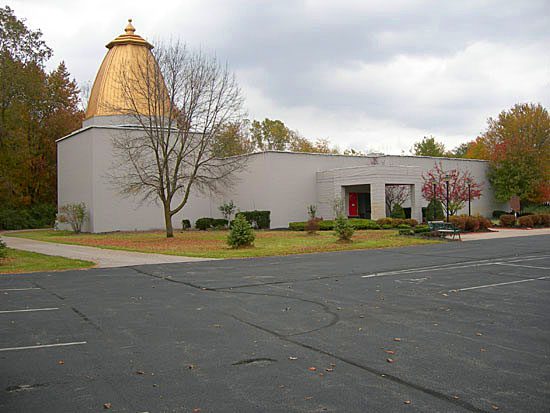
The Hindu Temple of Toledo was established in 1981 for the growing Hindu and Jain communities in northwest Ohio. Religious functions were initially held in a house located on a 15-acre property purchased in 1983. The Temple, designed in a Hindu-American style, was dedicated in August 1989. In 2000, the Temple underwent an expansion of […]
18-87 Islamic Center of Greater Toledo
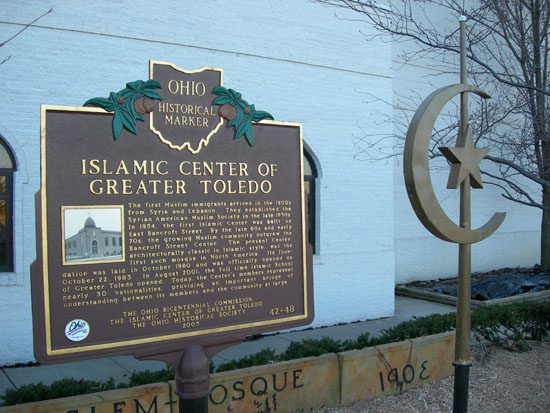
The first Muslim immigrants arrived in the 1900s from Syria and Lebanon. They established the Syrian American Muslim Society in the late 1930s. In 1954, the first Islamic Center was built on East Bancroft Street. By the late 60s and early 70s, the growing Muslim community outgrew the Bancroft Street Center. The present Center, architecturally […]
41-48 Art Tatum
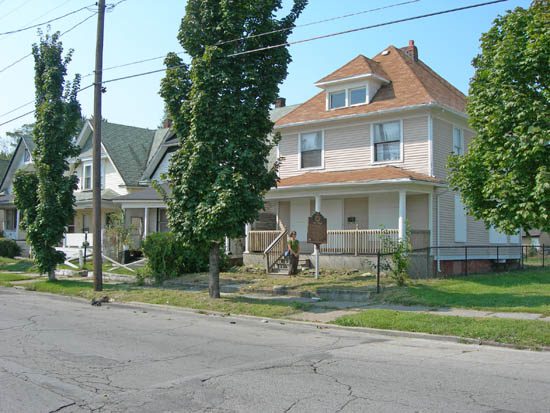
Art Tatum was born in Toledo on October 13, 1909, the son of Arthur Tatum, Sr. and Mildred Hoskins Tatum. Despite being blind in one eye and only partially sighted in the other, he became one of the greatest jazz pianists of his era. To deal with his sight disability, he attended the Ohio State […]
40-48 John Pray – Founder of Waterville, Ohio / The Miami and Erie Canal
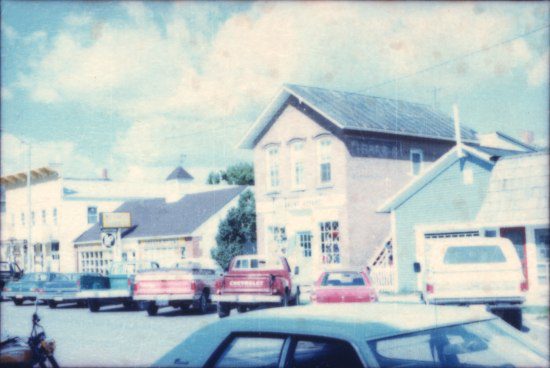
Born in Rhode Island, John Pray (1783-1872) moved to the Maumee River Valley from New York shortly after serving in the War of 1812 and completing a prospecting tour in Ohio. He built a dam across the river to Granger Island and in 1821 constructed a water-powered gristmill, the first on the lower Maumee. In […]
39-48 Electric Auto-Lite Strike of 1934
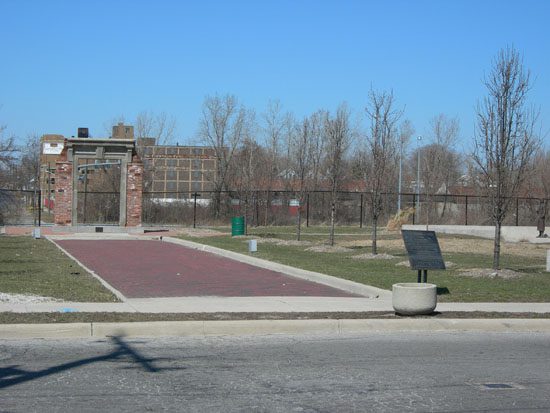
In 1934, workers at the Electric Auto-Lite Company and other automotive-related manufacturers secretly organized the Automobile Workers Federal Union Local 18384, American Federation of Labor (AFL), which became the United Auto Workers (UAW) Local 12. Anti-unionism, broken pledges by management, and abuse of workers had festered locally for generations. Workers bitterly resented the fact that […]
38-48 The Oak Openings Regions
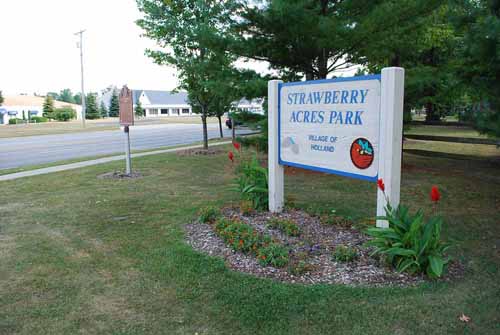
Ice Age glaciers formed the distinct landscape of the Oak Openings Region, which is dominated by rolling sand dunes and wet prairies interrupted by clusters of oak trees. Although the sandy soil did not support agriculture well, the early settlers of Springfield Township and the Village of Holland raised cranberries and other fruits. Encompassing nearly […]
37-48 Historic Woodlawn Cemetery
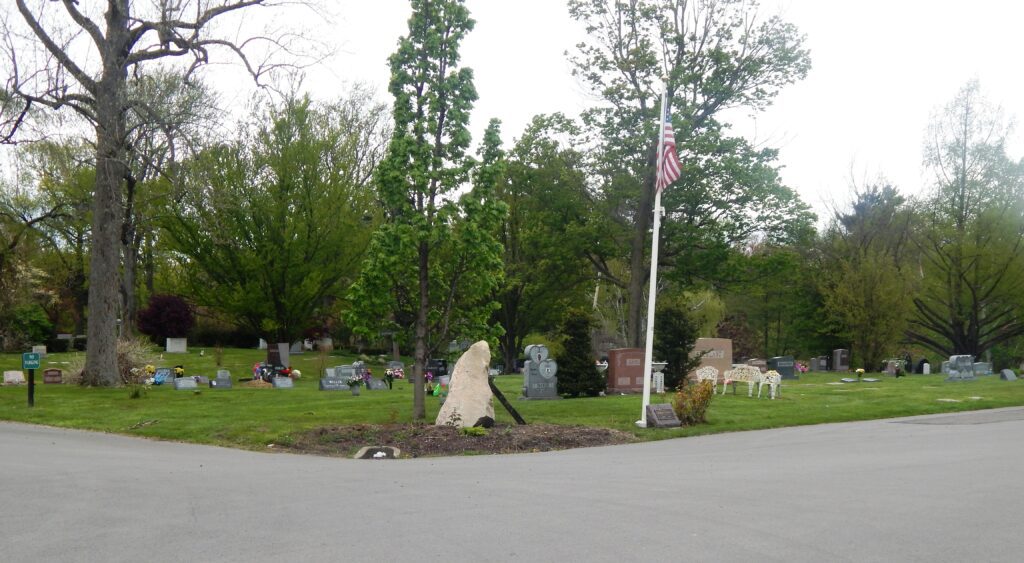
Founded in 1876 by a group of Toledo businessmen, Woodlawn Cemetery was designed in the tradition of the country’s “rural cemetery” movement, which was first popularized in Europe in the 1830s. This movement reflects the change in American burial practices in the nineteenth century as attitudes of death changed from grim to sentimental. The cemetery’s […]