 Skip to content

16-57 Natalie Clifford Barney
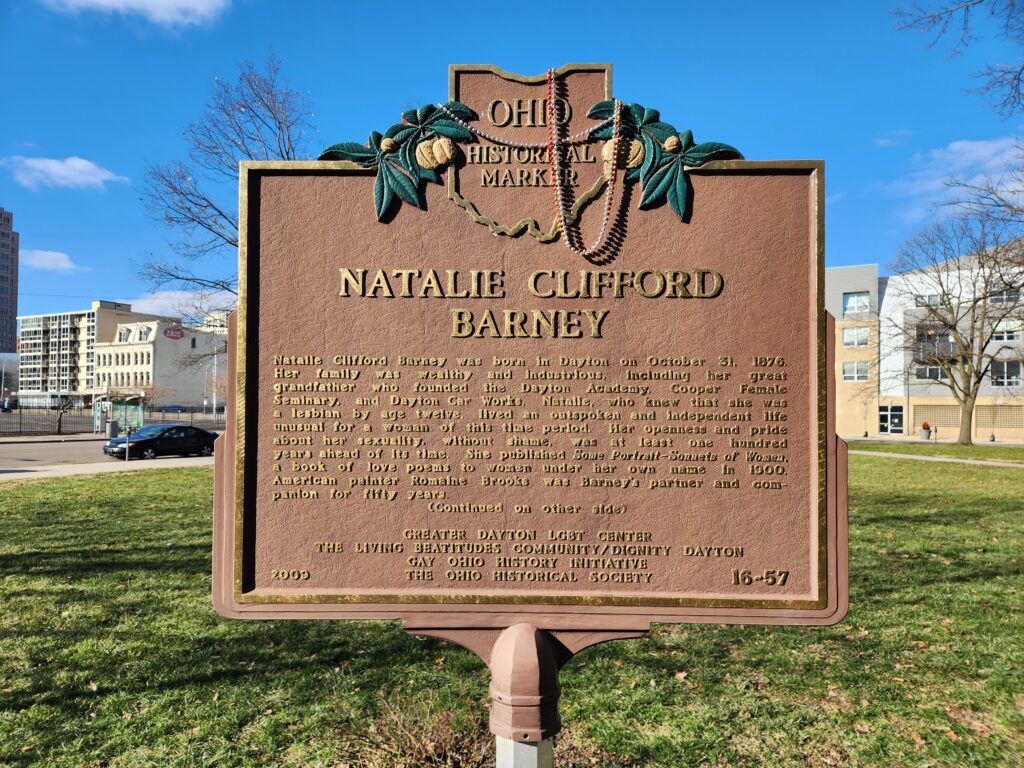
Natalie Clifford Barney was born in Dayton on October 31, 1876. Her family was wealthy and industrious, including her great grandfather who founded the Dayton Academy, Cooper Female Seminary, and Dayton Car Works. Natalie, who knew that she was a lesbian by age twelve, lived an outspoken and independent life unusual for a woman of […]
15-57 Winter Zellar (Zero) Swartsel, The Bottle Farm
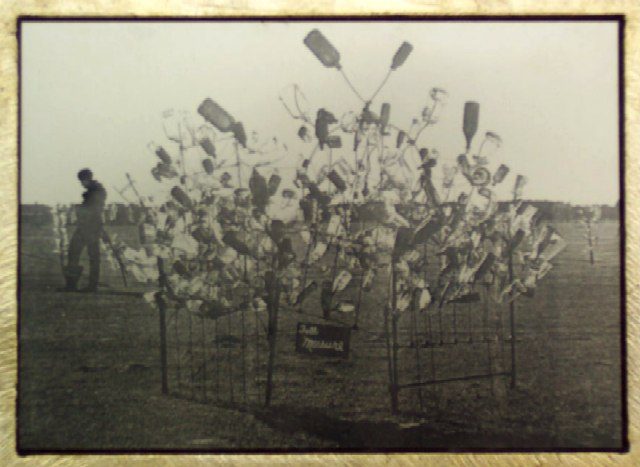
A direct descendent of original settlers in Jackson Township, Winter Zellar (Zero) Swartsel was born in 1876. Throughout his life he was a natural born showman, teacher, eccentric, anarchist, and “possibly the grandfather of American Pop Culture.” At a young age and tired of the routines of Farmersville, he declared that, “He would live by […]
14-57 Wayman Chapel African Methodist Episcopal Church
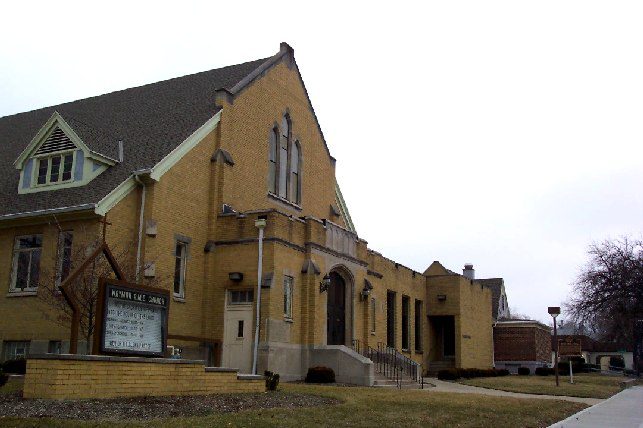
The first African American congregation and first African American Methodist Episcopal (AME) Church in Dayton trace their roots back to the early 1830s. They were organized by Father Thomas Willis and a small group of faithful men and women. After several moves, the congregation settled on Eaker Street and the church was dedicated in the […]
13-57 Woody’s Market
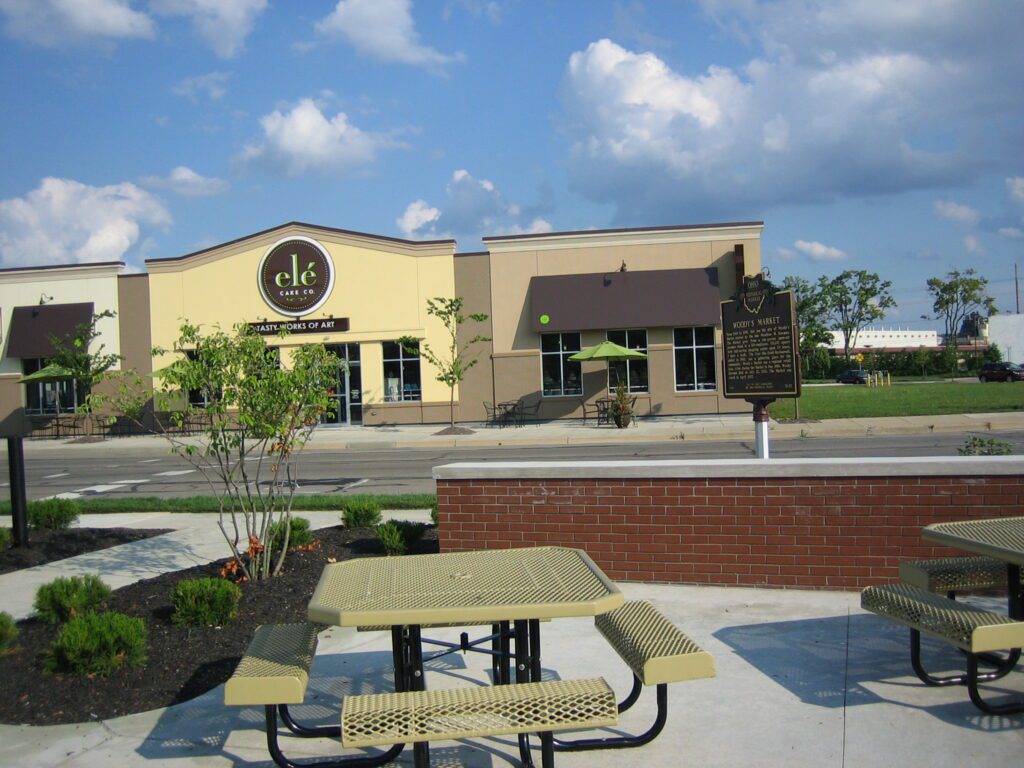
From 1944 to 1999, this was the site of Woody’s Market started by the late Woodrow W. Bowman. The Market grew from a one-person open-air produce stand to a 500-employee, 100,000 square foot full-service shopping center open 24 hours, 7 days a week. The Over-the-Road-Restaurant, added in 1968, was a gathering place for the community. […]
12-57 Dayton Masonic Temple
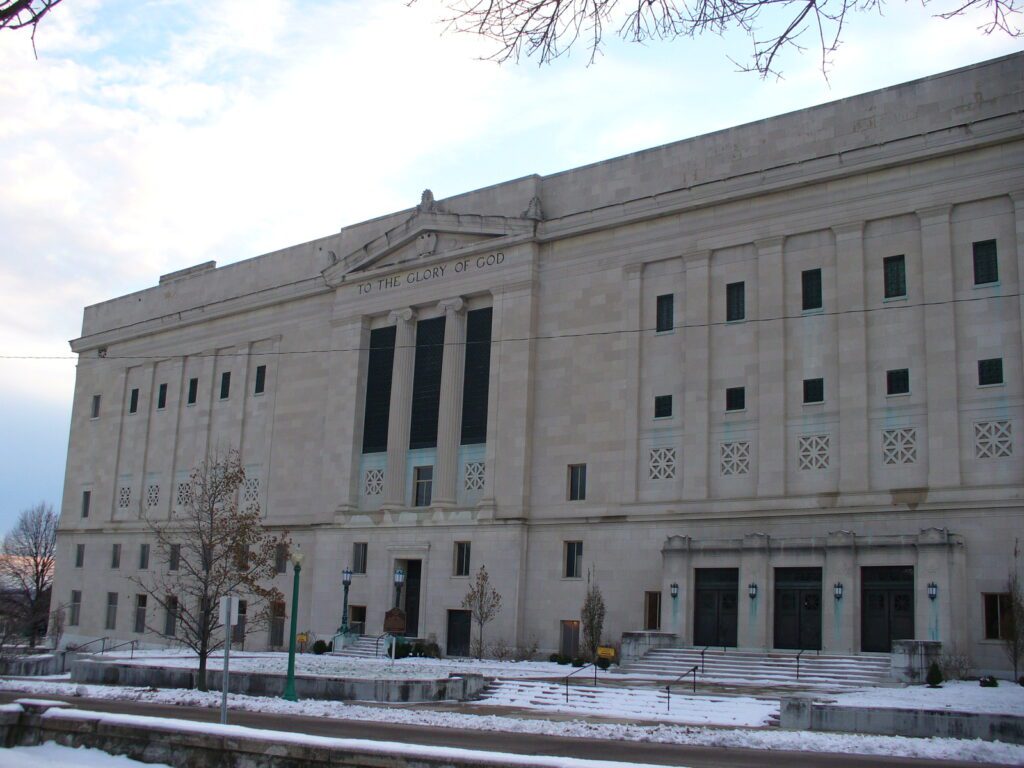
The first Masonic Lodge in Dayton was founded in 1808, located in the first Montgomery County Courthouse. Various other locations were home to Masons in Dayton, but by World War I, rapid growth of the Masonic community called for the creation of a new Lodge building. Masons of the time, including civic and business leaders […]
11-57 Brigadier General Edmund Munger
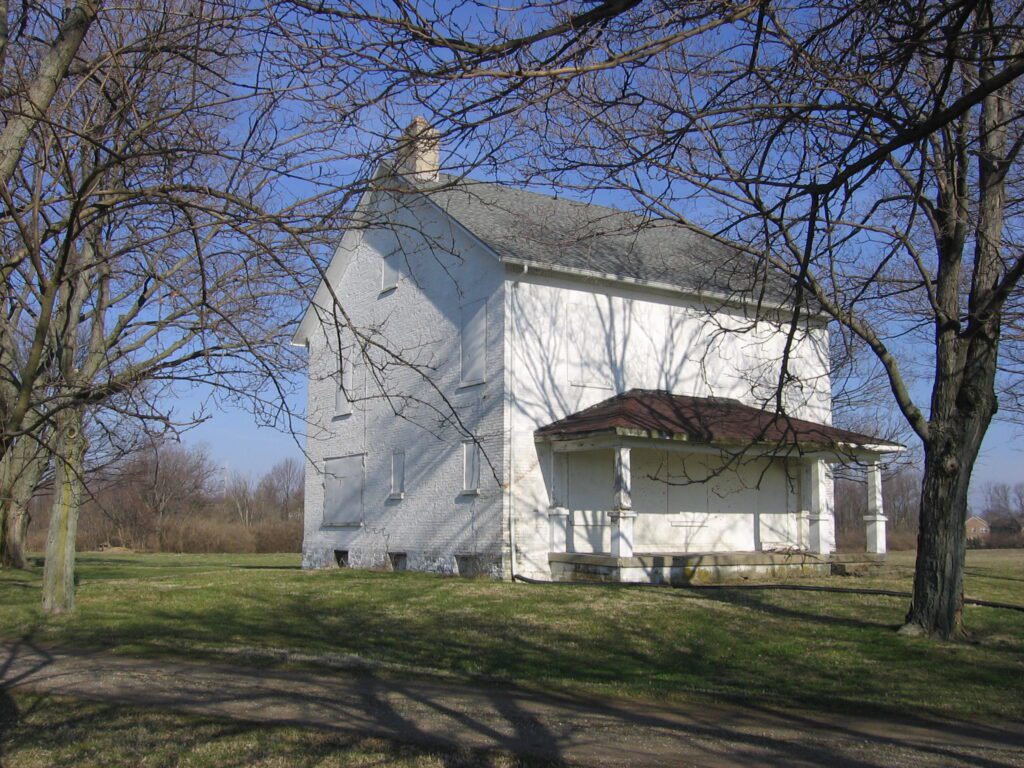
Edmund Munger was born in 1763 in Norfolk, Connecticut, and later moved to Vermont. In 1799, his wife Eunice Kellogg and five children traveled by wagon and flat-bottomed boat to claim land in Washington Township. A blacksmith by trade and a farmer, Munger was deeply interested in community affairs. In 1804, he was elected a […]
10-57 The Village of Tadmor / The National Road
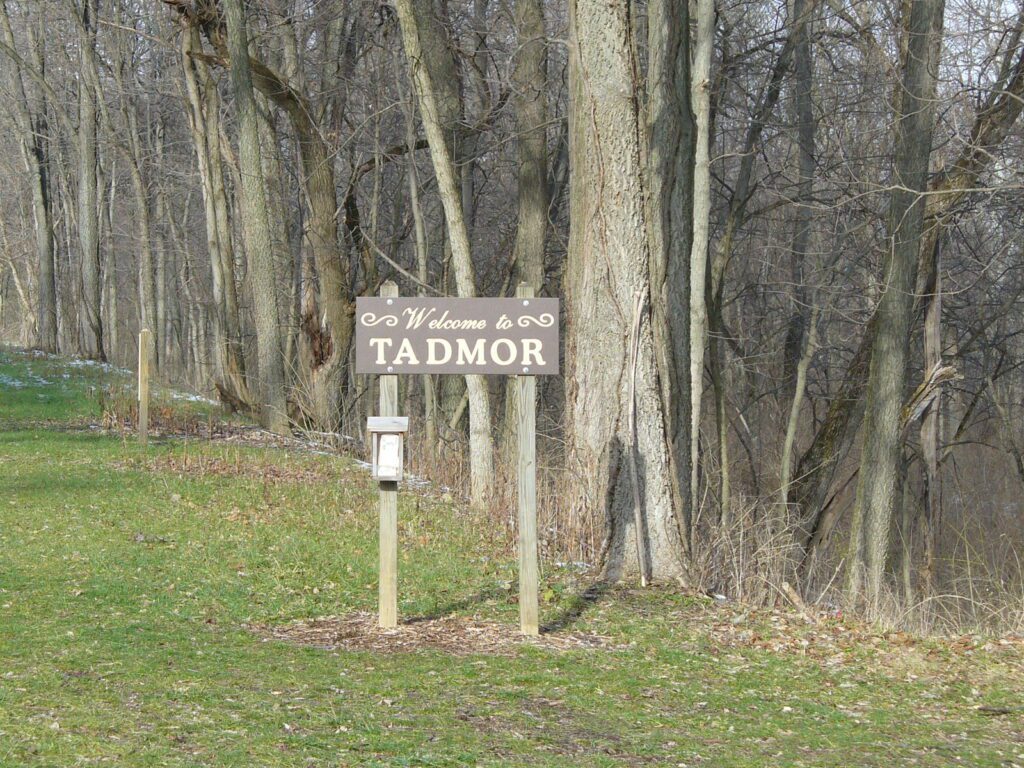
The Village of Tadmor is significant as being the location of one of the most important centers of transportation in early Ohio history. As early as 1809, keelboats were poled up river from Dayton to load and unload freight in the village. By 1837, the Miami and Erie Canal had reached Tadmor, connecting it to […]
8-57 Paul Laurence Dunbar

The first African-American to achieve prominence as a poet, Paul Laurence Dunbar was born and raised in Dayton, the son of former slaves. Working as an elevator operator while he established himself as a writer, Dunbar published his first book of poems, Oak and Ivy, in 1893. His third collection, Lyrics of a Lowly Life […]
7-57 Wright Field
Named for the 1903 co-inventors of the airplane, Wilbur and Orville Wright of Dayton, Ohio, Wright Field has been the center of aeronautical research, development, and weapon system acquisition since its establishment. Wright Field assumed this mission and was dedicated on October 12, 1927 after McCook Field (1917-1927), America’s “Cradle of Aviation” near downtown Dayton, […]
6-57 Watervliet Shaker Community
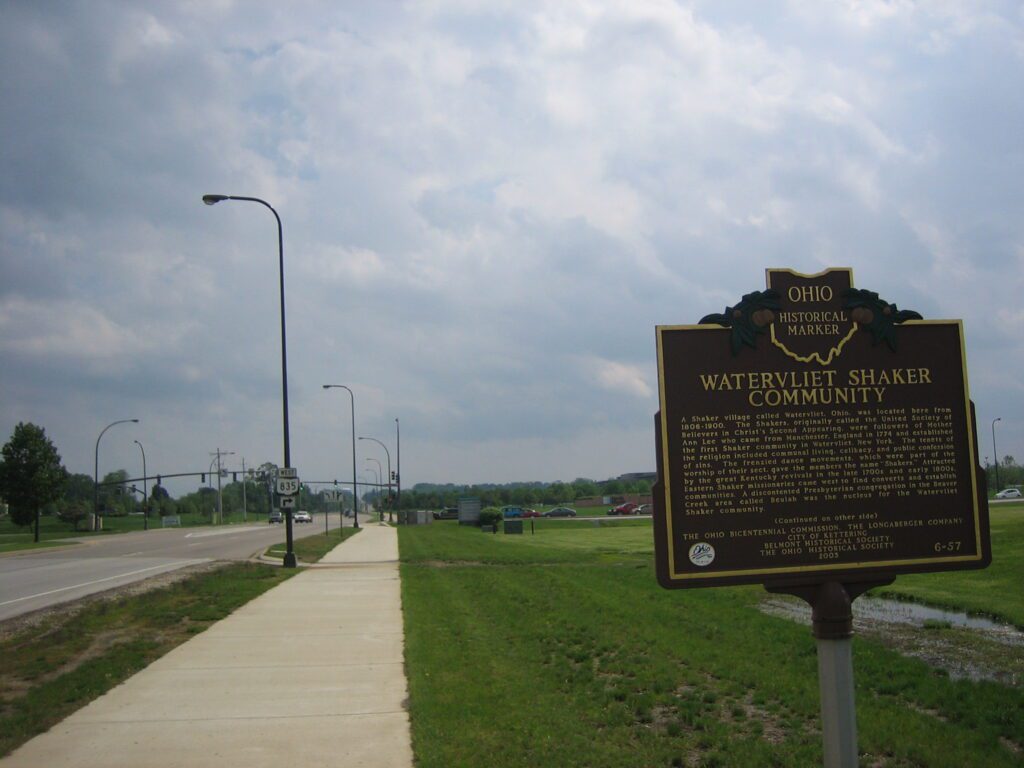
A Shaker village called Watervliet, Ohio, was located here from 1806-1900. The Shakers, originally called the United Society of Believers in Christ’s Second Appearing, were followers of Mother Ann Lee who came from Manchester, England in 1774 and established the first Shaker community in Watervliet, New York. The tenets of the religion included communal living, […]