 Skip to content

30-79 The Zoar Hotel
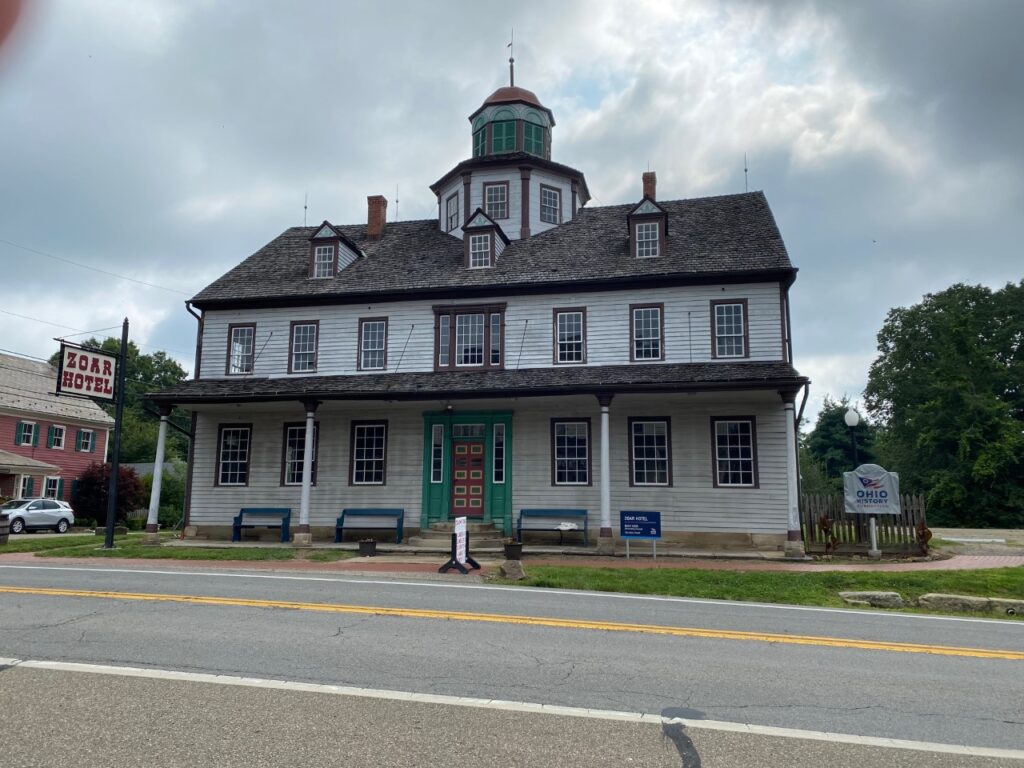
Zoar Separatists built the hotel in 1833 to accommodate overflow travelers from their original Ohio & Erie Canal inn. The hotel proved an economic boon to the Zoar community, but, by bringing the outside world into Zoar, ultimately became a source of discontent for members. During its heyday, the Zoar Hotel catered to curiosity-seekers, visiting […]
29-79 The Dover Light Plant / Northern Ohio Traction & Light
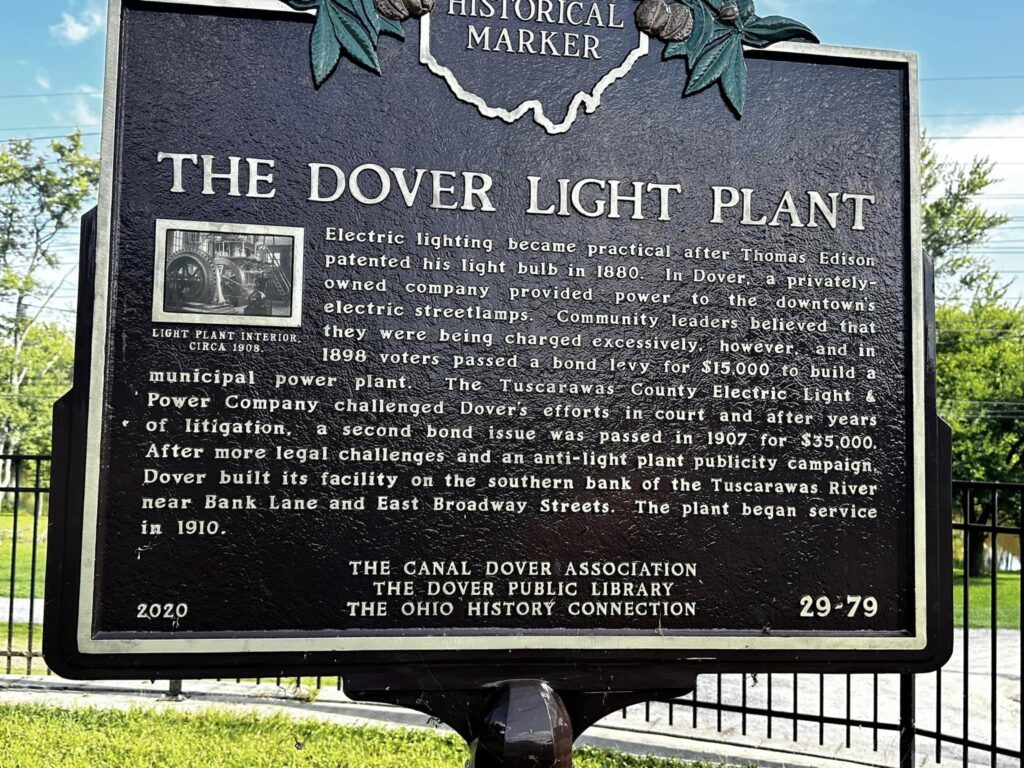
Electric lighting became practical after Thomas Edison patented his light bulb in 1880. In Dover, a privately-owned company provided power to the downtown’s electric streetlamps. Community leaders believed that they were being charged excessively, however, and in 1898 voters passed a bond levy for $15,000 to build a municipal power plant. The Tuscarawas County Electric […]
28-79 Fort Laurens Continental Outpost of the Ohio Frontier / Survival on the Frontier November 1778-August 1779
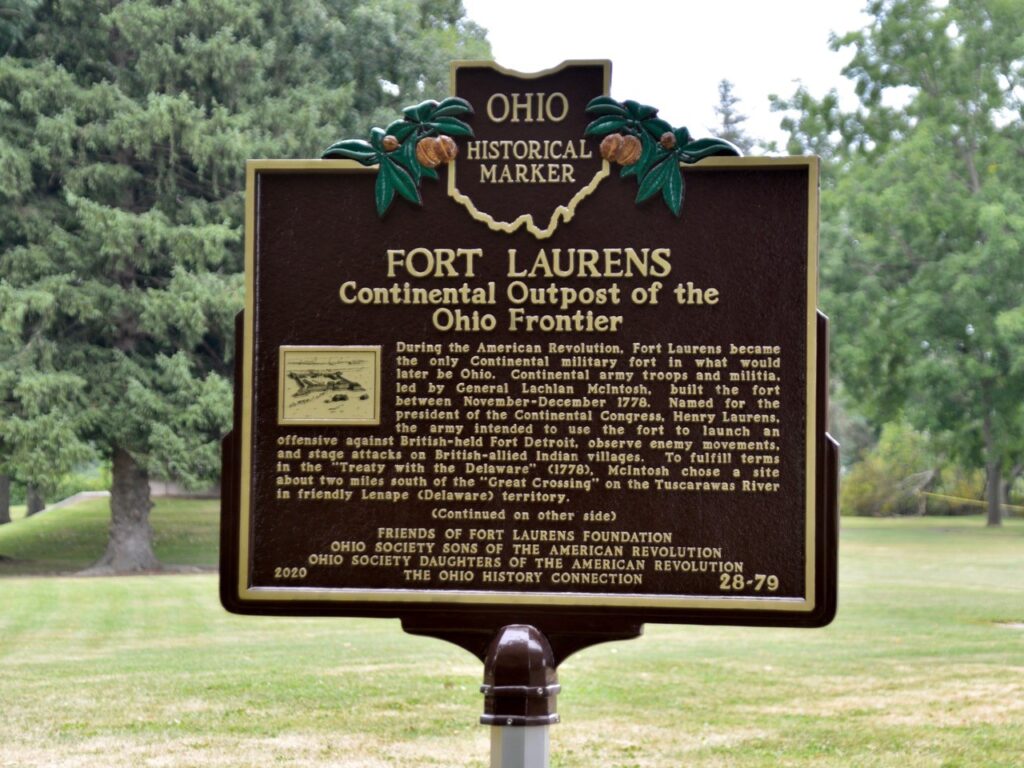
During the American Revolution, Fort Laurens became the only Continental military fort in what would later be Ohio. Continental army troops and militia, led by General Lachlan McIntosh, built the fort between November-December 1778. Named for the president of the Continental Congress, Henry Laurens, the army intended to use the fort to launch an offensive […]
27-79 The Cascade and Hardesty Mills / The Ohio & Erie Canal and Industry in Dover
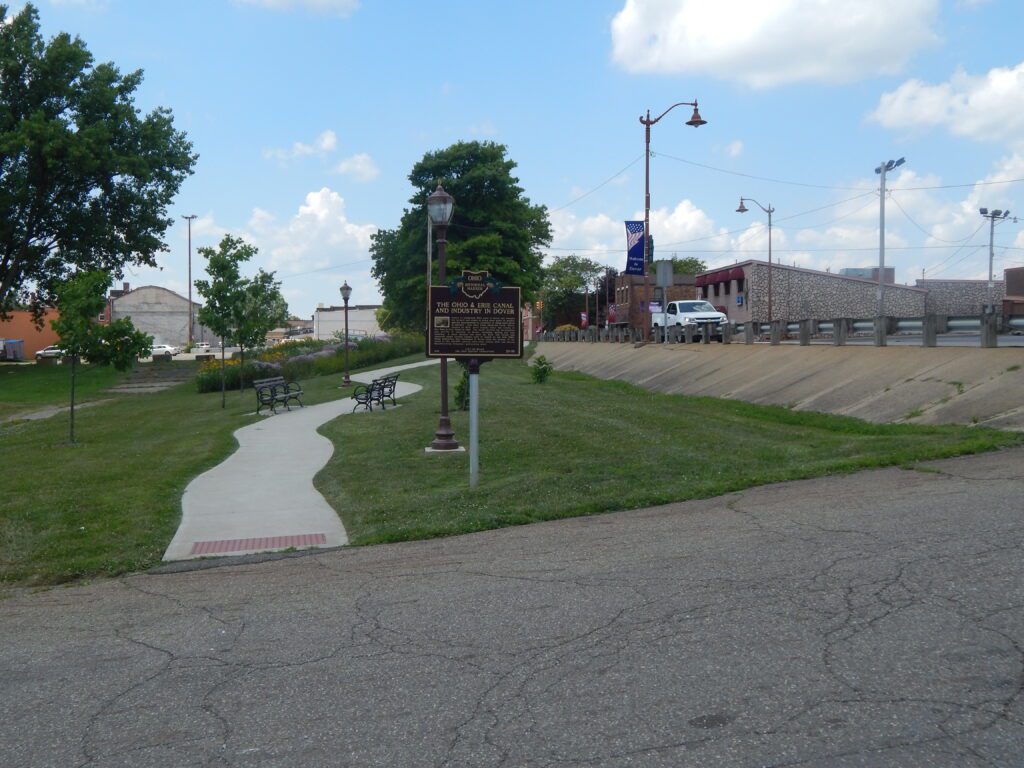
Christian Deardorff (1781-1851) with his brother-in-law Jesse Slingluff (1775-1836) platted and founded Dover and built the area’s first gristmill on Sugar Creek. With the coming of the Ohio and Erie Canal to Dover, Deardorff lobbied successfully to make Dover a toll stop for the canal and the be afforded a source of water power for […]
26-79 Dover Public Library / Dover Public Library
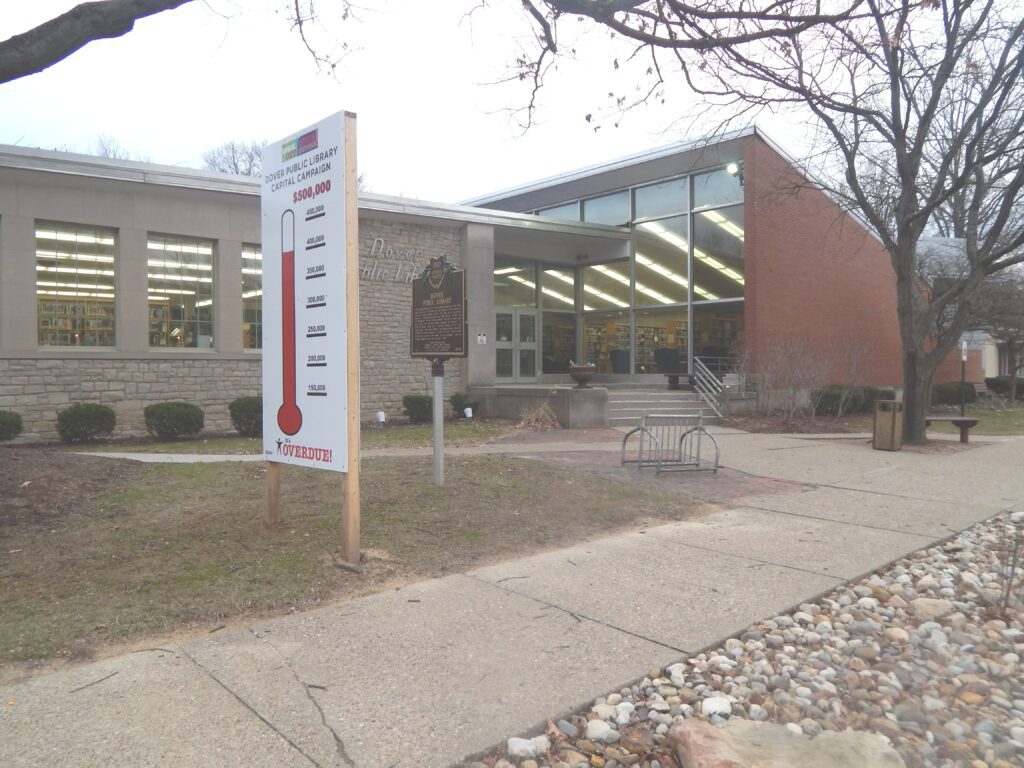
The American Sheet and Tin Plate Company founded the first Dover Public Library for the benefit of its employees at the corner of Front Street and Factory Street in 1902. Five years later, the library moved to a residence on Cherry and Fifth Streets. In 1916 the city dismantled “the old Downey residence” and built […]
25-79 Sandyville: The Town that Moved
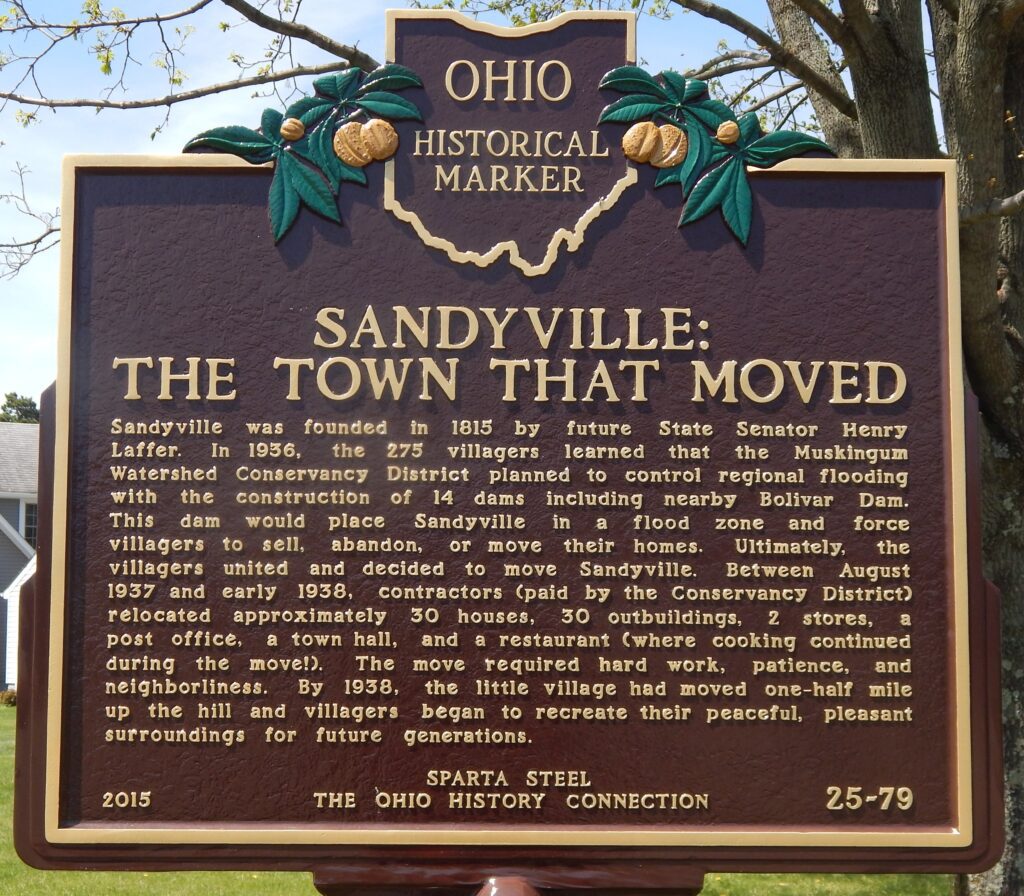
Sandyville was founded in 1815 by future State Senator Henry Laffer. In 1936, the 275 villagers learned that the Muskingum Watershed Conservancy District planned to control regional flooding with the construction of 14 dams including nearby Bolivar Dam. This dam would place Sandyville in a flood zone and force villagers to sell, abandon, or move […]
24-79 Giant Cuckoo Clock / Giant Cuckoo Clock
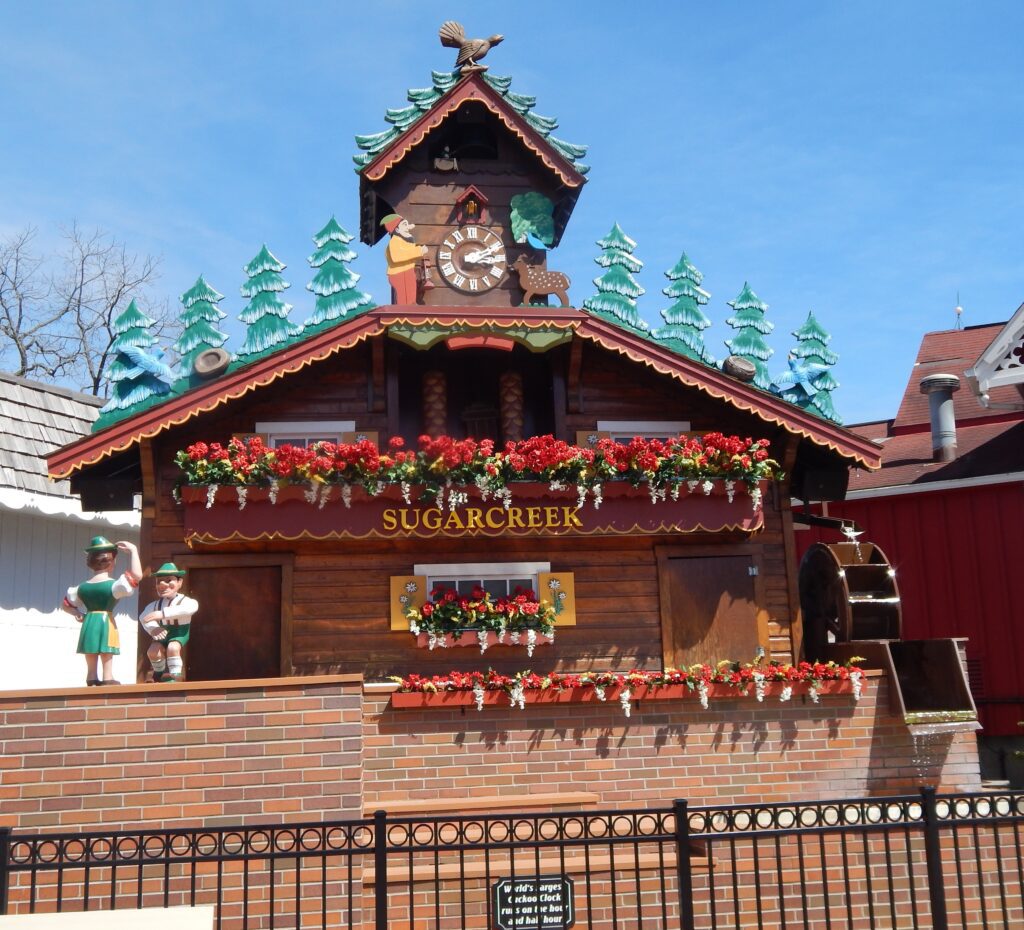
The Alpine Alpa restaurant in Wilmot, Ohio commissioned clockmaker Karl Schleutermann to build the world’s largest cuckoo clock in 1963. Twelve years and $50,000 later, the enormous outdoor clock was finished. It was featured on the cover of the “Guinness Book of World Records” in 1978. After exposure to Ohio’s weather for 30 years, Hampton […]
23-79 Camp Meigs
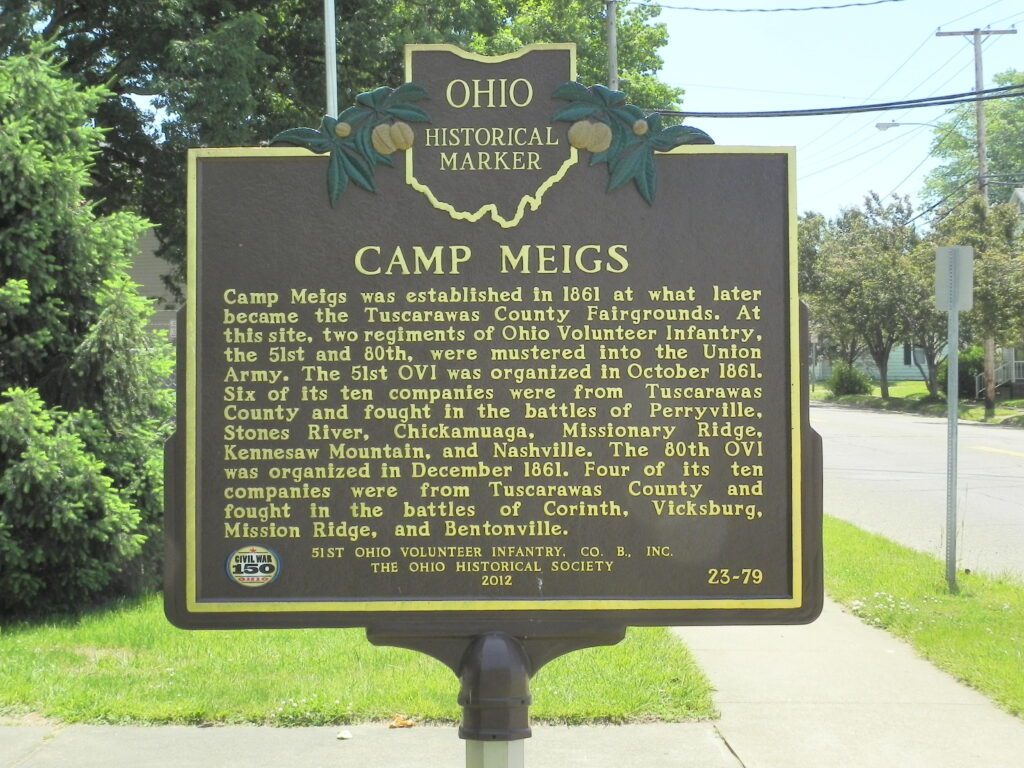
Camp Meigs was established in 1861 at what later became the Tuscarawas County Fairgrounds. At this site, two regiments of Ohio Volunteer Infantry, the 51st and 80th, were mustered into the Union Army. The 51st OVI was organized in October 1861. Six of its ten companies were from Tuscarawas County and fought in the battles […]
22-79 Zoar Meeting House
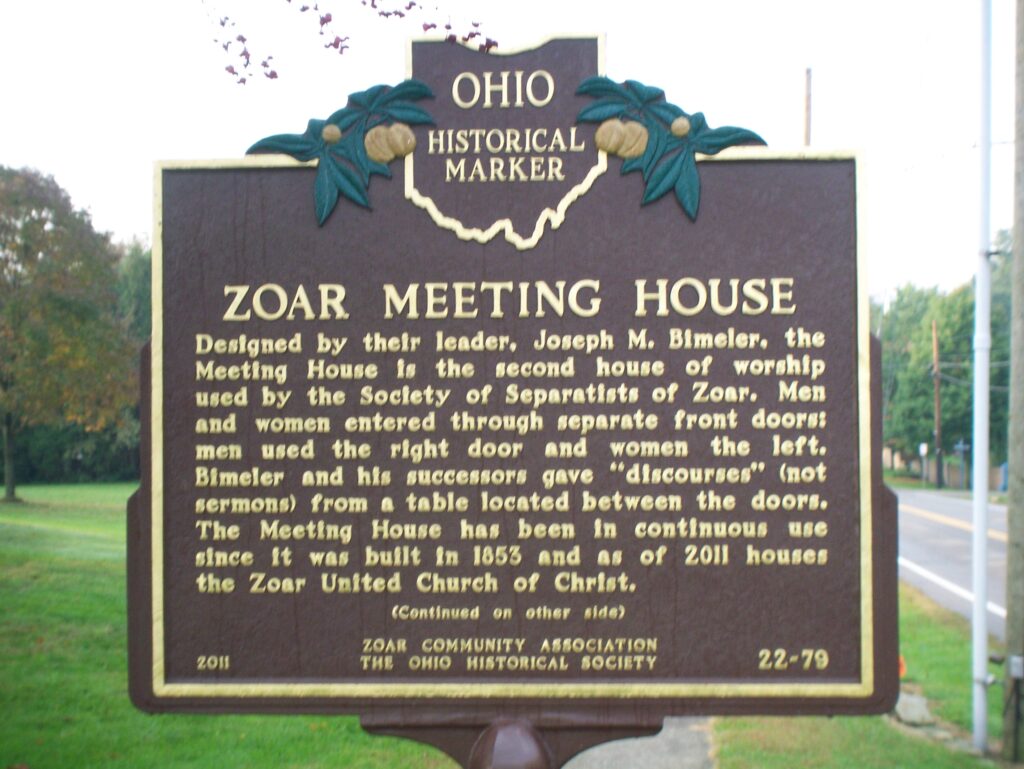
Designed by their leader, Joseph M. Bimeler, the Meeting House is the second house of worship used by the Society of Separatists of Zoar. Men and women entered through separate front doors: men used the right door and women the left. Bimeler and his successors gave “discourses” (not sermons) from a table located between the […]
21-79 Dennison Railway Chapel
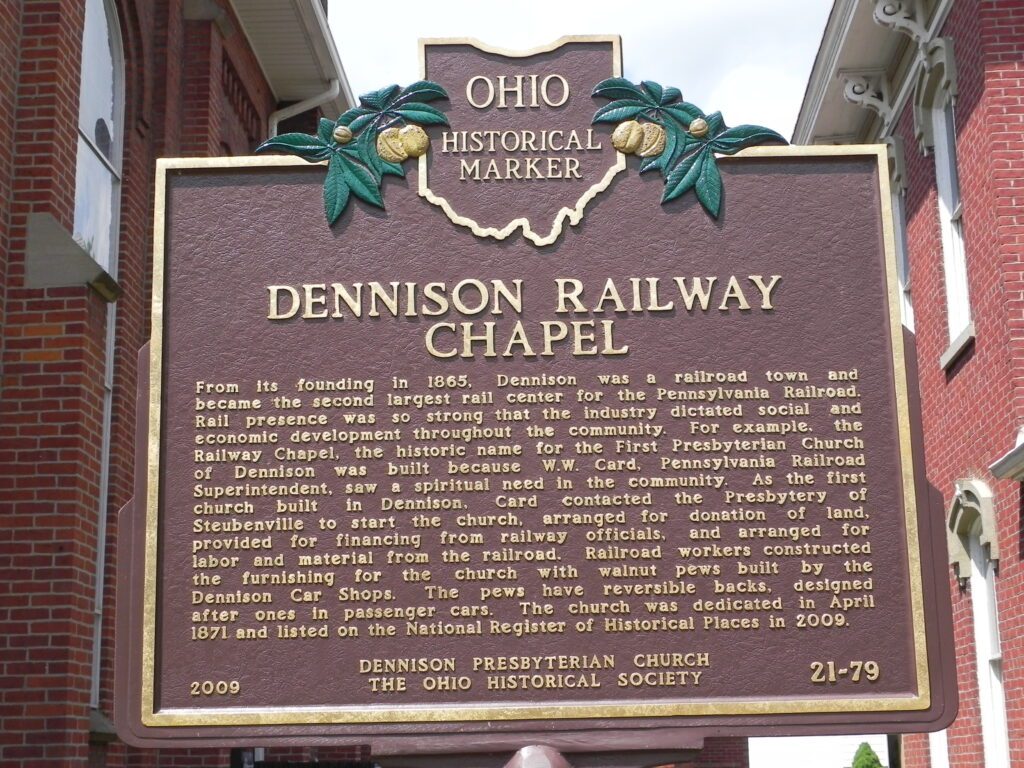
From its founding in 1865, Dennison was a railroad town and became the second largest rail center for the Pennsylvania Railroad. Rail presence was so strong that the industry dictated social and economic development throughout the community. For example, the Railway Chapel, the historic name for the First Presbyterian Church of Dennison was built because […]