 Skip to content

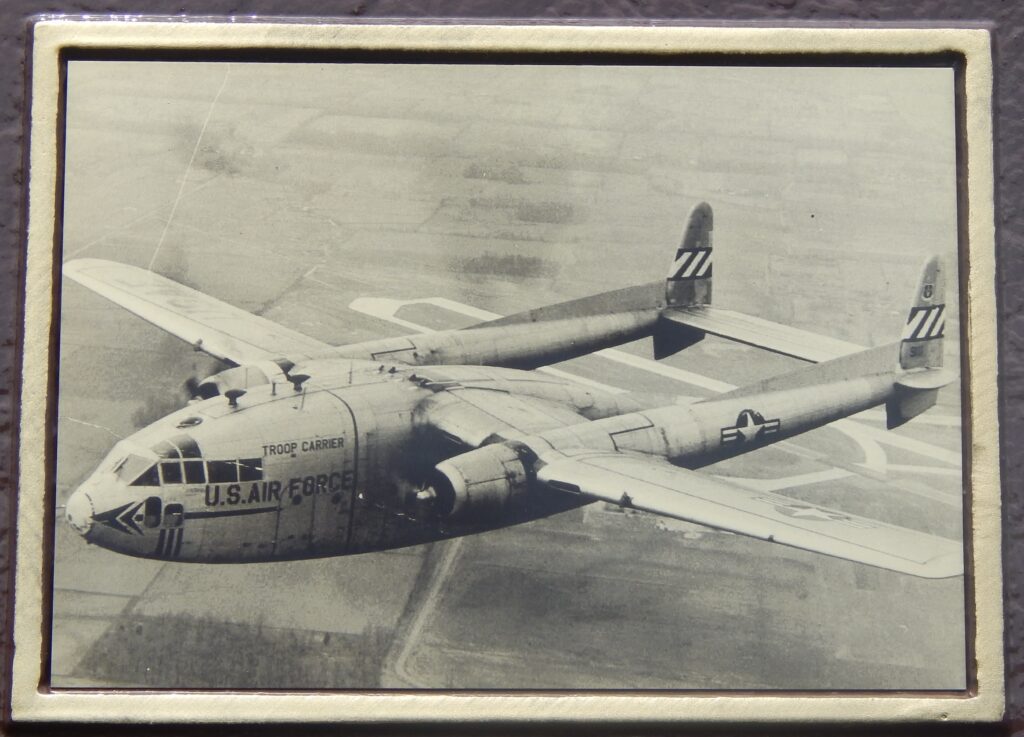
11-14 1968 Clinton County AFB C-119G Plane Crash
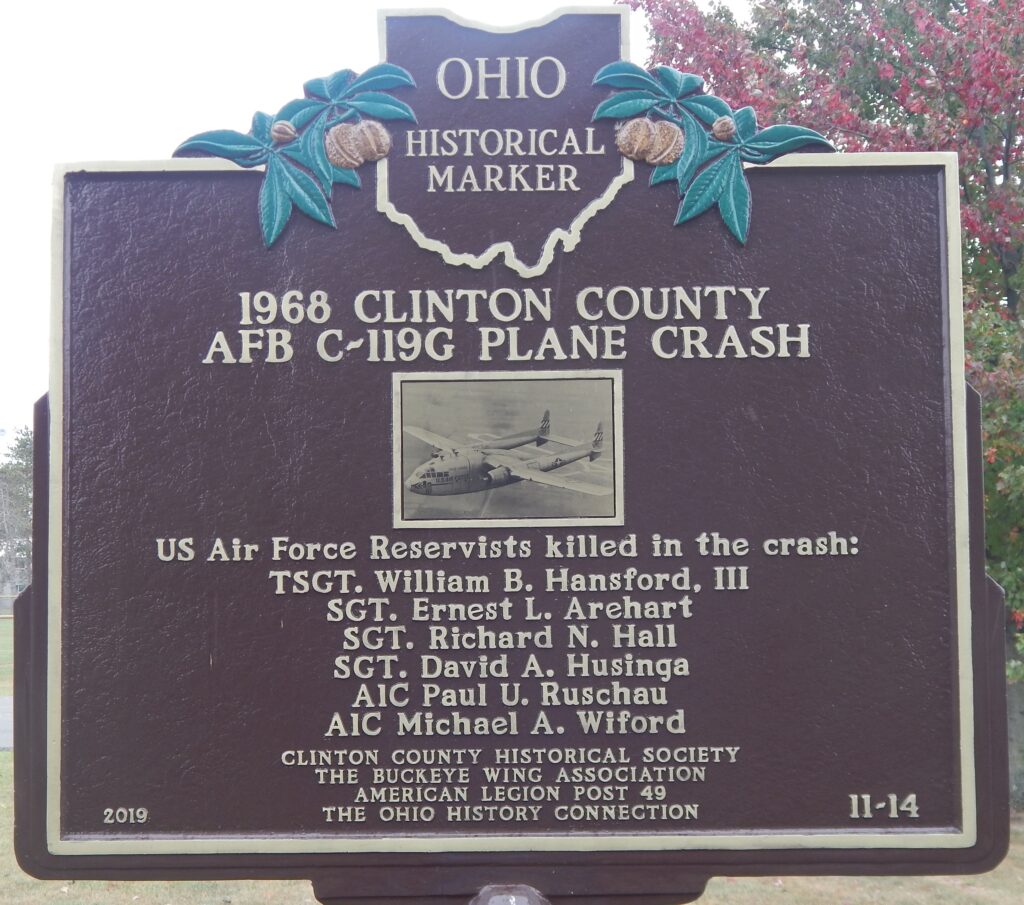
On August 9, 1968, a plane carrying 31 military passengers and crew members left the Clinton County Air Force Base for completion of an annual two-week active duty training held at Otis Air Force Base, Massachusetts. The transport was assigned to the 907th Tactical Airlift Group, 302nd Tactical Airlift Wing. Just after takeoff, the C-119G […]
10-14 Military Air Disaster
On April 18, 1964, reservists from the 302nd Troop Carrier Wing at the Clinton County Air Force Base (CCAFB) and 2nd Special Forces Group (Green Berets) of Fort Hayes, Columbus were to undergo an Operational Readiness Inspection. In a flight of nine C-119 “Flying Boxcars,” the men were to execute a routine night formation paratroop […]
9-14 Wilmington Library
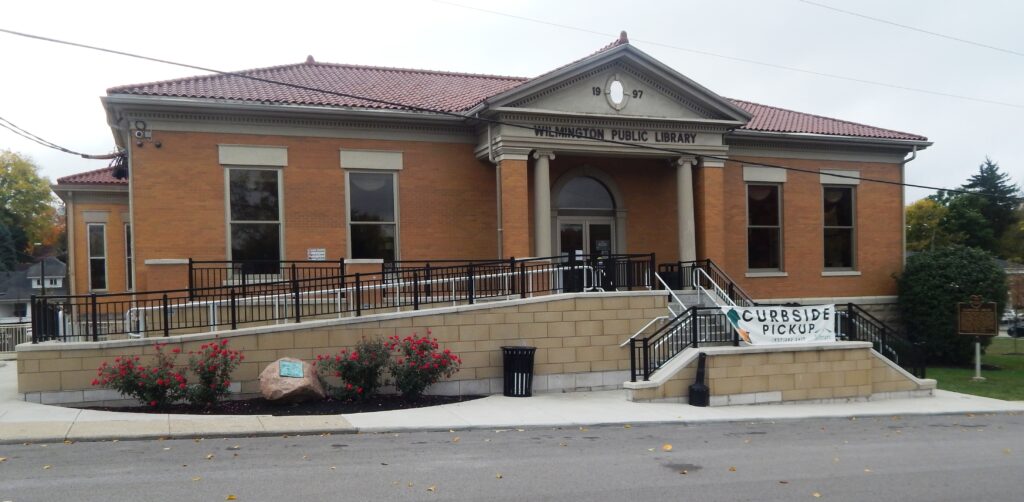
The Wilmington Public Library of Clinton County, one of 111 Carnegie libraries in Ohio, opened its doors to readers on June 30, 1904. A $12,500 gift from steel magnate and philanthropist Andrew Carnegie financed construction of the original 3,360-square-foot building. The community provided the building site, formerly known as Martin Field, and pledged tax funds […]
8-14 The Thunderstorm Project
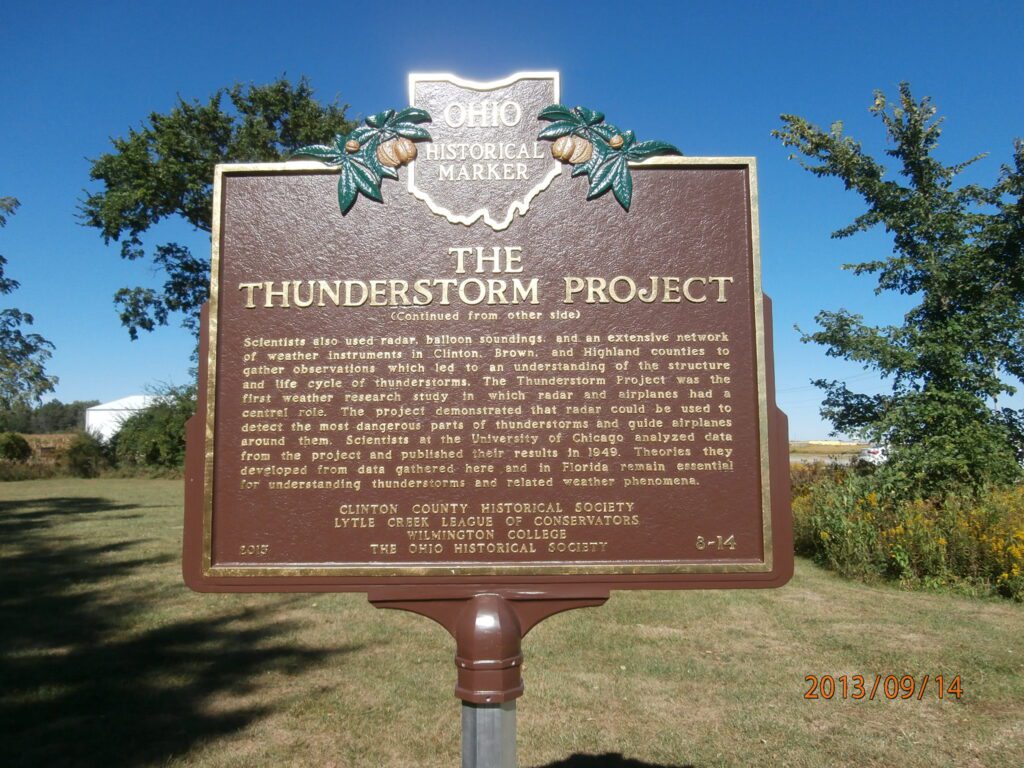
Before and during World War II, the aviation industry was vulnerable to adverse weather conditions, particularly thunderstorms. In 1945, Congress mandated the nation’s first large-scale, scientific study of thunderstorms. The Thunderstorm Project was a cooperative undertaking of the U.S. Weather Bureau, Army Air Force, Navy, and the National Advisory Committee for Aeronautics (predecessor of NASA). […]
7-14 Marble Hall
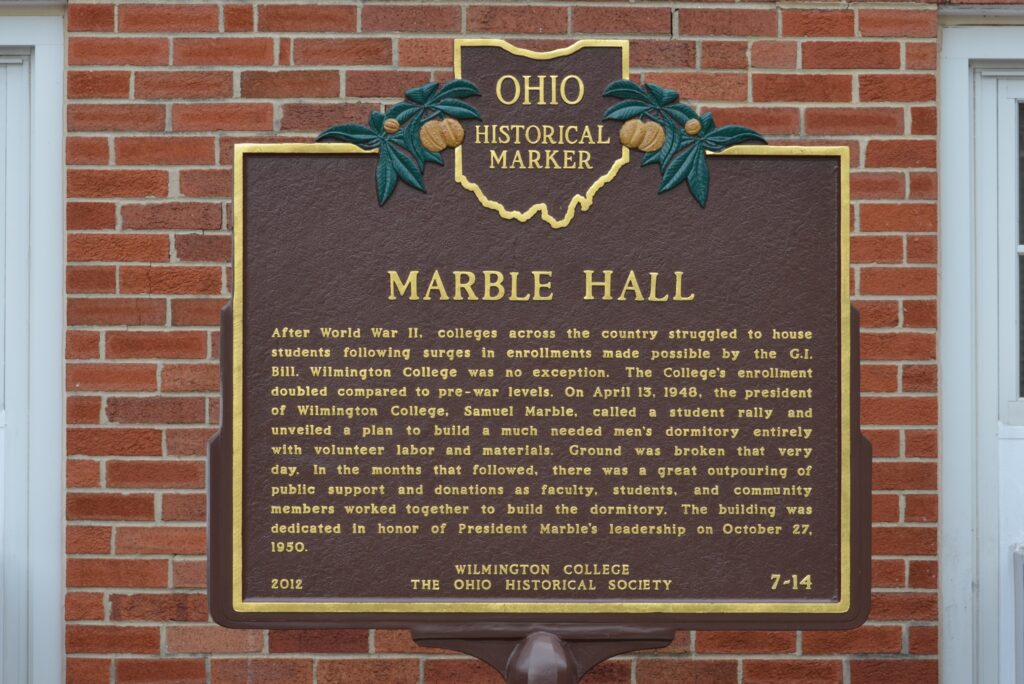
After World War II, colleges across the country struggled to house students following surges in enrollments made possible by the G.I. Bill. Wilmington College was no exception. The College’s enrollment doubled compared to pre-war levels. On April 13, 1948, the president of Wilmington College, Samuel Marble, called a student rally and unveiled a plan to […]
6-14 Indian Trails of Clinton County
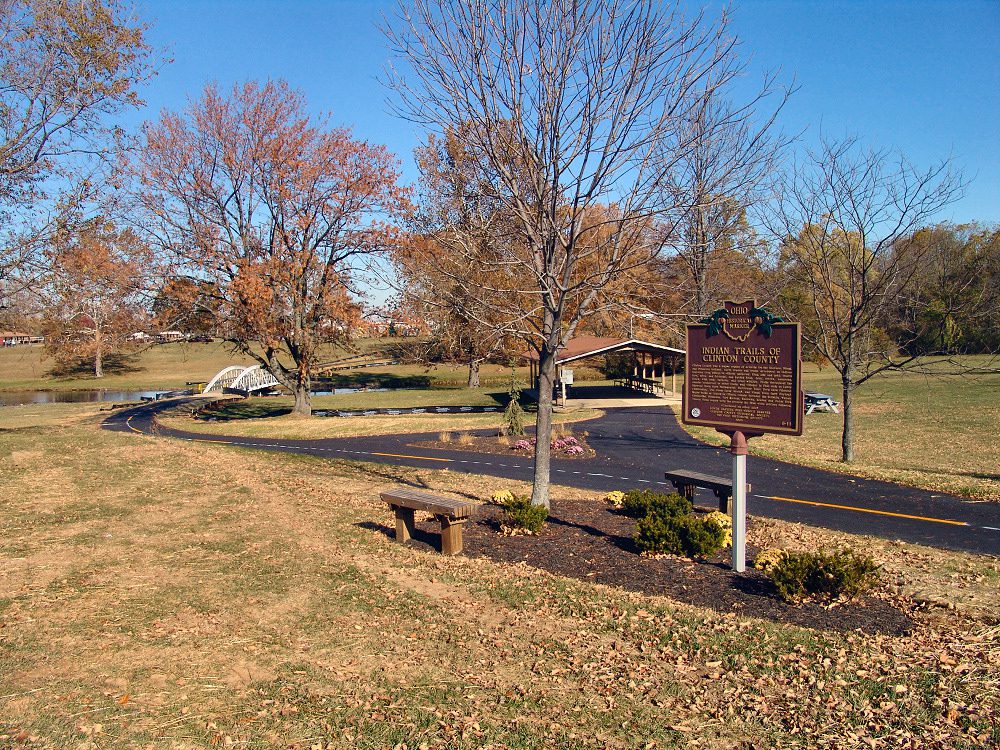
Clinton County was a major center of activity for the Shawnee, Miami, and Delaware Indians. Early traces and trails developed as Indians traveled from village to village; gathered flint, salt and gold; traded furs, mica, and feldspar; and hunted bear, deer, otters, raccoons, foxes, wild cats, turkeys, and other wildlife. Trails throughout the county connected […]
5-14 Wilmington College
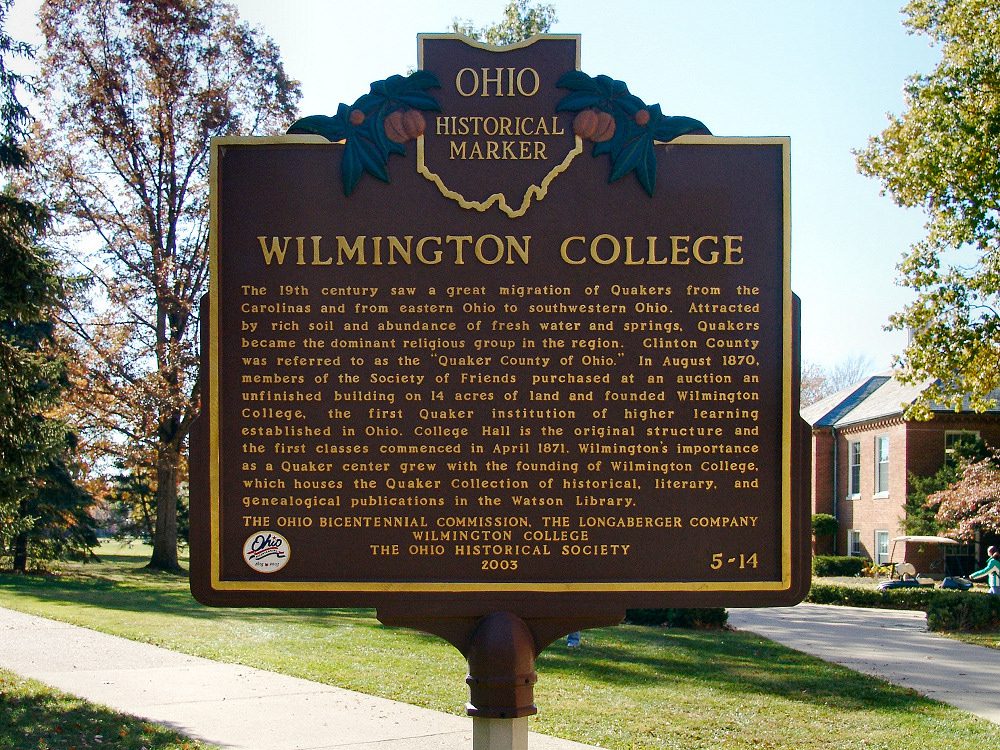
The 19th century saw a great migration of Quakers from the Carolinas and from eastern Ohio to southwestern Ohio. Attracted by rich soil and abundance of fresh water and springs, Quakers became the dominant religious group in the region. Clinton County was referred to as the “Quaker County of Ohio.” In August 1870, members of […]
4-14 Beam Farm Mound
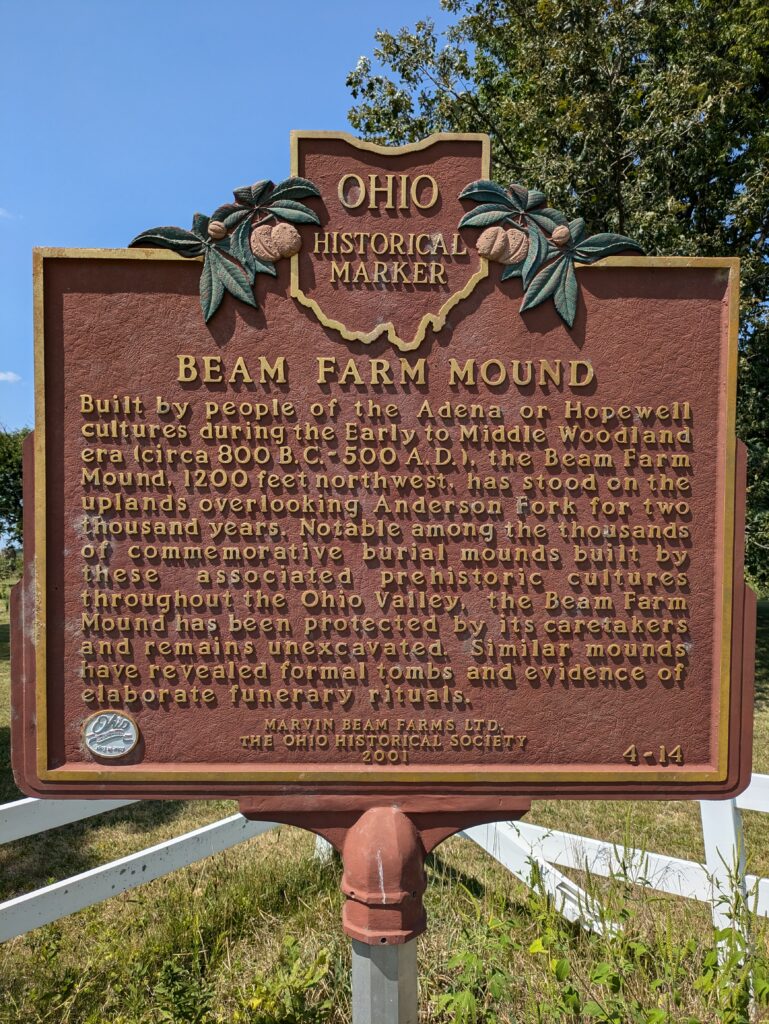
Built by people of the Adena or Hopewell cultures during the Early to Middle Woodland era (circa 800 B.C – 500 A.D), the Beam Farm Mound, 1200 feet northwest, has stood on the uplands overlooking Anderson Fork for two thousand years. Notable among the thousands of commemorative burial mounds built by these associated prehistoric cultures […]
3-14 Gilbert Van Zandt

Port William is the birthplace of Gilbert Van Zandt, quite possibly the youngest enlistee in the Union Army during the Civil War. Born on December 20, 1851, “Little Gib” joined the ranks of Company D, 79th Ohio Volunteer Infantry at the age of ten years, seven months, and sixteen days. Barely four feet tall, Van […]
2-14 Garrison Corner Community
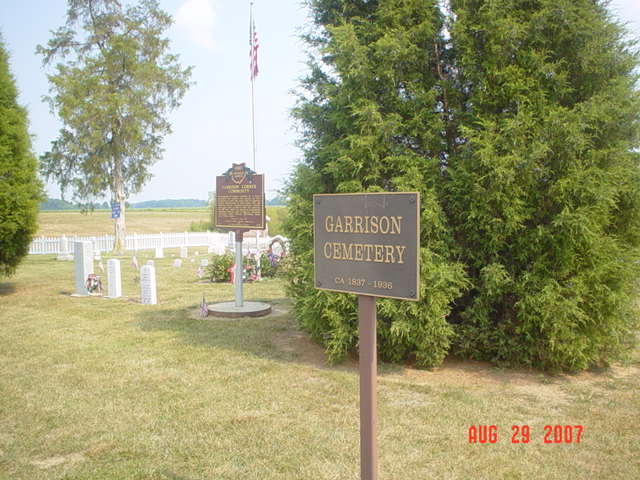
Descendants of Lemuel Garrison Sr., a Revolutionary War soldier, were among the first Europeans to own and settle land at Garrison Corner (intersection of State Route 123 and Shawnee Trace) . Garrison Cemetery burials took place from ca. 1837 to 1936. The cemetery has 327 lots. Eighty-six burials are documented including veterans John J. Garrsion, […]