 Skip to content

68-25 St. Paul African Methodist Episcopal Church
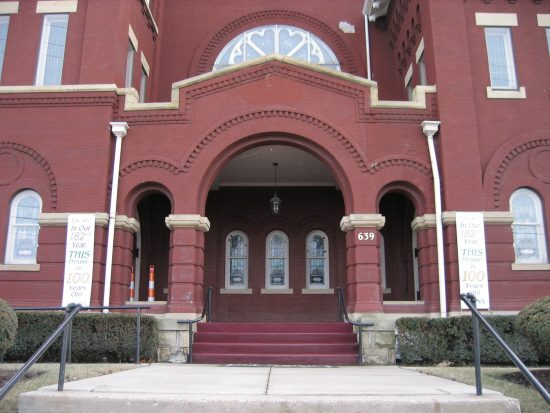
Organized in 1823 as Bethel African Methodist Episcopal Church, St. Paul A.M.E. Church is the oldest congregation of African descent in Columbus. The church, founded by Moses Freeman and 13 other members from the Town Street Church, was originally located on the east side of Lazelle Street. Several buildings were erected to meet the needs […]
67-25 Jack Kidwell
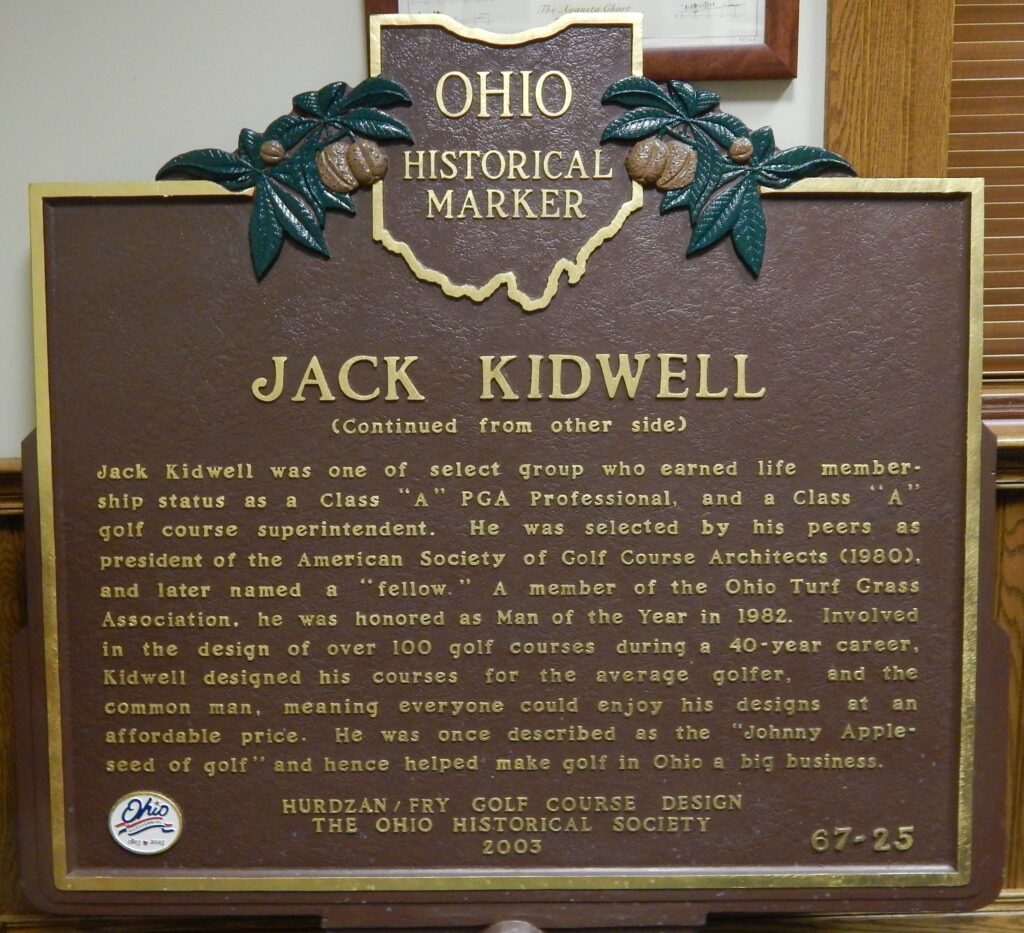
Born on September 21, 1918, golf course architect Jack Kidwell attended Columbus Central High School where he became the Ohio School State Golf Champion in 1937. Kidwell was the owner and operator of Beacon Light Golf Course from 1937-1971. He was inducted into both the Southern Ohio PGA Hall of Fame and the Ohio Golf […]
66-25 Otterbein College
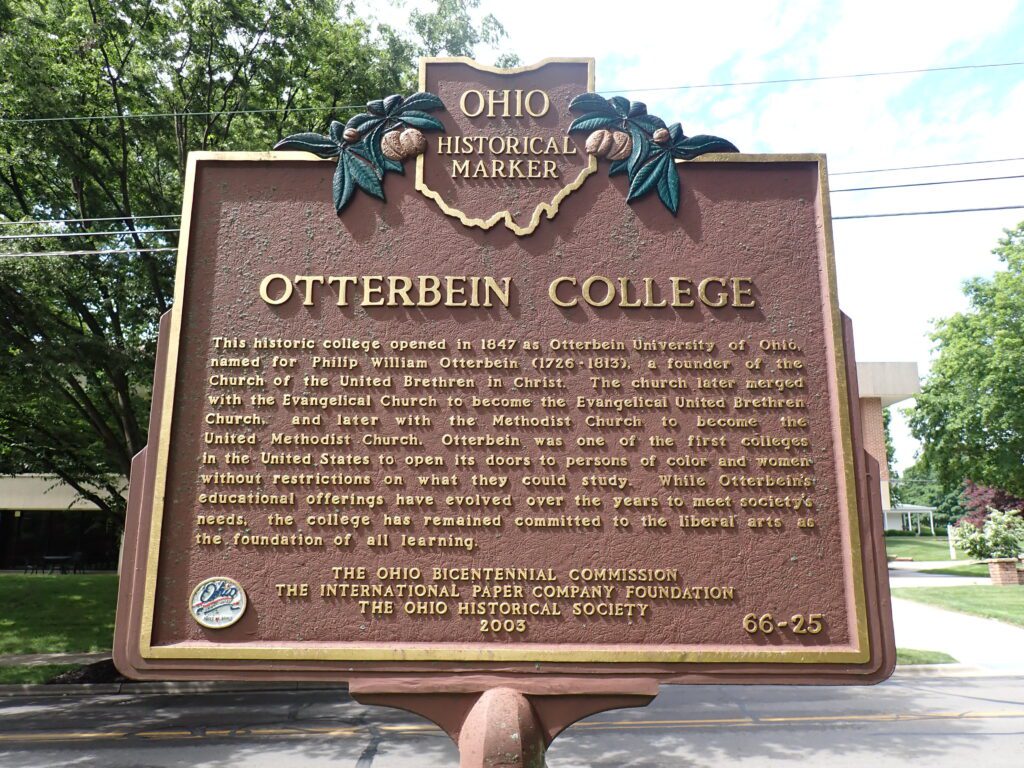
This historic college opened in 1847 as Otterbein University of Ohio, named for Philip William Otterbein (1726-1813), a founder of the Church of the United Brethren in Christ. The church later merged with the Evangelical Church to become the Evangelical United Brethren Church, and later with the Methodist Church to become the United Methodist Church. […]
65-25 Xerography
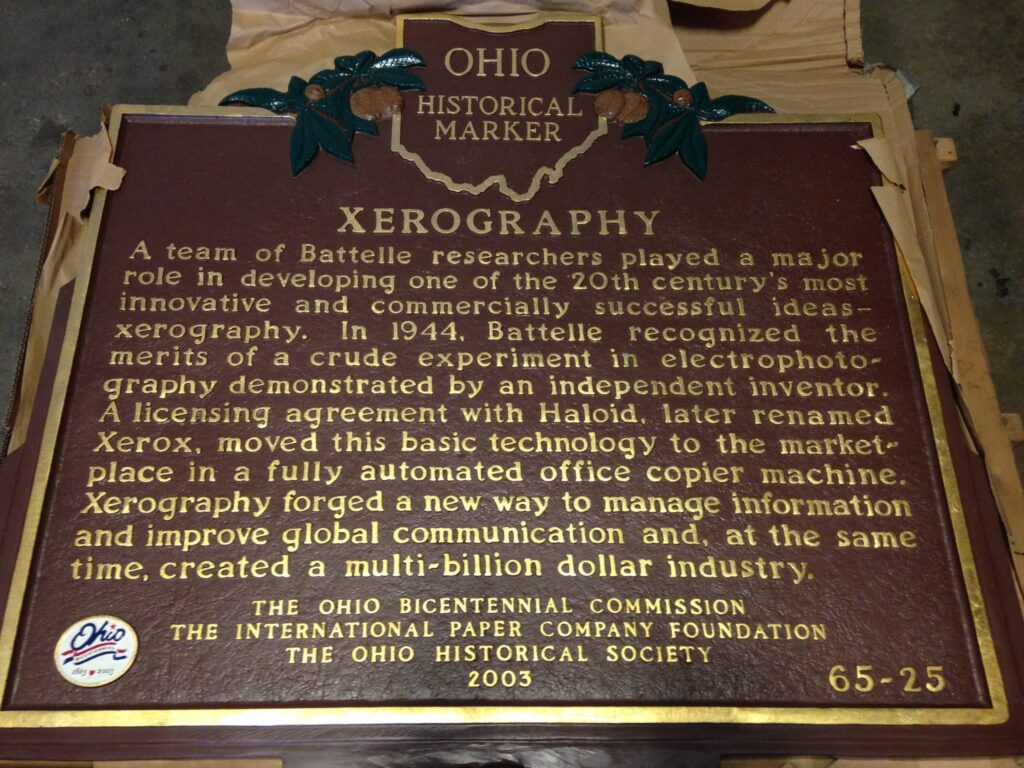
A team of Battelle researchers played a major role in developing one of the 20th century’s most innovative and commercially successful ideas–xerography. In 1944, Battelle recognized the merits of a crude experiment in electrophotography demonstrated by an independent inventor. A licensing agreement with Haloid, later renamed Xerox, moved this basic technology to the marketplace in […]
64-25 Jack Kidwell (1918-2001)
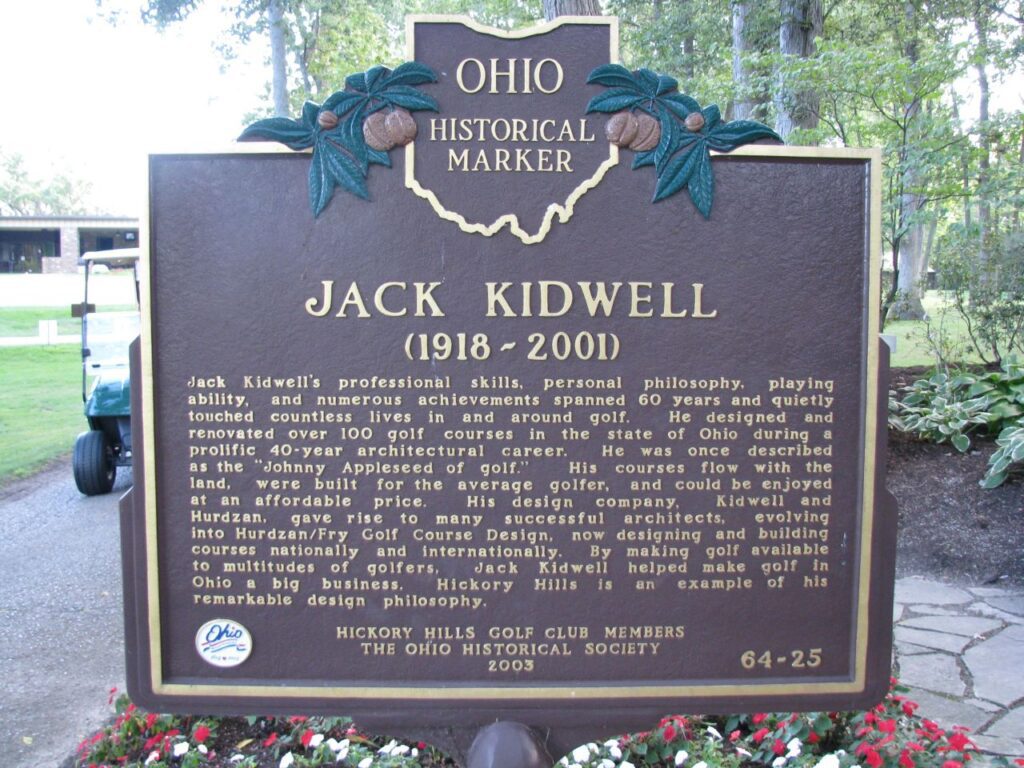
Self-educated golfer Jack Kidwell grew up in central Ohio. From 1937 until 1971, he owned and operated the Beacon Light Golf Course, where he started as a caddie. In 1943, he married Geraldine “Jerry” Kidwell, his wife of 57 years, and had four daughters, Sally, Shirley, Kathy, and Jody. Kidwell became a Class “A” golf […]
63-25 Johann Christian Heyl
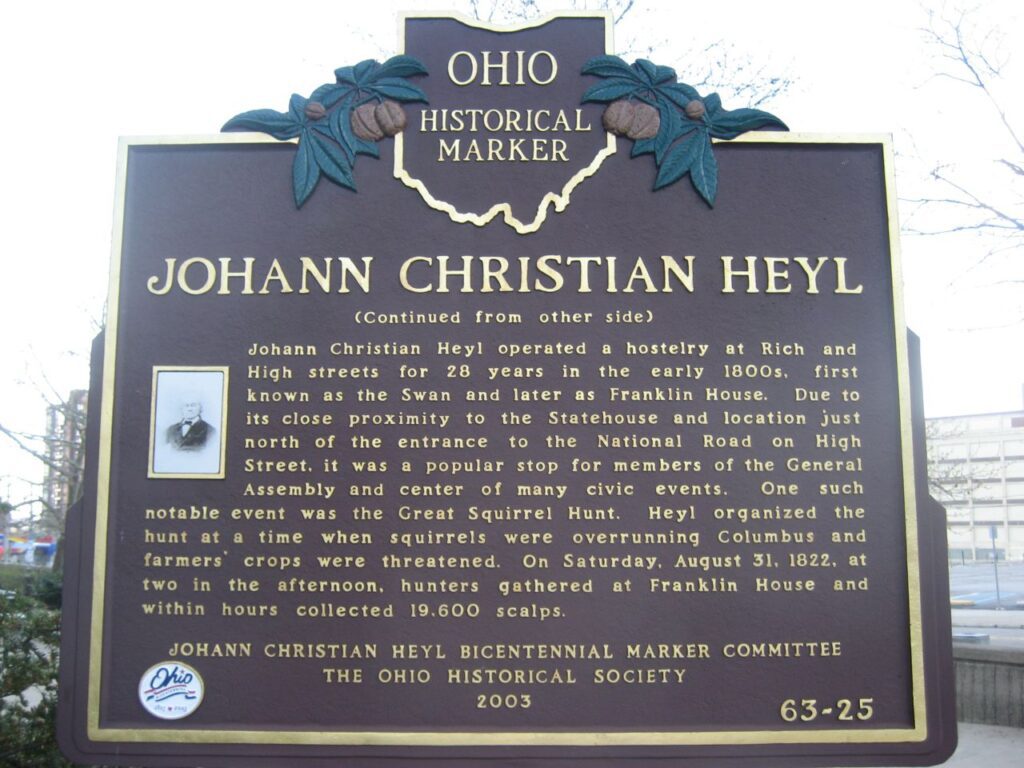
Johann Christian Heyl (1788-1877), the first German and first Lutheran to settle in Columbus, was one of the original 15 settlers of the city. A baker by trade, Heyl came to bake for the soldiers quartered in Franklinton during the War of 1812. He founded the city’s first Lutheran Church and helped financially underwrite the […]
62-25 Founders of New Albany
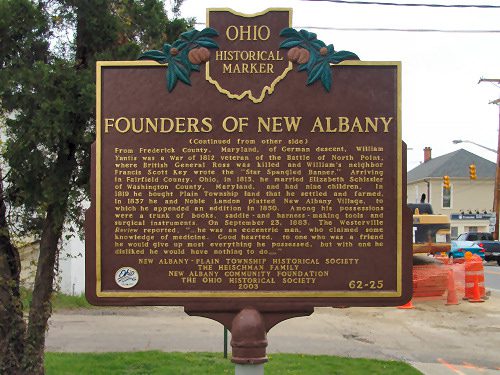
A tavern and inn, for which Noble Landon (1783-1866) obtained a liquor license in 1835, formerly occupied the southeast corner of High and Main streets. In 1837 Landon and William Yantis laid out the town of New Albany in 50-by-100-foot lots, with Landon’s lots lying on the east side and Yantis’ on the west side […]
61-25 Disposal of Land in Plain Township

Because three distinct survey methods were used to survey Plain Township lands and are still meaningful, the township can be thought of as a surveyor’s museum. The township came into existence by a 1796 act of Congress in which the federal government established a Military District of Ohio to satisfy the claims of Revolutionary War […]
60-25 Ohio State School for the Blind
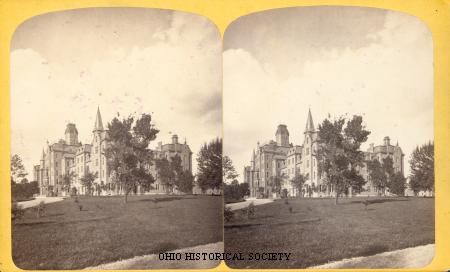
In 1835, Dr. William Awl of Columbus and Dr. Daniel Drake of Cincinnati presented recommendations to the Ohio General Assembly to establish a school for the blind. Legislation, signed by then governor of Ohio Duncan McArthur on April 3, 1837, provided funding to create the first state-supported residential school for the blind in the United […]
59-25 Livingston House
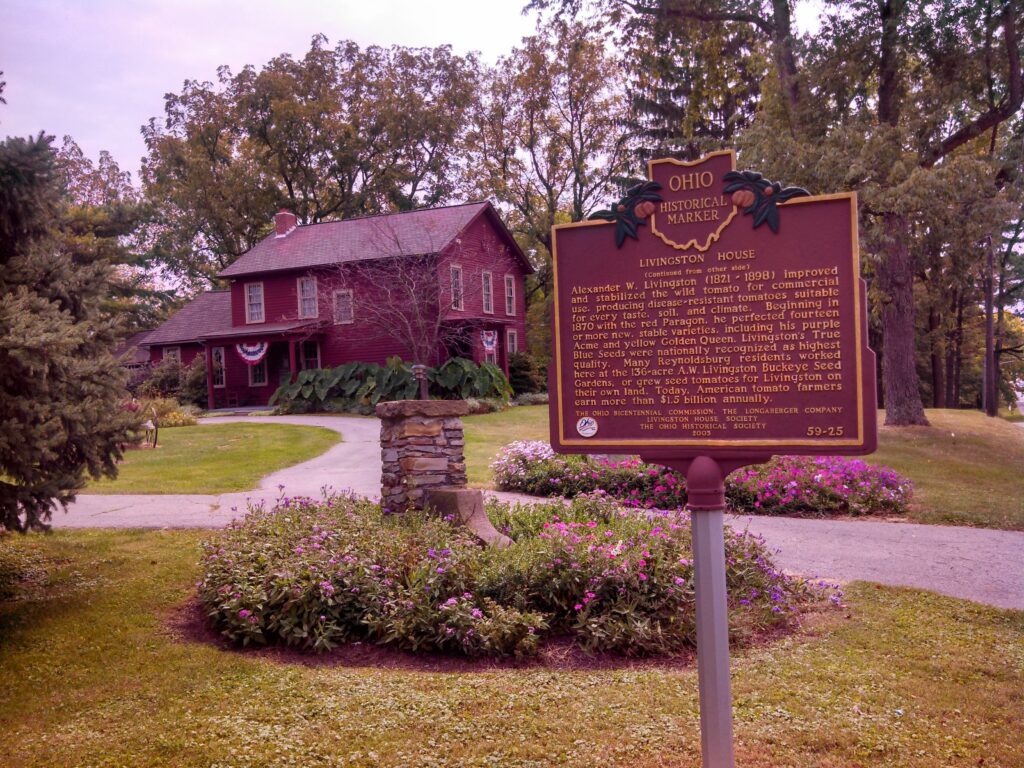
The Livingston House was the home of Alexander Livingston (1821-1898). In 1864-1865, Nathan Orcutt, cabinetmaker, built Livingston’s house with slate roof, clapboard siding, ash floors, twenty-one windows and four doors, central fireplace, seven bedrooms, two kitchens, pantry, parlor, and living room. Outbuildings included a milk house and a long work shed. Blue freestone for the […]