 Skip to content

101-25 The Breathing Association / Carrie Nelson Black (1859-1936)
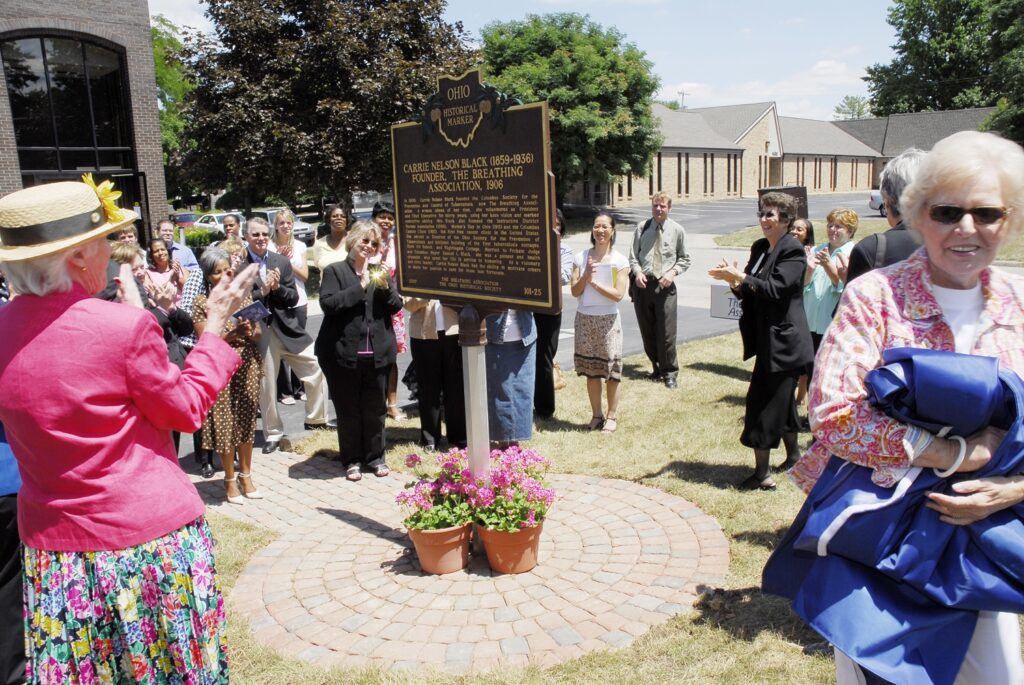
The Breathing Association was founded in 1906 as the Tuberculosis Society under the leadership of public health advocate Carrie Nelson Black. The society provided nutrition, medical care, and sanitorium services to people who could not afford proper medical care. A tuberculosis dispensary was operated at 40 South Third Street in Columbus for Ohioans needing consultation […]
100-25 Shiloh Baptist Church
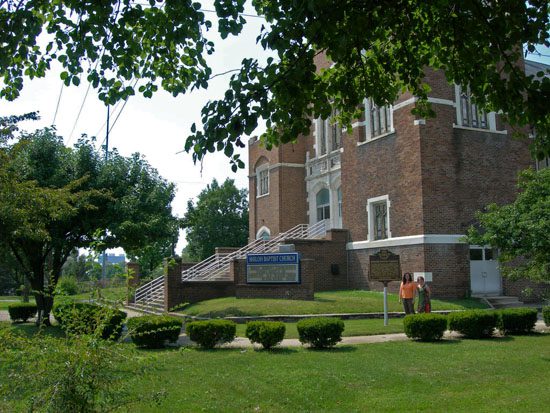
The Shiloh Baptist Church was completed in 1923. Founded in 1869, Shiloh is the third oldest African-American church in Columbus and is a descendent of the Second Baptist Church. The church is located in the Mt. Vernon neighborhood, which is adjacent to the central businesses of Columbus and Interstate 71. The dominant physical presence of […]
99-25 St. Clair Hospital
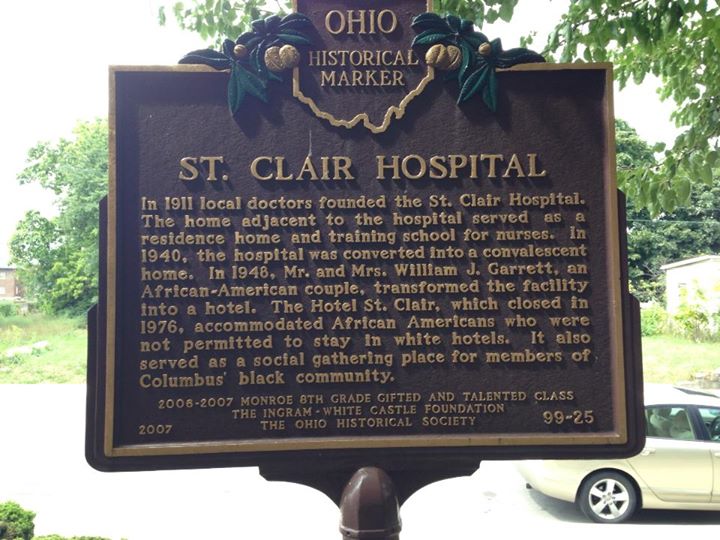
In 1911 local doctors founded the St. Clair Hospital. The home adjacent to the hospital served as a residence home and training school for nurses. In 1940, the hospital was converted into a convalescent home. In 1948, Mr. and Mrs. William J. Garrett, an African-American couple, transformed the facility into a hotel. The Hotel St. […]
98-25 Mount Vernon Community School
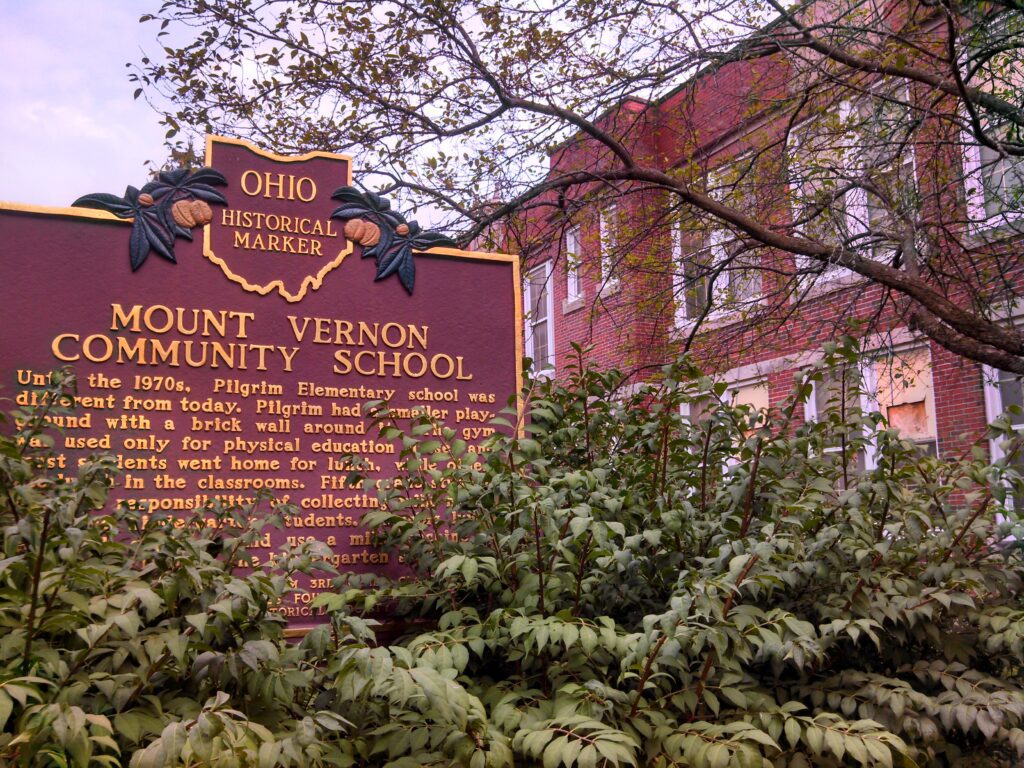
Pilgrim Elementary School, now East Pilgrim, was the community school for the Mount Vernon area and was a focal point for community activities. The Parent Teacher Association was active with members of the community and the school was used as a meeting place. The 1977 Ohio Supreme Court case of Penick v. The Columbus School […]
97-25 Columbus Main Library / Judge Noah Swayne Home

The first tax supported free public library in Columbus was formed in 1873 and housed in City Hall. In 1901, City Librarian John Pugh petitioned Andrew Carnegie for funding and was granted $200,000. In 1903, the Swayne home was razed and construction began. The library opened to the public on April 4, 1907. The library’s […]
96-25 Ohio and Erie Canal Lock 22
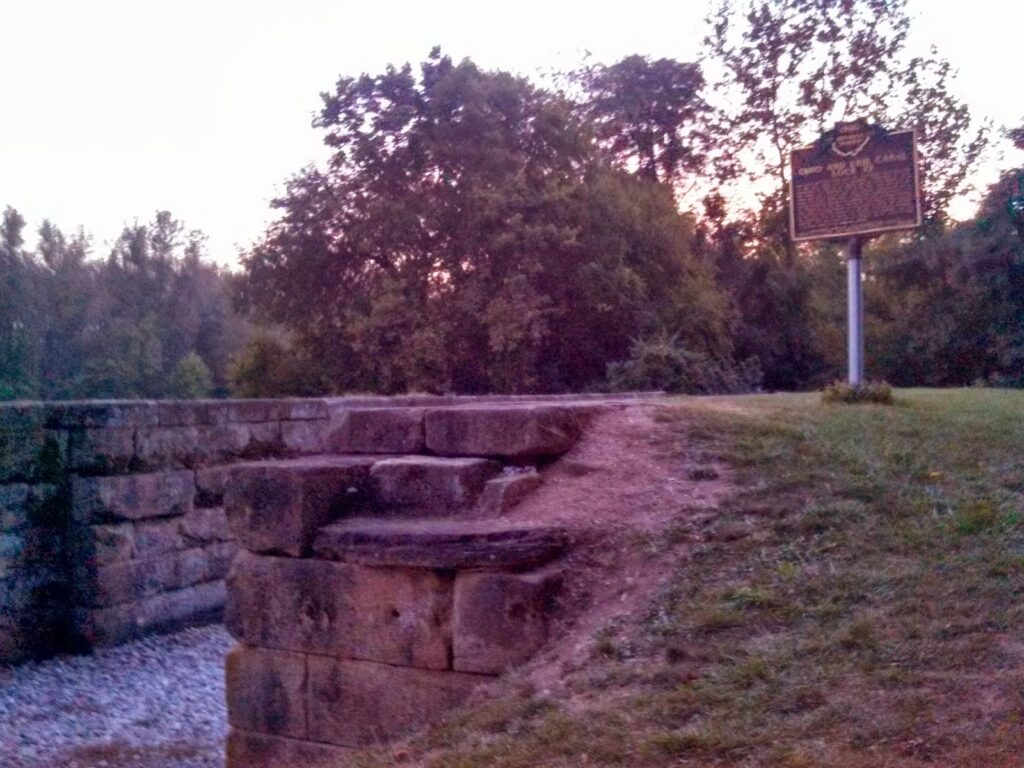
The Ohio and Erie Canal Lock 22, constructed from 1830-1831, is the only canal lock in Groveport. Constructed by W.H. Richardson as part of his $2,937 bid to build section 52 of the canal, the sandstone lock is 117 feet long and ten feet deep and has a sixteen foot wide channel. Its purpose was […]
95-25 The Charity Newsies
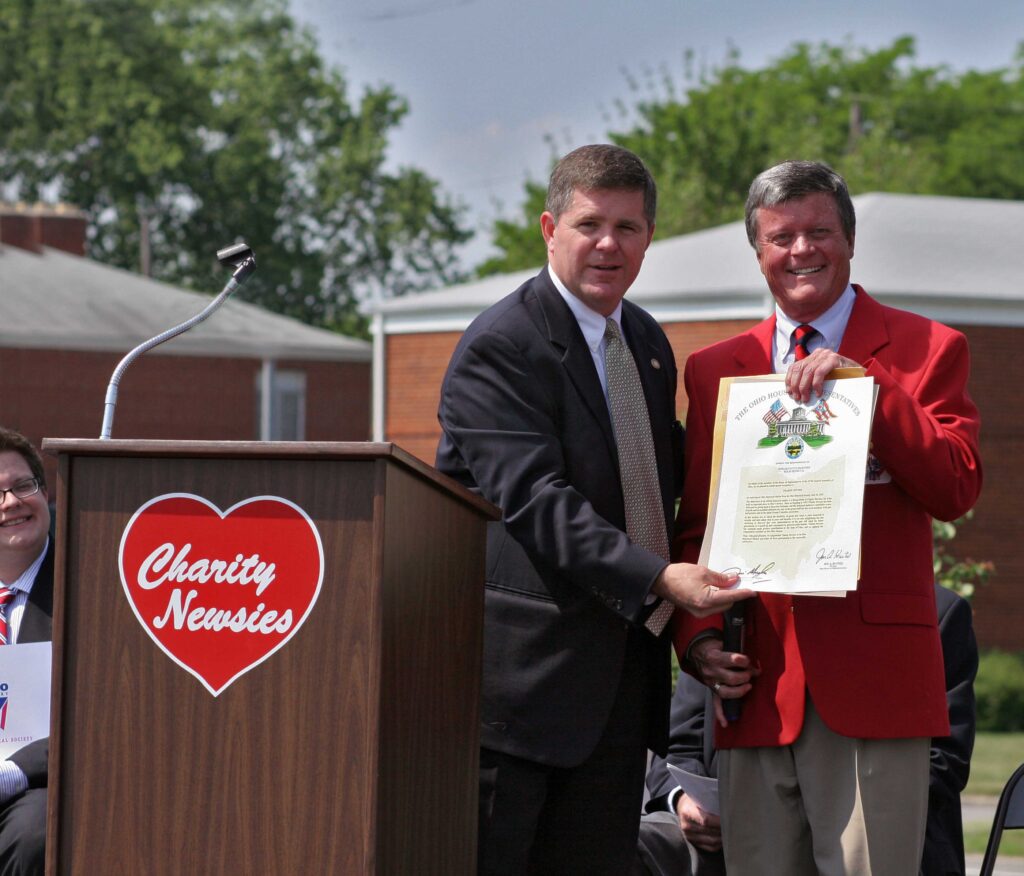
The founding of the philanthropic organization Charity Newsies stems from a cold, blustery day in December 1907, when a small newspaper boy stood on the corner of Broad and High streets. Inside the nearby Billy’s Chophouse, entertainers George Baker and Harry Shunk talked to C.C. Philbrick, publisher of the new Ohio Sun Newspaper about the […]
94-25 Original Port Columbus Airport Terminal, 1929-1958
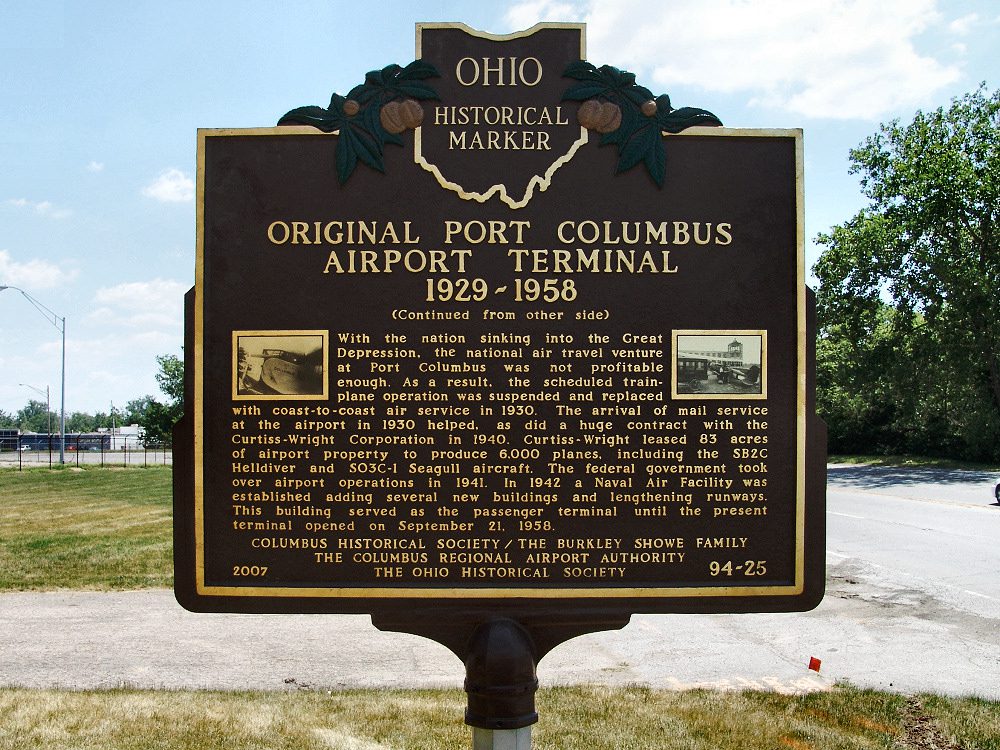
The original Port Columbus Airport terminal was founded by the people of Columbus and was one of the first airport facilities in the United States. Dedicated on July 8, 1929, Port Columbus was the first transfer point in the westbound transcontinental passenger service, which was operated by the Pennsylvania Railroad, Transcontinental Air Transport (TAT), and […]
93-25 The Breathing Association
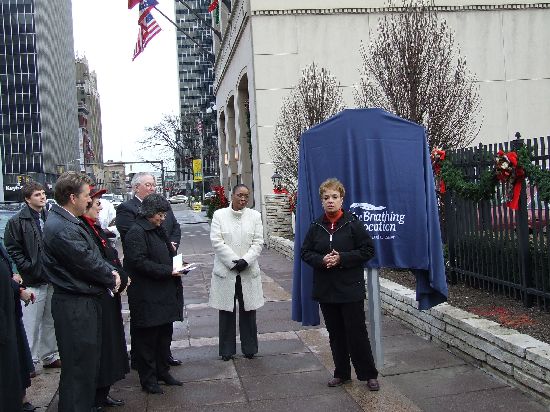
The Breathing Association was founded in 1906 as the Tuberculosis Society under the leadership of public health advocate Carrie Nelson Black. The society provided nutrition, medical care, and sanitorium services to people who could not afford proper medical care. A tuberculosis dispensary was operated at 40 South Third Street in Columbus for Ohioans needing consultation […]
92-25 Site of First Ohio State Home Football Game / The Ohio State University Football Team 1890

In the fall, life for many in Columbus revolves around Ohio State University football, from the first kickoff in September to the last play in November. O.S.U.’s first home game took place at 2:30 P.M. on November 1, 1890. The Ohio State University played the University of Wooster on this site, which was then called […]