 Skip to content

4-40 John Wesley Powell (1834-1902) / Morgan’s Raid in Jackson, 1863
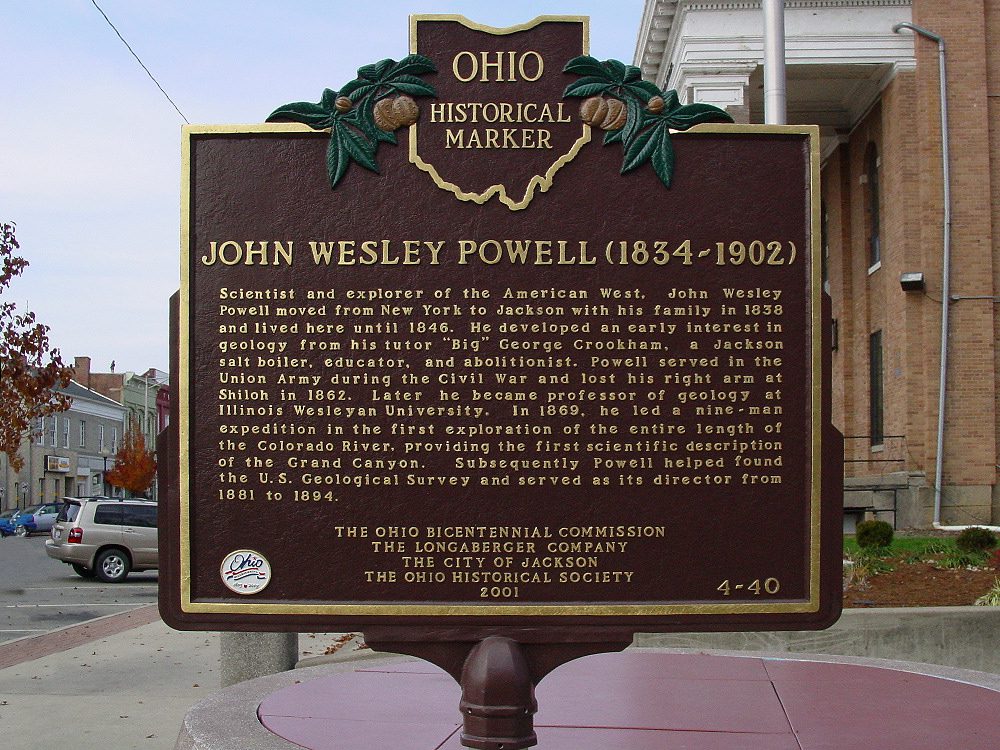
Scientist and explorer of the American West, John Wesley Powell moved from New York to Jackson with his family in 1838 and lived here until 1846. He developed an early interest in geology from his tutor “Big” George Crookham, a Jackson salt boiler, educator, and abolitionist. Powell served in the Union Army during the Civil […]
2-40 Trails / The Kanawha Trail
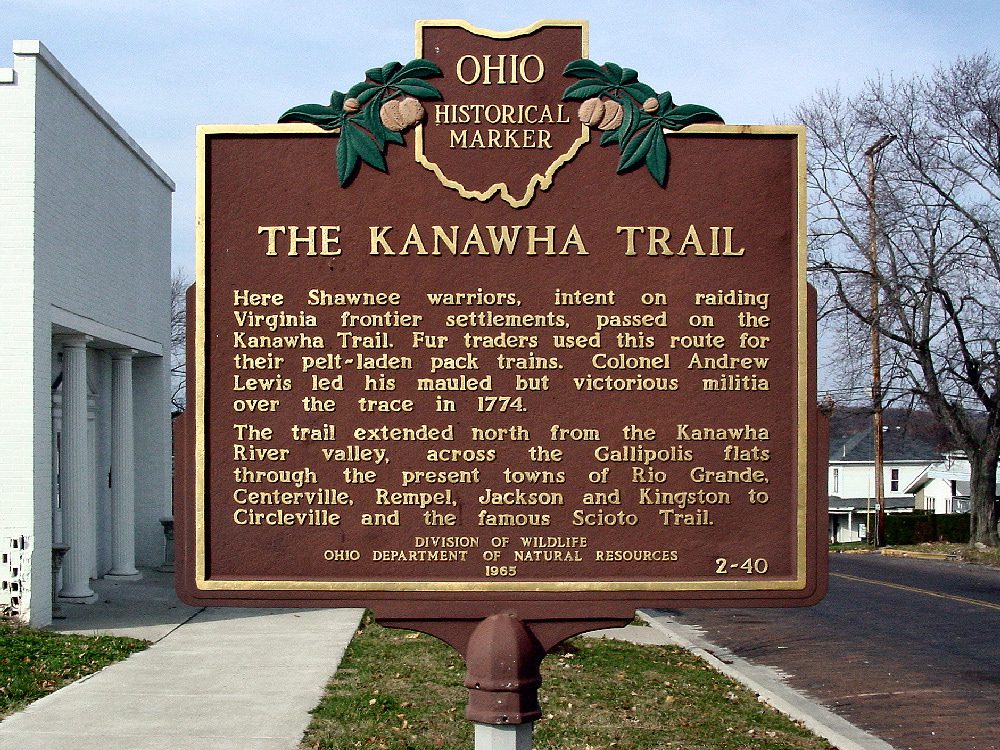
Plunging herds of buffalo seeking salt licks and grazing lands wore trails through the Ohio Country when it was an Indian no-man’s land. Later, Indians found the same trails suitable for their needs. The tawny paths were highways as well as highest ways. Indians found ridges and summits superior to valleys for trails because they […]
1-40 Buckeye Furnace

One of 69 charcoal iron furnaces in the famous Hanging Rock Iron Region. Extending more than 100 miles, from Logan, Ohio, to Mt. Savage, Kentucky, this area contained all materials necessary to produce high grade iron. The industry flourished for over fifty years in the mid-nineteenth century, during which time the area was one of […]
7-39 Historic New Haven / Residents of Early New Haven, Ohio
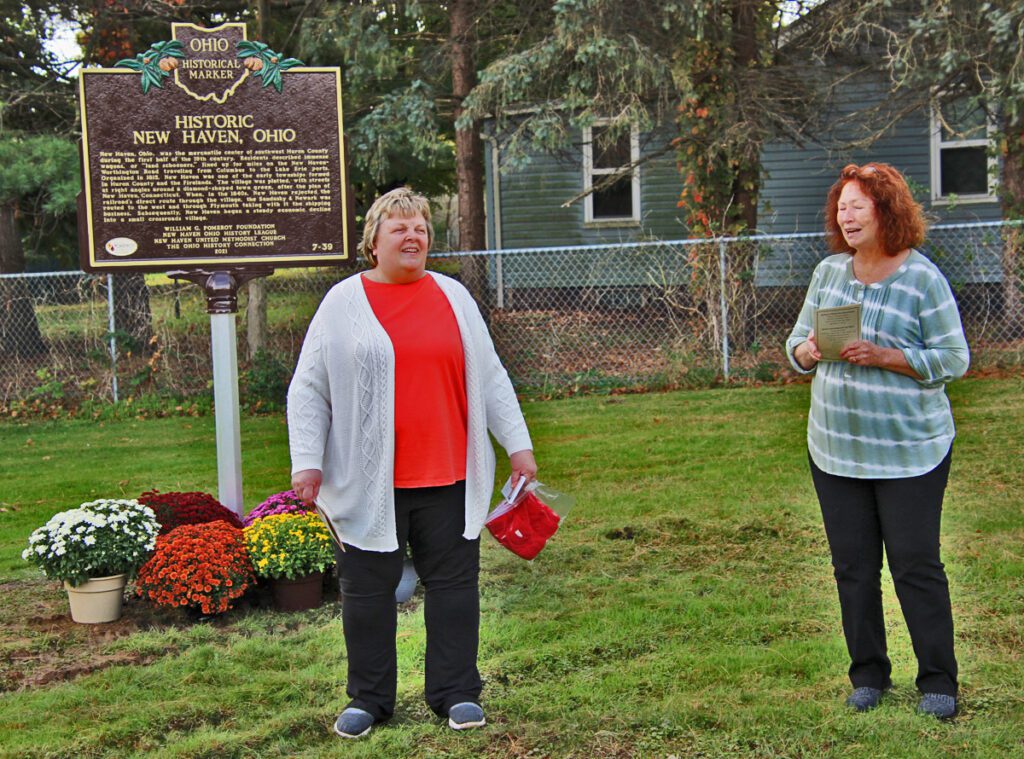
New Haven, Ohio, was the mercantile center of southwest Huron County during the first half of the 19th century. Residents described immense wagons, or “land schooners,” lined up for miles on the New Haven-Worthington Road traveling from Columbus to the Lake Erie ports. Organized in 1815, New Haven was one of the early townships formed […]
6-39 The Tremont House
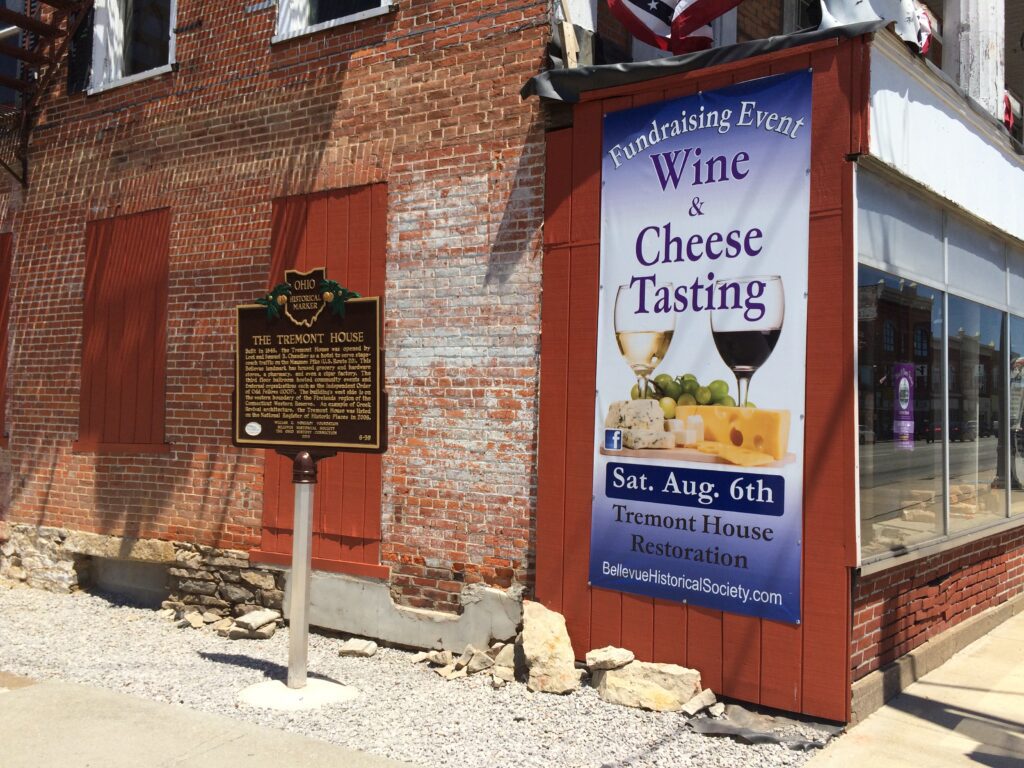
Built in 1846, the Tremont House was opened by Loel and Samuel B. Chandler to serve stagecoach traffic on the Maumee Pike (U.S. Route 20). Briefly a hotel, this Bellevue landmark has housed grocery and hardware stores, a pharmacy, and even a cigar factory. The third floor ballroom hosted community events and fraternal organizations such […]
19-22 Old Woman Creek – A Feature of Ohio’s Estuaries
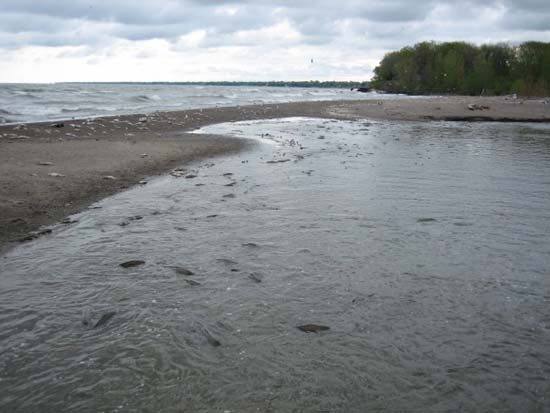
Old Woman Creek is one of the few naturally functioning estuary environments – places where chemically-distinct bodies of water meet and mix – left in the western basin of Lake Erie. This ecosystem features diverse habitats of marshlands, sand beaches, and upland forests, supporting plants and animals unique to natural coastal communities. Nearly 300 bird […]
5-39 Henry Morrison Flagler (1830-1913)
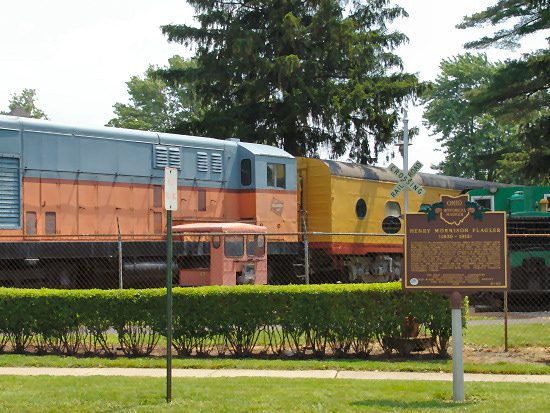
A founder of the Standard Oil Company, Henry Morrison Flagler spent his formative years in Bellevue and began his business career here in 1844, building his home near this site in 1858. He first became associated with John D. Rockefeller as a fellow grain merchant. The two later formed the Standard Oil Company in 1870 […]
4-39 Early Catholic Missionary Settlement
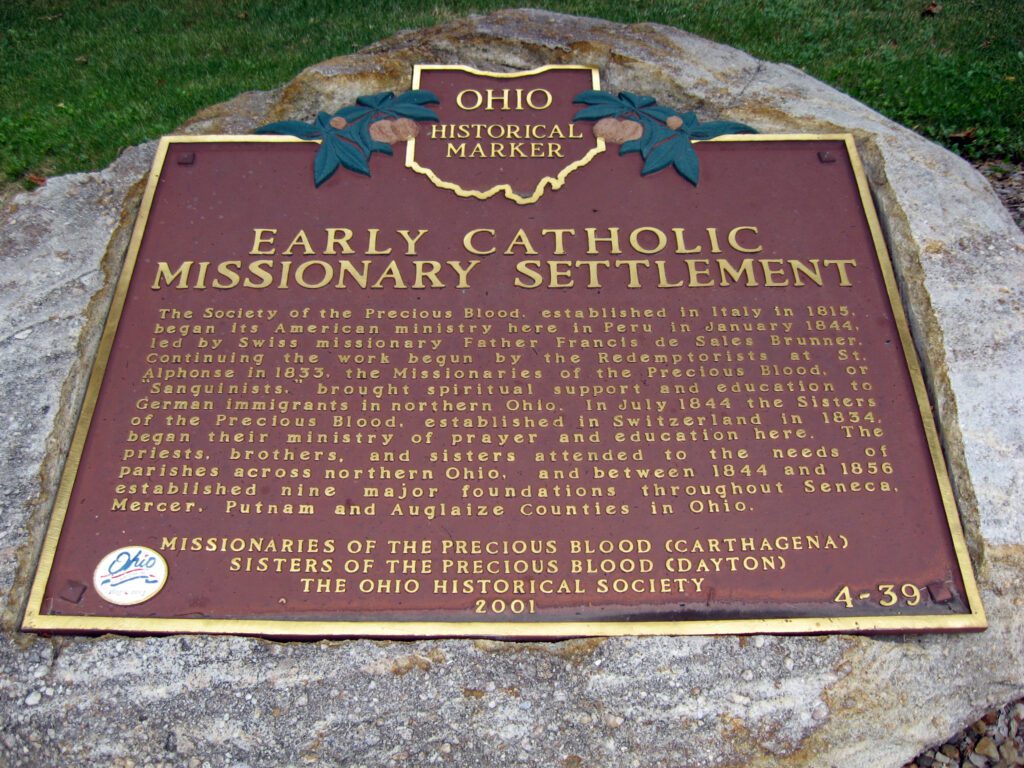
The Society of the Precious Blood, established in Italy in 1815, began its American ministry here in Peru in January 1844, led by Swiss missionary Father Francis de Sales Brunner. Continuing the work begun by the Redemptorists at St. Alphonse in 1833, the Missionaries of the Precious Blood, or “Sanguinists,” brought spiritual support and education […]
3-39 Wakeman Red Cap Field
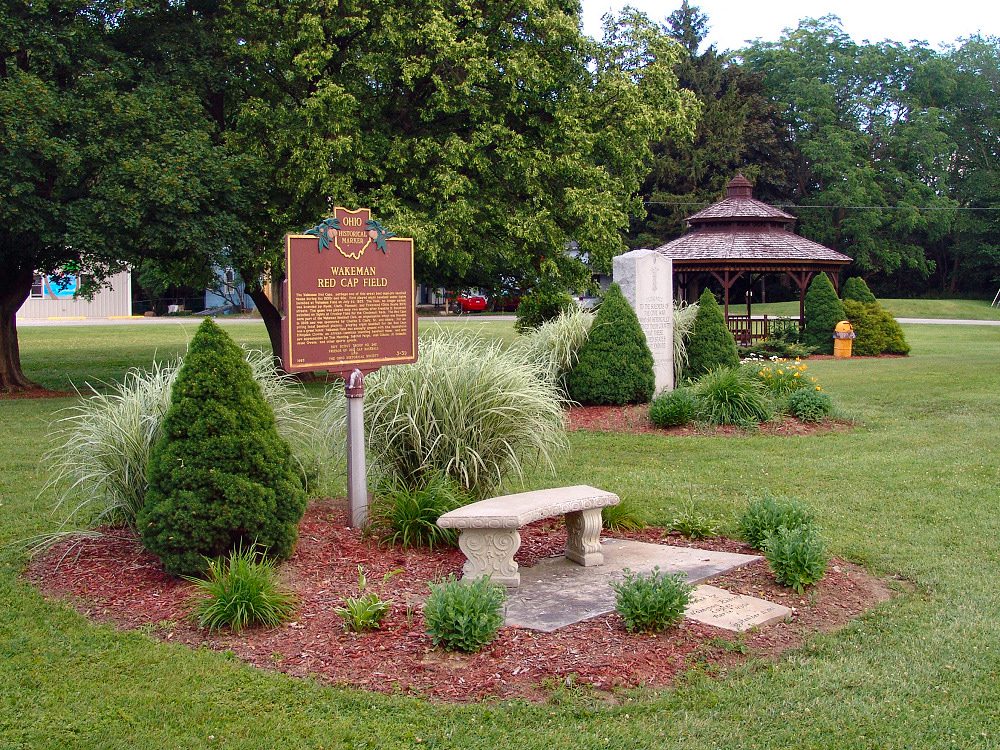
The Wakeman Red Caps, perhaps one of the area’s best semi-pro baseball teams during the 1930s and 40s, first played night baseball under lights installed at Wakeman Field on July 24, 1935. The Field, no longer extant, was bounded by Hyde, Clark, Pleasant, and Townsend (Ohio Route 303) streets. The game was played only two […]
1-39 (B) Norwalk West Main Street Historic District
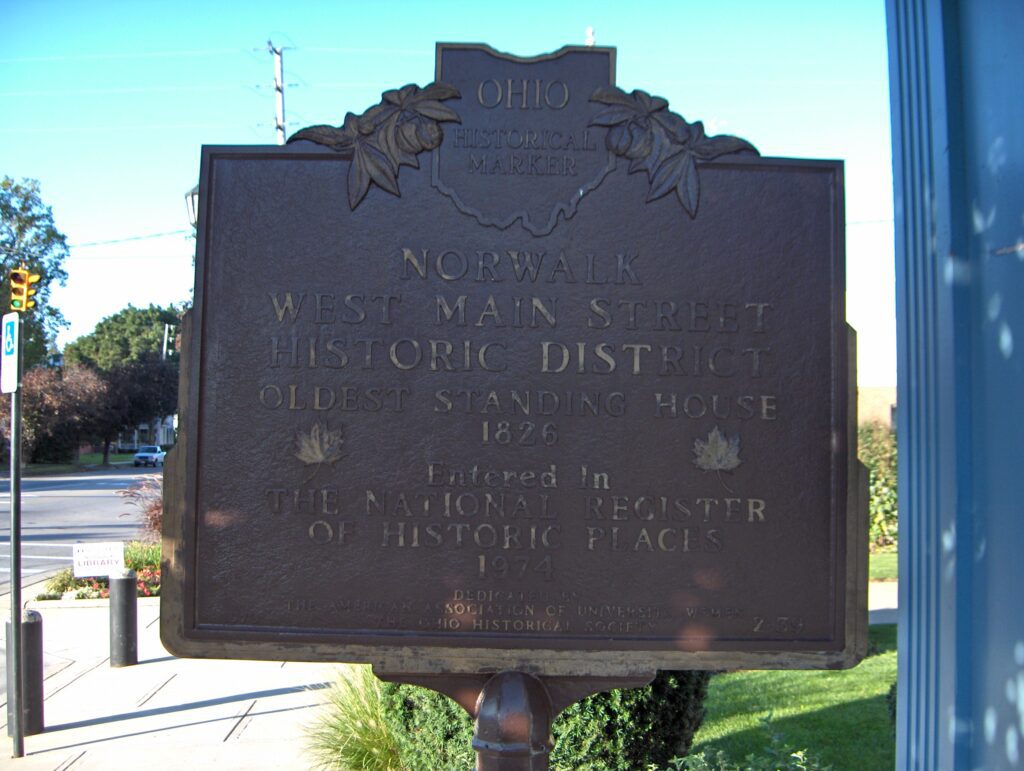
Oldest Standing House 1826. Entered in the National Register of Historical Places 1974.