 Skip to content

2-39 Golden Age Nursing Home Fire / Killed in the Fire
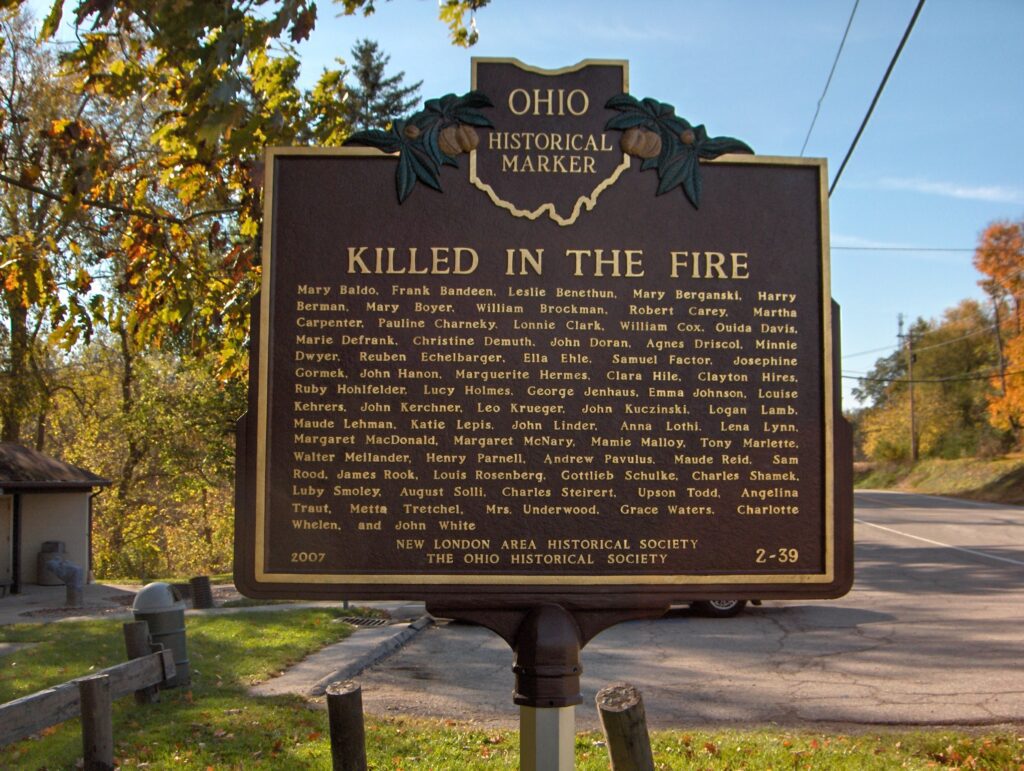
Located one mile north of Fitchville, the Golden Age Nursing Home caught fire and burned to the ground at 4:45 a.m., November 23, 1963, killing 63 of 84 patients. Fire departments from New London, Greenwich, North Fairfield, and Plymouth responded. Ignited by the arcing of overloaded wiring, the incident called for action to require sprinklers, […]
1-39 (A) Norwalk West Main Street Historic District
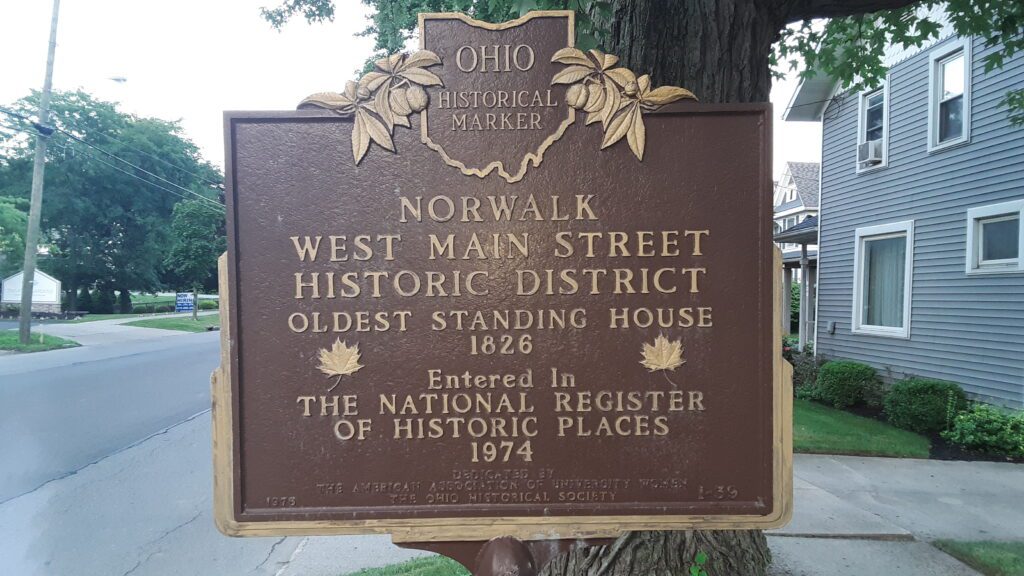
Norwalk West Main Street Historic District. Oldest Standing House 1826. Entered in the National Register of Historic Places 1974.
4-38 Birthplace of William M. McCulloch – Civil Rights Champion
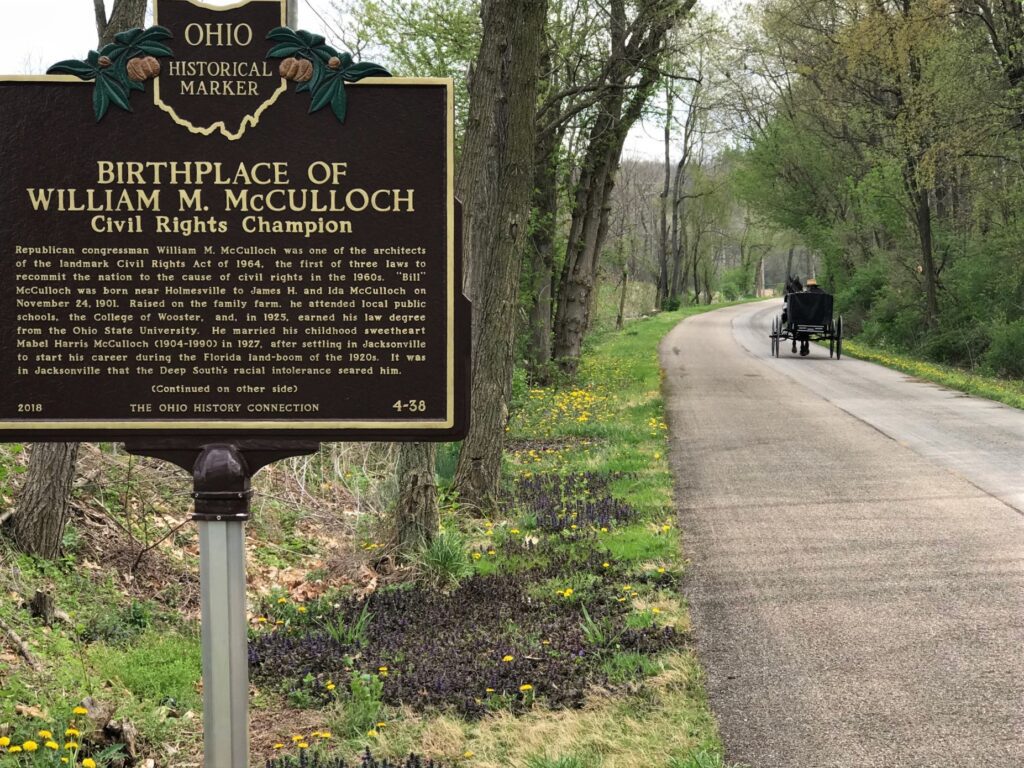
Republican congressman William M. McCulloch was one of the architects of the landmark Civil Rights Act of 1964, the first of three laws to recommit the nation to the cause of civil rights in the 1960s. “Bill” McCulloch was born near Holmesville to James H. and Ida McCulloch on November 24, 1901. Raised on the […]
3-38 Holmes County Draft Riots
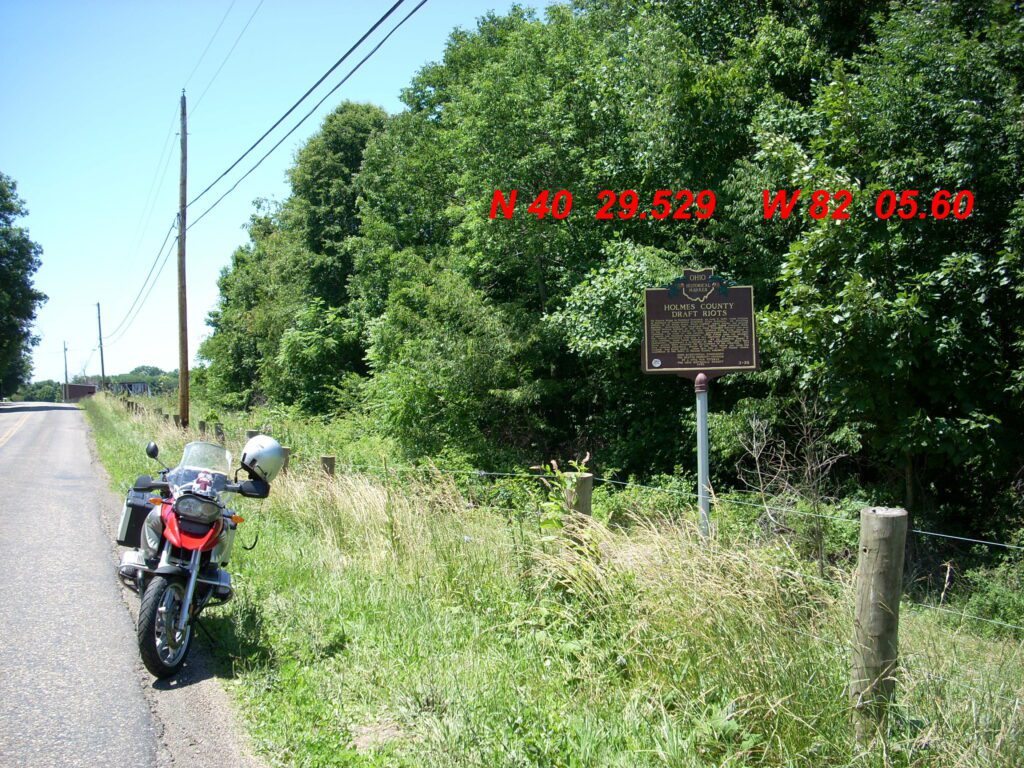
On French Ridge in Richland Township, on June 5, 1863, local citizens in defiance of conscription attacked Elias Robinson, an enrolling officer of the Union Army. When Captain James Drake, the provost marshal, imprisoned the ringleaders, armed locals released them. Colonel William Wallace of the 15th Ohio Volunteer Infantry was sent to the scene with […]
2-38 Calmoutier
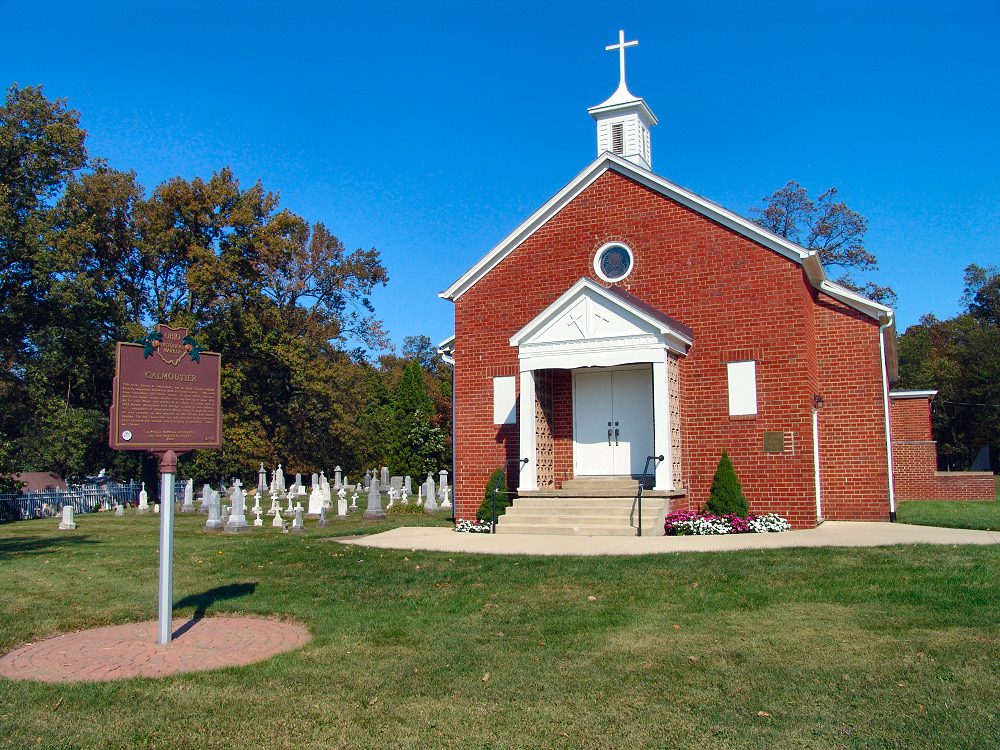
This area, known as Calmoutier, was an early French Catholic farming community founded in 1832 by Claude Druhot, who came from Calmoutier, Hte-Saône, France. Its first native, the four-month-old Claude Joseph Druhot, was baptized on 9 June 1833 by Fr. John Henni, who resided at St. John’s in Canton (and in 1854 became Milwaukee’s first […]
1-38 Jonas Stutzman

Jonas Stutzman, from Somerset County, Pennsylvania, came to this site in 1809 to clear land for farming and to build a log home for his family. He was the first permanent settler in the eastern portion of what would in 1825 become Holmes County. Jonas and his wife Magdalena Gerber Stutzman were of the Amish […]
7-37 Nils Louis Christian Kachelmacher
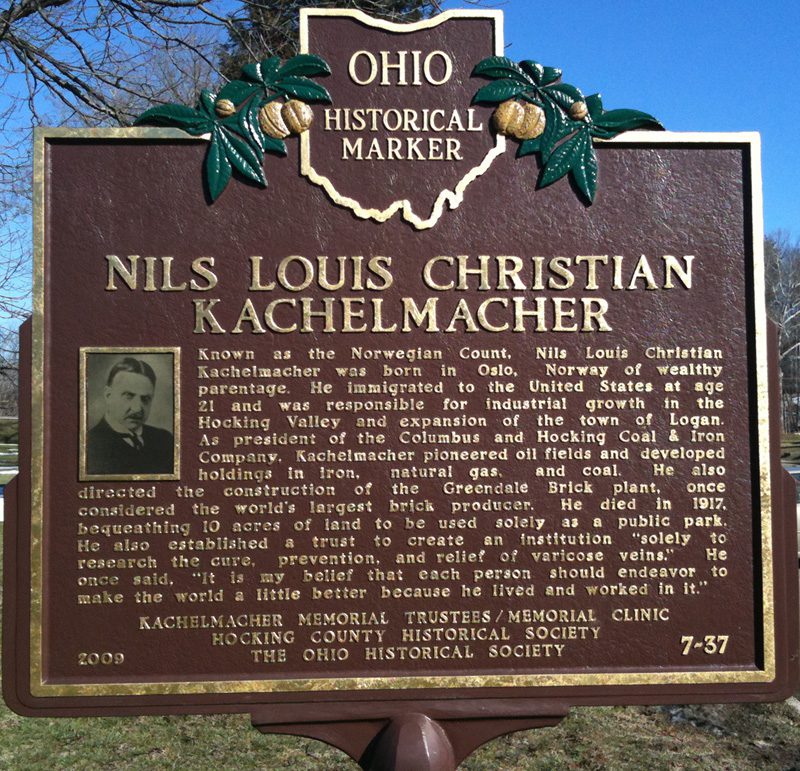
Known as the Norwegian Count, Nils Louis Christian Kachelmacher was born in Oslo, Norway of wealthy parentage. He immigrated to the United States at age 21 and was responsible for industrial growth in the Hocking Valley and expansion of the town of Logan. As president of the Columbus and Hocking Coal & Iron Company, Kachelmacher […]
6-37 Tessa Sweazy Webb-Founder of Ohio Poetry Day
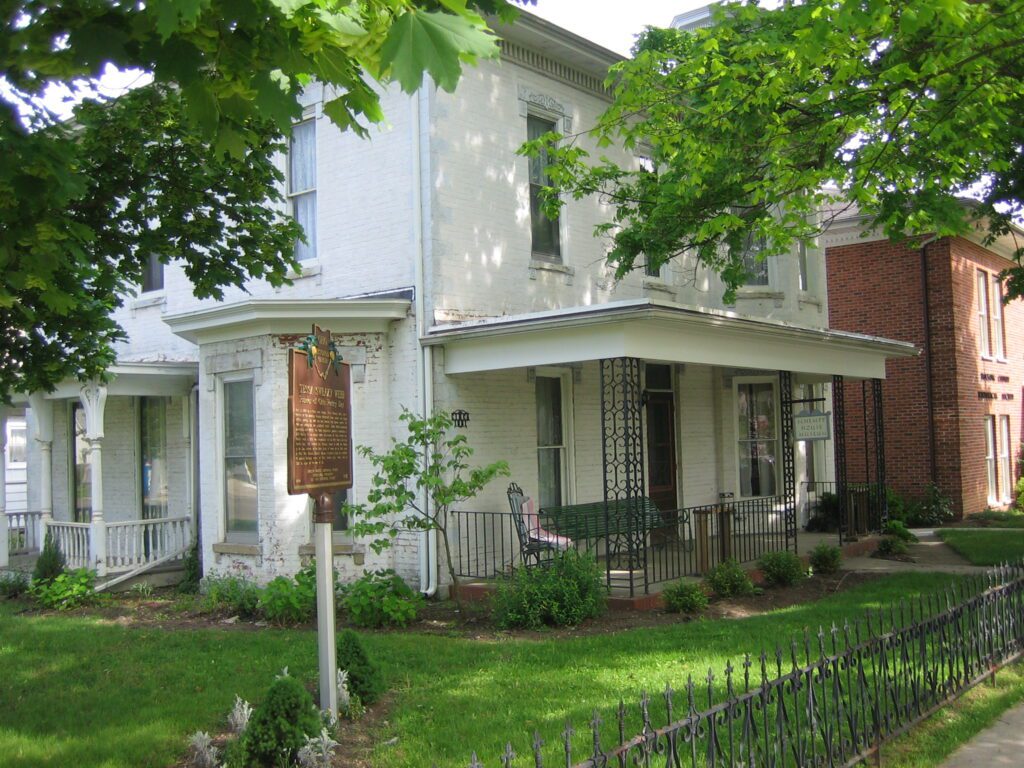
Born in 1886 on a farm near Logan, Tessa Sweazy Webb was a teacher at the Hocking County Children’s Home where she began writing poetry. By 1924 she had become well known across the state and nation for her published works. Under Webb’s successful leadership and effort, the Ohio legislature passed a resolution in 1938 […]
5-37 Old Man’s Cave – A Feature of Ohio’s Geology
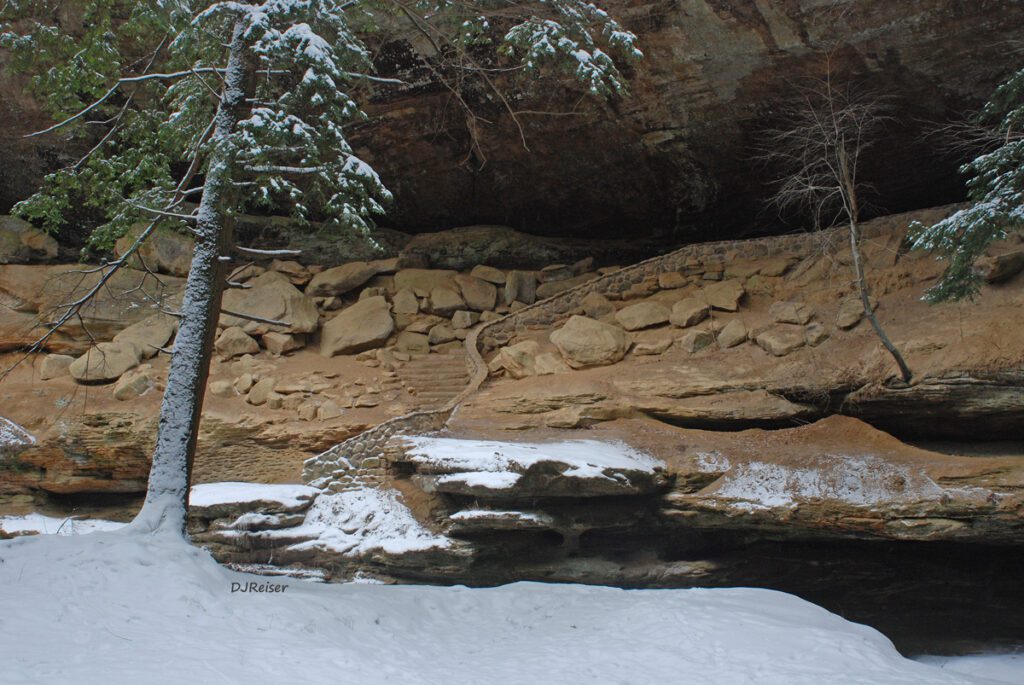
This recess cave was named for the “old man” Richard Rowe, a recluse who made the cave his home in the 1800s and is a part of scenic Hocking Hills State Park. Hocking comes from the Wyandot Indian word “hockinghocking,” referring to the Hocking River’s bottle-shaped gorge near Lancaster. Streams and percolating groundwater carved the […]
4-37 Historic Haydenville / Haydenville Historic District
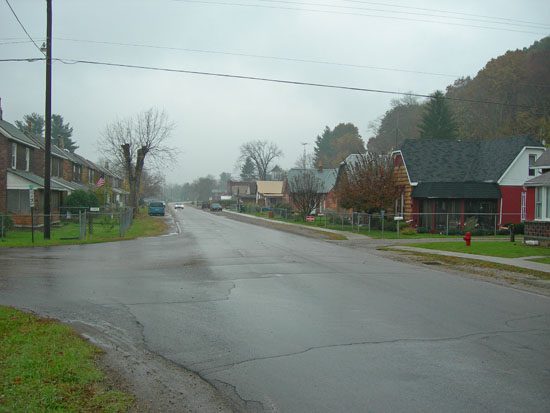
Originally known as Hocking Furnace, Haydenville was founded by and named for Columbus industrialist Peter Hayden (1806-1888), who energetically developed the coal, iron, sandstone, and fire clay deposits found in abundance in this area. Here he operated an iron furnace, coal mines and sandstone quarries, shipping products on the Hocking Canal and, later, the Hocking […]