 Skip to content

5-43 Fairport Harbor Lighthouse
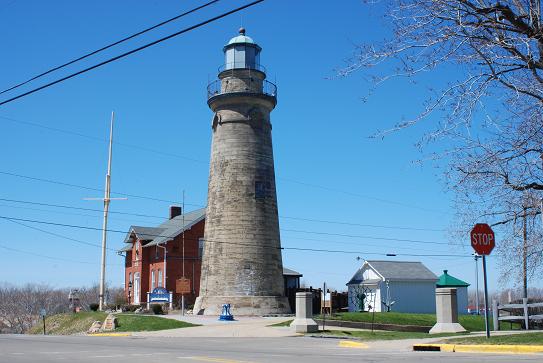
Lighthouse and keeper’s dwelling, erected in 1871 to replace the 1825 structures designed by Jonathan Goldsmith. From the time it guided early settlers into the Western Reserve until it was decommissioned in 1925, this station served Great Lakes shipping for its most important 100 years. The present, well-proportioned tower, constructed of Berea sandstone, is an […]
4-43 Mathews House
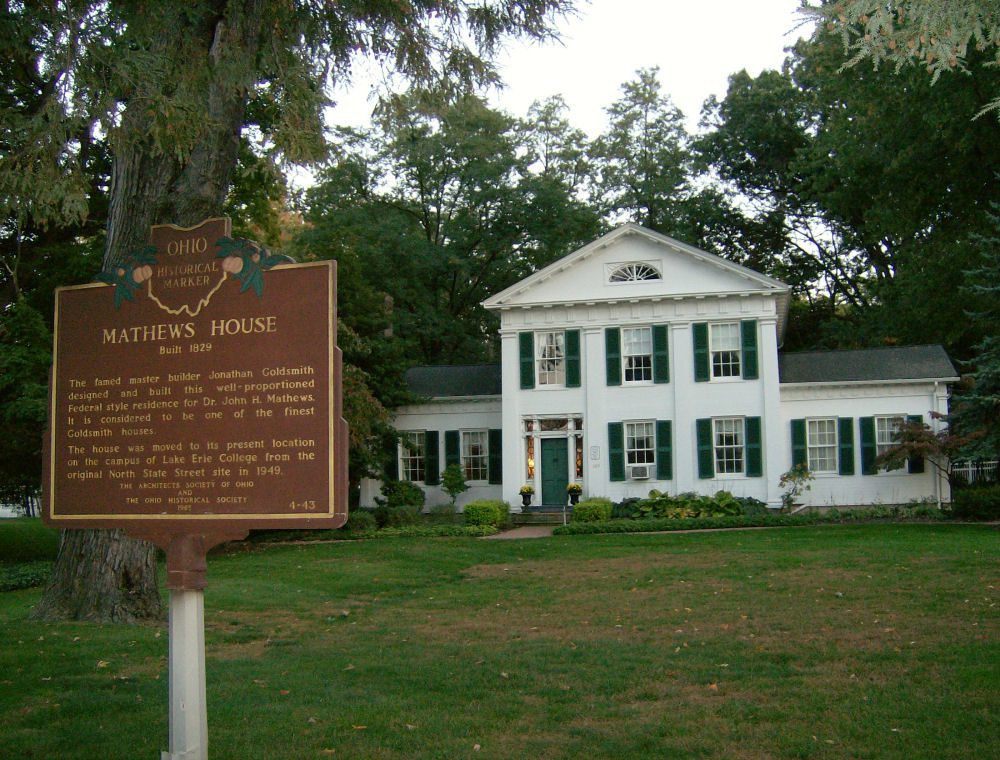
The famed master builder Jonathan Goldsmith designed and built this well-proportioned Federal style residence for Dr. John H. Mathews. It is considered to be one of the finest Goldsmith houses. The house was moved to its present location on the campus of Lake Erie College from the original North State Street site in 1949.
3-43 Kirtland Temple
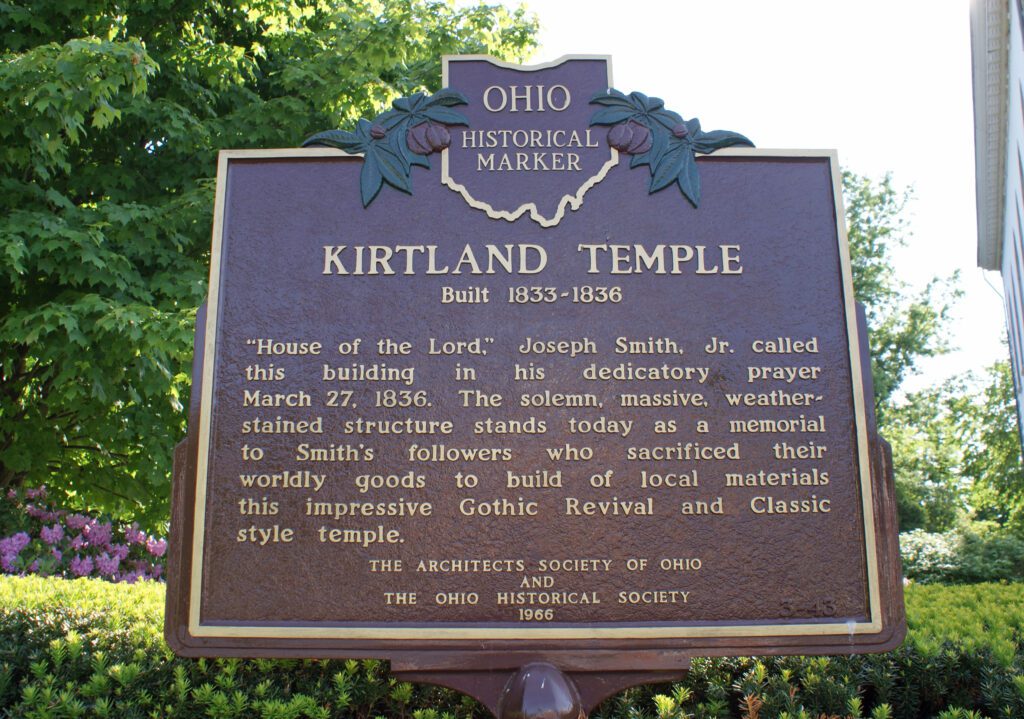
House of the Lord, Joseph Smith Jr. called this building in his dedicatory prayer March 27, 1836. The solemn, massive weather stained structure stands today as a memorial to Smith’s followers who sacrificed their worldly goods to build of local materials this impressive Gothic Revival and Classic style temple.
2-43 James A. Garfield
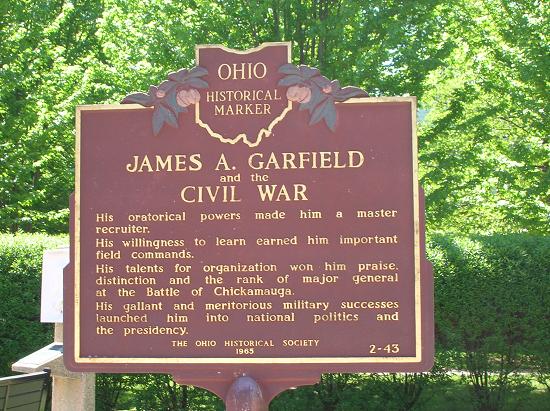
His oratorical powers made him a master recruiter. His willingness to learn earned him important field commands. His talents for organization won him praise, distinction and the rank of major general at the Battle of Chickamauga. His gallant and meritorious military successes launched him into national politics and the presidency.
16-42 Mt. Calvary Baptist Church
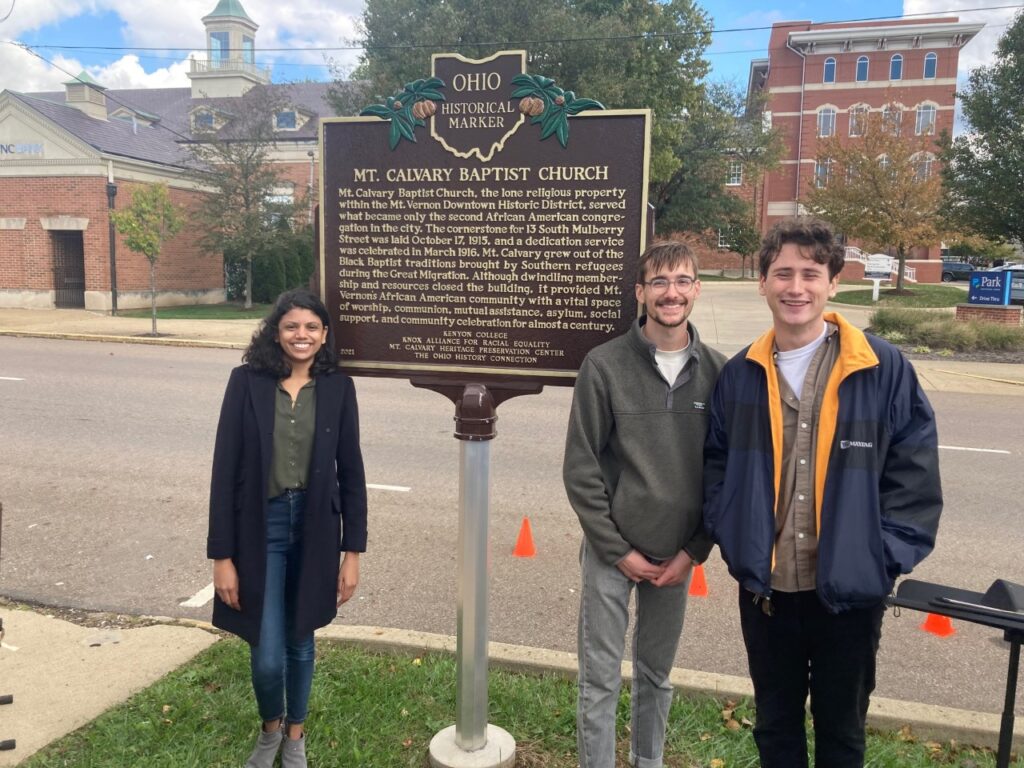
Mt. Calvary Baptist Church, the lone religious property within the Mt. Vernon Downtown Historic District, served what became only the second African American congregation in the city. The cornerstone for 13 South Mulberry Street was laid October 17, 1915, and a dedication service was celebrated in March 1916. Mt. Calvary grew out of the Black […]
15-42 Ellamae Simmons, M.D. (1918-2019) / “The Goal Will Be Met, So Long As We Persevere”
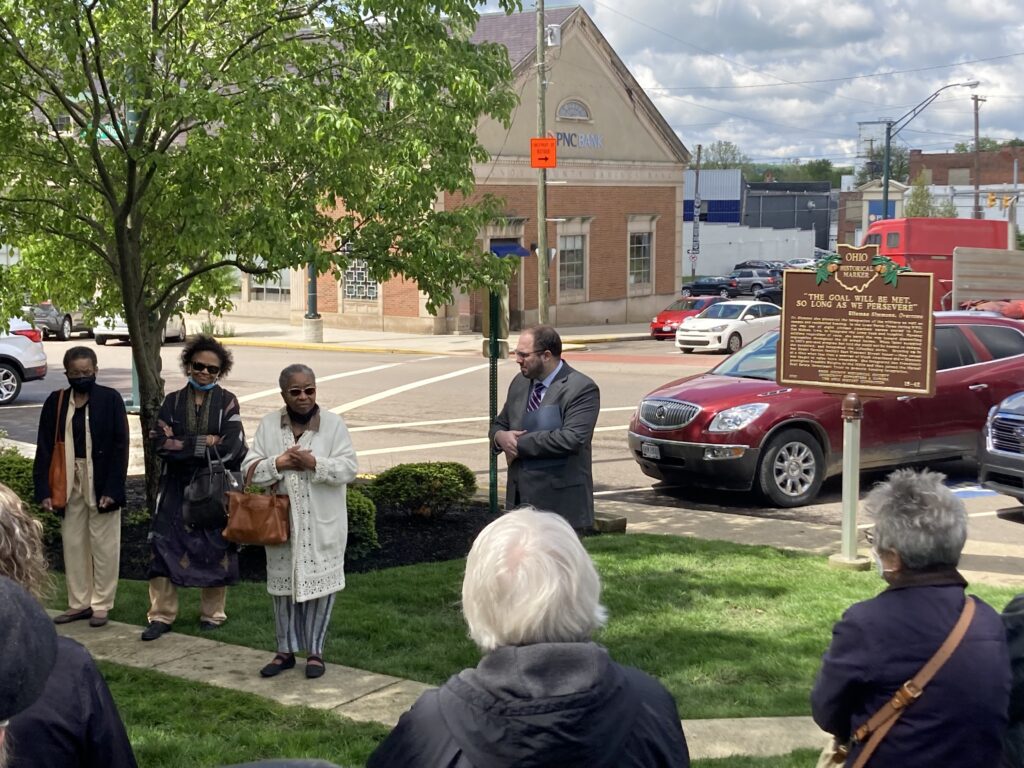
Ellamae Simmons, born and raised in Mount Vernon, became the first African American woman physician to specialize in asthma, allergy, and immunology in the country. Graduating in the top of her high school class, she dreamed of attending Ohio State University to become a nurse but was rejected as that program “did not have the […]
14-42 Stone Arch at Howard, Ohio
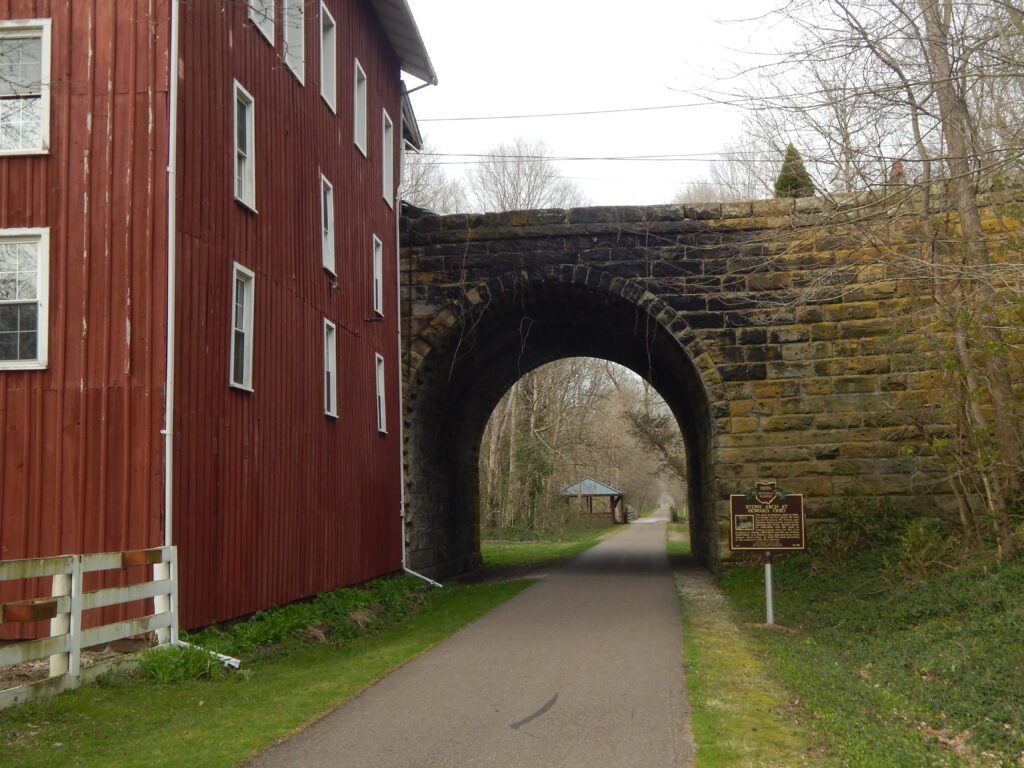
Stone Arch at Howard, Ohio. The arch at Howard, built in 1874, is a bridge for U.S. Route 36 over the old Cleveland, Mt. Vernon, and Delaware Railroad bed, a part of the Kokosing Gap Trail. Samuel Israel, Sr. (1810-1889) sold the right to quarry nearby stone for the arch to Robert S. McKay (1813-1885) […]
13-42 Home of the FFA Jacket
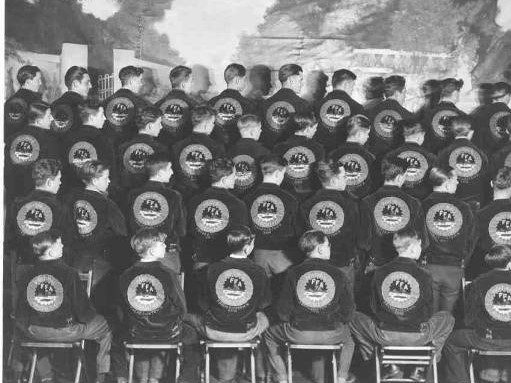
The blue corduroy jacket worn by members is a widely recognized symbol of the National FFA Organization, formerly Future Farmers of America. In 1933, Dr. J.H. “Gus” Lintner, a Fredericktown teacher and advisor to the local FFA chapter, commissioned a jacket for its members to wear to FFA’s national convention in Kansas City, Missouri. Impressed […]
12-42 Jane Payne, M.D. (1825-1882)
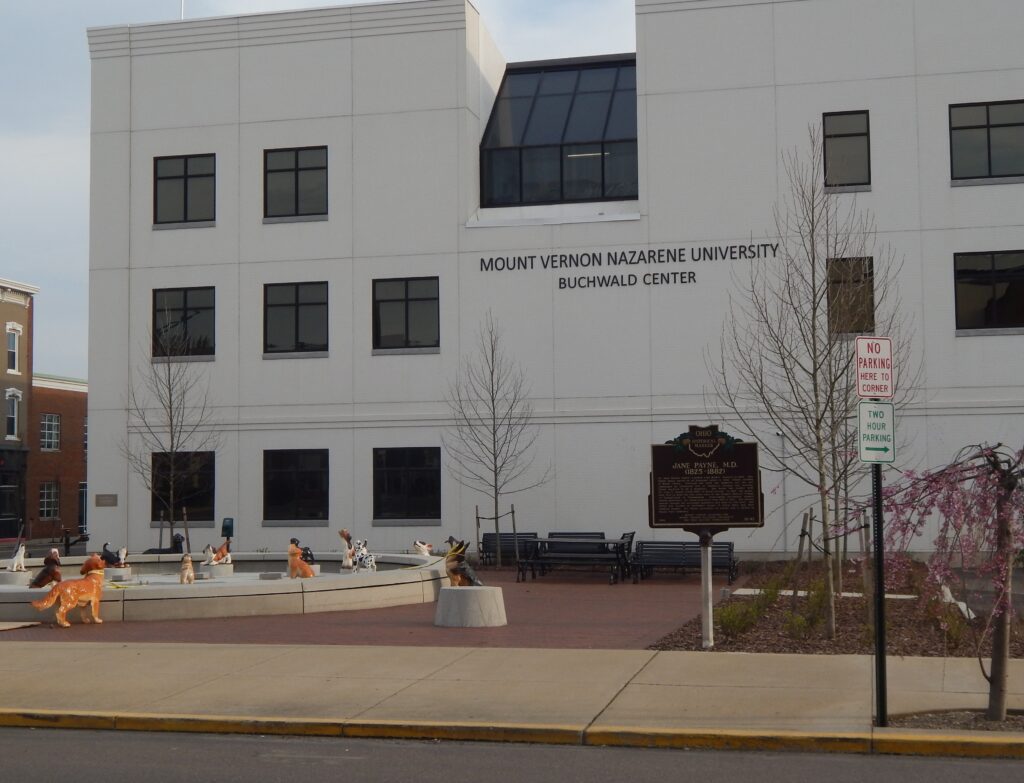
Side A: Jane Payne, M.D. (1825-1882). Dr. Jane Payne’s family migrated from Bristol, England in 1825. Her father Henry served as an Episcopal priest in Ohio, finally settling in Mount Vernon. Although her sight was impaired and she was challenged by infirmities left by childhood diseases and injuries, Payne resolved to be a physician. She […]
11-42 Knox County Poor Farm / Knox County Infirmary
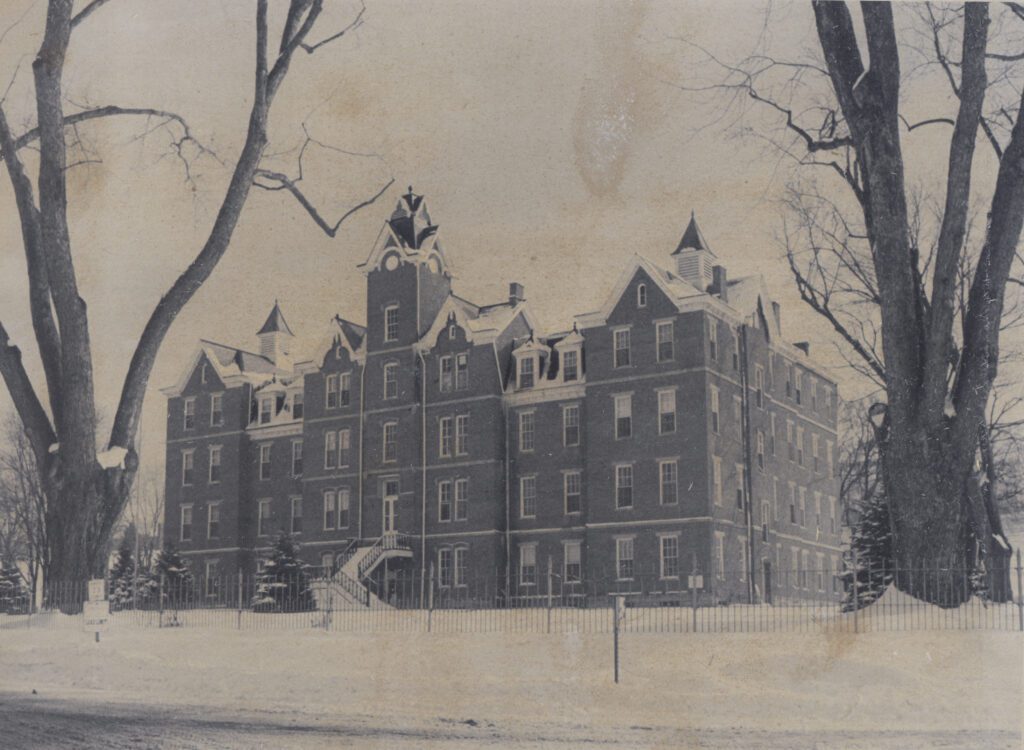
The surrounding 132 acres of land served as the Knox County Poor Farm (aka Knox County Infirmary and County Home) from 1842 to 1955. The farm was nearly self-sustaining. Able residents grew their own food, raised livestock, and did various chores as partial compensation for their care. In 1874, a fire in the original wood […]