 Skip to content
28-45 Licking County Sheriff’s Residence & Jail
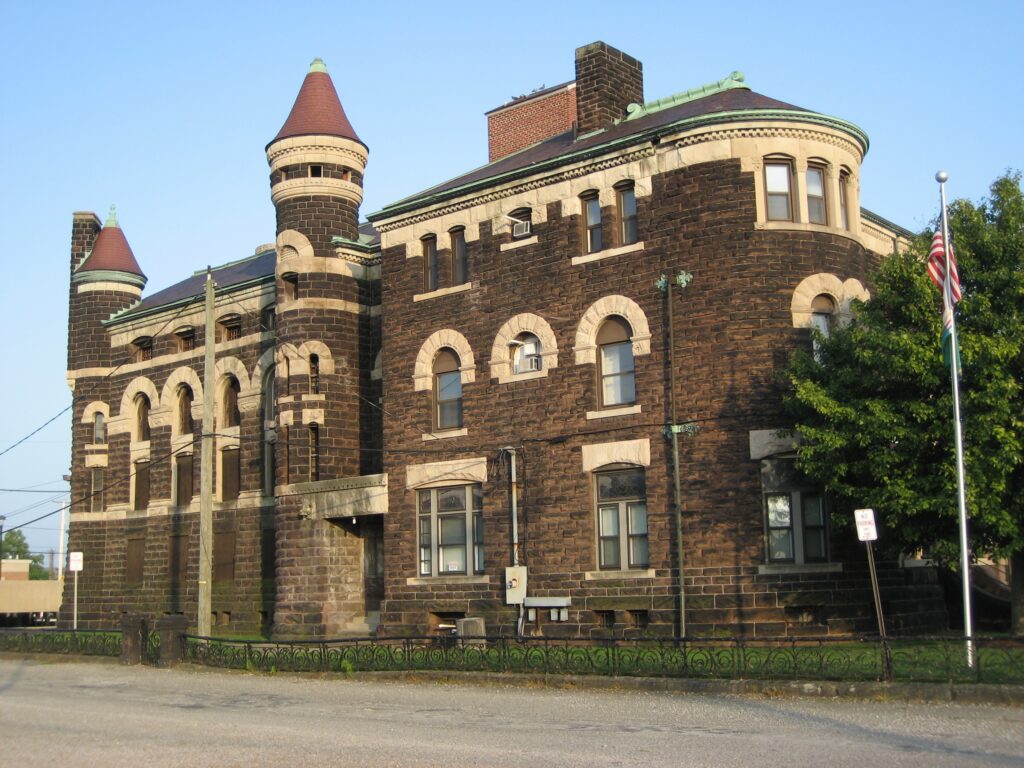
Designed by J. W. Yost, a renowned Ohio architect, the jail first opened for use in 1889. The Richardsonian Romanesque structure cost $120,000 to build. It was constructed of pink sandstone known as “brownstone,” which was quarried near Millersburg, Ohio. The front three levels were built to house the families of the sheriff and the […]
27-45 Welsh Hills Cemetery / Welsh Hills Cemetery
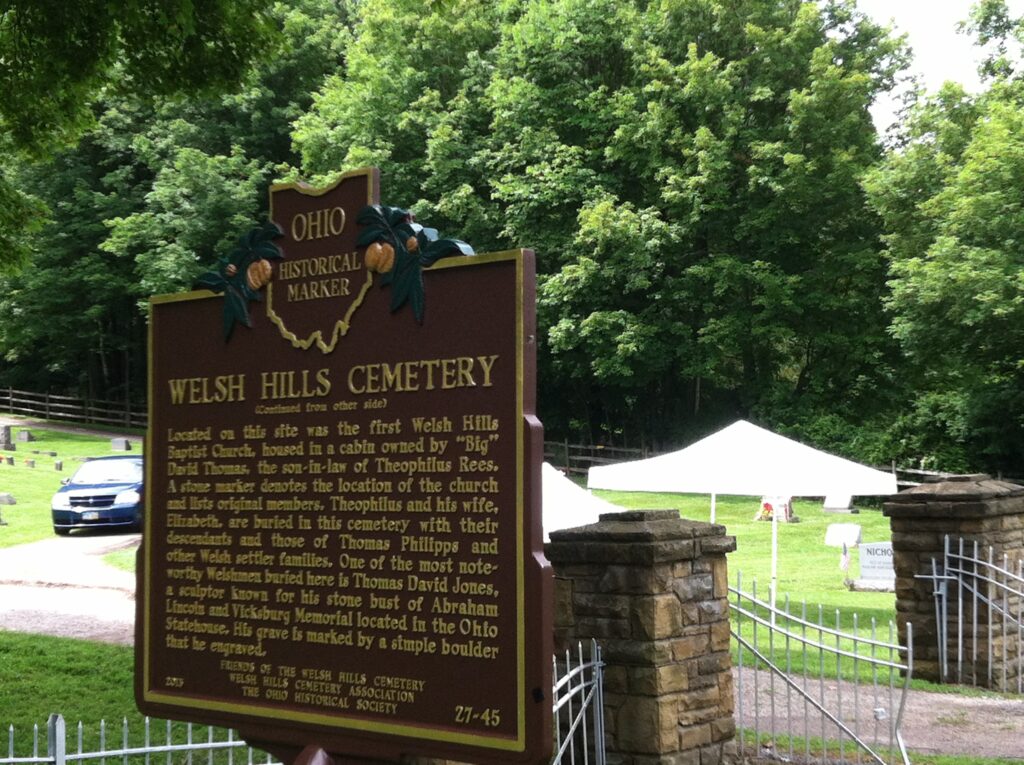
Welsh Hills Cemetery was once part of the United States Military Tract given to veterans of the Revolutionary War. The land was owned by a Philadelphia Welshman named Samson Davis. On September 4, 1801, a portion of his land was purchased by the co-founders of the Welsh Hills community, Theophilus Rees and Thomas Philipps, who […]
26-45 The Elias Gilman House / The Wee White House
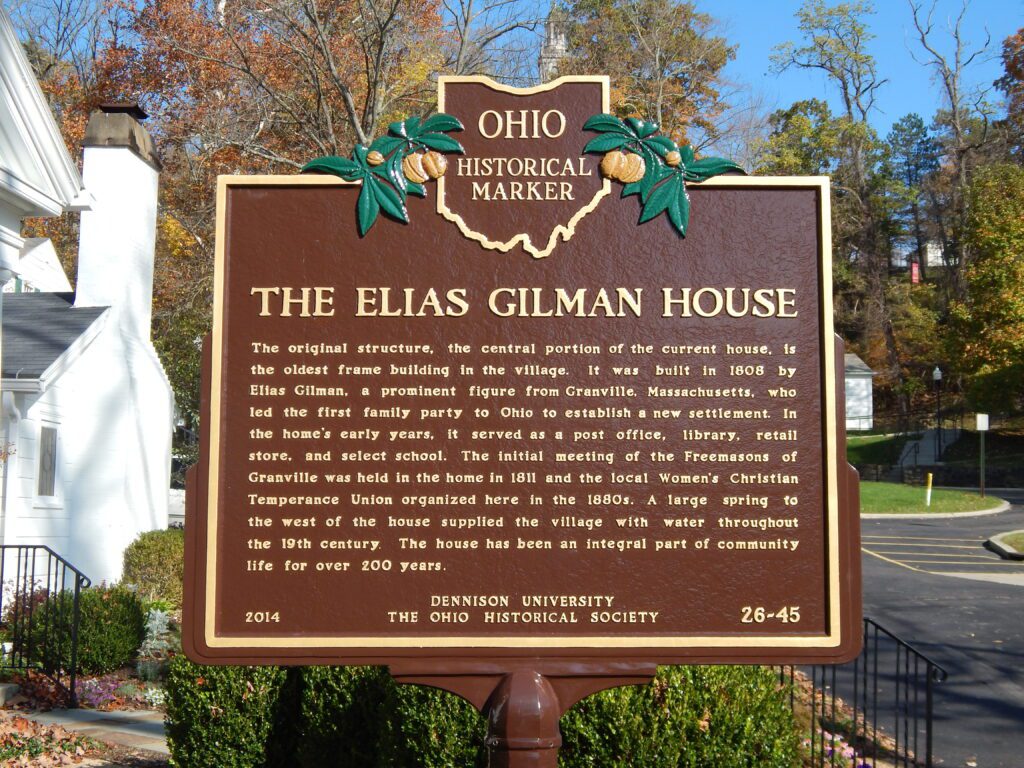
The original structure, the central portion of the current house, is the oldest frame building in the village. It was built in 1808 by Elias Gilman, a prominent figure from Granville Massachusetts, who led the first family party to Ohio to establish a new settlement . In the home’s early years, it served as a […]
25-45 An Early Center of Education / Educating Young Women
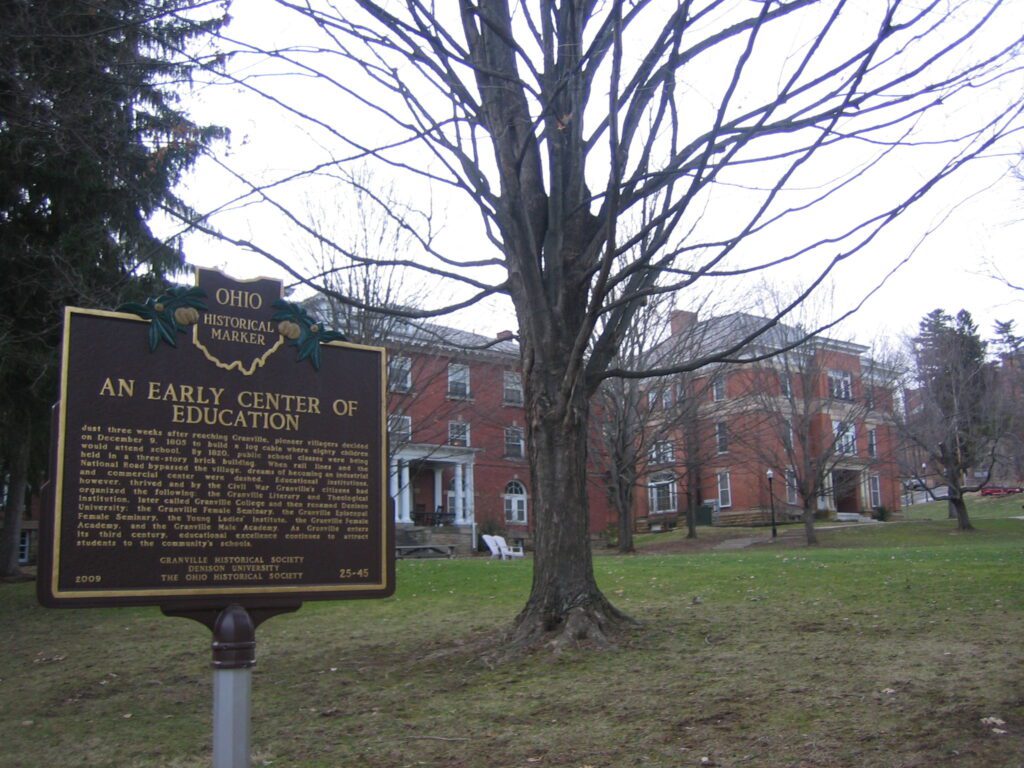
Just three weeks after reaching Granville, pioneer villagers decided on December 9, 1805 to build a log cabin where eighty children would attend school. By 1820, public school classes were being held in a three-story brick building. When rail lines and the National Road bypassed the village, dreams of becoming an industrial and commercial center […]
24-45 Pataskala Elementary School

The first school in what is now Pataskala was a “subscription school” operated by Amariah Cubberly on the nearby banks of the South Fork of the Licking River in the 1820s. Subscription schools, which charged fees, were the forerunners of rural public schools in many parts of Ohio. By the 1830s several one-room public schools […]
23-45 Founding of Granville, The Licking Company / The Granville Site “The most eligible part”
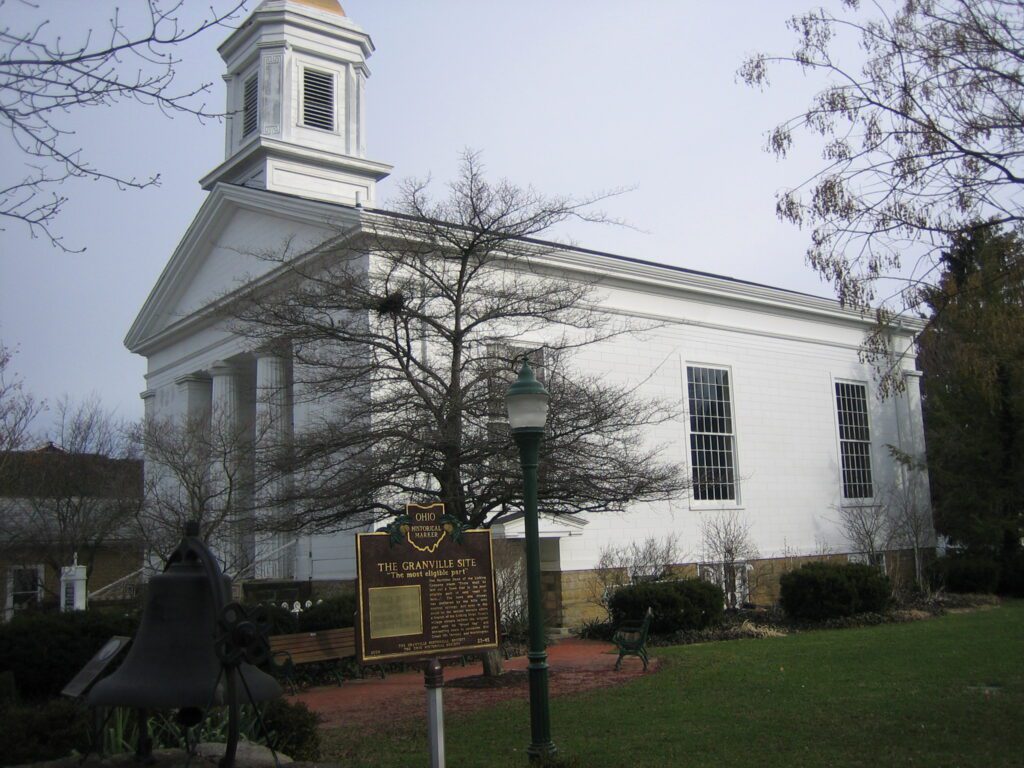
In 1804 a group of neighbors in Granville, Massachusetts and Granby, Connecticut formed The Licking Company for the purpose of moving to “Newlands” in Ohio. Inspired and informed by the settlement of Worthington in 1803, the Company purchased 29,040 acres in the U.S. Military District. Advance parties surveyed and mapped a site, established a mill, […]
22-45 Early Transportation in Newark
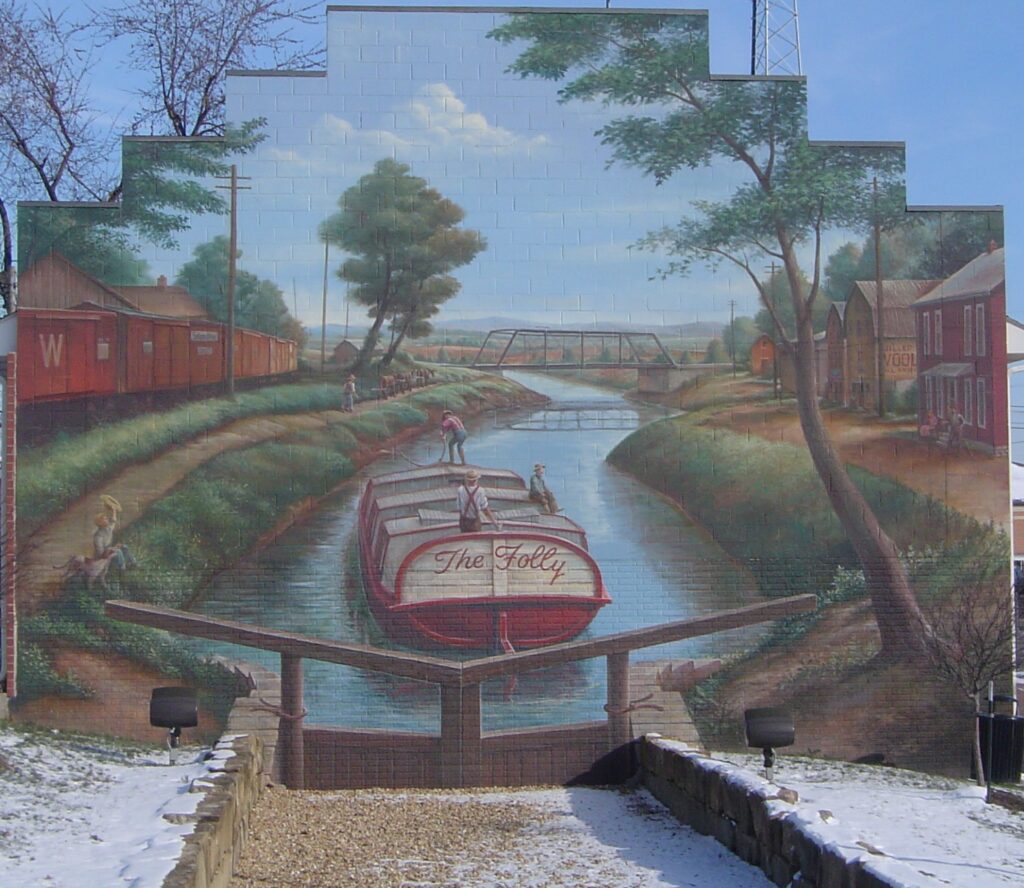
During the 1830s, the Ohio & Erie Canal was built through Newark. The Lockmaster’s House was home to the lockmaster of Lock #9. In 1852, the first railroad locomotive steamed into Newark, signaling the beginning of the end for the canal. By 1871, the Baltimore & Ohio Railroad took over the Lockmaster’s House and the […]
21-45 Old Colony Burying Ground 1805
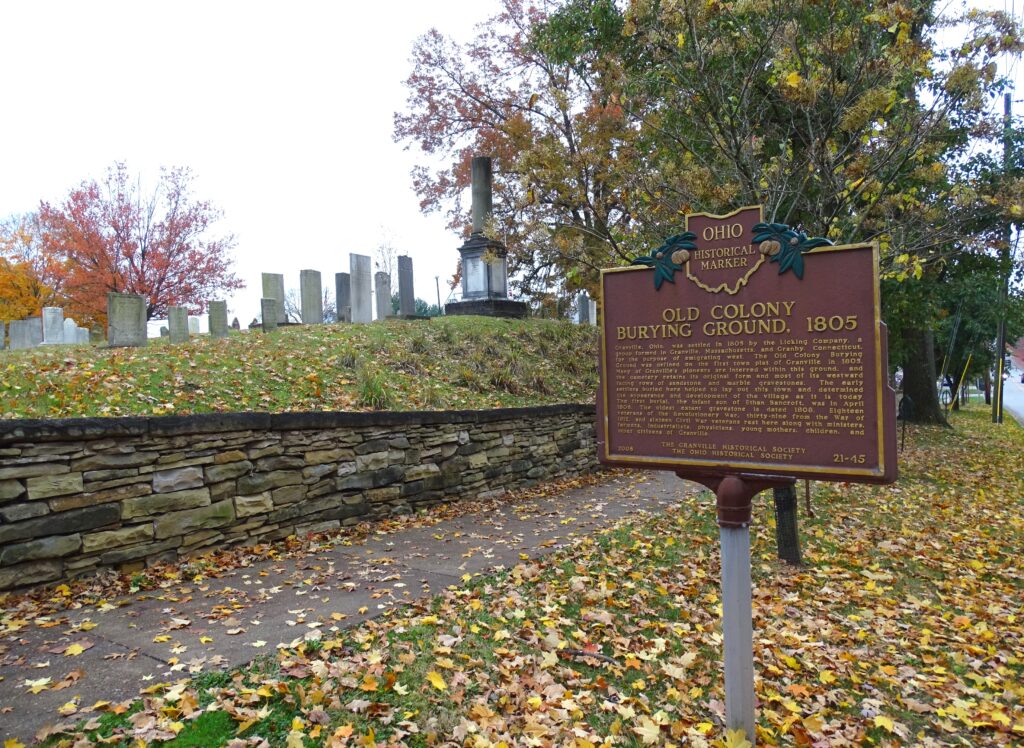
Granville, Ohio, was settled in 1805 by the Licking Company, a group formed in Granville, Massachusetts, and Granby, Connecticut, for the purpose of emigrating west. The Old Colony Burying Ground was defined on the first town plat of Granville in 1805. Many of Granville’s pioneers are interred within this ground, and the cemetery retains its […]
20-45 Conine Homestead

Born in New Jersey, Richard and Sarah Conine, the founders of the village of Pataskala, moved to Lima Township and lived on this site as early as 1821 when Richard established a grist mill nearby. Their homestead also served as a stagecoach stop on the mud pike between Columbus and Newark prior to the coming […]
19-45 Willoughby Dayton Miller, 1853- 1907

Born in Alexandria in 1853, Willoughby Dayton Miller received his primary education in a nearby one-room schoolhouse. He graduated from the University of Michigan in 1875 and then studied in Edinburgh, Scotland. Later, he traveled to Berlin, Germany where he met an expatriate American dentist, Dr. Frank Abbot, who encouraged him to study dentistry. Graduating […]