 Skip to content

9-46 Free Servicemen’s Canteen, 1942-1946
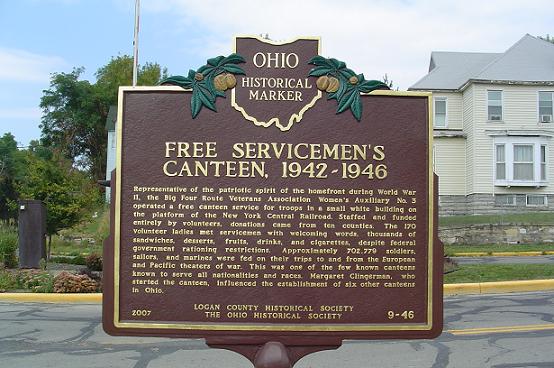
Representative of the patriotic spirit of the homefront during World War II, the Big Four Route Veterans Association Women’s Auxiliary No. 3 operated a free canteen service for troops in a small white building on the platform of the New York Central Railroad. Staffed and funded entirely by volunteers, donations came from ten counties. The […]
4-46 William H. West 1824-1911
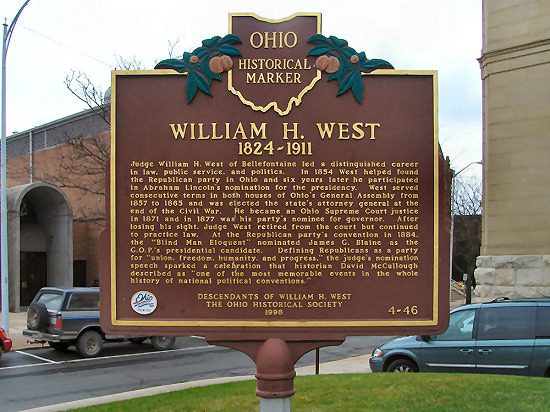
Judge William H. West of Bellefontaine led a distinguished career in law, public service, and politics. In 1854 West helped found the Republican party in Ohio and six years later he participated in Abraham Lincoln’s nomination for the presidency. West served consecutive terms in both houses of Ohio’s General Assembly from 1857 to 1865 and […]
30-45 Licking County TB Sanatorium / Licking County Health Department
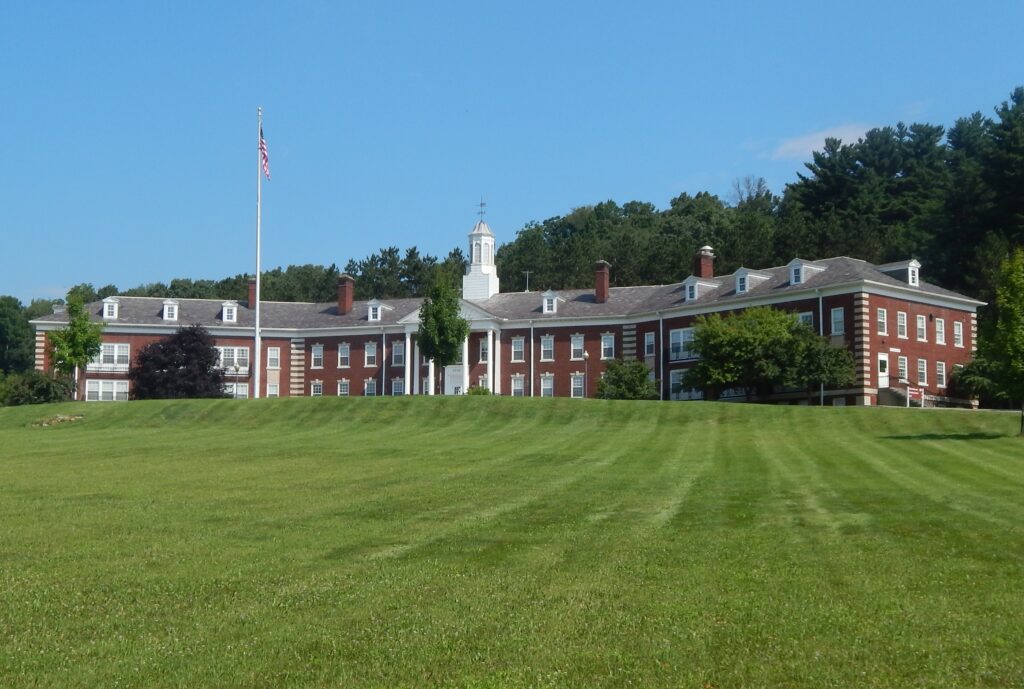
Tuberculosis, or TB, is a contagious disease that was responsible for the deaths of one out of every seven people in the U.S. in the early 20th century. The Licking County Tuberculosis Sanatorium, known as the TB San, was constructed in 1931-1932 at a cost of $250,000. The facility kept TB patients separate from the […]
29-45 The Licking County Courthouse
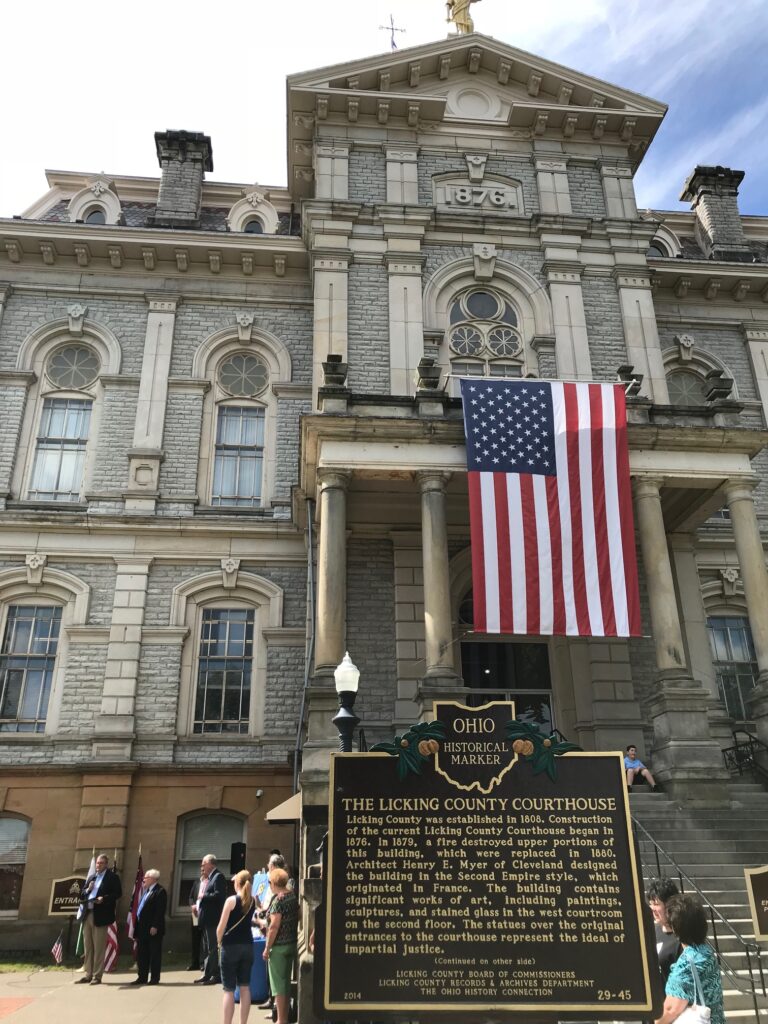
Licking County was established in 1808. Construction of the current Licking County Courthouse began in 1876. In 1879, a fire destroyed upper portions of this building, which was replaced in 1880. Architect Henry E. Myer of Cleveland designed the building in the Second Empire Style, which originated in France. The building contains significant works of […]
28-45 Licking County Sheriff’s Residence & Jail
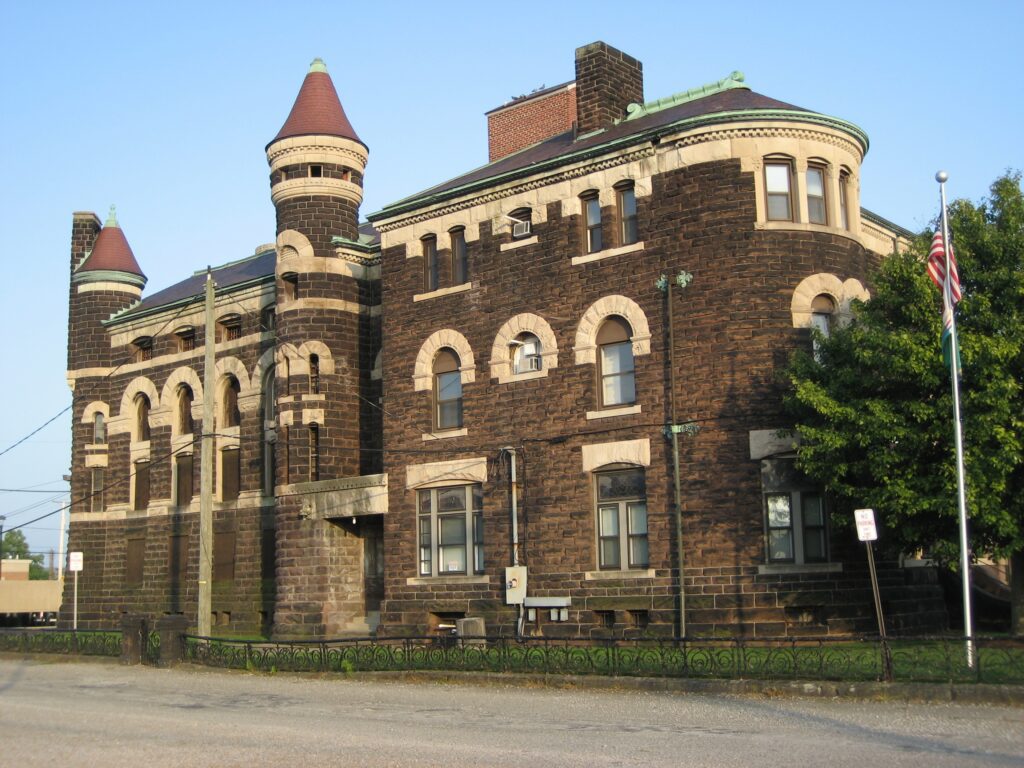
Designed by J. W. Yost, a renowned Ohio architect, the jail first opened for use in 1889. The Richardsonian Romanesque structure cost $120,000 to build. It was constructed of pink sandstone known as “brownstone,” which was quarried near Millersburg, Ohio. The front three levels were built to house the families of the sheriff and the […]
27-45 Welsh Hills Cemetery / Welsh Hills Cemetery
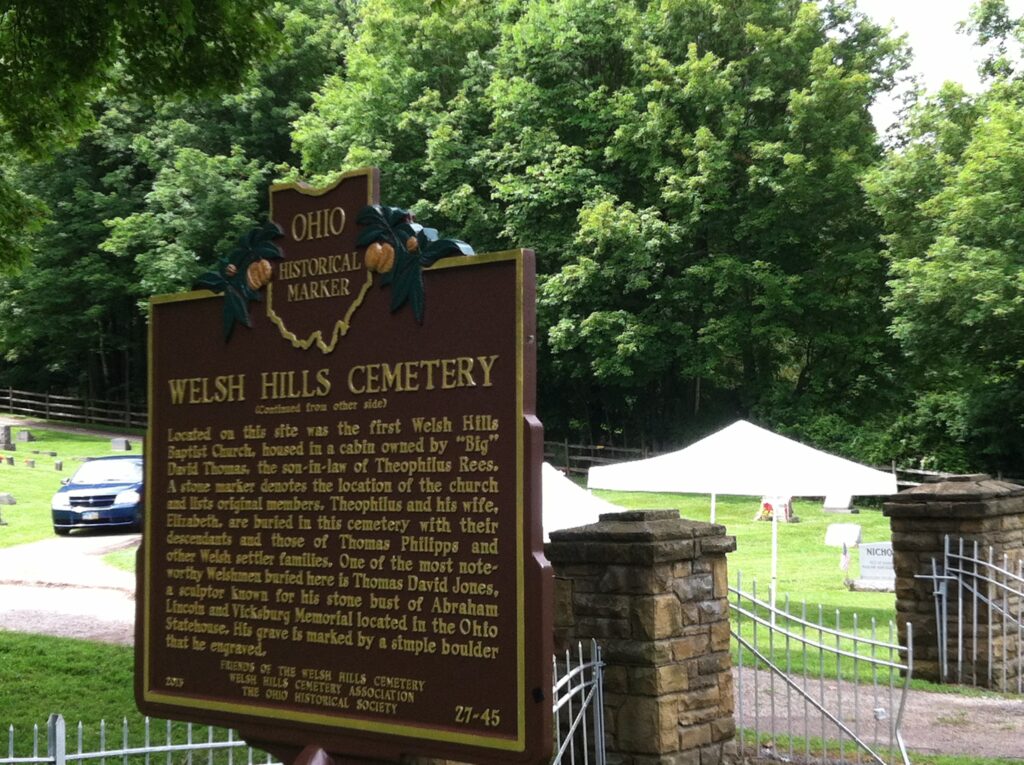
Welsh Hills Cemetery was once part of the United States Military Tract given to veterans of the Revolutionary War. The land was owned by a Philadelphia Welshman named Samson Davis. On September 4, 1801, a portion of his land was purchased by the co-founders of the Welsh Hills community, Theophilus Rees and Thomas Philipps, who […]
26-45 The Elias Gilman House / The Wee White House
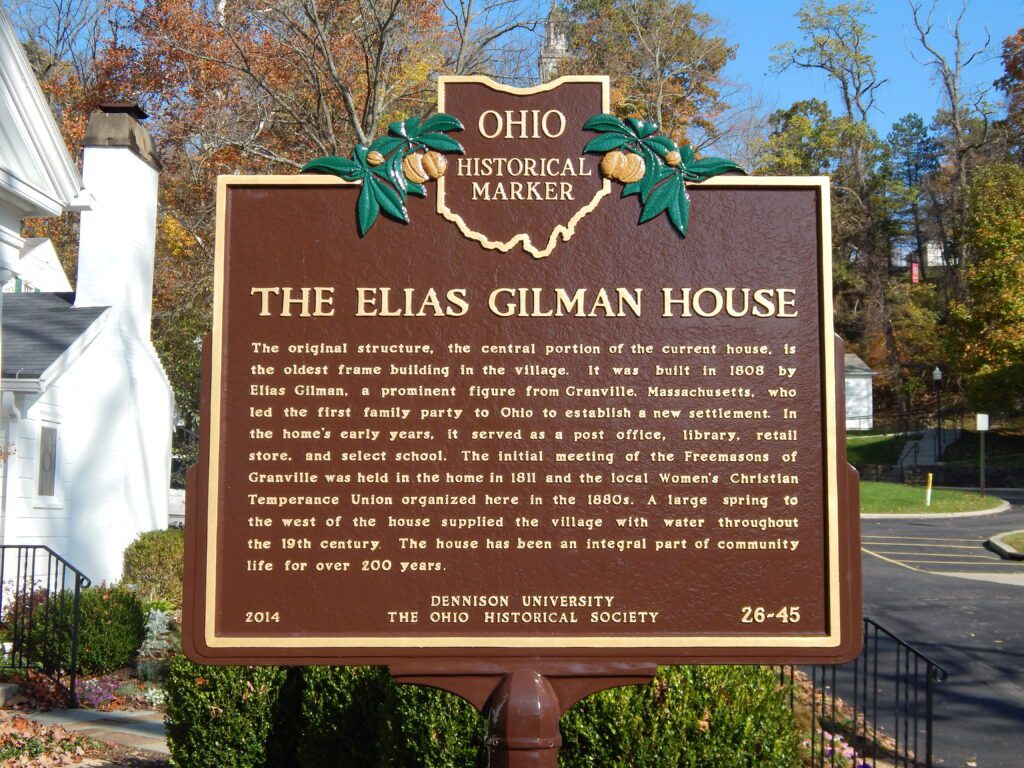
The original structure, the central portion of the current house, is the oldest frame building in the village. It was built in 1808 by Elias Gilman, a prominent figure from Granville Massachusetts, who led the first family party to Ohio to establish a new settlement . In the home’s early years, it served as a […]
25-45 An Early Center of Education / Educating Young Women
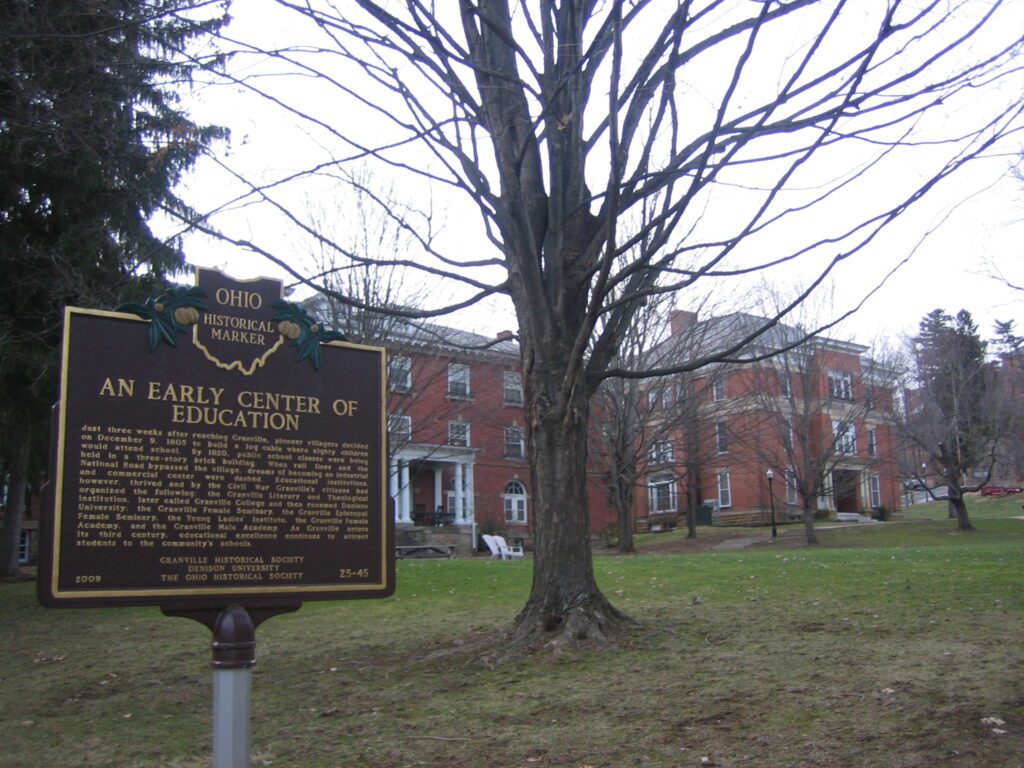
Just three weeks after reaching Granville, pioneer villagers decided on December 9, 1805 to build a log cabin where eighty children would attend school. By 1820, public school classes were being held in a three-story brick building. When rail lines and the National Road bypassed the village, dreams of becoming an industrial and commercial center […]
24-45 Pataskala Elementary School

The first school in what is now Pataskala was a “subscription school” operated by Amariah Cubberly on the nearby banks of the South Fork of the Licking River in the 1820s. Subscription schools, which charged fees, were the forerunners of rural public schools in many parts of Ohio. By the 1830s several one-room public schools […]
23-45 Founding of Granville, The Licking Company / The Granville Site “The most eligible part”
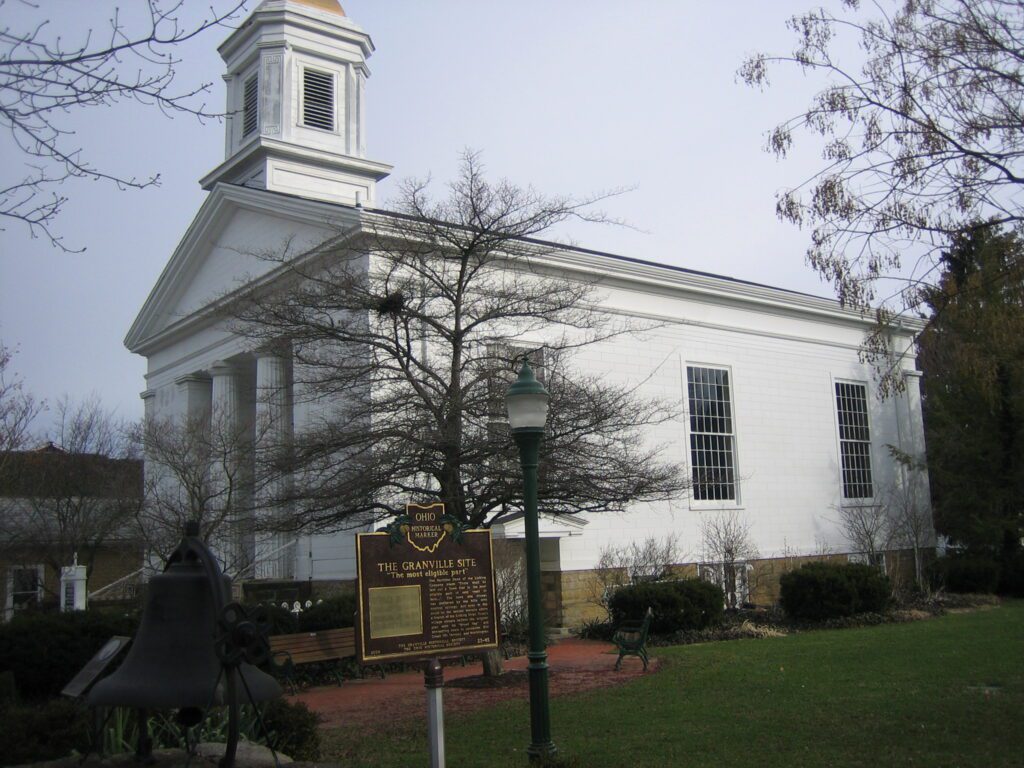
In 1804 a group of neighbors in Granville, Massachusetts and Granby, Connecticut formed The Licking Company for the purpose of moving to “Newlands” in Ohio. Inspired and informed by the settlement of Worthington in 1803, the Company purchased 29,040 acres in the U.S. Military District. Advance parties surveyed and mapped a site, established a mill, […]