 Skip to content

3-56 Sardis Historic Town Pump
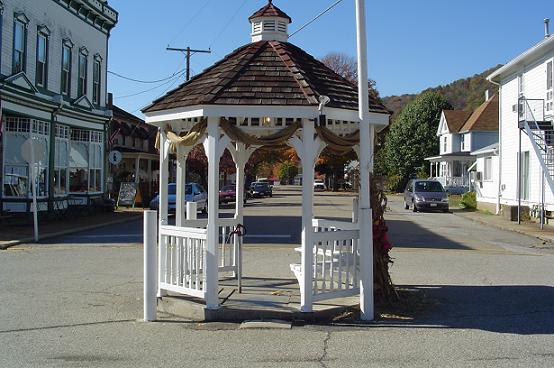
Monroe County’s ground-water resources are valuable assets for its people and economy. Especially notable are the substantial quantities of water that can be obtained in the medium sand and gravel underground aquifers located on the eastern side of the county. The Sardis Town Pump, which taps into one of these aquifers, has been in continuous […]
2-56 Frederick Kindelberger Stone House and Barn
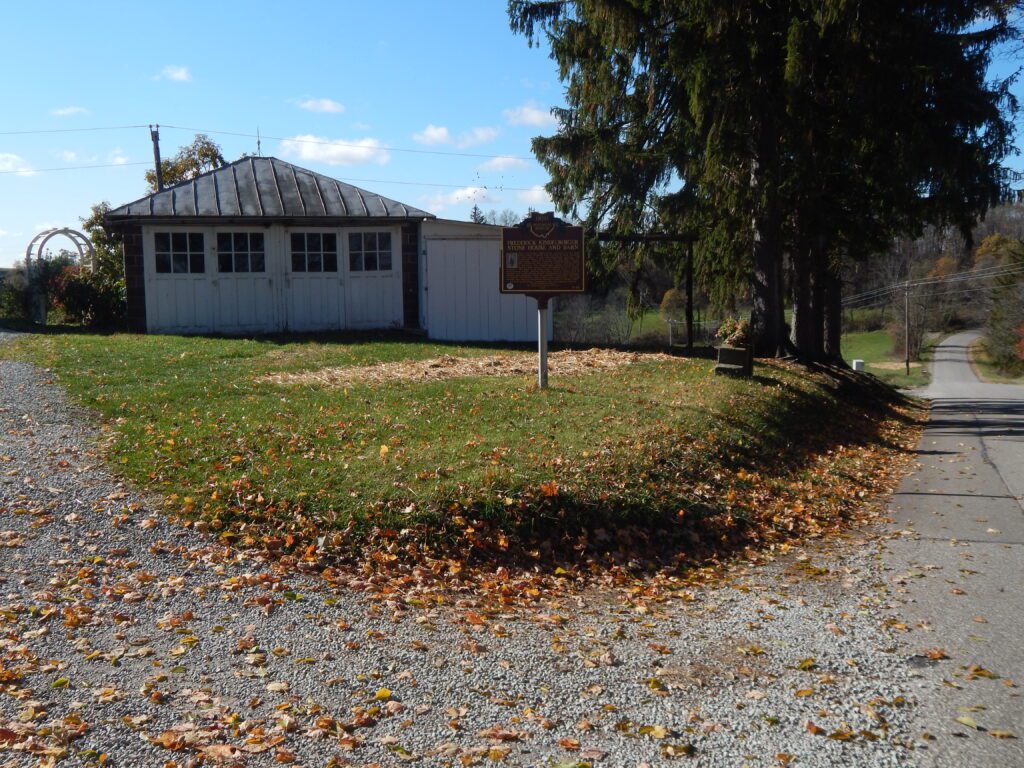
These structures stand as an exception to the usual wood frame or brick construction of farm buildings in this region in the late nineteenth century. The house and barn, built circa 1871 and 1883-1885 respectively, reflect Frederick Kindelberger’s (1835-1911) creativity and vision to instill a responsibility to the land. The Kindelberger family purchased the farm […]
1-56 Beallsville/Monroe County Honors Vietnam War Casualities
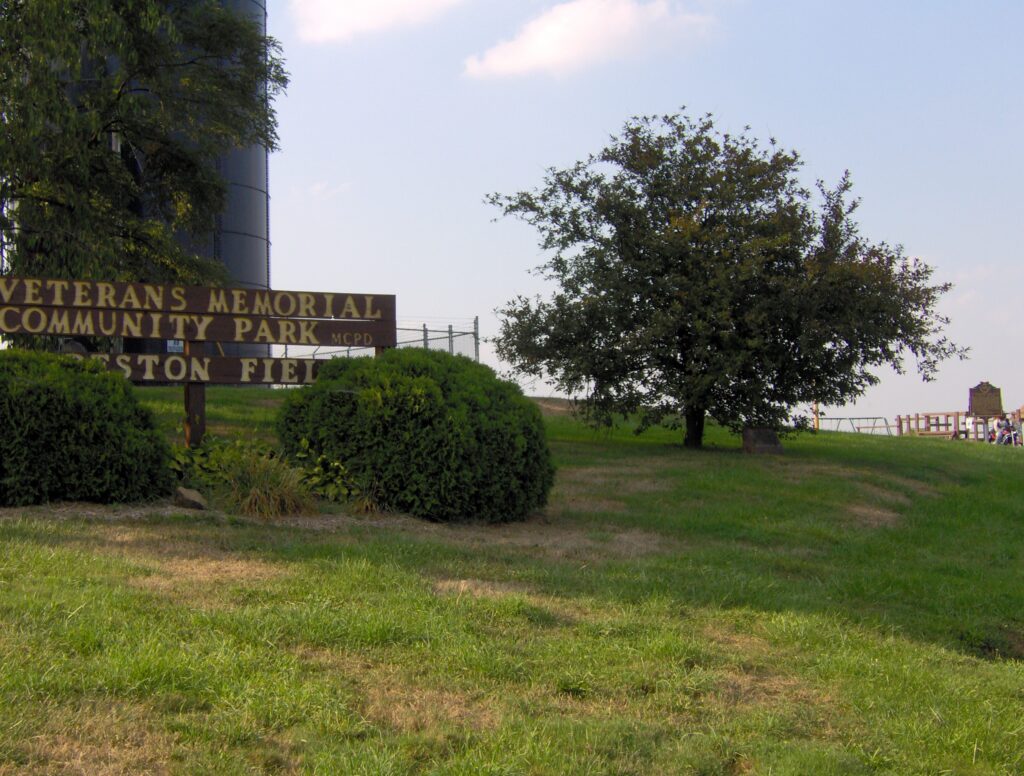
With a population of 475 residents, the Beallsville community gained the unfortunate distinction of having suffered the highest known per-capita casualty rate during the Vietnam War. Six Beallsville men, all under the age of 21, were killed in action in Vietnam between 1966 and 1971, a profound tragedy for this close-knit community. In 1969 Beallsville […]
33-55 Miami and Erie Canal – Footprint of Lock 12
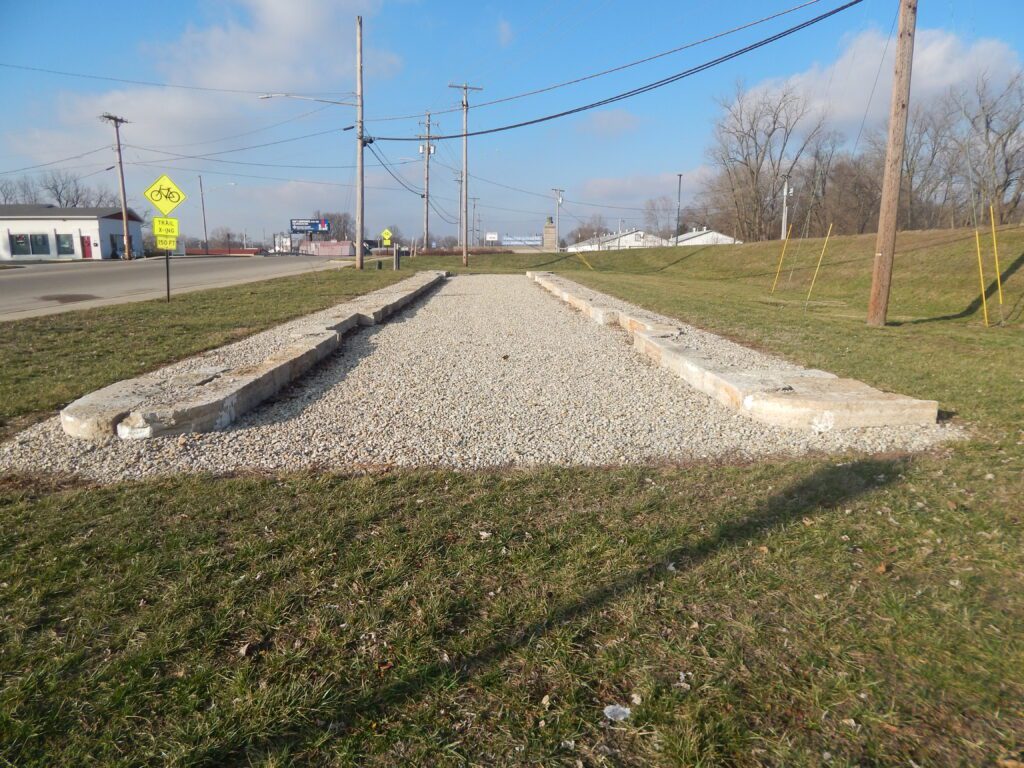
Construction of the Miami Extension of the Miami and Erie Canal, which included Troy, began around 1834. Lock 12 was built in 1836. General William Henry Harrison and other dignitaries officially opened the Troy section on July 4, 1837. The canal brought prosperity to the area, as its products were shipped to new markets and […]
32-55 William Moore McCulloch / Civil Rights Movement in Piqua
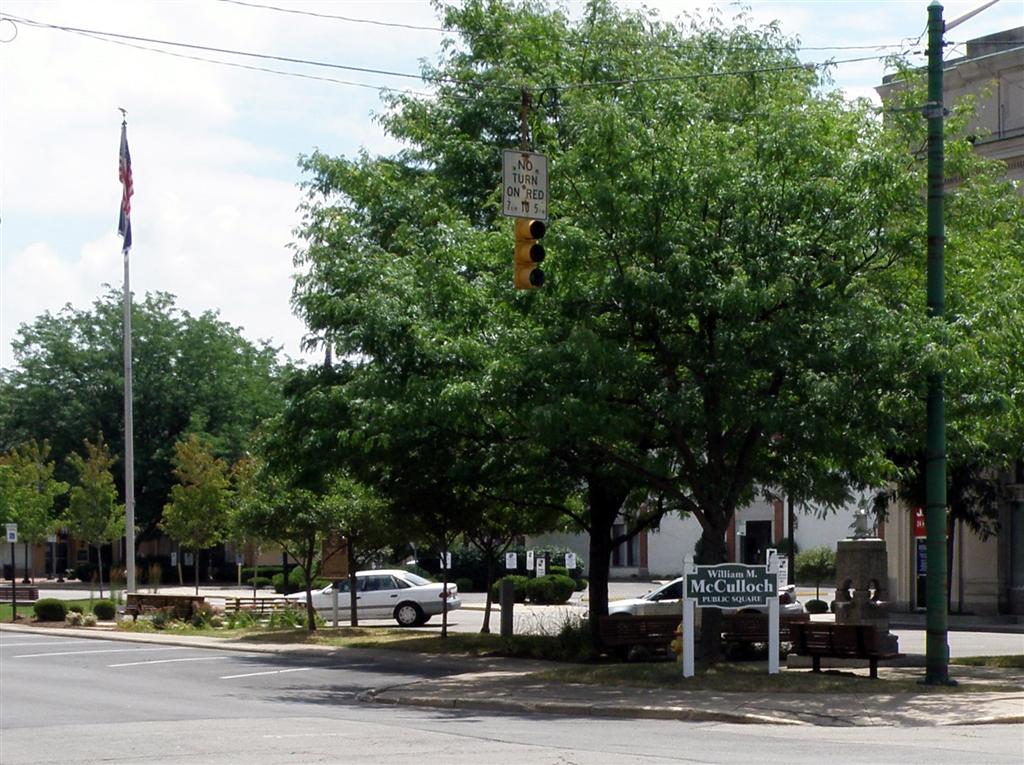
William McCulloch was born in Holmes County where he was educated in a one-room schoolhouse before moving to Wooster to attend high school and the College of Wooster. He attained prominence as Ohio’s Speaker of the House from 1939-1943 and House member from the Fourth Ohio Congressional District from 1948-1973. During his time in Washington, […]
31-55 Charles Furnas, 1880-1941
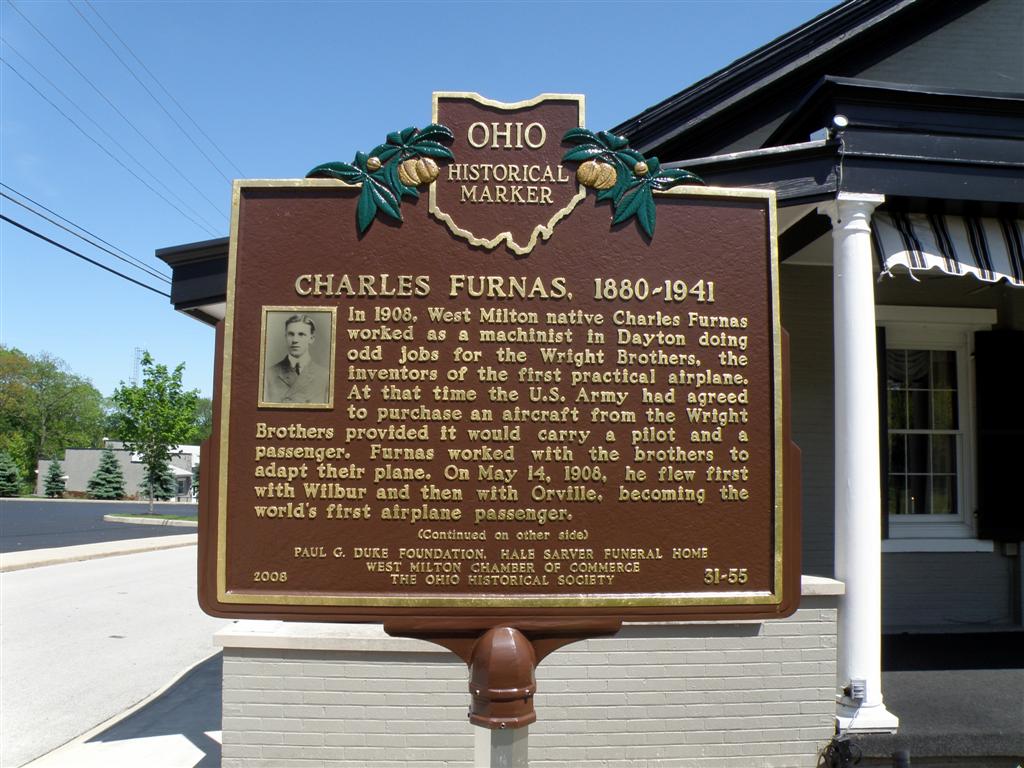
In 1908, West Milton native Charles Furnas worked as a machinist in Dayton doing odd jobs for the Wright Brothers, the inventors of the first practical airplane. At that time the U.S. Army had agreed to purchase an aircraft from the Wright Brothers provided it would carry a pilot and a passenger. Furnas worked with […]
30-55 Phoneton
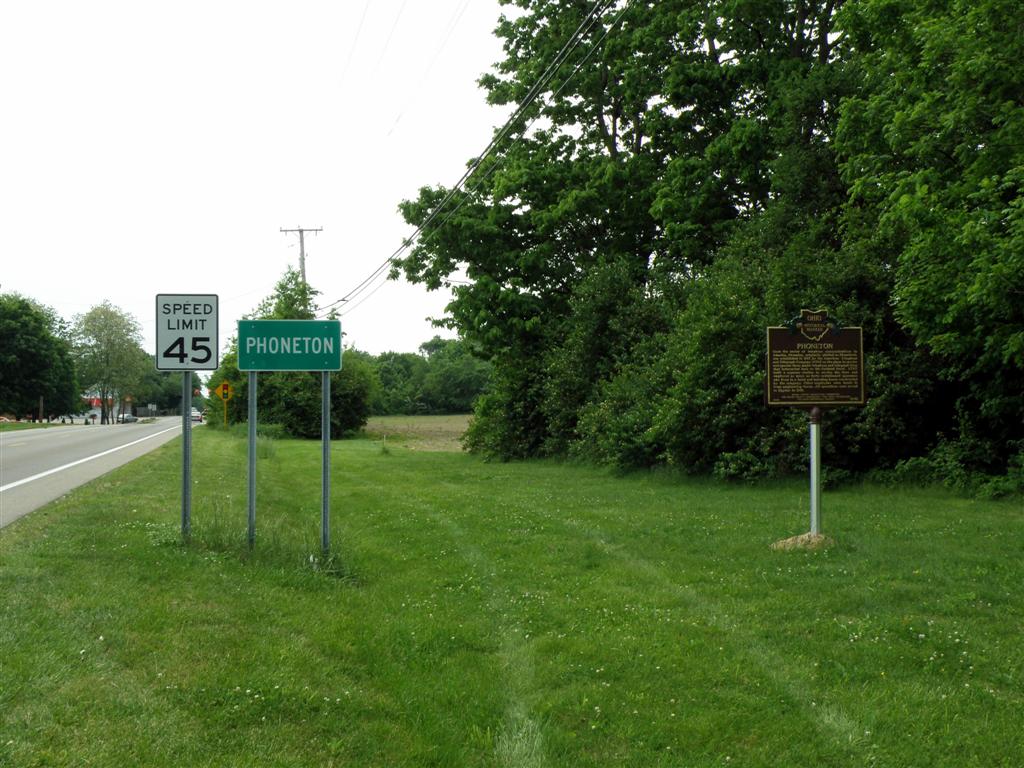
Once the center of telephone communications in America, Phoneton, originally platted as Phonetown, was established in 1893 by the American Telephone and Telegraph Company (AT&T) as the place to service and operate three major telephone and telegraph lines that intersected here on the National Road. AT&T built a repeater station to service the lines and […]
29-55 Johnston Barn
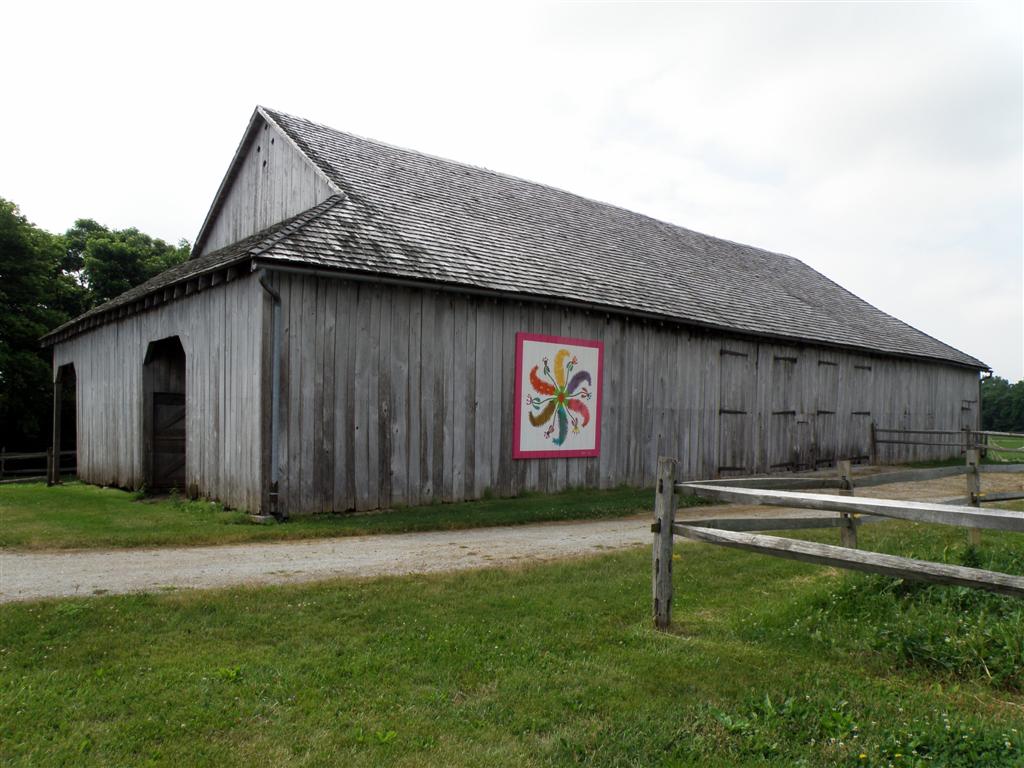
With the intention of becoming a “gentleman farmer,” John Johnston began development of his Upper Piqua farm in 1808 with a two-story log cabin and this double pen log barn. The surrounding outer sheds were built to protect the log pens from the weather. One of the oldest structures of its kind in Ohio, the […]
28-55 Randolph Settlement / Jackson Cemetery (African)
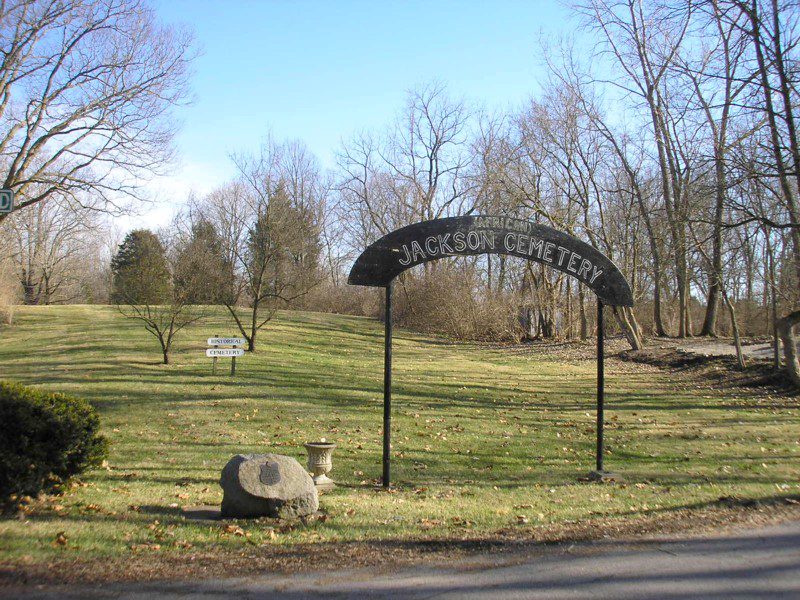
In 1833, John Randolph from Roanoke, Virginia, died leaving three wills that requested that all of his slaves be set free and that land be purchased for them. Although contested for thirteen years by his family, the slaves were freed and the executor of the wills, Randolph’s cousin Judge William Leigh purchased about 2,000 acres […]
27-55 The Village of Huntersville
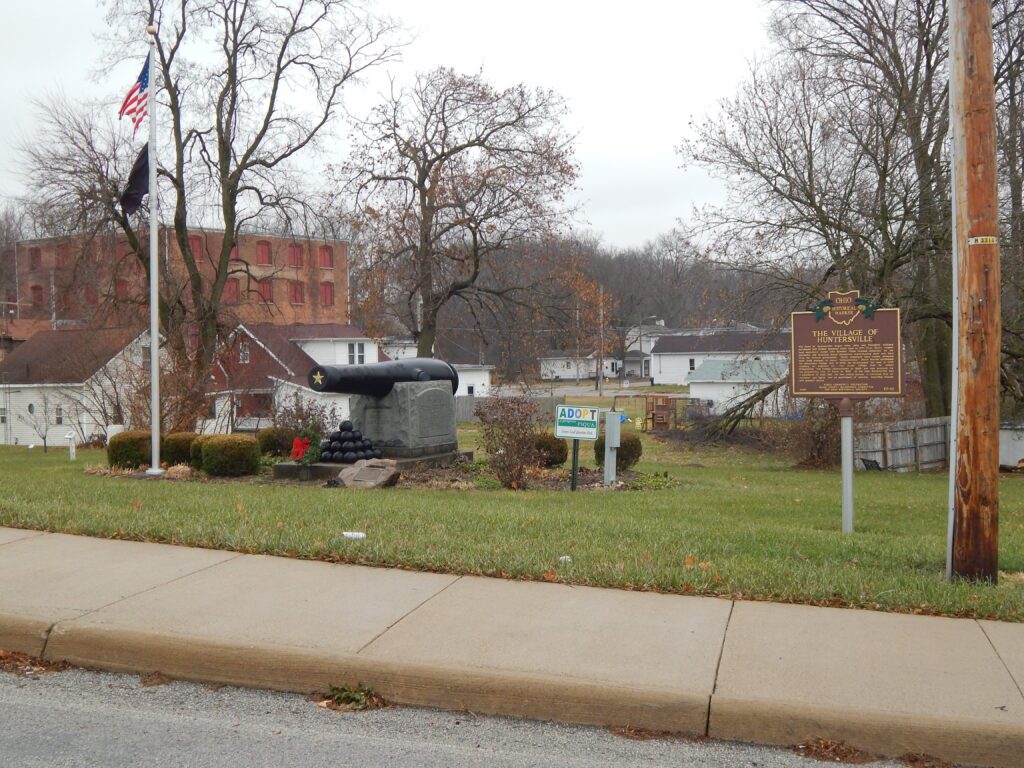
The roots of Huntersville began when John and Elizabeth Hilliard purchased this former Shawnee tribal land in 1797 from Ohio’s largest land speculator Judge John Symmes. When Symmes defaulted on his payments, the Hilliards found themselves repurchasing their own land from the federal government. These uncertain land claims defeated their 1799 attempt to found “Hilliardstown.” […]