 Skip to content

3-2 Solar Refinery
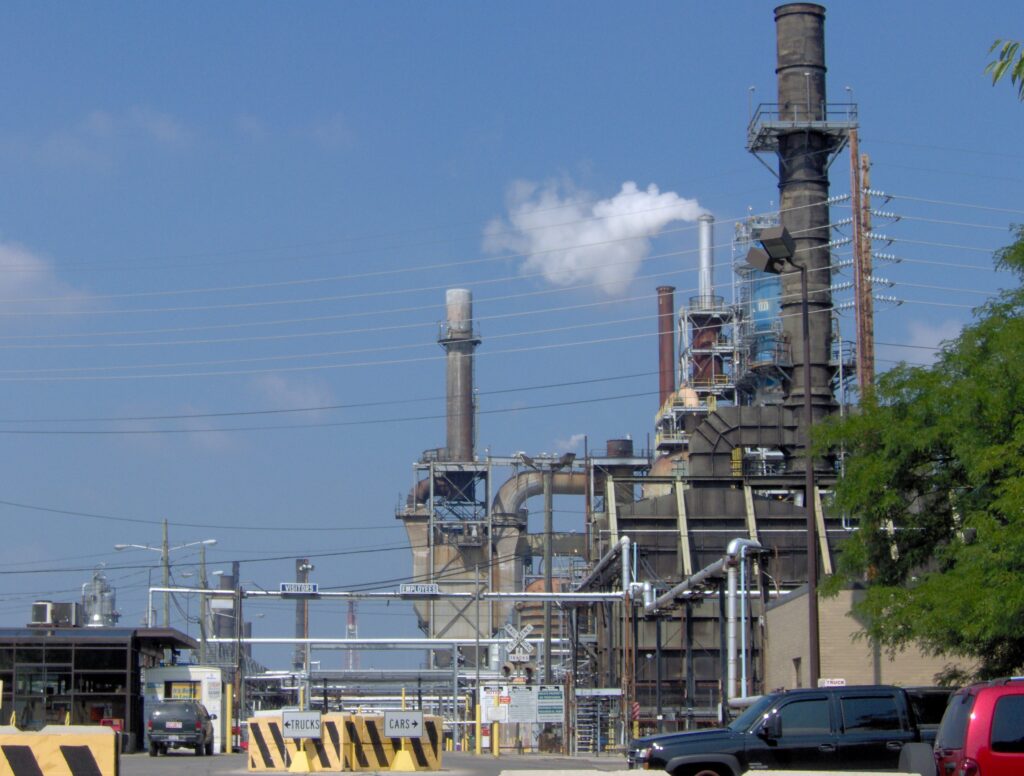
Oil became a valuable resource in Ohio when significant quantities were discovered in Lima in 1885. The discovery brought an economic boom to Lima and northwest Ohio. News of the Lima oil field spread, attracting the attention of John D. Rockefeller, co-founder of Standard Oil. Against the advice of his board, Rockefeller invested heavily in […]
4-2 McKee’s Hill
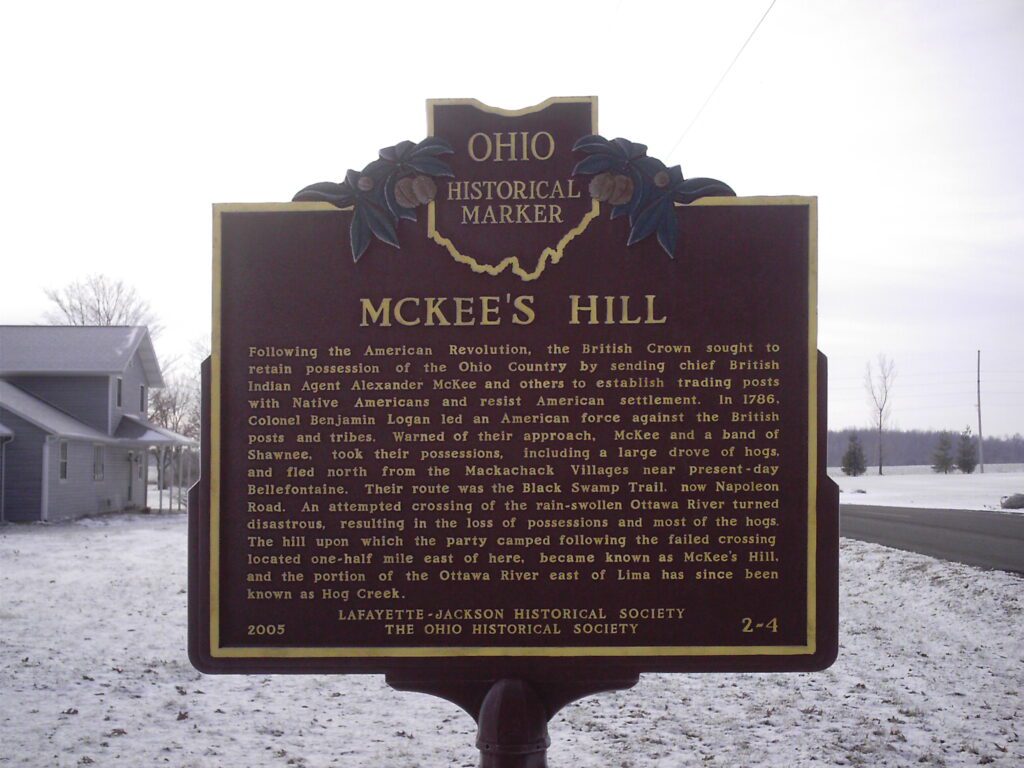
Following the American Revolution, the British Crown sought to retain possession of the Ohio Country by sending chief British Indian Agent Alexander McKee and others to establish trading posts with Native Americans and resist American settlement. In 1786, Colonel Benjamin Logan led an American force against the British posts and tribes. Warned of their approach, […]
5-2 Faurot Oil Well
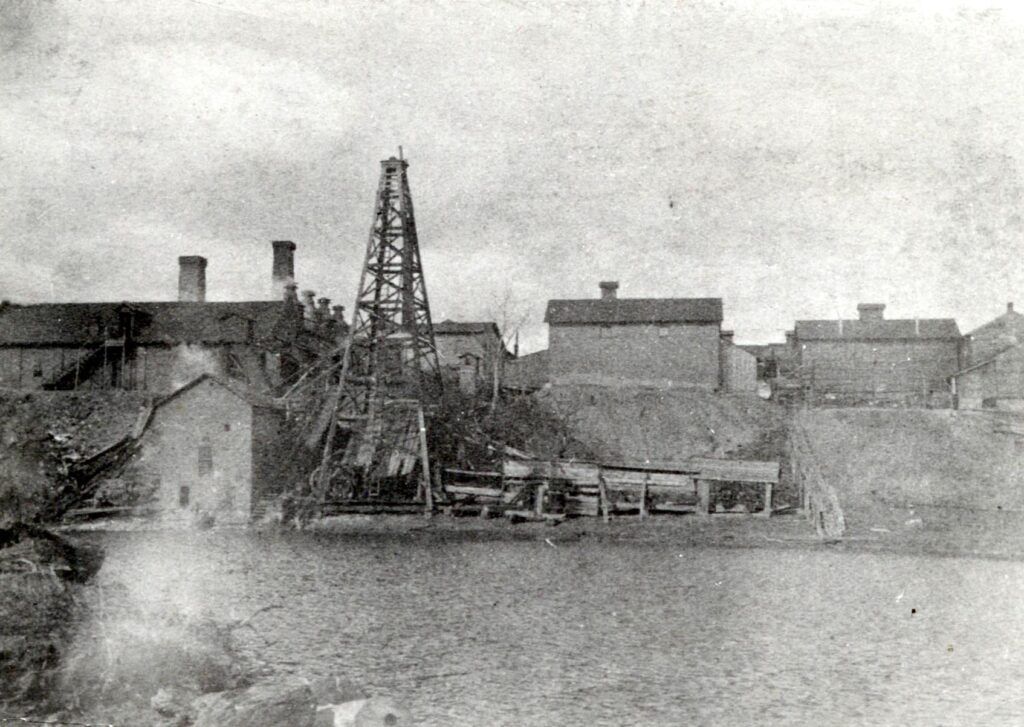
In 1885, 800 feet north of this marker, Benjamin Faurot struck oil after drilling into the Trenton Rock Limestone formation at a depth of 1,251 feet. This event marked the beginning of the great Oil Boom of northwest Ohio. The ensuing rush brought speculators who drilled hundreds of wells in the Trenton Rock (Lima) Oil […]
6-2 Servicemen’s Free Canteen
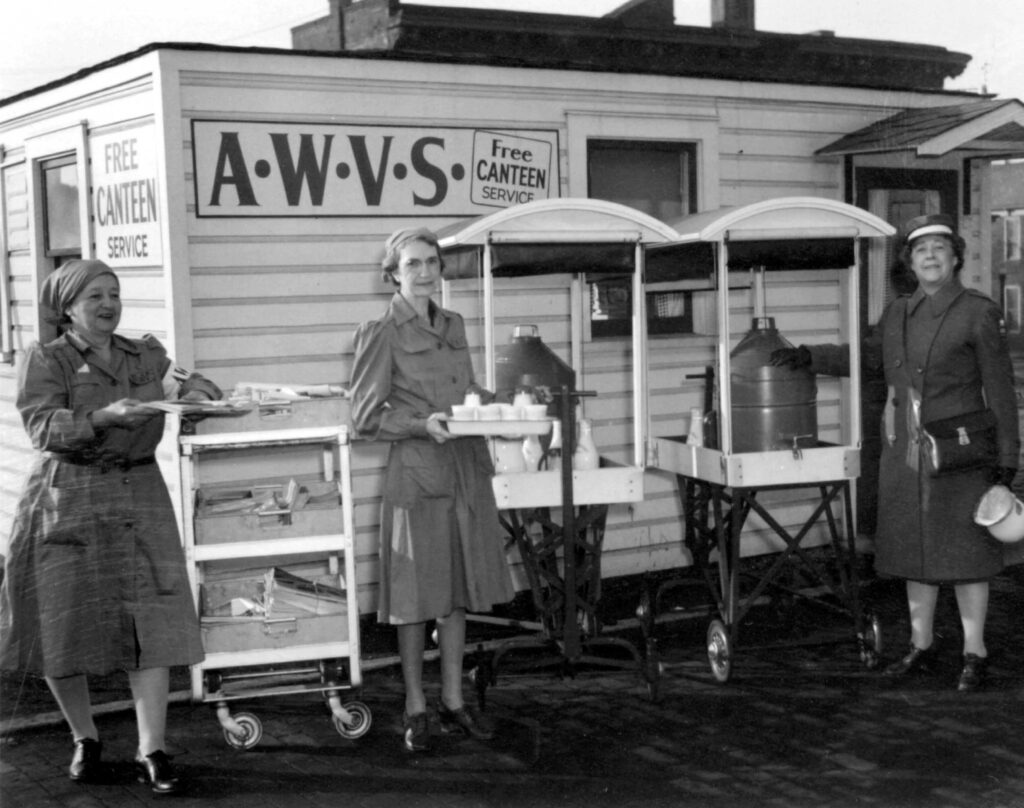
The Lima Chapter of the American Women’s Voluntary Services Organization established a community-based, free canteen during World War II for troops traveling on the Pennsylvania Railroad and adjacent Baltimore & Ohio-Nickel Plate Railroads. Meeting as many as forty trains a day, the ladies served 2.5 million troops between 1942-1945. Food, coffee, and other items were […]
7-2 P-39 Airacobra Crash Site, March 18, 1942
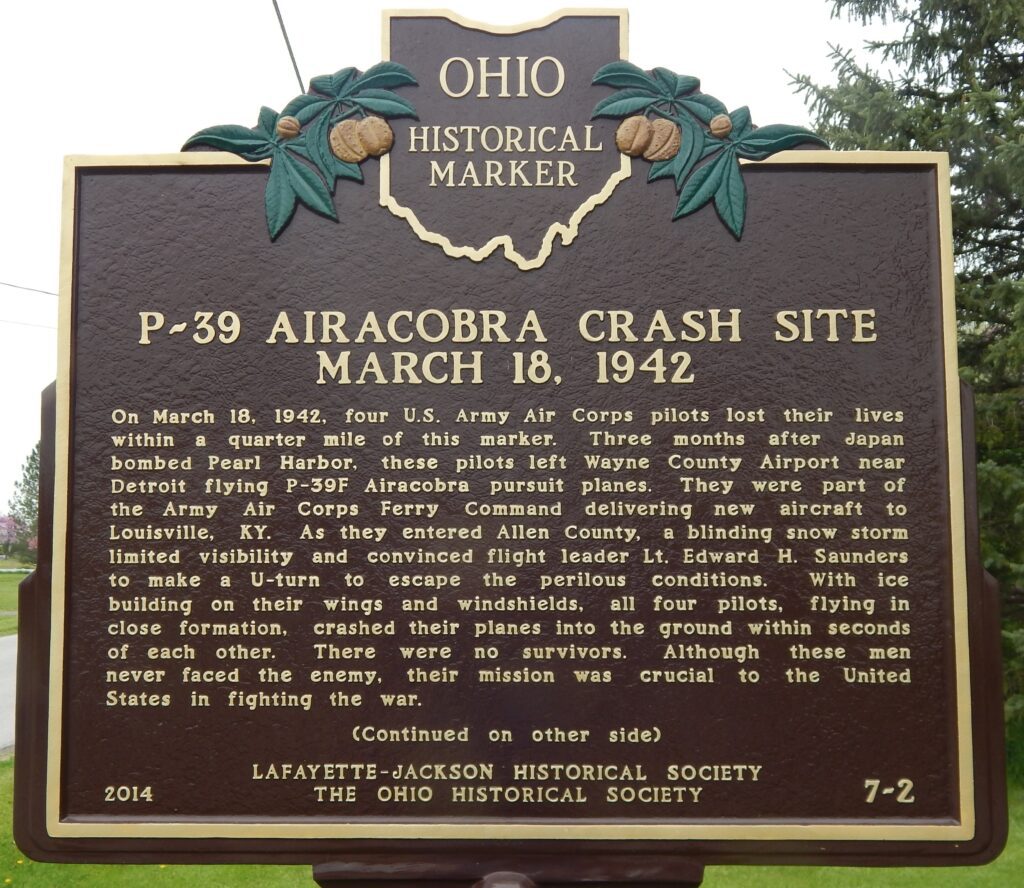
On March 18, 1942, four U.S. Army Air Corps pilots lost their lives within a quarter mile of this marker. Three months after Japan bombed Pearl Harbor, these pilots left Wayne County Airport near Detroit flying P-39F Airacobra pursuit planes. They were part of the Army Air Corps Ferry Command delivering new aircraft to Louisville, […]
2-2 The Interurban Era
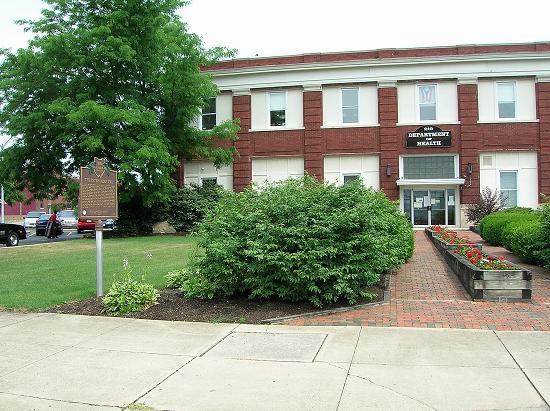
In 1910, the Ohio Electric Railway Company opened this terminal, formerly the Interurban Building, which served interurban passengers until 1937. Along with offices, it contained space for express and baggage handling, ticket windows, a newsstand, a lunch counter, and waiting rooms. Three tracks were laid at the rear of the building. At its peak, Ohio […]
2-1 Wickerham Inn 1800-01
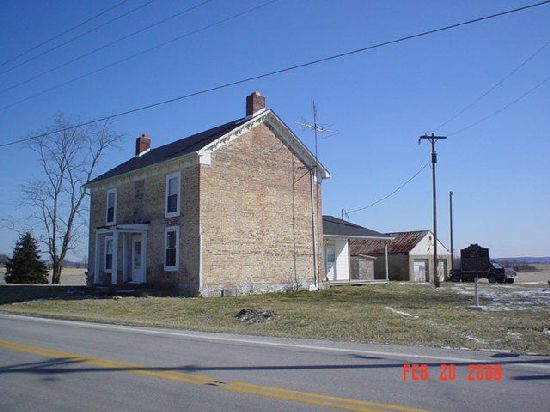
The inn was built 1800-01 by Peter Wickerham, a Revolutionary War veteran. It was used as an overnight stagecoach stop and tavern on Zane’s Trace until ca. 1850. Runaway slaves were hidden here when the “Underground Railroad” was in operation. Confederate soldiers, commanded by General John Hunt Morgan, slept in the inn on the night […]
1-2 Lima Locomotive Works

One of America’s largest and best known steam locomotive builders, the Lima Locomotive Works built 7,752 locomotives between 1879 and 1951. It rose to success building the patented Shay geared locomotive, an innovative design that became the standard for railroad logging. In the early 20th century Lima began building mainline locomotives, exemplified by the “Super-Power” […]
16-1 Reverend John Graham / West Union Associate Reformed Presbyterian Church
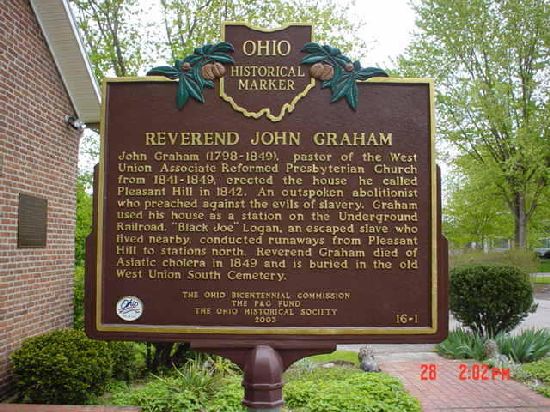
John Graham (1798-1849), pastor of the West Union Associate Reformed Presbyterian Church from 1841-1849, erected the house he called Pleasant Hill in 1842. An outspoken abolitionist who preached against the evils of slavery, Graham used his house as a station on the Underground Railroad. “Black Joe” Logan, an escaped slave who lived nearby, conducted runaways […]
17-1 Manchester
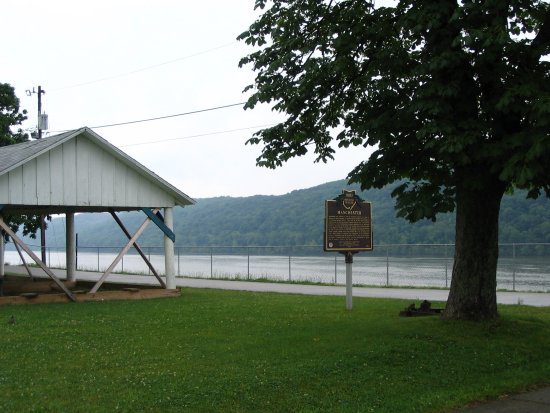
Manchester was founded in 1791 by Nathaniel Massie as a base to survey the land warrants of American Revolutionary War soldiers in the Virginia Military District. This bank of the Ohio River provided a secure site for the last civilian stockade built in Ohio. The natural protection of this fortification included marshland to the west […]