 Skip to content

35-31 Robert S. Duncanson
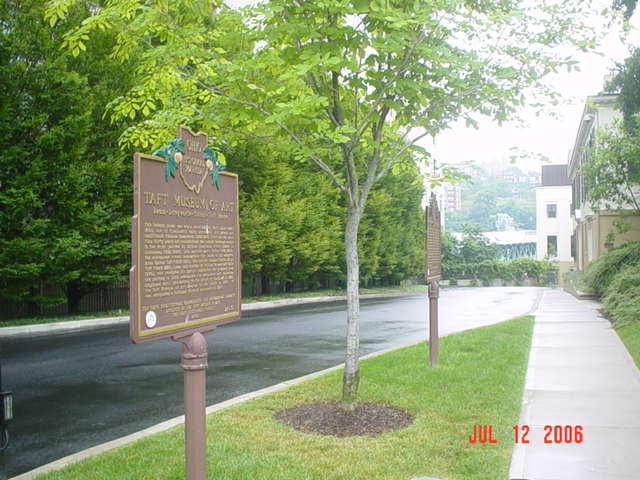
The first African American artist to achieve international acclaim, painter Robert S. Duncanson (1821-1872) was born in New York and settled in Cincinnati in 1840. He pursued his artistic career during a time of tremendous racial prejudice and was acknowledged as the “best landscape painter in the West.” Arts patron Nicholas Longworth commissioned murals from […]
34-31 Albert B. Sabin, M.D., 1906-1993

Albert B. Sabin developed the oral, live-virus polio vaccine at the University of Cincinnati College of Medicine and Children’s Hospital Research Foundation, where between 1939 and 1969, he conducted his most significant research. His vaccine has nearly eradicated the dreaded “infantile paralysis” that killed or maimed millions of children. Dr. Sabin, who considered Cincinnati his […]
33-31 Findlay Market / General James Findlay (1770-1835)
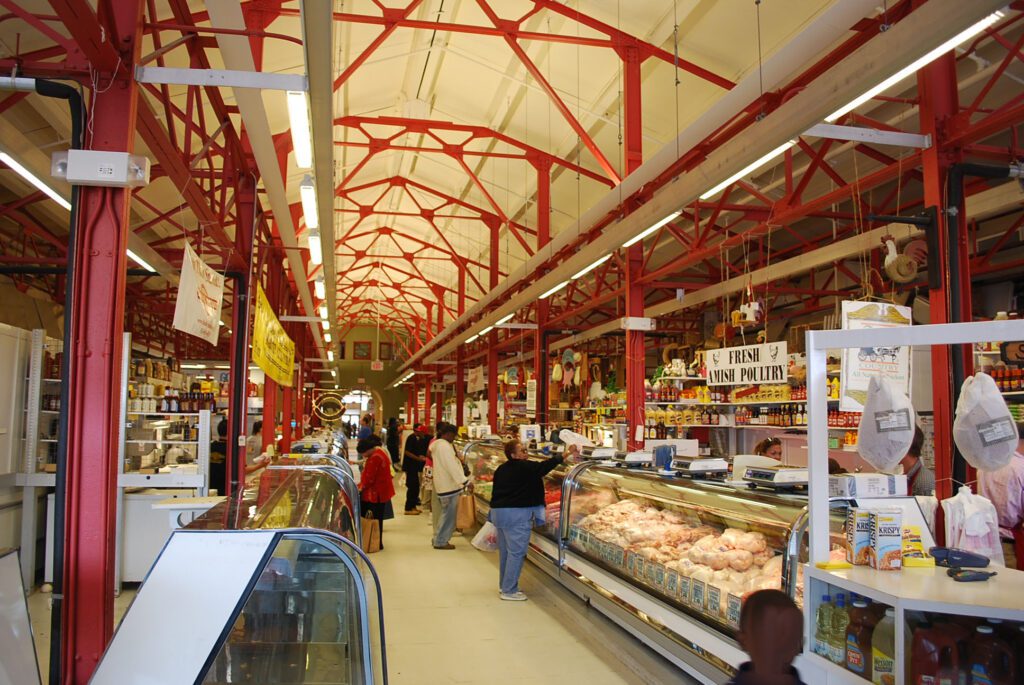
Ohio’s oldest surviving municipal market house, Findlay Market was designed under the direction of City Civil Engineer Alfred West Gilbert (1816-1900). It was listed on the National Register of Historic Places in 1972. The structure was among the first market houses in the United States to use iron frame construction technology. Originally an open pavilion, […]
32-31 Cincinnati Public Markets / The Northern Liberties
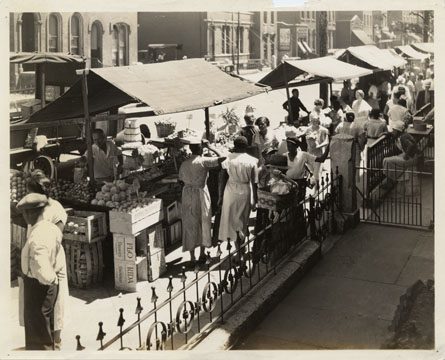
Public markets housing butchers, fish merchants, and produce vendors were once the primary source of perishable foods for residents of America’s cities. Cincinnati operated nine in 1859. Only Findlay Market, built here in 1852, survives. Cincinnati’s lost indoor markets include: Fifth Street Market: 1829 to 1870, Fifth between Vine and Walnut Wade Street Market: 1848 […]
31-31 Cary Cottage
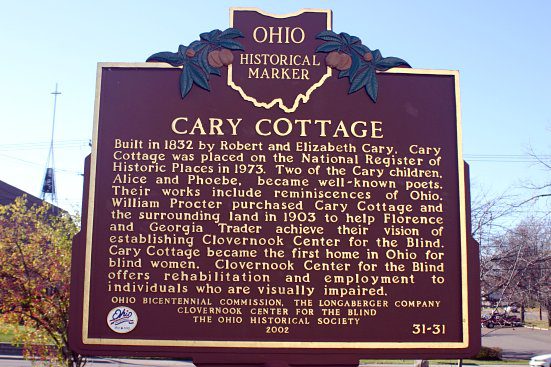
Built in 1832 by Robert and Elizabeth Cary, Cary Cottage was placed on the National Register of Historic Places in 1973. Two of the Cary children, Alice and Phoebe, became well-known poets. Their works include reminiscences of Ohio. William Procter purchased Cary Cottage and the surrounding land in 1903 to help Florence and Georgia Trader […]
30-31 Stearns and Foster Company
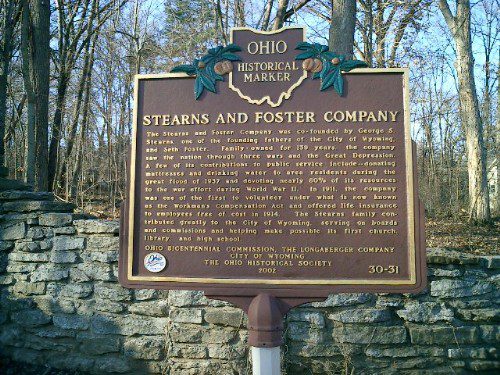
The Stearns and Foster Company was co-founded by George S. Stearns, one of the founding fathers of the City of Wyoming, and Seth Foster. Family-owned for 139 years, the company saw the nation through three wars and the Great Depression. A few of its contributions to public service include-donating mattresses and drinking water to area […]
29-31 Harriet Beecher Stowe
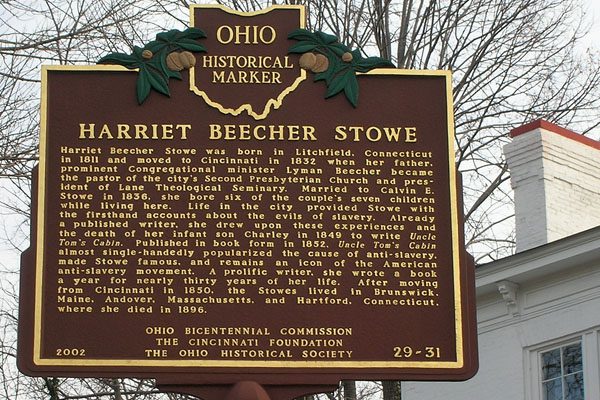
Harriet Beecher Stowe was born in Litchfield Connecticut in 1811 and moved to Cincinnati in 1832 when her father, prominent Congregational minister Lyman Beecher became the pastor of the city’s Second Presbyterian Church and president of Lane Theological Seminary. Married to Calvin E. Stowe in 1836, she bore six of the couple’s seven children while […]
28-31 Waldschmidt Cemetery Camp Dennison, Ohio
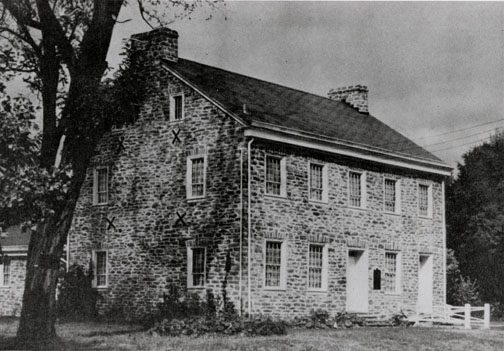
Waldschmidt Cemetery is located on land purchased from former New Jersey judge and Congressman John Cleves Symmes in 1795 by Christian Waldschmidt, one of the first settlers in the Little Miami River Valley. Waldschmidt, from Lancaster, Pennsylvania, was a veteran of the American Revolution, and he and his family are buried here. During the Civil […]
27-31 John James Audubon in Cincinnati
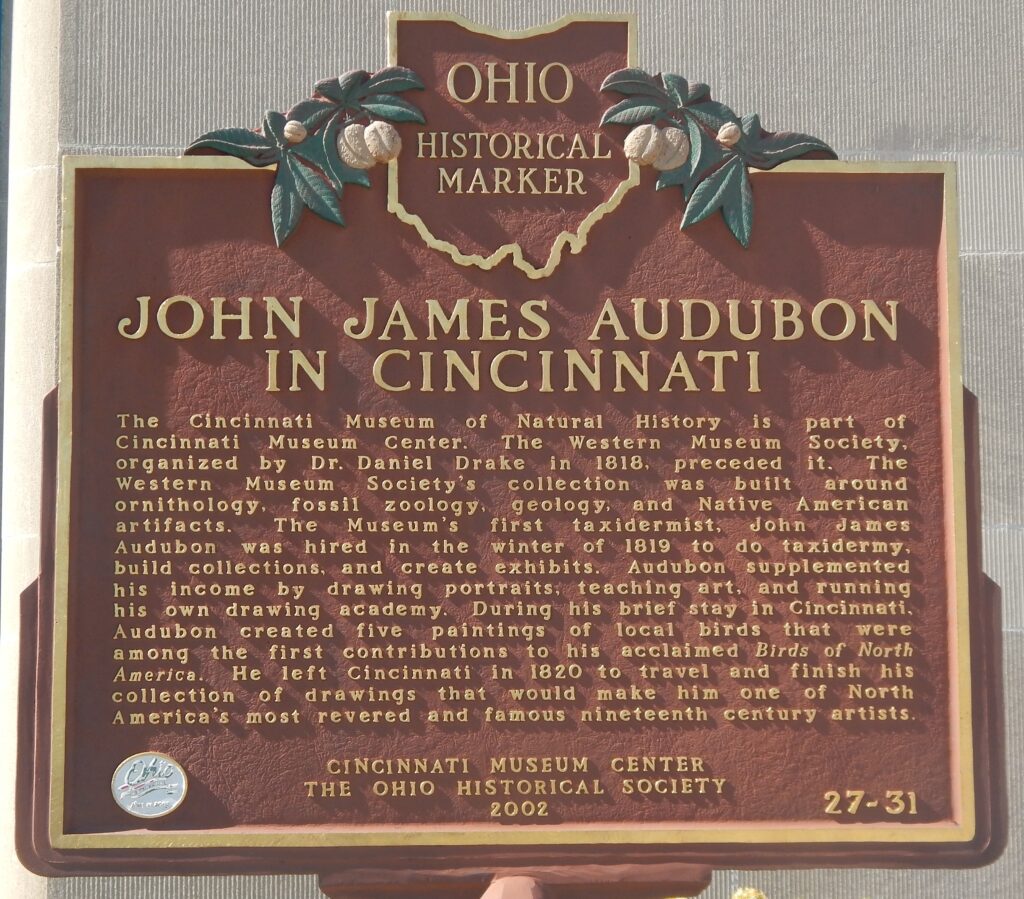
The Cincinnati Museum of Natural History is part of Cincinnati Museum Center. The Western Museum Society, organized by Dr. Daniel Drake in 1818, preceded it. The Western Museum Society’s collection was built around ornithology, fossil zoology, geology, and Native American artifacts. The Museum’s first taxidermist, John James Audubon was hired in the winter of 1819 […]
26-31 Cincinnati Union Terminal
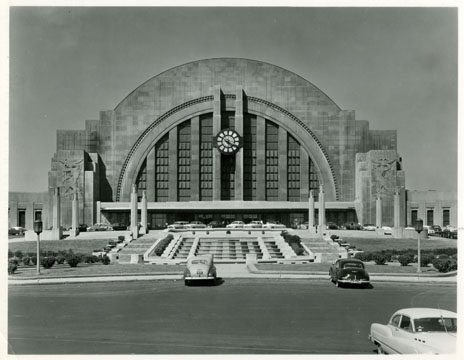
The Cincinnati Union Terminal opened in March 1933 and integrated rail travel in the city, which previously operated from five separate passenger terminals. Built when rail travel was already in decline, Union Terminal stopped operating as a passenger railroad station in 1972. Only during WWII was the terminal used to capacity with as many as […]