 Skip to content

49-31 The Madisonville Site
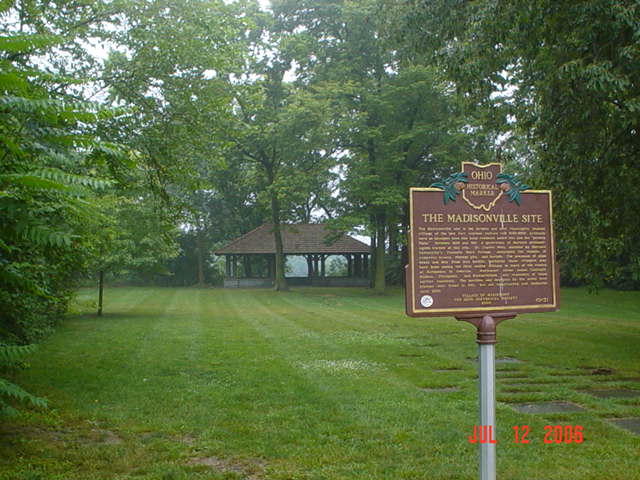
The Madisonville site is the largest and most thoroughly studied village of the late Fort Ancient culture (AD 1450 – 1670). Artifacts were so abundant here that local residents called this site the “pottery field.” Between 1879 and 1911, a generation of Harvard archaeologists trained at this site. Dr. Charles Metz, assisted by Harvard University’s […]
48-31 Powhatan Beaty / Union Baptist Cemetery
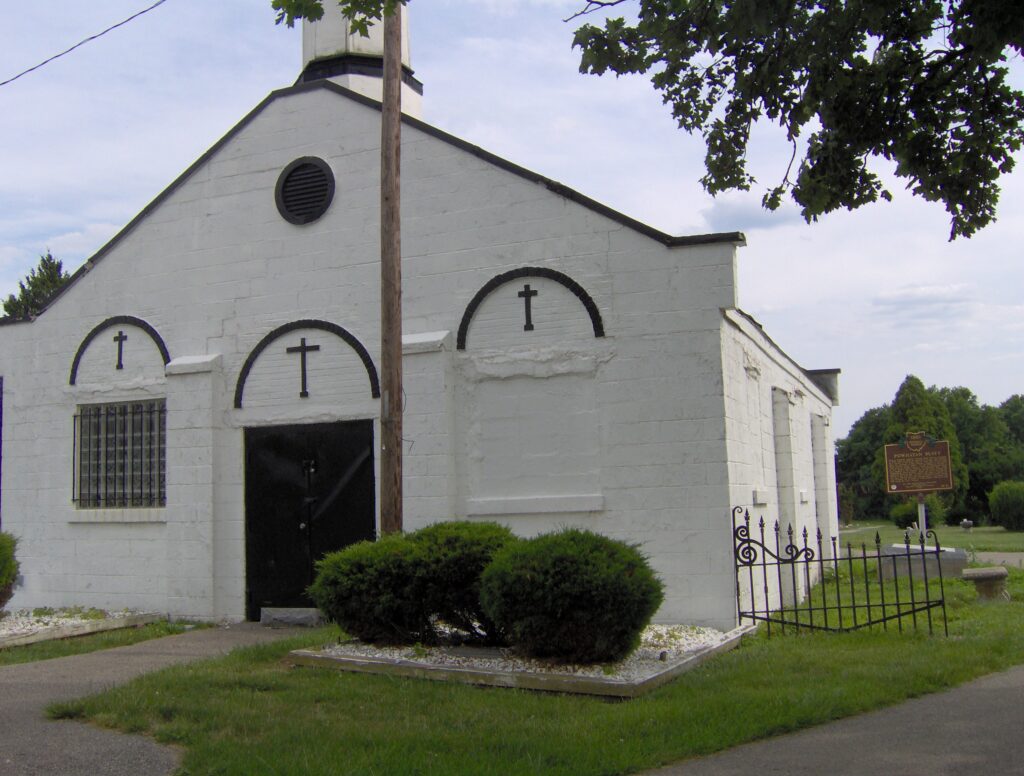
Born in Richmond, Virginia, Powhatan Beaty moved to Cincinnati in 1849, where he spent the majority of his life. Beaty enlisted as a private in the Union Army in June 1863, and two days later was promoted to first sergeant, Company G, 5th United States Colored Troops (USCT). All the officers of Company G were […]
47-31 William Henry Harrison / Benjamin Harrison
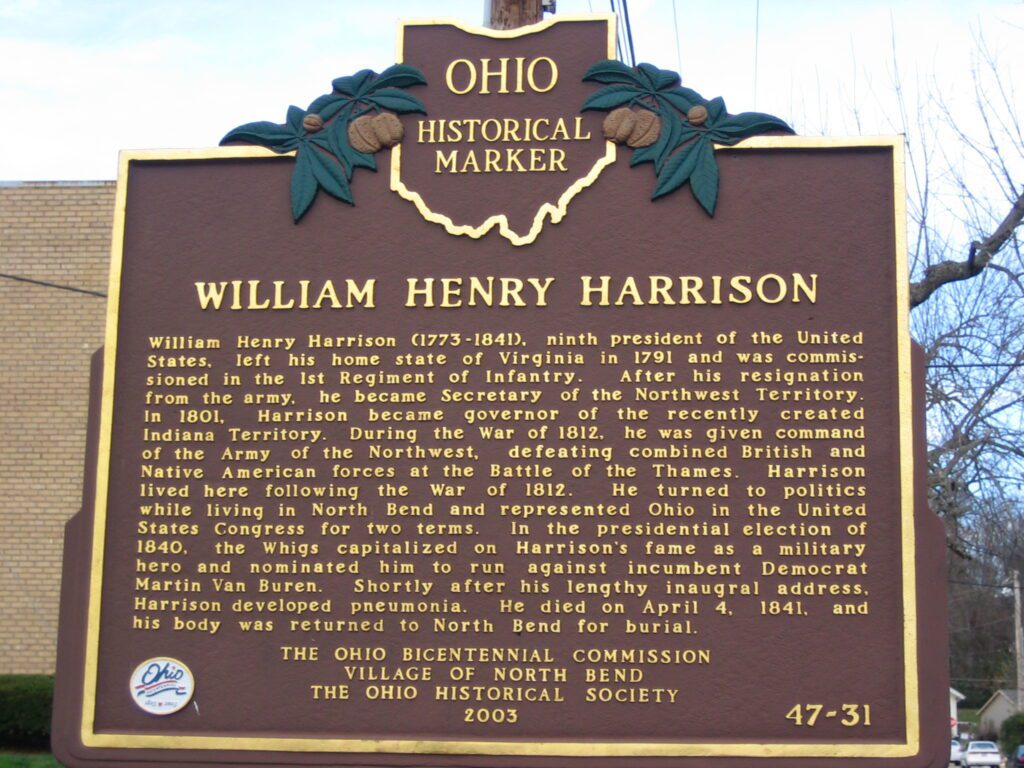
William Henry Harrison (1773-1841), ninth president of the United States, left his home state of Virginia in 1791 and was commissioned in the 1st Regiment of Infantry. After his resignation from the army, he became Secretary of the Northwest Territory. In 1801, Harrison became governor of the recently created Indiana Territory. During the War of […]
46-31 The Jacob Rader Marcus Center of The American Jewish Archives

Dr. Jacob Rader Marcus (1896-1995), pioneering historian of the American Jew, founded the American Jewish Archives (AJA) in Cincinnati in 1947. In the aftermath of World War II and the brutal destruction of European Jewry, Marcus anticipated the need to establish a central repository dedicated to preserving the history of North American Jewry. The AJA, […]
44-31 Hebrew Union College-Jewish Institute of Religion
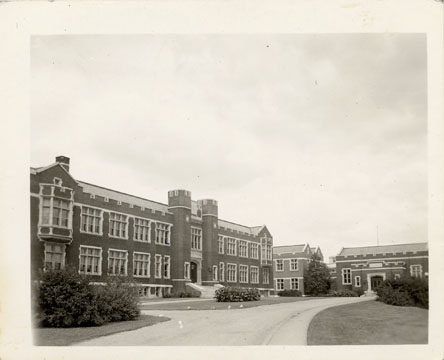
Hebrew Union College (HUC), founded in Cincinnati in 1875, is the oldest institution of higher Jewish learning in the United States. Its founder, Rabbi Isaac Mayer Wise (1819-1900), was a leading proponent of Reform Judaism in America. In 1950, the college merged with the Jewish Institute of Religion (JIR), a liberal Jewish seminary in New […]
43-31 William Howard Taft / Robert Alphonso Taft
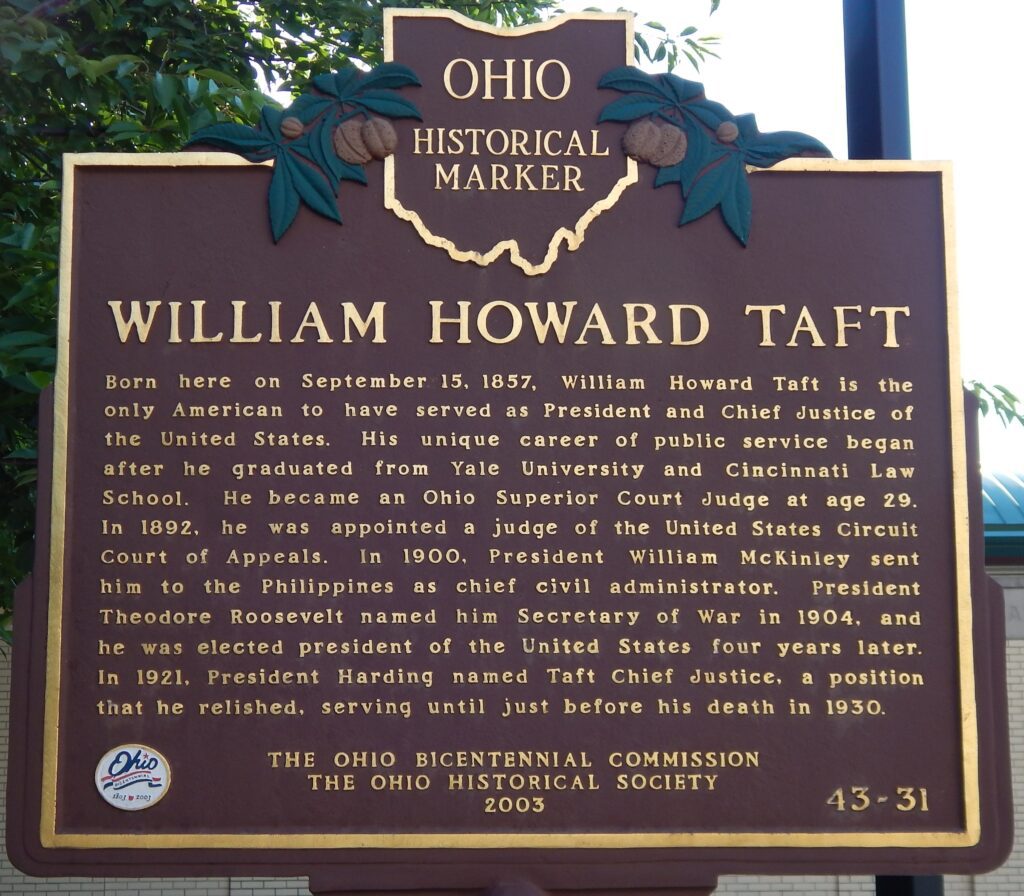
Born here on September 15, 1857, William Howard Taft is the only American to have served as President and Chief Justice of the United States. His unique career of public service began after he graduated from Yale University and Cincinnati Law School. He became an Ohio Superior Court Judge at age 29. In 1892, he […]
42-31 Ohio’s First Publicly Owned Water System
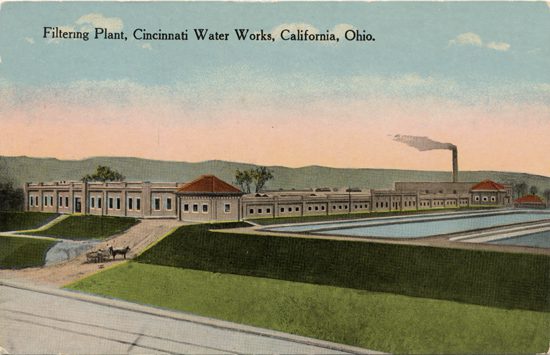
On June 25, 1839, Greater Cincinnati Water Works became the first publicly owned water system in Ohio, when the city purchased a privately owned water company in operation since 1821. This purchase required approval of the voters of Cincinnati and authorization by the Ohio State Legislature. The Water Works, with two steam pumps at this […]
41-31 Rabbi Isaac Mayer Wise and The Plum Street Temple
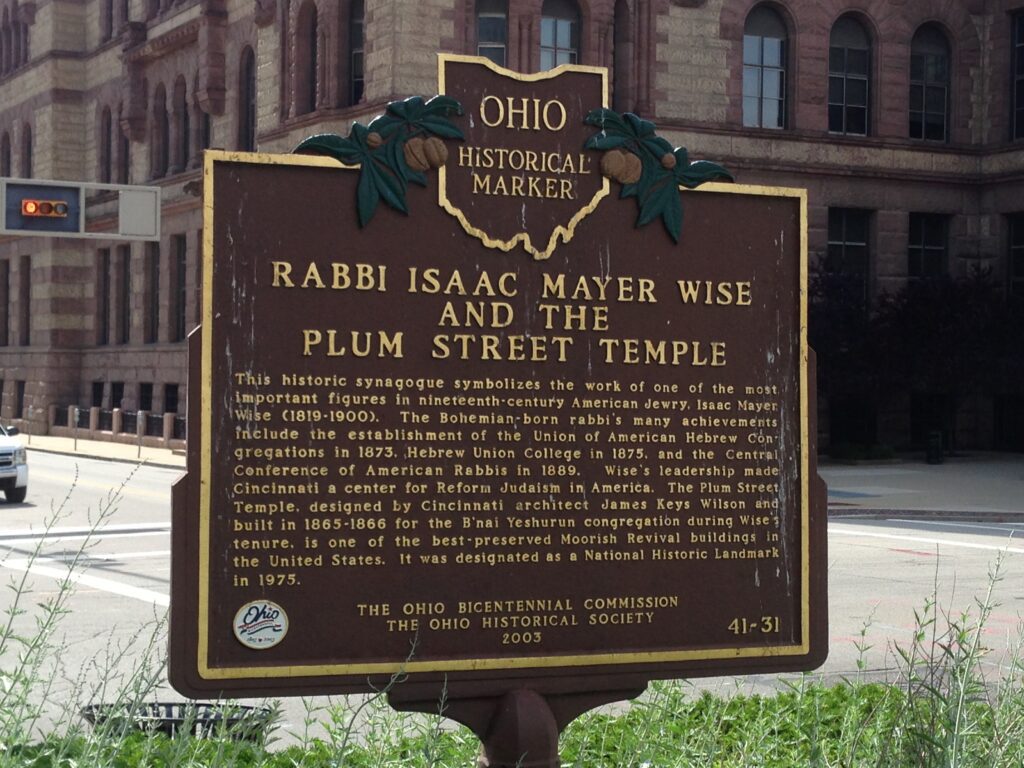
This historic synagogue symbolizes the work of one of the most important figures in nineteenth-century American Jewry, Isaac Mayer Wise (1819-1900). The Bohemian-born rabbi’s many achievements include the establishment of the Union of American Hebrew Congregations in 1873, Hebrew Union College in 1875, and the Central Conference of American Rabbis in 1889. Wise’s leadership made […]
40-31 Village of Glendale, 1855
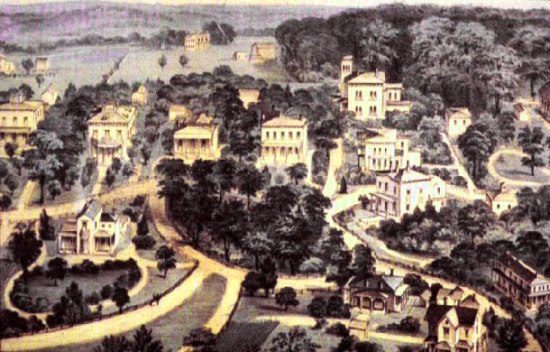
Established in 1851 after the addition of the Cincinnati, Hamilton, and Dayton Railway, Glendale incorporated in 1855 as Ohio’s first planned community and one of the nation’s first planned villages. The original planning included forested greenbelts and parks, curvilinear streets meandering around established trees, large lots, and superior building standards. Glendale is designated as a […]
39-31 The Betts House, 1804
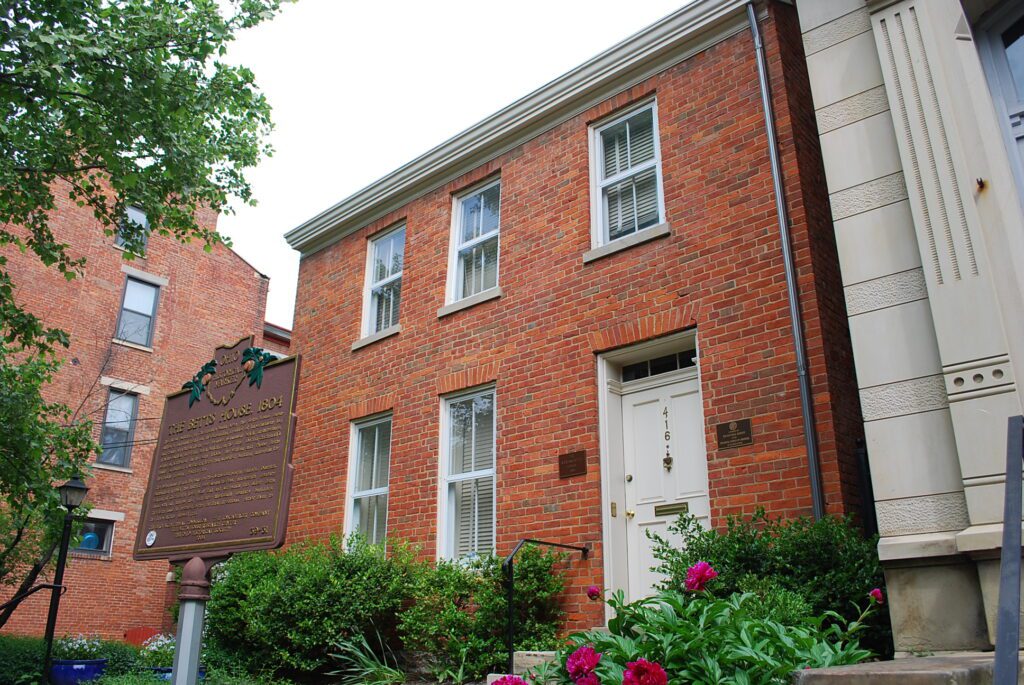
The oldest building in Cincinnati’s basin area, the Betts House exemplifies a national trend on the expanding frontier of impermanent log and frame structures giving way to more permanent brick architecture. It is the earliest surviving brick building in the city. During Cincinnati’s period of settlement in the early 1800s, the William and Phebe Betts […]