 Skip to content

91-31 Daniel Drake, M.D.
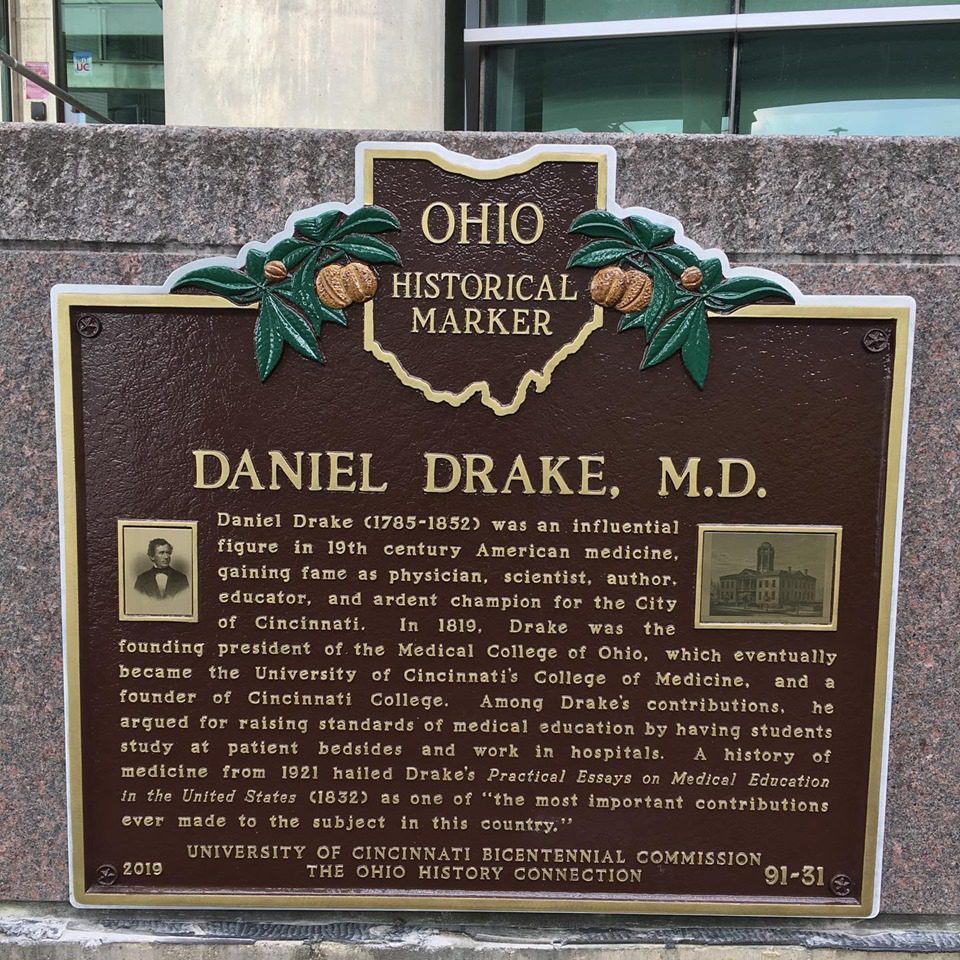
Daniel Drake, M.D.. Daniel Drake (1785-1852) was an influential figure in 19th century American medicine, gaining fame as physician, scientist, author, educator, and ardent champion for the City of Cincinnati. In 1819, Drake was the founding president of the Medical College of Ohio, which eventually became the University of Cincinnati’s College of Medicine, and a […]
90-31 Clark Stone House

The Clark Stone House, constructed around 1801 by James Clark (1765-1852), is one of the oldest standing stone houses in Ohio. Clark, who served as a drummer in the Battle of Yorktown (1781), came with his family to Anderson Township in 1797 and bought this land along Clough Creek. Clark was a mathematician, taught school, […]
89-31 Columbia Presbyterian & Fulton Cemeteries / William Brown
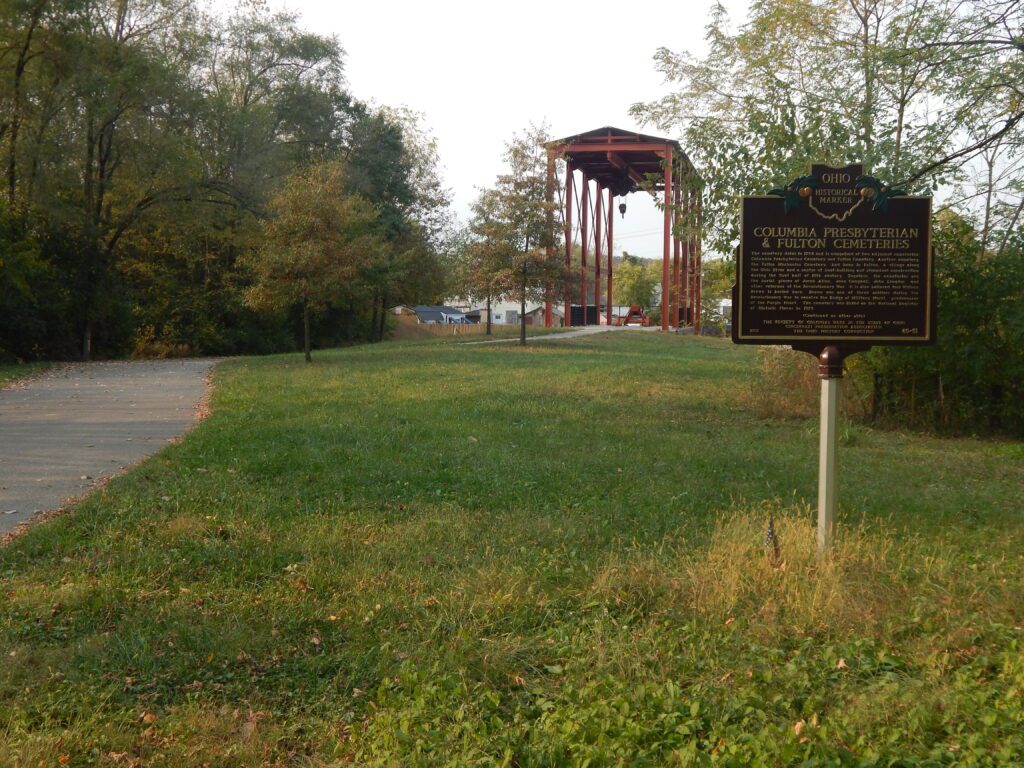
The cemetery dates to 1794 and is comprised of two adjacent cemeteries: Columbia Presbyterian Cemetery and Fulton Cemetery. Another cemetery, the Fulton Mechanics Cemetery, had been in Fulton, a village along the Ohio River and a center of boat-building and steamboat construction during the first half of 19th century. Together, the cemeteries are the burial […]
88-31 Inventor Obed Hussey Test His Reaper, 1835
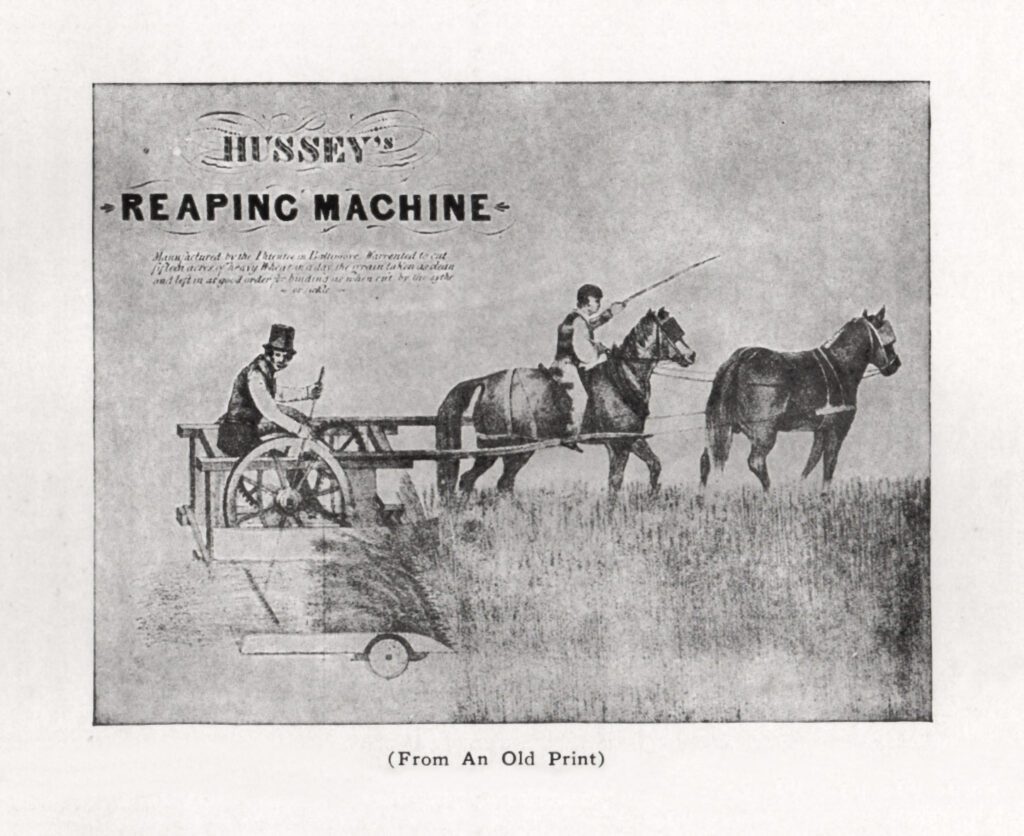
Mechanical reapers enabled farmers to harvest much more grain than they could by sickle or scythe. In June 1835, in a field 800 feet southeast of Mill Creek, inventor Obed Hussey (1791-1860) tested what he upheld as the first successful reaper. Blacksmith John Lane, miller Jediah Hill, Hill’s son-in-law Henry Rogers, brothers Algernon and Thomas […]
81-31 Camp Joy
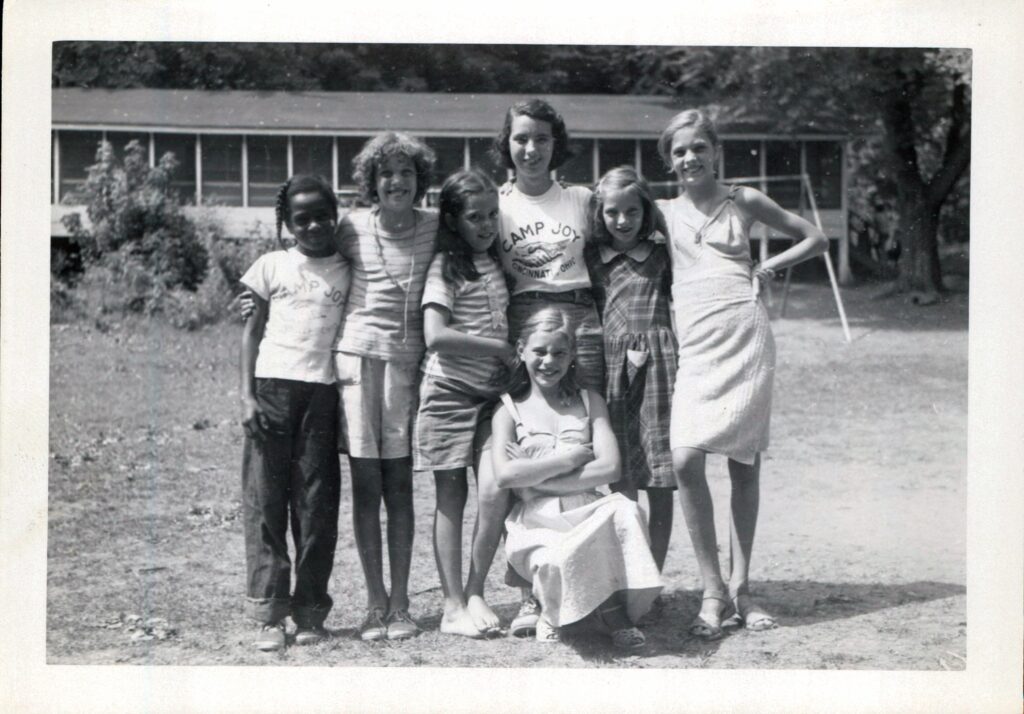
Camp Joy was born at the site of Seven Hills Neighborhood House and original location of St. Barnabas Episcopal Mission Church. Displacement and loss caused by Ohio River flood of 1937 inspired St. Barnabas’ rector and his wife, Laurence “Cap” and Sadie Hall, to act on behalf of the children of Cincinnati’s West End. The […]
87-31 The Sisters of Notre Dame de Namur (SNDdeN) / (SNDdeN) Educational Works
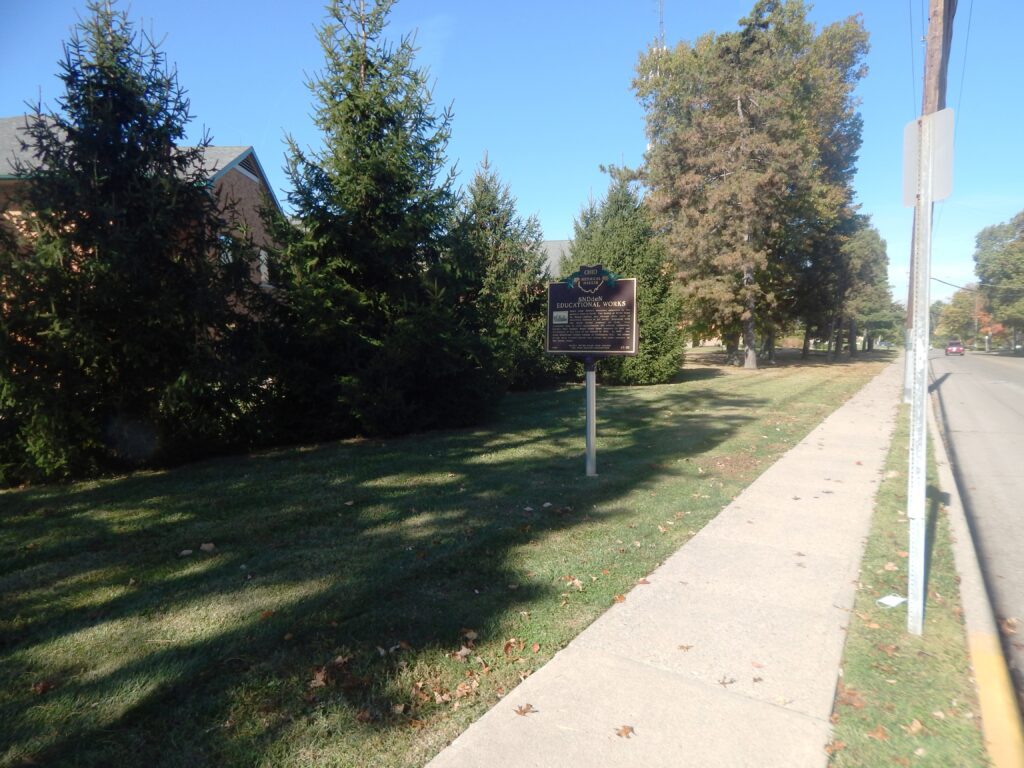
The Sisters of Notre Dame de Namur were founded in 1804 by Saint Julie Billiart to spread the message “Ah, how good it is to serve God.” In 1840, at the request of Bishop John B. Purcell in 1840, the Sisters travelled to Cincinnati, Ohio to help educate the city’s growing Catholic population. Choosing to […]
86-31 James Norris Gamble (1836-1932)
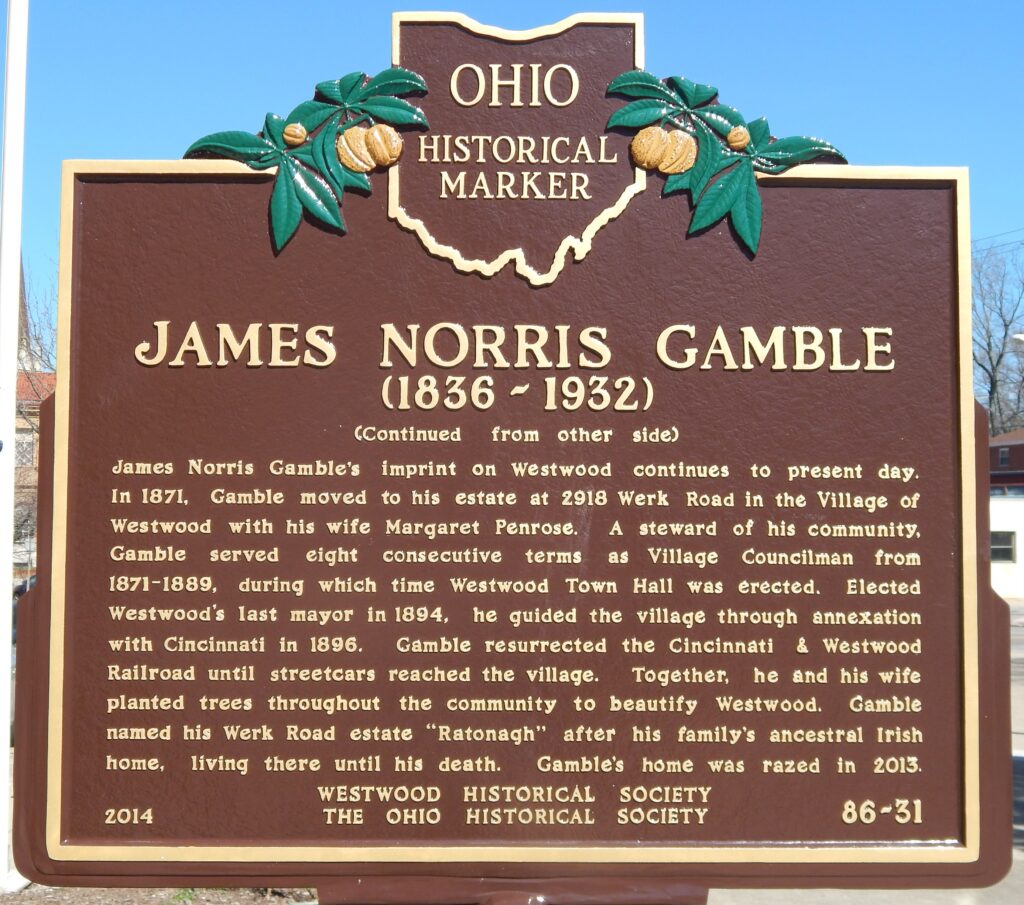
James Norris Gamble, entrepreneur, industrialist, philanthropist and civic leader, is best known for inventing Procter & Gamble’s Ivory Soap, the “soap that floats,” in 1878. Applying a scientific approach, Gamble transformed P&G into a nationally recognized corporate leader and creator of consumer products for a rapidly growing America. Beyond P&G, Gamble financed early efforts to […]
85-31 Norwood High School
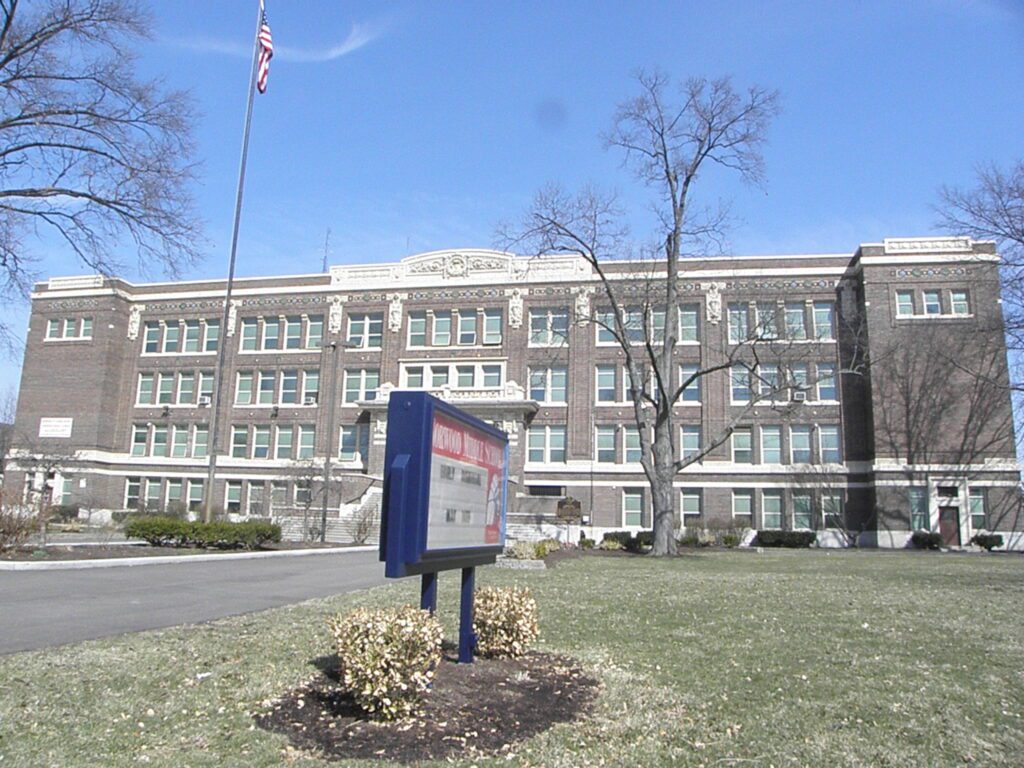
In 1910, voters approved a $275,000 bond issue to construct this school on seven and one-half acres of an old orchard on Sherman Avenue. Opened in 1914, Norwood High School offered standard educational classes as well as home economics, manual training, and commercial courses. Increased enrollment required additions of an east wing in 1924, a […]
84-31 Good Will Fresh Air Camp: “Good Will Fresh Air Farm Spells Happiness to Children; Adults”
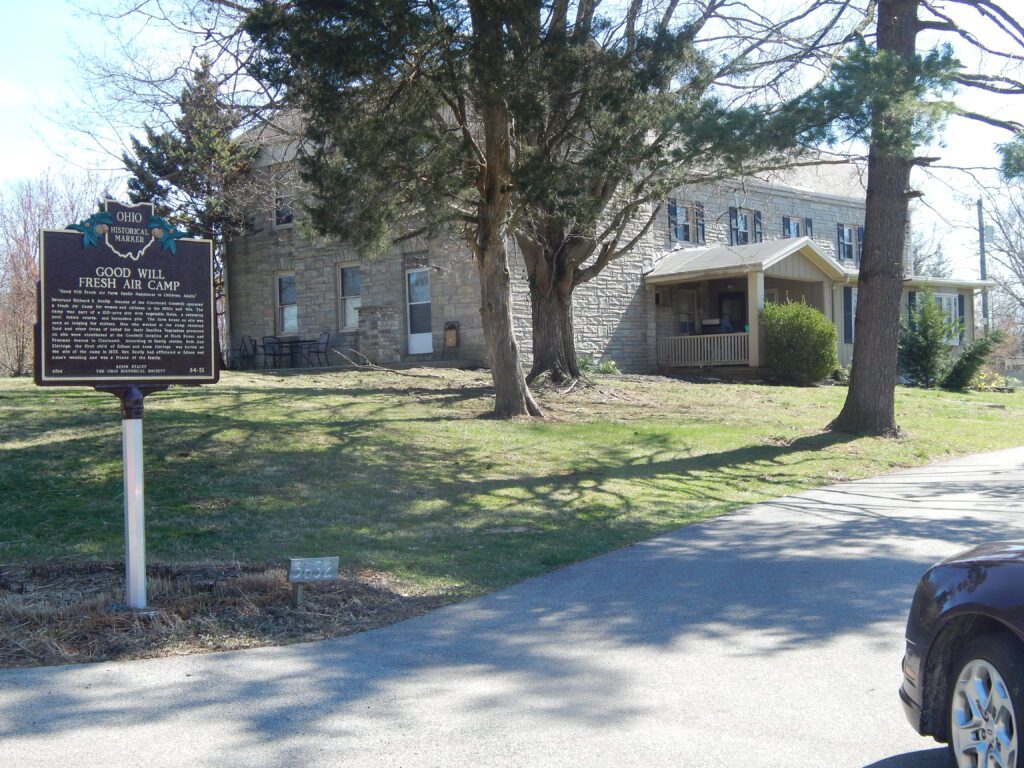
Reverend Richard E. Scully, founder of the Cincinnati Goodwill operated a Fresh Air Camp for women and children in the 1930s and 40s. The camp was part of a 100-acre site with vegetable fields, a swimming pool, tennis courts and horseshoe pits. The farm house on site was used as lodging for visitors. Men who […]
83-31 Morgan’s First Skirmish in Ohio
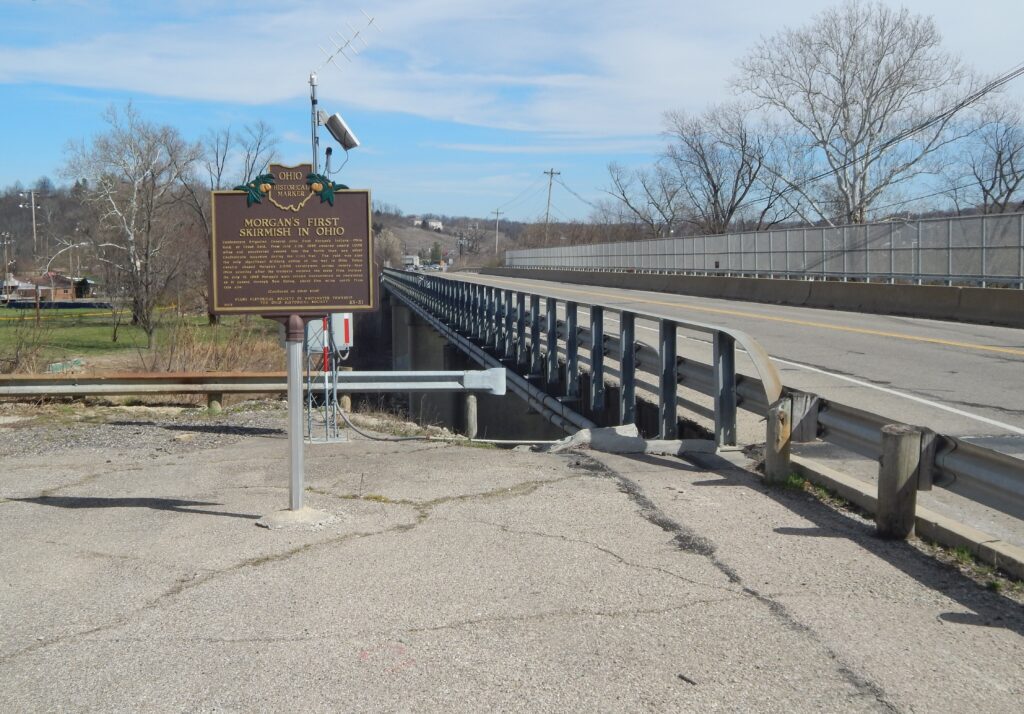
Confederate Brigadier General John Hunt Morgan’s Indiana-Ohio Raid, or Great Raid, from July 2-26, 1863 covered nearly 1,000 miles and penetrated deeper into the North than any other Confederate incursion during the Civil War. The raid was also the only significant military action of the war in Ohio. Union cavalry chased Morgan’s 2,000 cavalrymen across […]