 Skip to content

10-42 General Daniel Harris Reynolds, C.S.A.
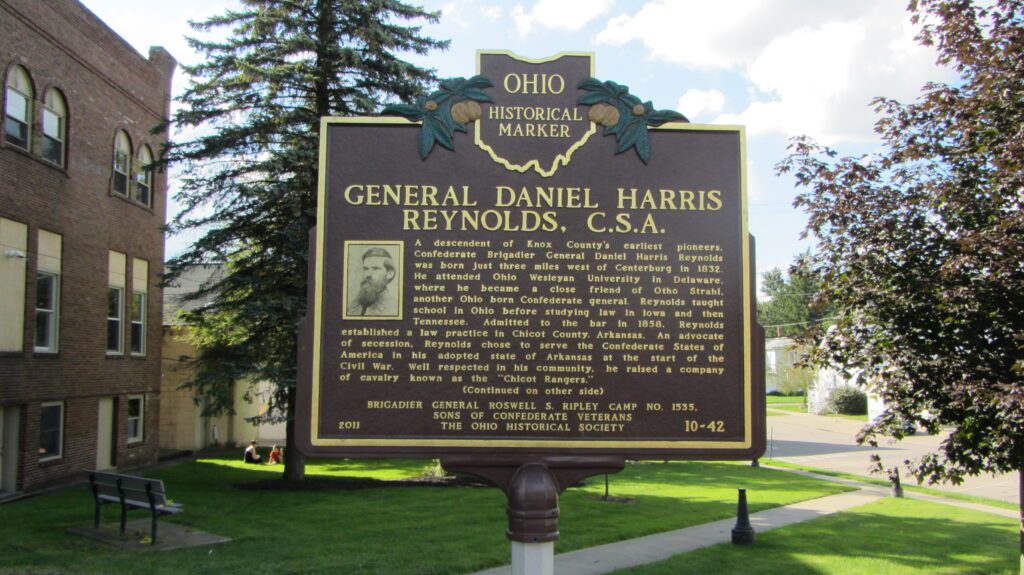
A descendent of Knox County’s earliest pioneers, Confederate Brigadier General Daniel Harris Reynolds was born just three miles west of Centerburg in 1832. He attended Ohio Wesleyan University in Delaware, where he became a close friend of Otho Strahl, another Ohio born Confederate general. Reynolds taught school in Ohio before studying law in Iowa and […]
9-42 Lakeholm Administration Building, Mount Vernon Nazarene University
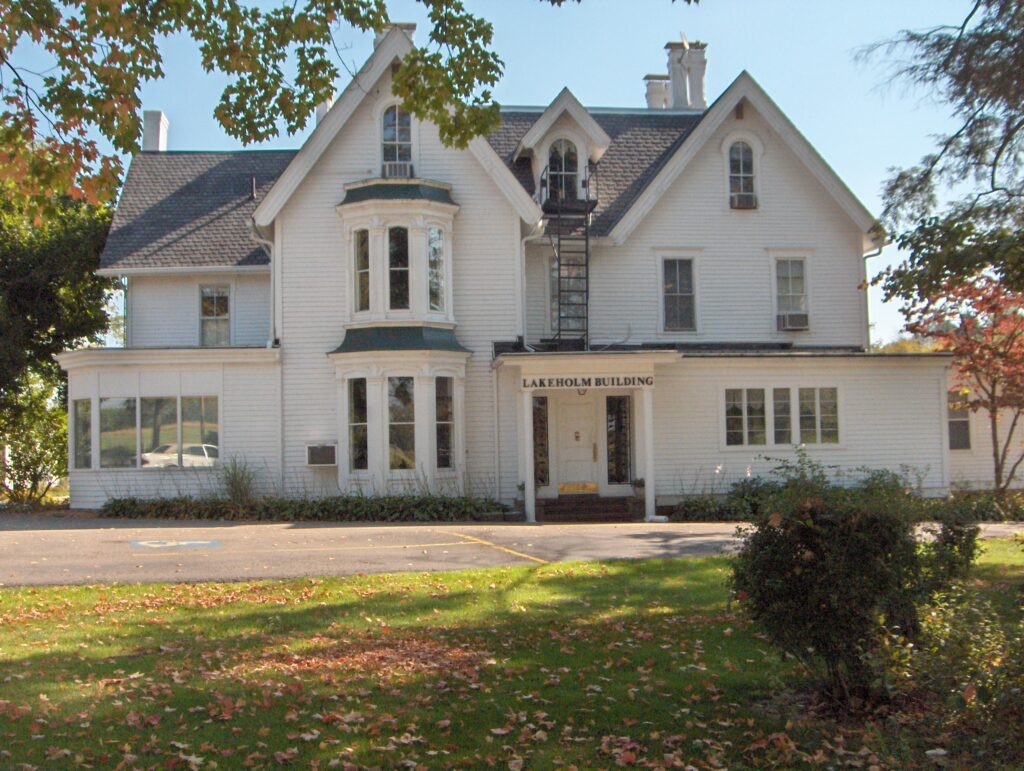
Lakeholm was built as the home of Columbus Delano while serving as Secretary of the Interior under President Ulysses S. Grant from 1870 to 1875. Delano (1809-1896) came to Mount Vernon in 1817, attended public schools, studied law, and was admitted to the bar in 1831. In addition to practicing law in Mount Vernon and […]
8-42 Colonel Lorin Andrews “First to Fight”
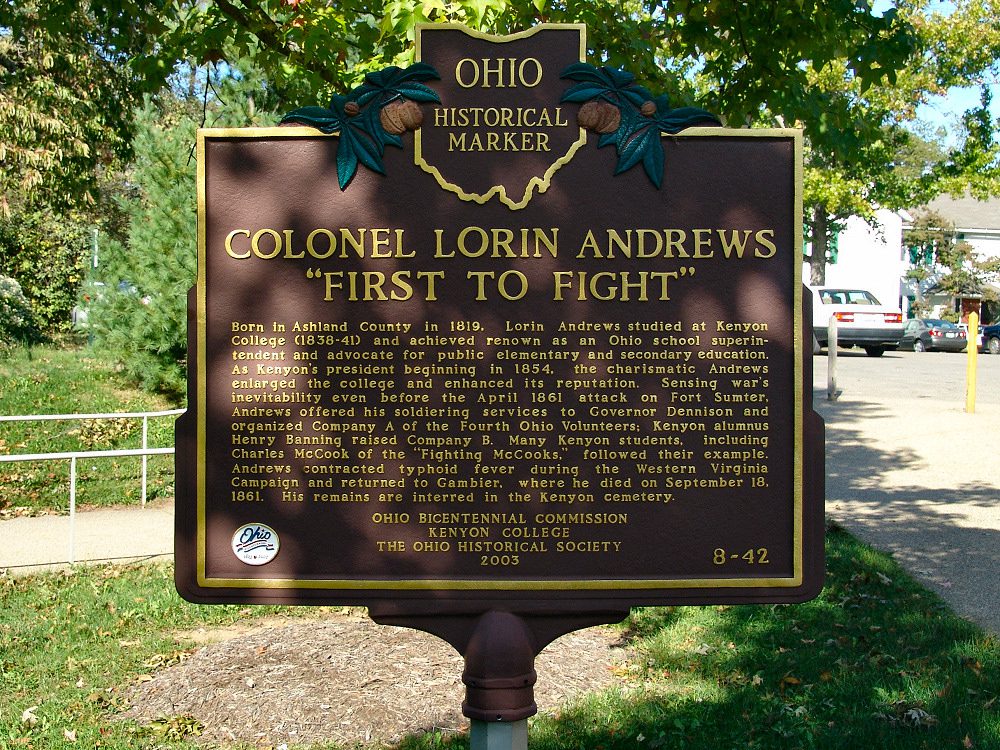
Born in Ashland County in 1819, Lorin Andrews studied at Kenyon College (1838-41) and achieved renown as an Ohio school superintendent and advocate for public elementary and secondary education. As Kenyon’s president beginning in 1854, the charismatic Andrews enlarged the college and enhanced its reputation. Sensing war’s inevitability even before the April 1861 attack on […]
7-42 Kenyon College, Pioneer in Higher Education
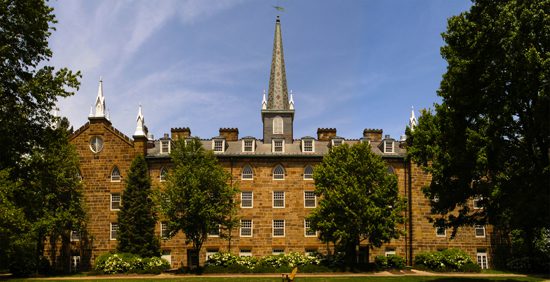
The state’s oldest private institution of higher education, Kenyon College was founded in 1824 in Worthington by Philander Chase, first Episcopal bishop of Ohio, and relocated to Gambier four years later. Both college and village are named for British benefactors, statesman Lord Kenyon and naval hero Lord Gambier. Throughout its history, Kenyon has prepared men […]
6-42 John Crowe Ransom & The Kenyon Review
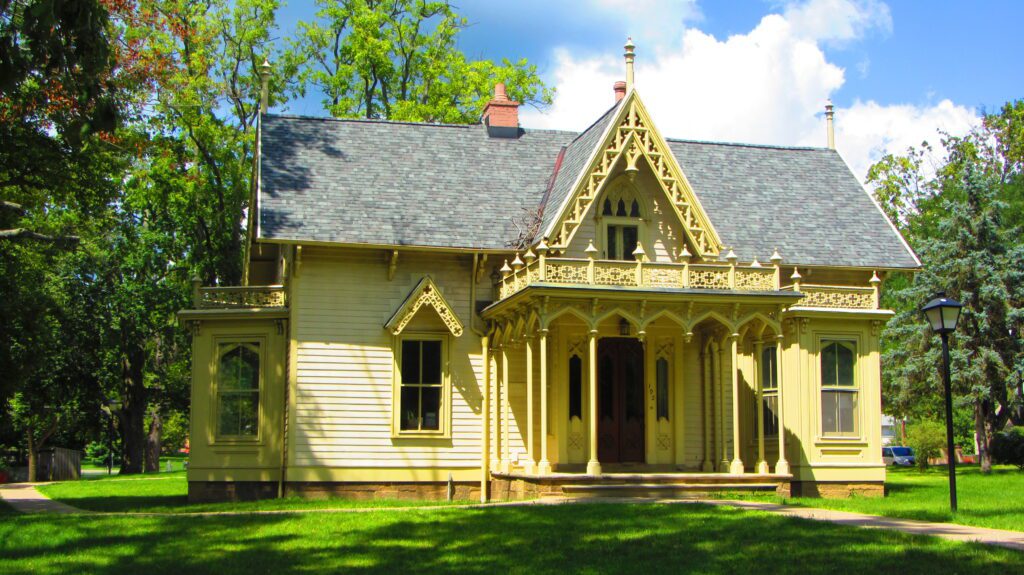
In 1938 the president of Kenyon College, Gordon Keith Chalmers, brought one of the nation’s most distinguished poets and critics, John Crowe Ransom, to the Gambier Hill. Chalmers brought Ransom to Kenyon College to create a distinguished literary review. With its first appearance late in 1938, The Kenyon Review would become one of the most […]
5-42 Vallandigham’s Speech, 1863
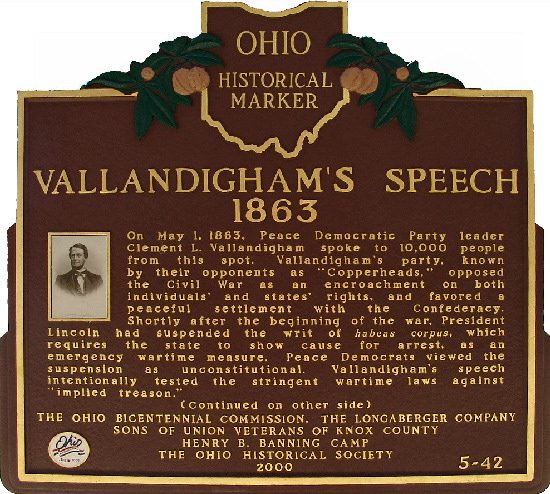
On May 1, 1863, Peace Democratic Party leader Clement L. Vallandigham spoke to 10,000 people from this spot. Vallandigham’s party, known by their opponents as “Copperheads,” opposed the Civil War as an encroachment on both individuals’ and states’ rights, and favored a peaceful settlement with the Confederacy. Shortly after the beginning of the war, President […]
4-42 Johnny Appleseed’s Early Landholdings
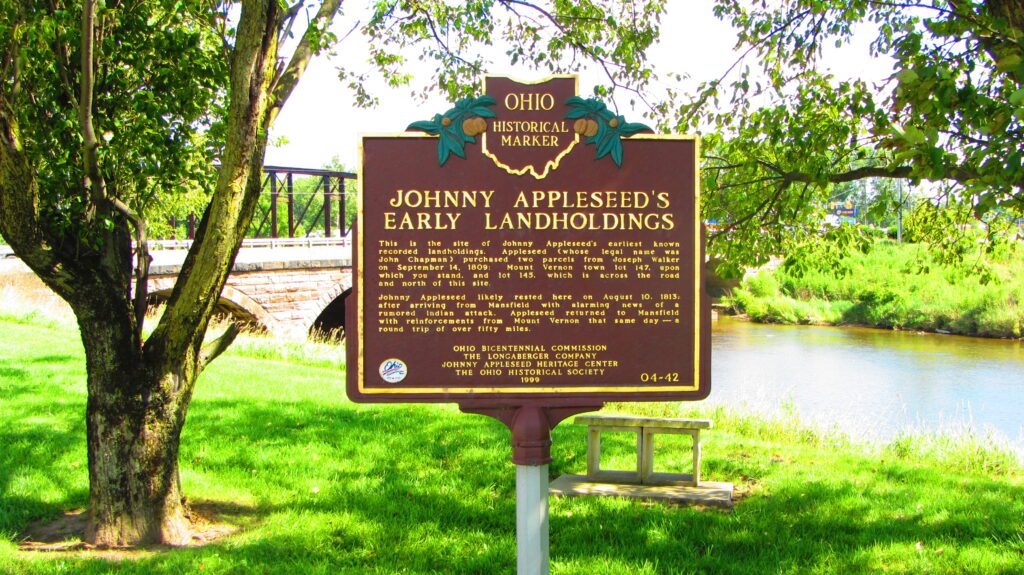
This is the site of Johnny Appleseed’s earliest known recorded landholdings. Appleseed (whose legal name was John Chapman) purchased two parcels from Joseph Walker on September 14, 1809: Mount Vernon town lot 147, upon which you stand, and lot 145, which is across the road and north of this site. Johnny Appleseed likely rested here […]
3-42 Mary Ann Ball (Mother Bickerdyke)
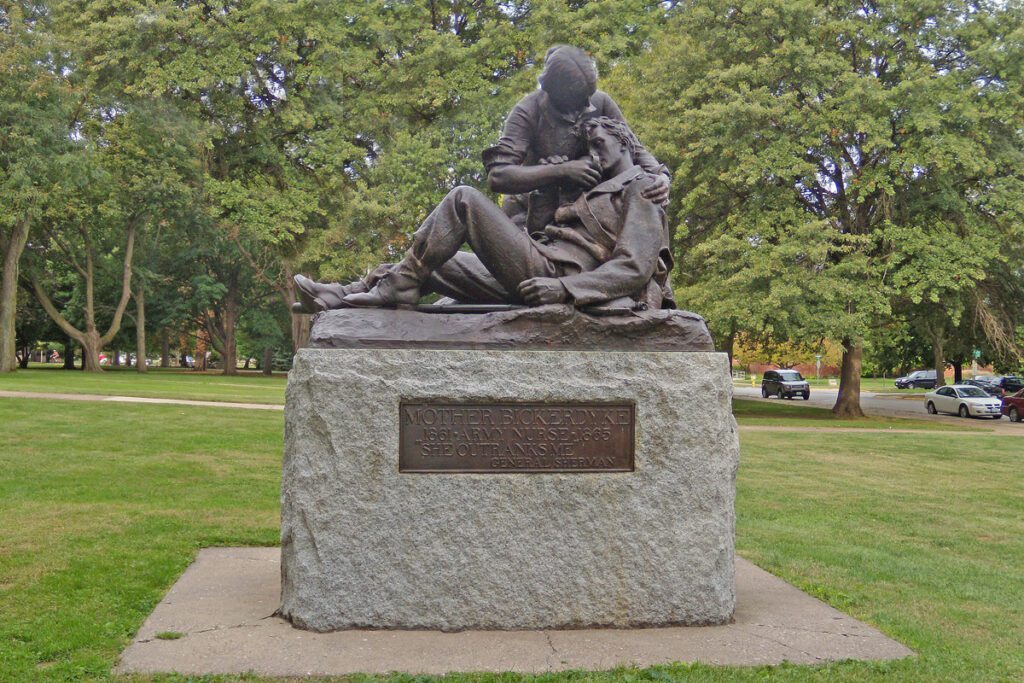
Mary Ann Ball was born in this vicinity in 1817 and began her nursing career at age 20. When the Civil War broke out in 1861, Mary at the age of 45 went to the soldiers’ aid. Ignoring rank, protocol, and allegiance, she pursued fearlessly and with inexhaustible energy her mission to care for the […]
2-42 Little Indian Fields
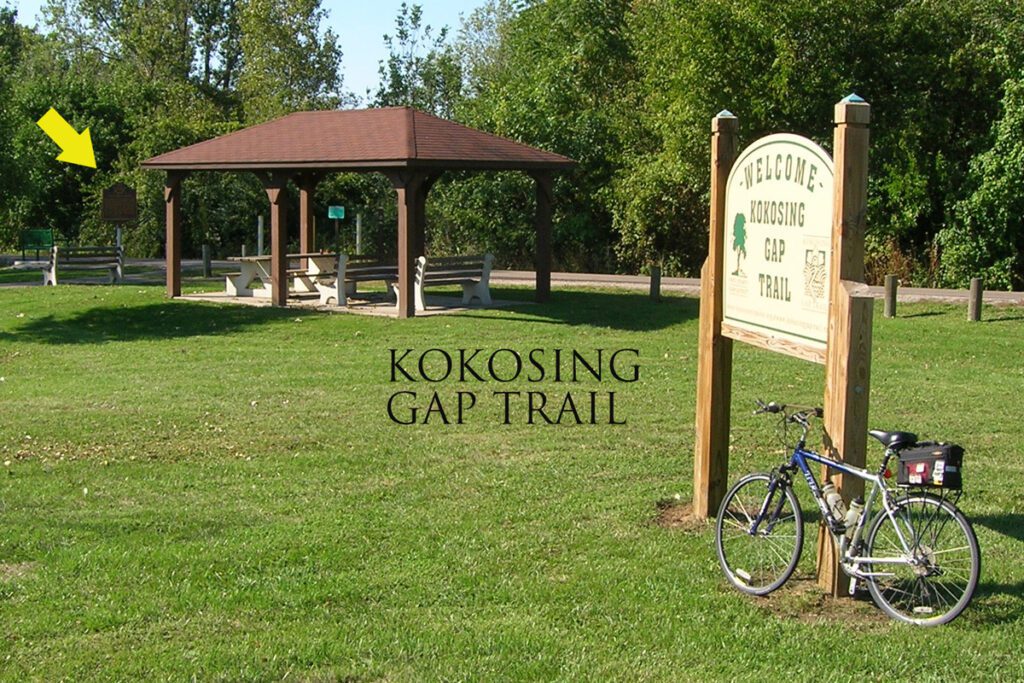
Named for the Native Americans who first dwelled here along both sides of the Kokosing River, the Little Indian Fields is adjacent to the site of the first white settlement of Knox County. Early white inhabitants of this land were Andrew and Catherine Craig and Benjamin and John Butler. John “Appleseed” Chapman planted an apple […]
1-42 Christ Church at the Quarry
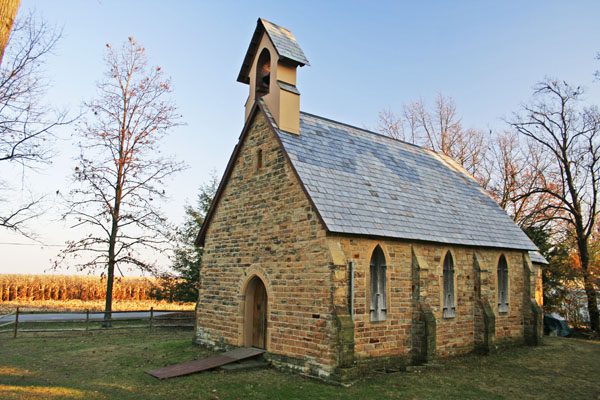
The stone masons brought from England by Bishop Chase to construct early buildings at Kenyon College settled in this area. In the 1850’s with the help of Episcopal Bishop Gregory T. Bedell, they and other families in the community built “Quarry Chapel” on land given by John Bateman. William Fish, owner of a nearby quarry, […]