 Skip to content

12-45 Buckeye Lake Park “The Playground of Ohio”
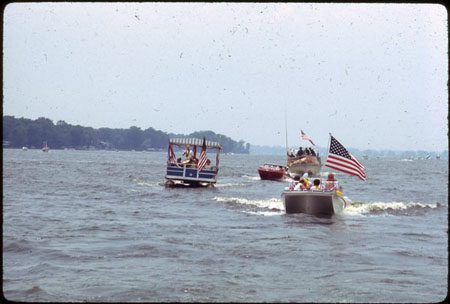
Using a four-mile long dam, the state of Ohio impounded the Licking Summit Reservoir in the mid-1820s to supply water for the Ohio and Erie Canal. In 1894, the state renamed it Buckeye Lake and developed it for recreational use. The Columbus, Buckeye Lake, and Newark Traction Company developed an “electric park” here, bringing in […]
11-45 Major General William Starke Rosecrans / Bishop Sylvester Horton Rosecrans
Soldier, engineer, and statesman, W.S. Rosecrans was born in Delaware County in 1819 and grew up in Homer. He graduated from West Point in 1842. During the Civil War, Rosecrans commanded the federal Army of the Cumberland. Popular with his troops, who called him “Old Rosy,” he was a cautious commander and, though victorious at, […]
10-45 Major General Charles Griffin
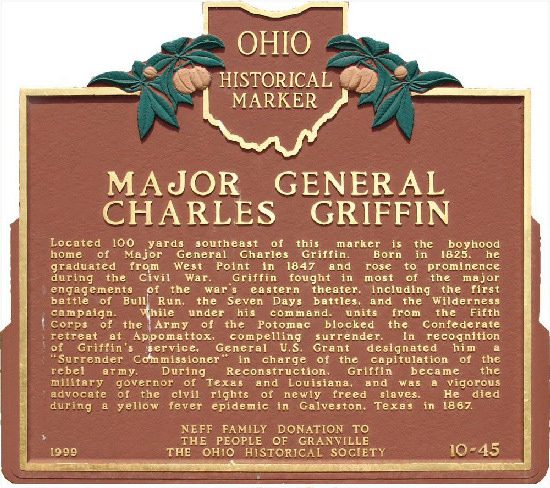
Located 100 yards southeast of this marker is the boyhood home of Major General Charles Griffin. Born in 1825, he graduated from West Point in 1847 and rose to prominence during the Civil War. Griffin fought in most of the major engagements of the war’s eastern theater, including the first battle of Bull Run, the […]
9-45 The Granville Academy / The Anti-Slavery Movement
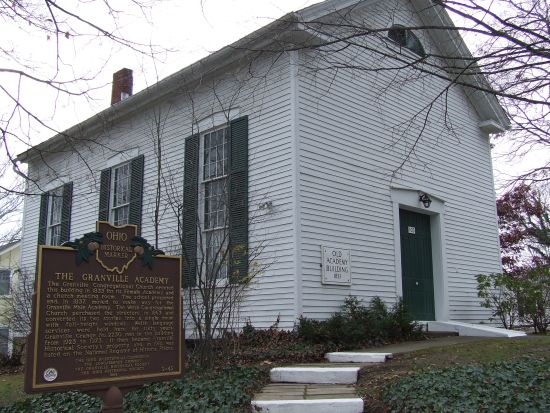
The Granville Congregational Church erected this building in 1833 for its Female Academy and a church meeting room. The school prospered and, in 1837, moved to make way for the Granville Male Academy. The Welsh Congregational Church purchased the structure in 1863 and converted its two stories into a single room with full-height windows. Welsh […]
8-45 Alligator Mound
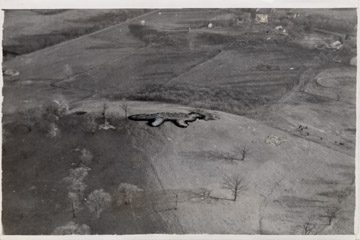
On this bluff lies one of the two great animal effigy mounds built by Ohio’s prehistoric people. Shown here, Alligator Mound is a giant earthen sculpture of some four-footed animal with a long, curving tail. Archaeologists believe the animal is perhaps an opossum or a panther, but not an alligator. The earthwork is approximately 250 […]
7-45 Bank of the Alexandrian Society
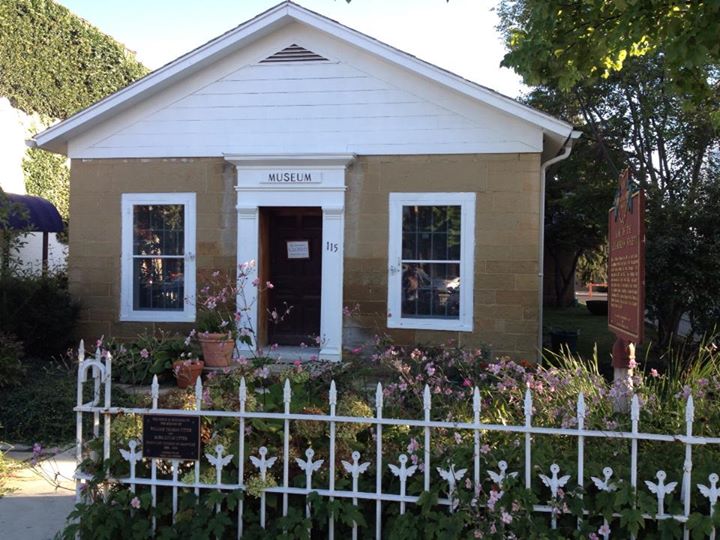
Built by William Stedman in 1816 of local stone, this building served as the Bank of the Alexandrian Society, which printed its own currency. The bank failed in 1817 and 1837. This building has also been used as a store, post office, and interurban railway depot. It was enlarged and opened as a museum during […]
6-45 The History of Licking Memorial Hospital

Newark’s first hospital opened on this site in January 1898. In 1906, the building was moved to 22 Wyoming and attached to an existing structure, creating a 22-bed hospital. In December 1914, a new hospital opened at the corners of Everett and Buena Vista. Licking Memorial Hospital on West Main Street began operation on July […]
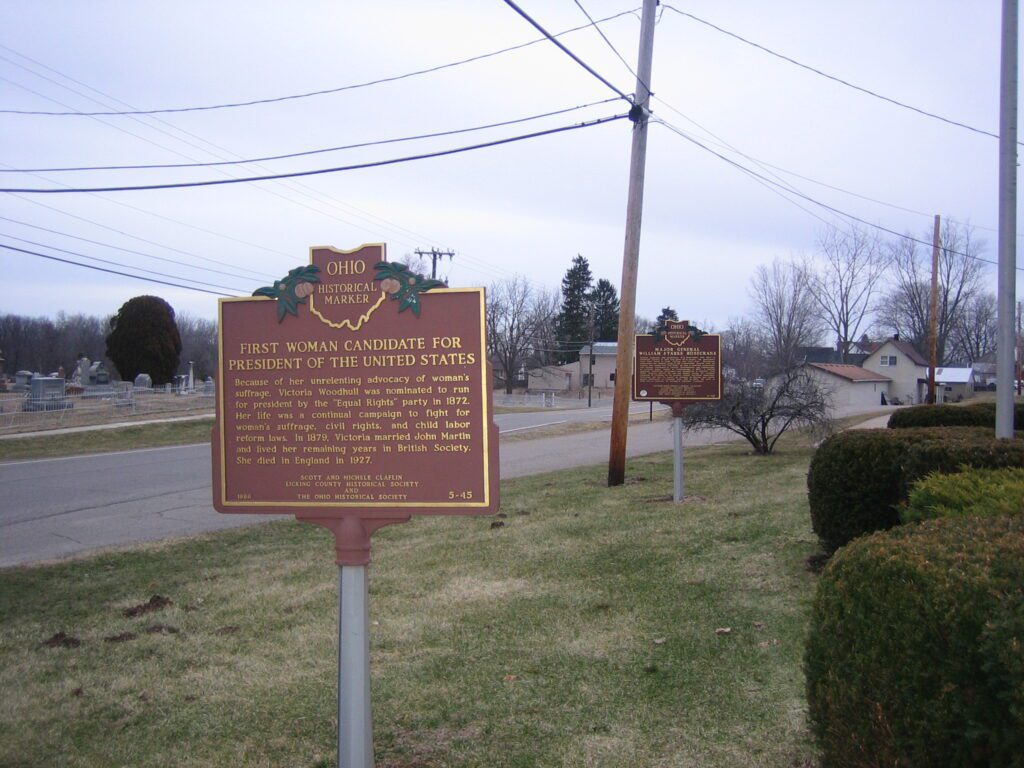
5-45 Victoria Claflin-Woodhull-Martin / First Woman Candidate for President of the United States
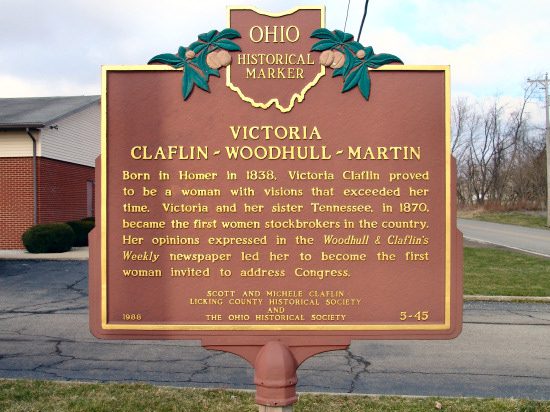
Born in Homer in 1838, Victoria Claflin proved to be a woman with visions that exceeded her time. Victoria and her sister Tennessee, in 1870, became the first women stockbrokers in the country. Her opinions expressed in the Woodhull & Claflin’s Weekly newspaper led her to become the first woman invited to address Congress.
4-45 The Robbins Hunter Museum-Avery Downer House
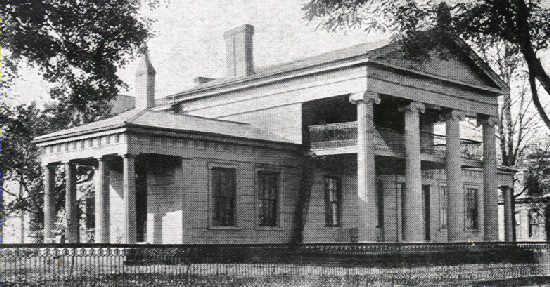
Built in 1842 in the Greek Revival Architectural Style for Alfred Avery from designs by Minard Lefever, the house subsequently served as a home for the Spelman (1845-1873), Downer and Cole families (1873-1902), the Phi Gamma Delta (1902-1930) and Kappa Sigma (1930-1956) Fraternities. This house was bequeathed to the Licking County Historical Society By Robbins […]
3-45 Beard-Green Cemetery in the Dawes Arboretum
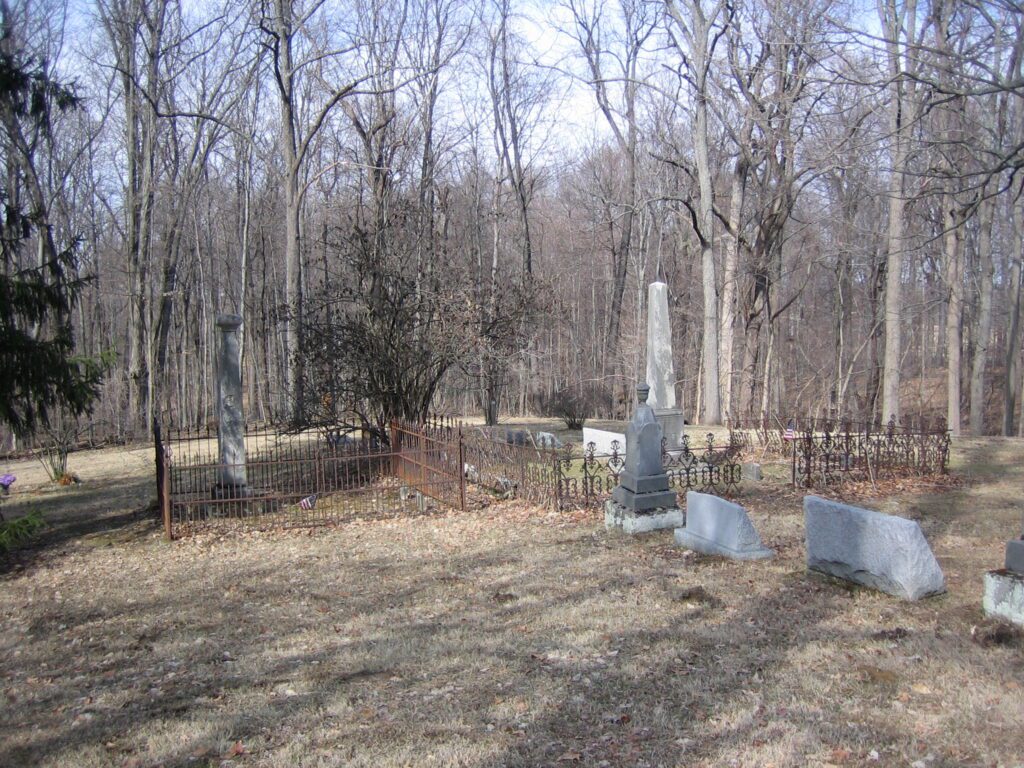
Spring, 1800, Benjamin Green and family become the first legal settlers in Licking County, followed by the Stadden family; Col. John Stadden marries Elizabeth Green on Christmas Day. Spring, 1801, clearings cut for cabins on Hog Run; Johnny Appleseed plants his orchards. 1808, John Beard family settles. 1810, first burial. 1811-41, these families bury six […]