 Skip to content

20-51 Sawyer Sanatorium at White Oaks Farm
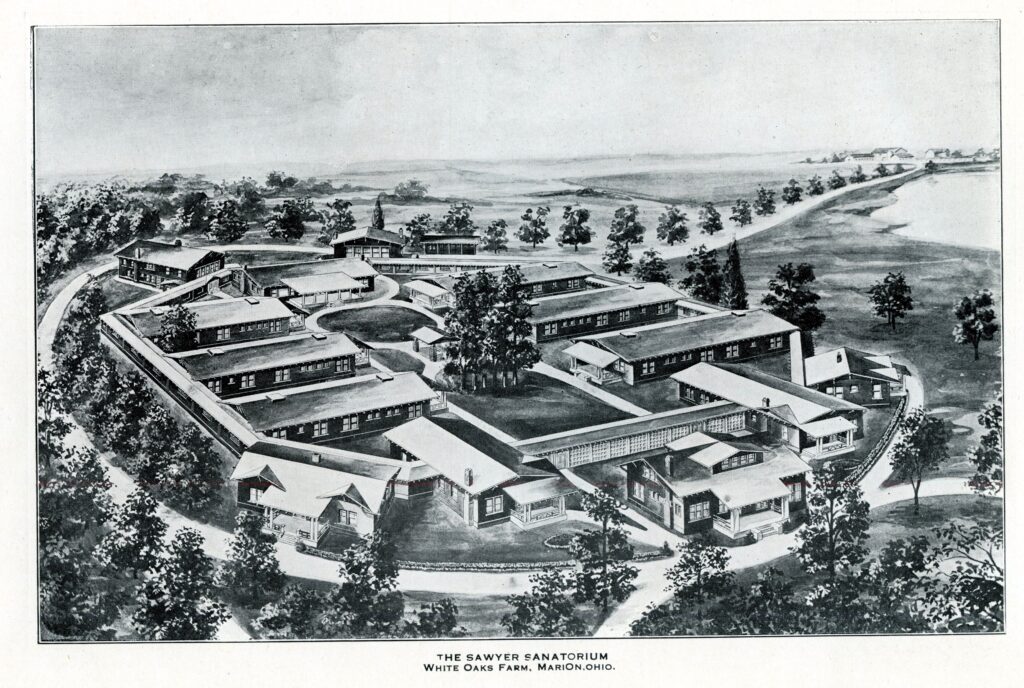
Doctors Charles Elmer Sawyer and his son, Carl Walker Sawyer, opened Sawyer Sanatorium on White Oaks Farm in 1911. Built to provide physical and emotional healing in a unique environment, the complex incorporated six patient bungalows, houses for the two doctors, offices, a large dining and social hall, and treatment buildings. An enclosed quarter-mile-long cloister […]
32-29 Lewis A. Jackson, Aviator / Lewis A. Jackson, Educator & Innovator
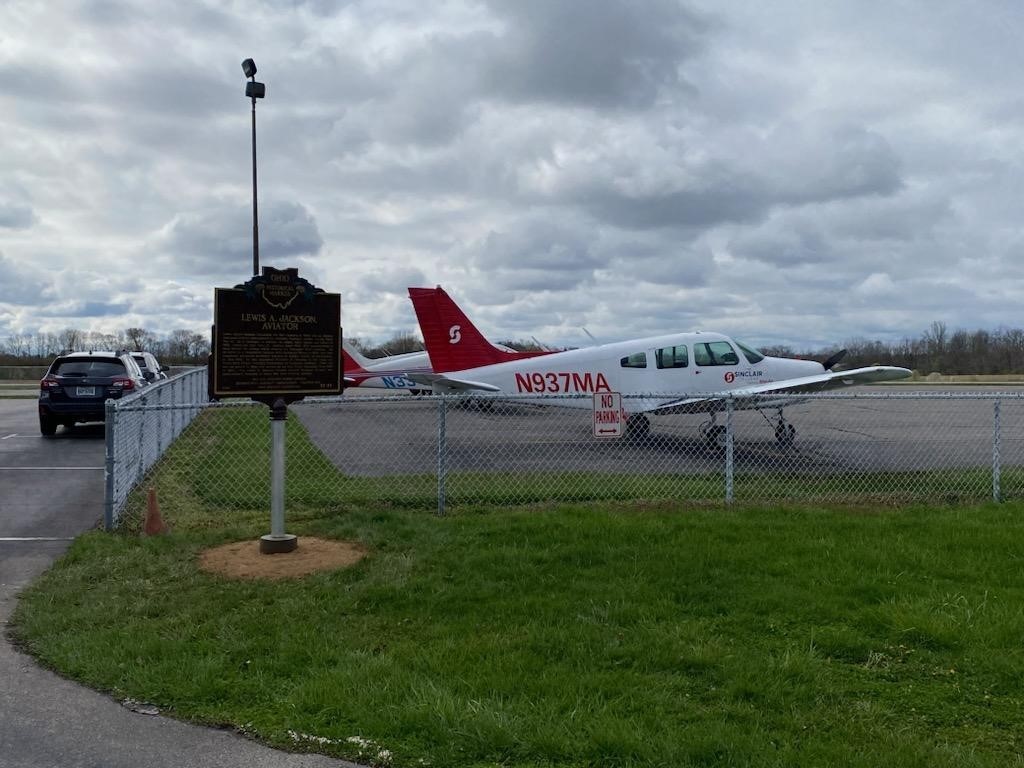
Lewis Albert Jackson (December 29, 1912-January 8, 1994) was an African American aviator remembered for training Tuskegee Airmen during World War II. As a teenager in Indiana, he began flight lessons and soloed in 1932, flying his own Waco 10. Jackson spent 1932-1937 barnstorming to save money for college while earning his Transport Pilot’s License. […]
35-55 First UPC Barcode Retail Scan
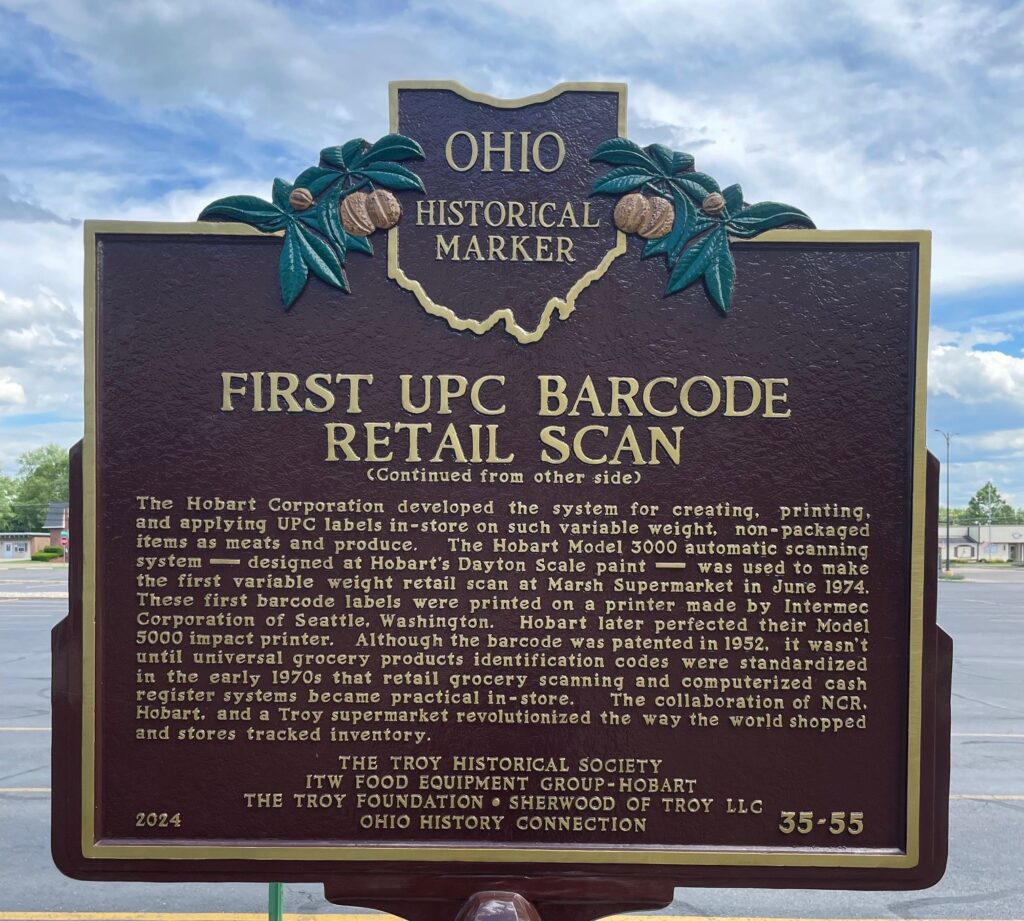
On June 26, 1974, the first retail scan of a product marked with a Universal Product Code (UPC or barcode) was made in the checkout line of Troy’s Marsh Supermarket located at 982 N. Market Street. A ten-pack of Wrigley’s Juicy Fruit chewing gum was scanned to simulate the purchase of a product. The barcode […]
33-29 Gowdy Associate Reformed Cemetery
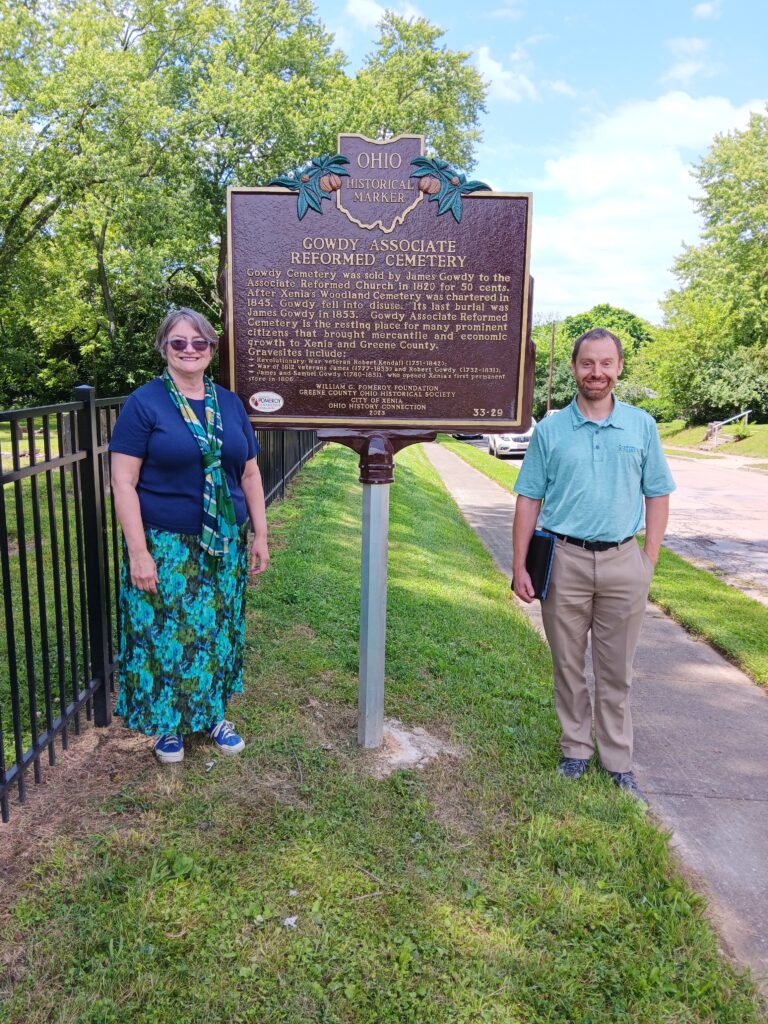
Gowdy Cemetery was sold by James Gowdy to the Associate Reformed Church in 1820 for 50 cents. After Xenia’s Woodland Cemetery was chartered in 1845, Gowdy fell into disuse. Its last burial was James Gowdy in 1853. Gowdy Associate Reformed Cemetery is the resting place for many prominent citizens that brought mercantile and economic growth […]
163-18 The Federal Reserve Bank of Cleveland / Cleveland’s Federal Reserve Bank Building
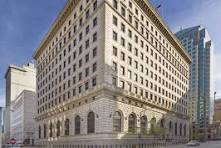
Cleveland was chosen as one of the country’s twelve Federal Reserve cities after a competitive selection process and opened its bank on November 16, 1914. The Federal Reserve Banks promote maximum employment and stable prices as part of the central banking system authorized by the 1913 Federal Reserve Act. Cleveland’s Bank serves the communities of […]
21-67 Old Cemetery / Rootstown Patriarch Burials
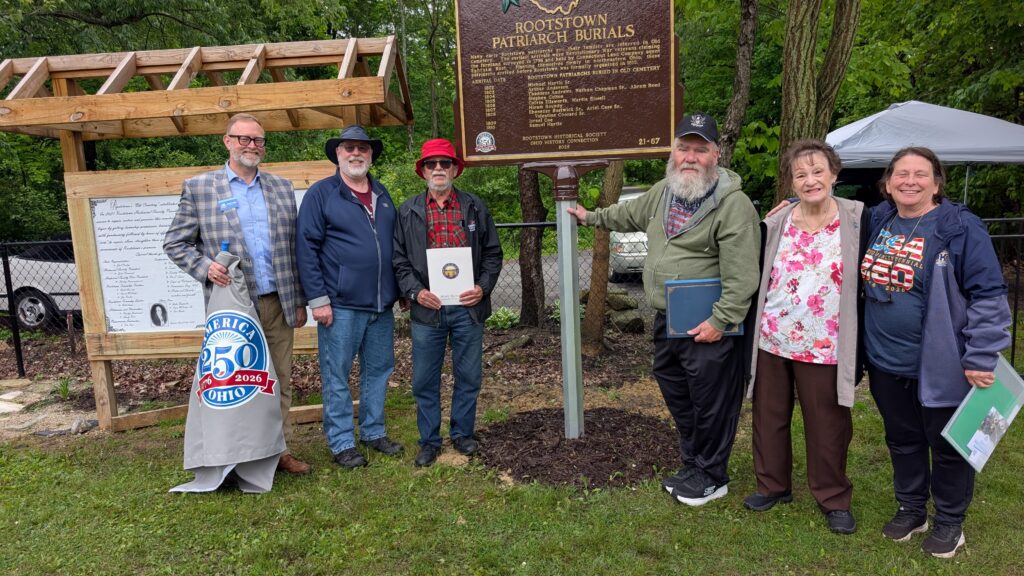
The Rootstown Old Cemetery (sometimes “Ye Olde Cemetery”) began as a two-acre parcel set aside on the Abram and Siley Reed Farm for use as a burying ground. County histories record that Nathan Chapman Sr. (1759-1809) was the first burial. Although the Reeds dedicated their parcel as a community cemetery in 1816, it was not […]
33-79 Ernest “Mooney” Warther
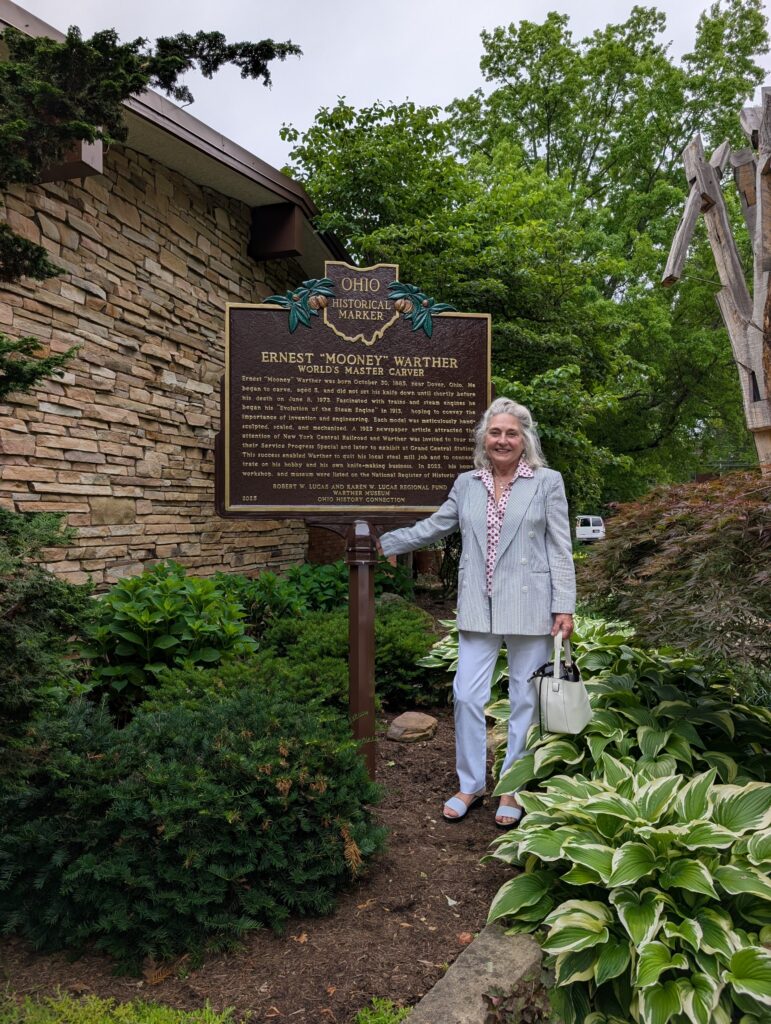
Ernest “Mooney” Warther was born October 30, 1885, near Dover, Ohio. He began to carve, aged 5, and did not set his knife down until shortly before his death on June 8, 1973. Fascinated with trains and steam engines he began his “Evolution of the Steam Engine” in 1913, hoping to convey the importance of […]
52-25 Ovid Wellford Smith (9 November 1844-28 January 1868) / Medal of Honor Recipients At Green Lawn
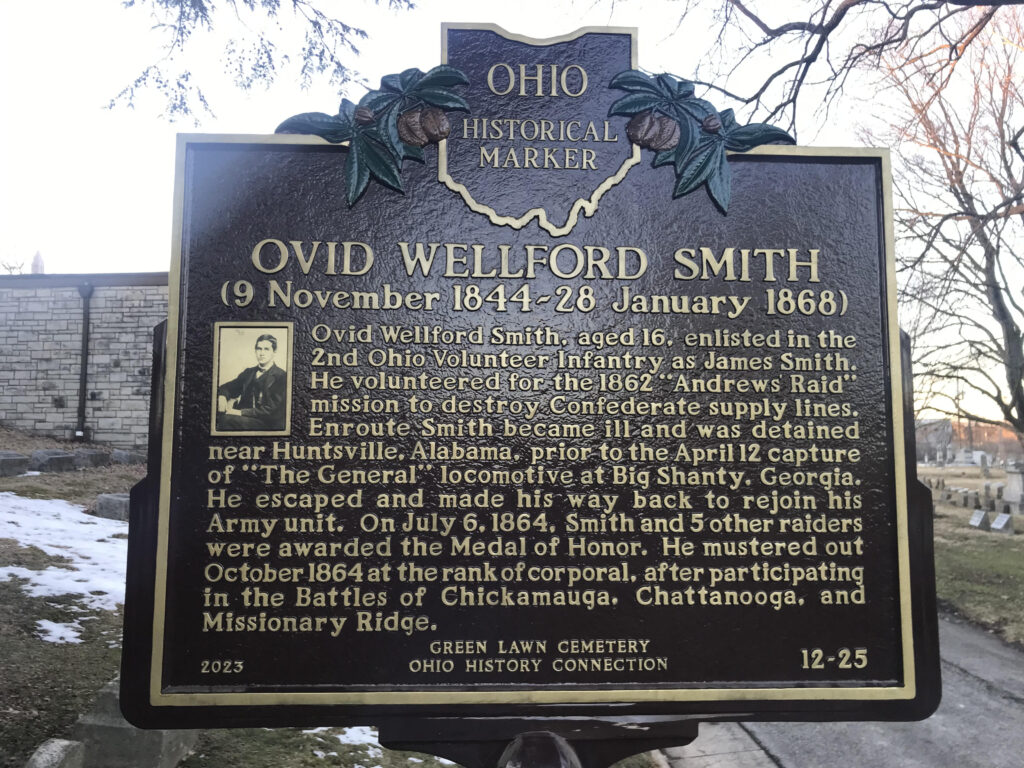
Ovid Wellford Smith, aged 16, enlisted in the 2nd Ohio Volunteer Infantry as James Smith. He volunteered for the 1862 “Andrews’ Raid” mission to destroy Confederate supply lines. Enroute Smith became ill and was detained near Huntsville, Alabama, prior to the April 12 capture of “The General” locomotive at Big Shanty, Georgia. He escaped and […]
22-7 King Solomon White (1868-1955) / “Sol” White In His Own Words
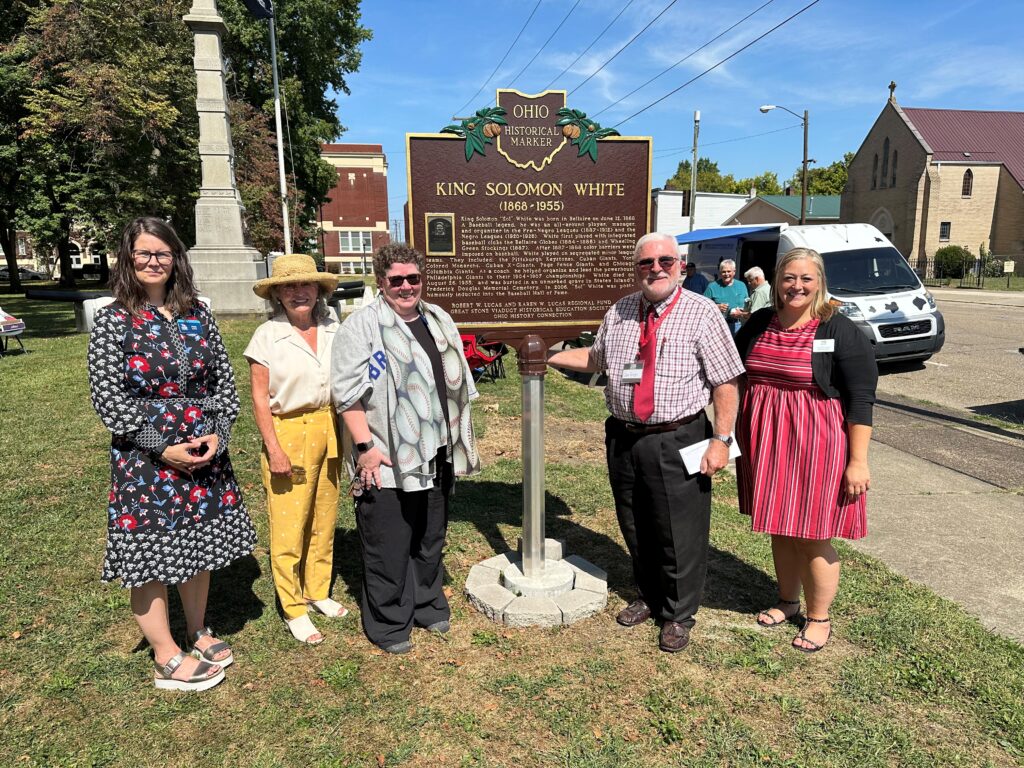
King Solomon “Sol” White was born in Bellaire on June 12, 1868. A Baseball legend, he was an all-around player, manager, and organizer in the Pre-Negro Leagues (1887-1912) and the Negro Leagues (1920-1926). White first played with integrated baseball clubs the Bellaire Globes (1884-1886) and Wheeling Green Stockings (1887). After 1887-1888 color barriers were imposed […]
37-47 Wilson Bruce Evans House
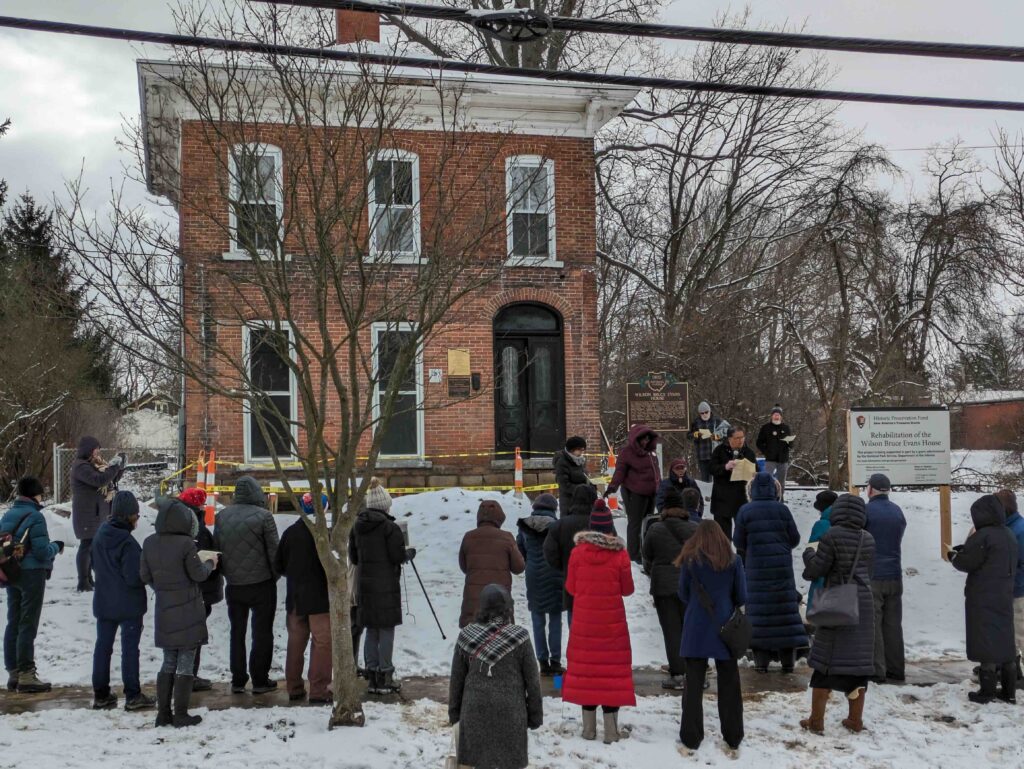
The Wilson Bruce Evans House, 33 East Vine Street, is a rare example of a residence built and occupied by an African American abolitionist and Underground Railroad operative. Free-born in North Carolina, Wilson Bruce Evans (1824-1898) moved to Oberlin in 1854. A skilled cabinetmaker, he opened a carpentry shop with his brother, Henry (1817-1886). Together […]