 Skip to content

10-74 State’s First Female Lawyers
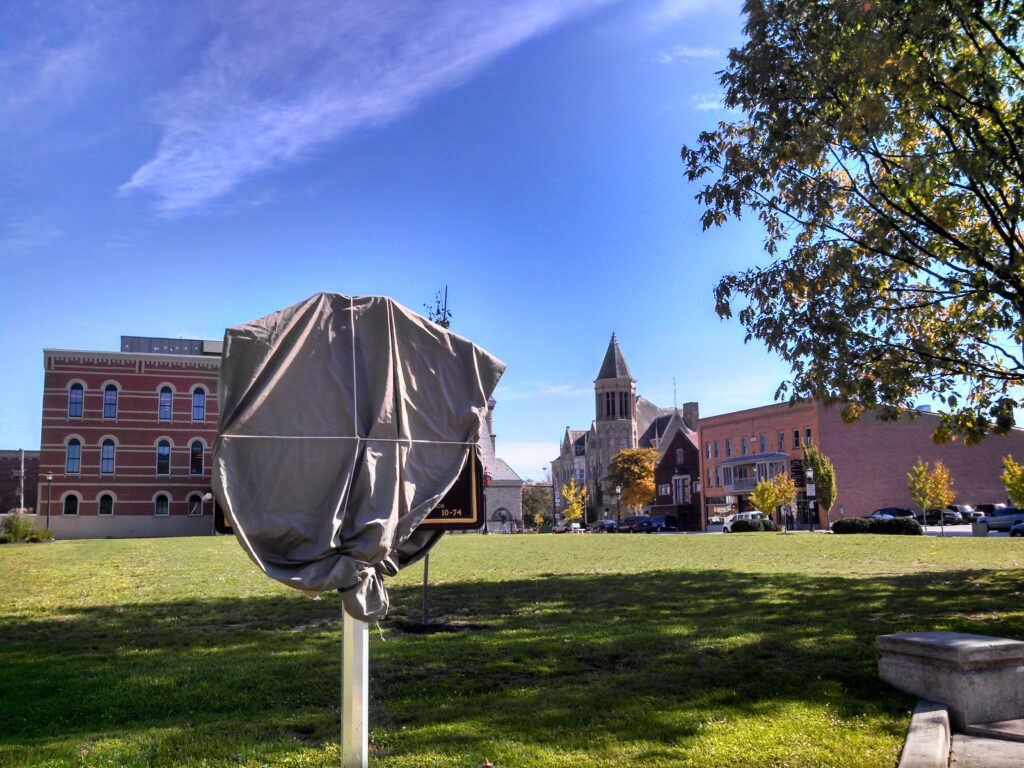
In 1873, Tiffin’s Cronise sisters became the first women admitted to the Ohio Bar. At that time, Ohio laws did not provide for the admission of women attorneys. On April 4th 1873, Nettie Cronise applied to the district court. Despite vigorous opposition, leading local attorneys, including William Harvey Gibson and George Seney, supported Nettie’s applications. […]
9-74 Mercy Hospital of Tiffin / The Sisters of Mercy Come to Tiffin
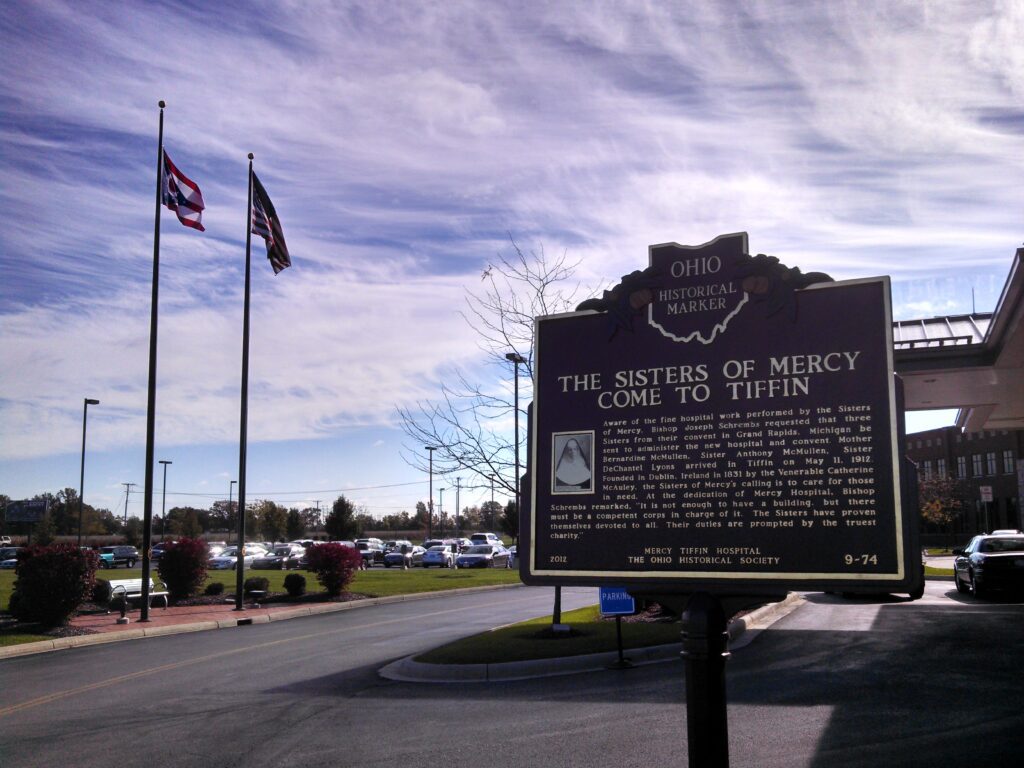
Pastor of St. Mary’s Church, Rev. Thomas F. Conlon met with the newly appointed bishop of the Toledo Diocese, Rt. Rev. Joseph Schrembs, to discuss building a charity hospital for the community. Community leaders and physicians promoted the necessity of a hospital that cared for all people regardless of race, creed, or color. Seven acres […]
8-74 Camp Noble The Buckeye Vanguard
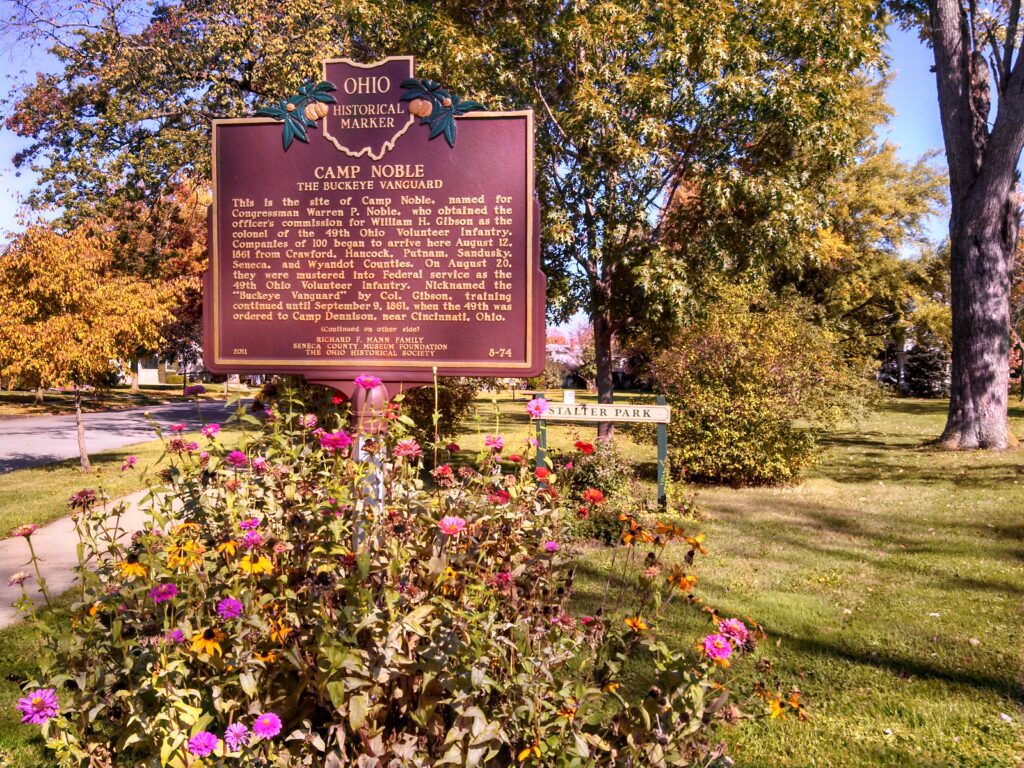
This is the site of Camp Noble, named for Congressman Warren P. Noble, who obtained the officer’s commission for William H. Gibson as the colonel of the 49th Ohio Volunteer Infantry. Companies of 100 began to arrive here August 12, 1861 from Crawford, Hancock, Putnam, Sandusky, Seneca, and Wyandot Counties. On August 20, they were […]
7-74 New Riegel Parish and Convent
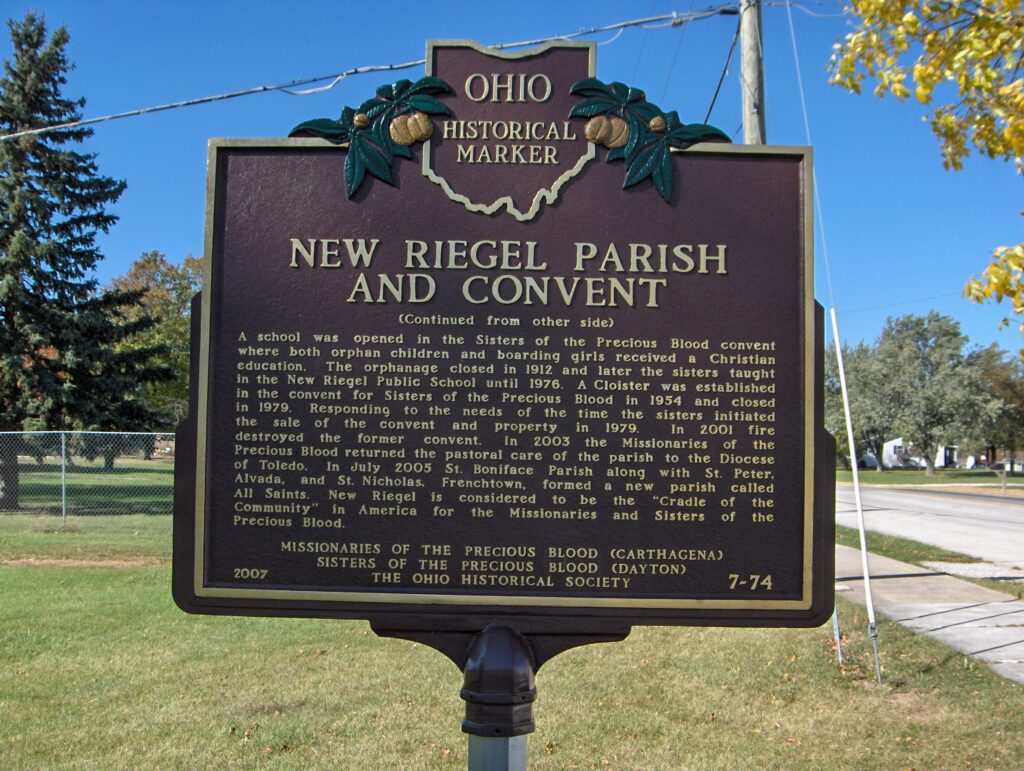
St. Boniface Catholic Church began in 1834 as a mission of several area churches and in 1836, the parish built its first church. In 1844 Bishop John Purcell commissioned Swiss born, Father Francis de Sales Brunner, a Missionary of the Precious Blood, to take pastoral charge of St. Boniface. Under the leadership of Father Brunner, […]
6-74 Mad River and Lake Erie Railroad / Tiffin Train Depot

By the mid 1830s, Ohio had developed a canal system that linked Lake Erie in the north to the Ohio River in the south. Despite the success of the canals, transportation companies searched for other methods to traverse the state. They found their answer in the railroad industry, which proved to be much faster, cheaper, […]
5-74 Fostoria, Ohio – Home of Fostoria Glass
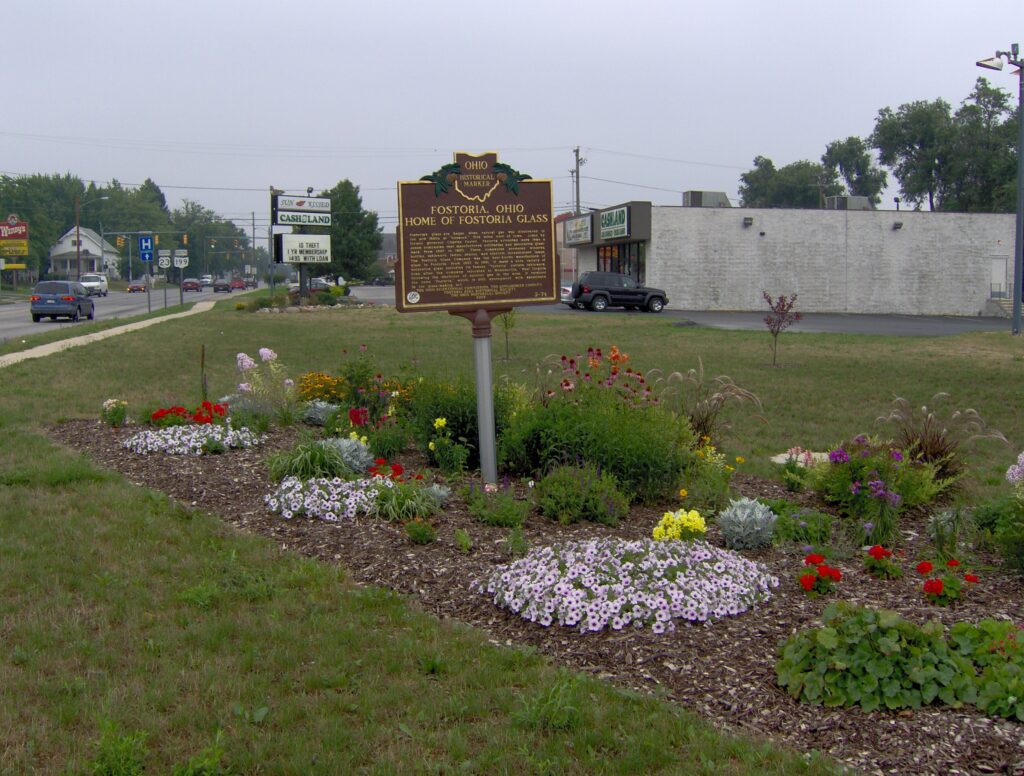
Fostoria’s glass era began when natural gas was discovered in the mid 1880s at “Godsend,” five miles west of town. Aided by former governor Charles Foster, Fostoria attracted more than a dozen companies that manufactured utilitarian and decorative glassware from 1887 to 1920. These companies produced windows, bottles, tableware, lamps, shades, and electric incandescent lamps. […]
4-74 Early Electric Illumination, 1884
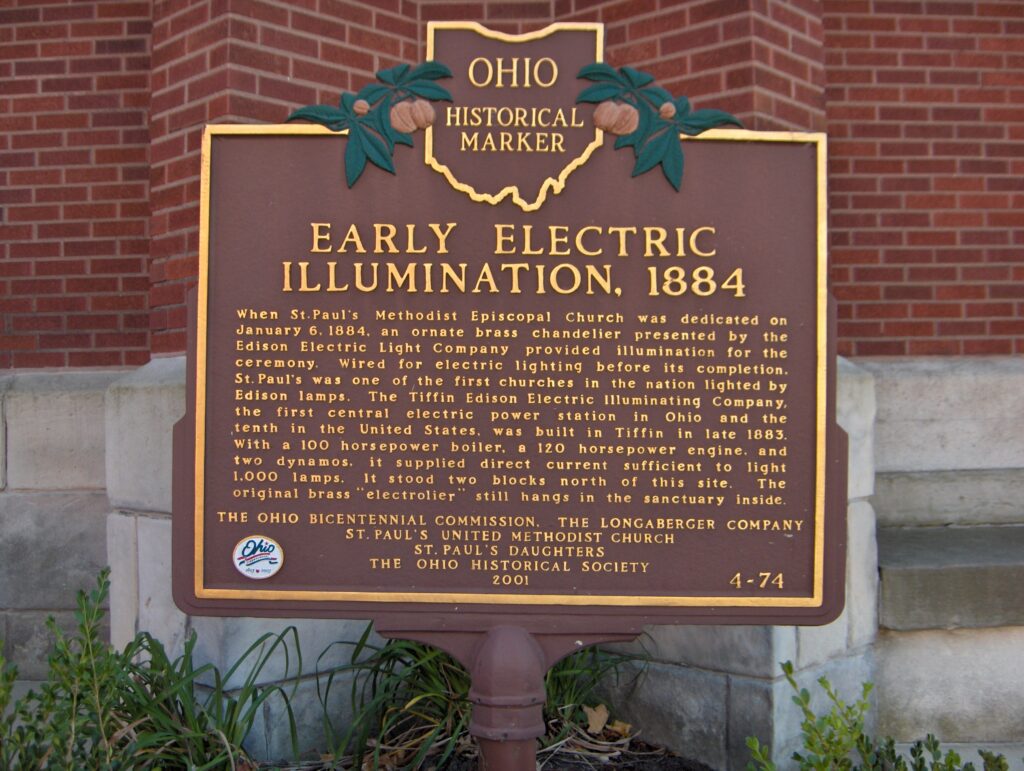
When St. Paul’s Methodist Episcopal Church was dedicated on January 6, 1884, an ornate brass chandelier presented by the Edison Electric Light Company provided illumination for the ceremony. Wired for electric lighting before its completion, St. Paul’s was one of the first churches in the nation lighted by Edison lamps. The Tiffin Edison Electric Illuminating […]
3-74 Camp Ball

In July 1813 a detachment of soldiers under Lt. Col. James V. Ball built a supply fort here along the military road that ran along the west bank of the Sandusky River. Ball chose this site for its large spring of cold water, which he enclosed within the stockade. Following the War of 1812, settler […]
2-74 Fort Seneca
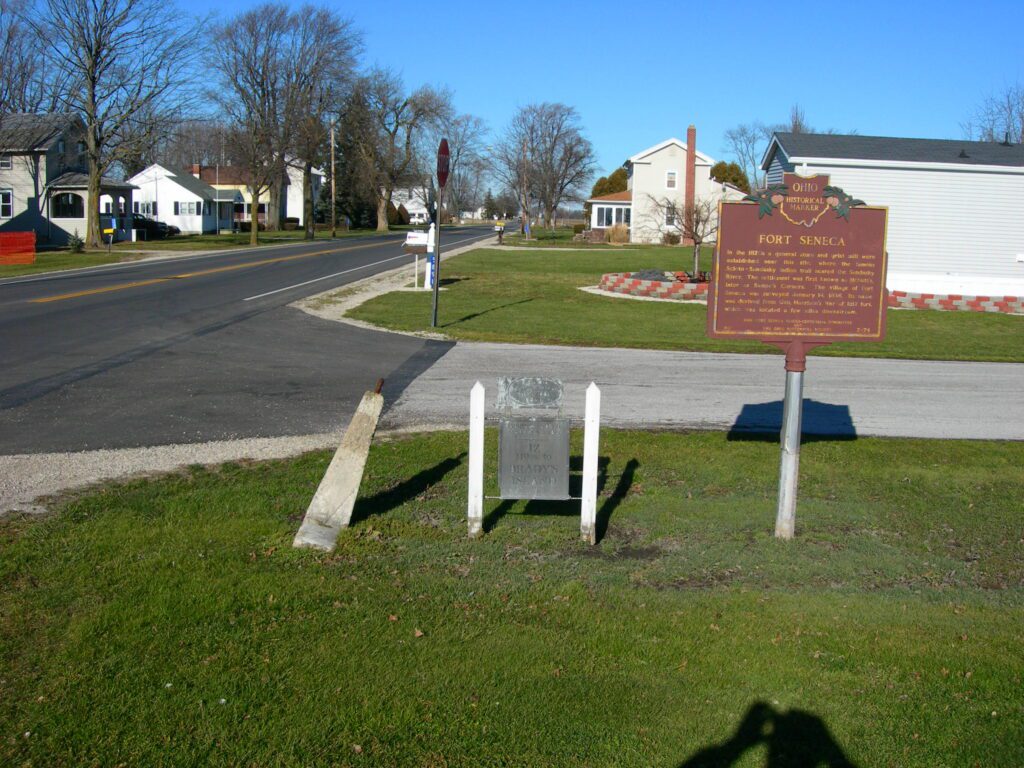
In the 1820s a general store and grist mill were established on this site, where the famous Scioto-Sandusky Indian trail neared the Sandusky River. The settlement was first known as McNutt’s, later as Swope’s Corners. The village of Fort Seneca was surveyed January 14, 1836. Its name was derived from Gen. Harrison’s War of 1812 […]
1-74 Risdon Square
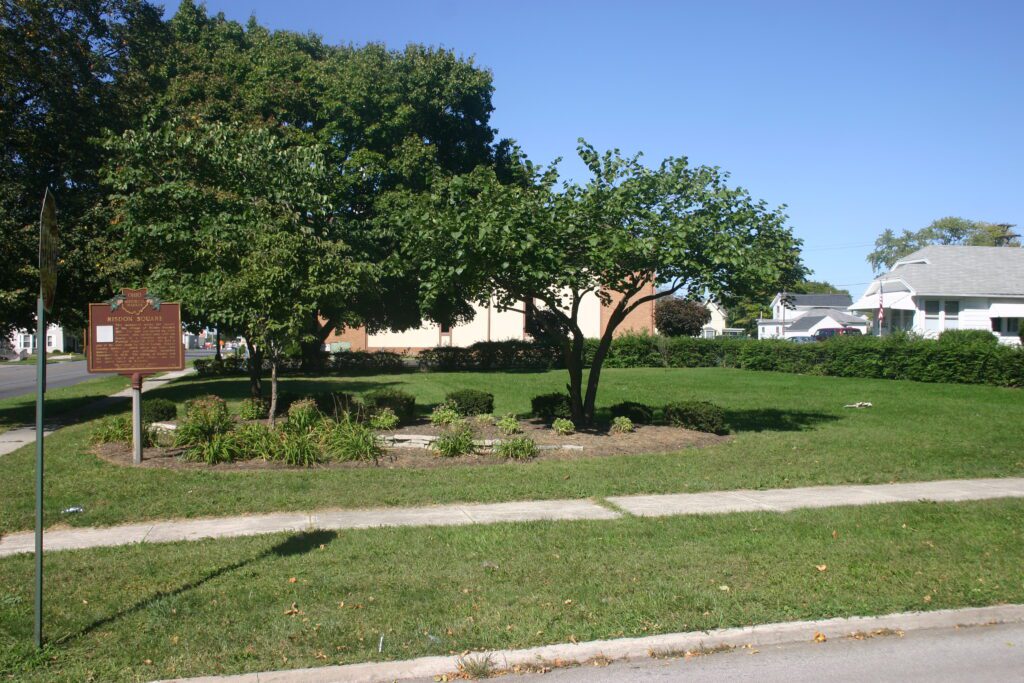
This monument marks the square of the village of Risdon founded 1832. The land was owned by John Gorsuch, who settled here with his family in a clearing along the Portage River in 1831. He had a plat of the area made by David Risdon, Seneca County surveyor, after who the town was named. This […]