 Skip to content

36-77 Glendale Steps
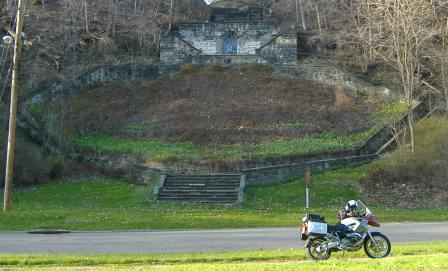
Built over a two-year period, from 1936-1937, by the Federal Works Progress Administration, the Glendale Steps survive as a monument to the work of stone craftsmen during the Great Depression. Spanning a 200-foot slope, the purpose of the Glendale Steps was to enable Akron residents to descend from South Walnut Street to a city park […]
35-77 Coventry Township / Portage Lakes
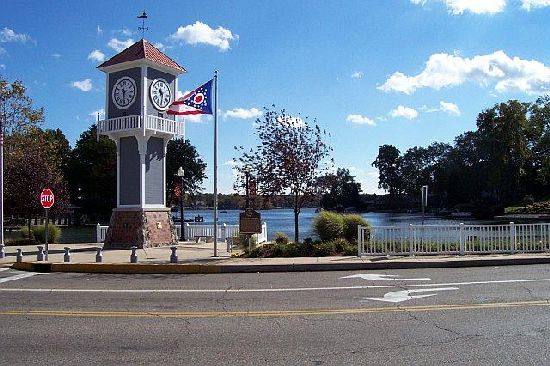
The land on which Coventry Township is situated was ceded in 1785 to the United States by the Delaware, Chippewa, Ottawa, and Wyandot tribes under the Treaty of Fort McIntosh. The area was a choice location for Native Americans, settlers, and fur traders due to the abundant bodies of water and proximity to the Portage […]
33-77 Slovenian Independent Society Home

In 1918, early Slovene immigrants organized the Slovenian Independent Society Home and later constructed this hall, which became the center for Barberton Slovene cultural, social, and recreational activities. They formed dramatic and singing clubs, conducting performances in their native language. In the early twentieth century, prior to employers providing insurance or health care for their […]
32-77 1936 Akron Rubber Strike
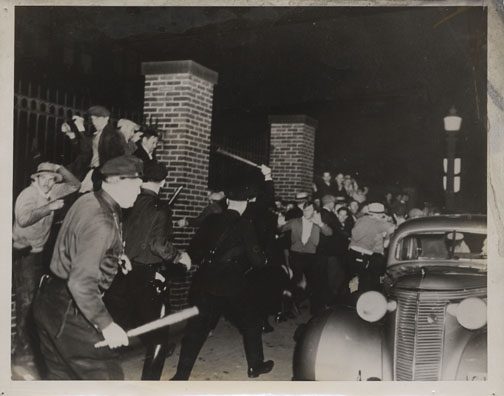
Five Depression-era strikes against many of Akron’s rubber companies culminated in a giant “sit-down” strike against Goodyear Tire and Rubber Company, the industry’s leader, in February and March of 1936. The fledgling United Rubber Workers (URW), created in September 1935, used the tactic of being at work but not working that had been pioneered by […]
31-77 First Congregational Church of Hudson
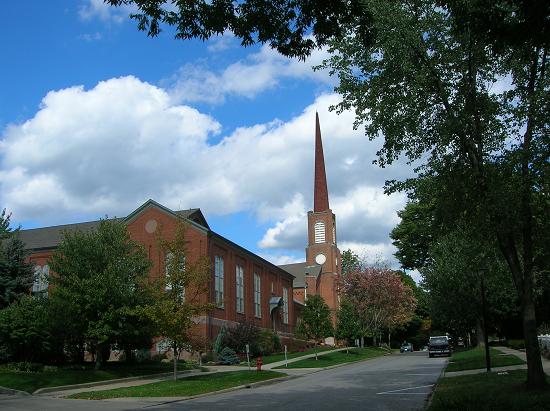
On this site, the first meetinghouse owned by the Hudson Congregational Church was dedicated March 1, 1820, twenty-one years after David Hudson first came to the Hudson area. Its members met here until they completed their sanctuary on Aurora Street in 1865. In August 1835, church members unanimously adopted a resolution declaring that slavery is”a […]
30-77 Karl Arnstein
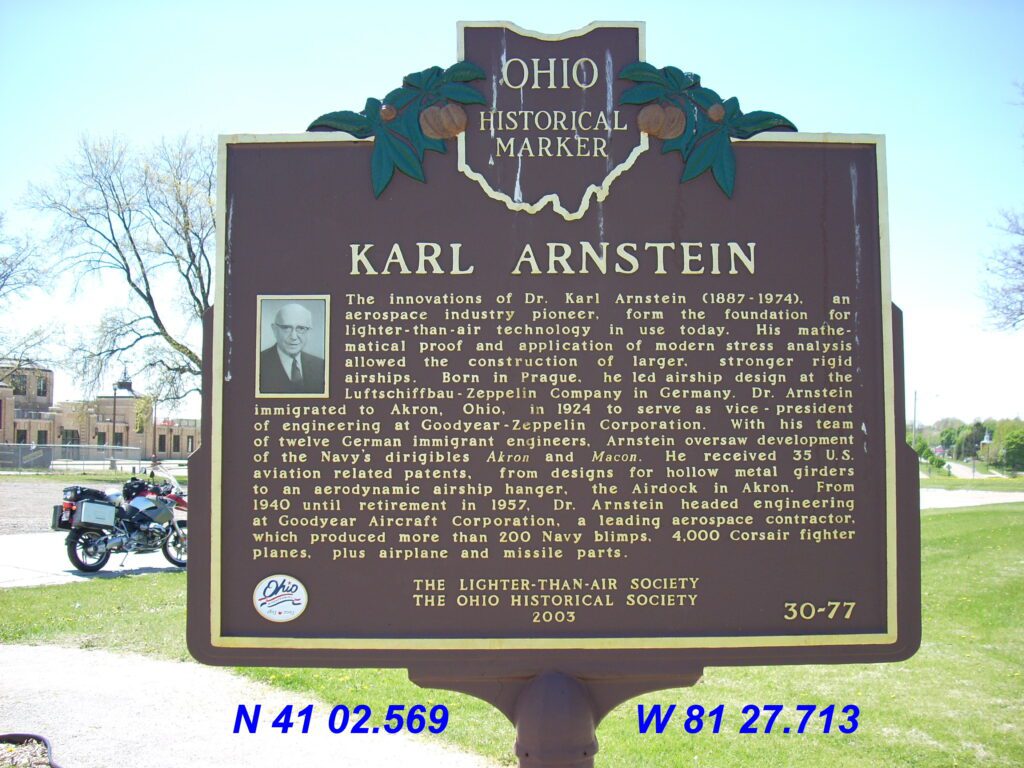
The innovations of Dr. Karl Arnstein (1887-1974), an aerospace industry pioneer, form the foundation for lighter-than-air technology in use today. His mathematical proof and application of modern stress analysis allowed the construction of larger, stronger rigid airships. Born in Prague, he led airship design at the Luftschiffbau-Zeppelin Company in Germany. Dr. Arnstein immigrated to Akron, […]
29-77 Airdock
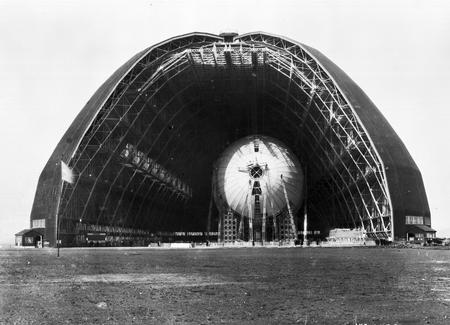
A colossus of engineering acumen and structural steel, the Airdock was built in 1929 as the construction facility for the U.S. Navy’s rigid airships, the USS Akron (1931) and USS Macon (1933). The airships, or dirigibles, served as the fleet’s aerial watchdogs, but with the advancement of aircraft carriers, the Navy no longer needed these […]
28-77 The Soap Box Derby
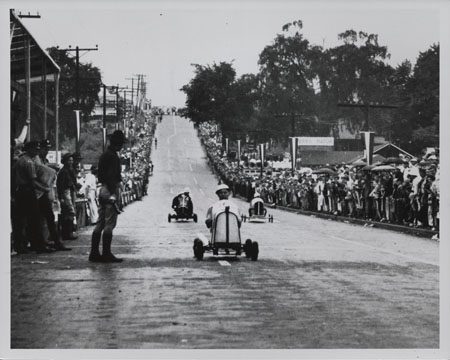
An annual summer tradition for American youth since the 1930s, the All-American Soap Box Derby was the concept of journalist Myron E. (“Scottie”) Scott, who covered an impromptu homebuilt gravity-car race in Dayton in 1933. Scott conceived and promoted a prize-awarding event later that year, and to his surprise 362 boys entered the race. Restrictions […]
27-77 Sikh Gurdwara
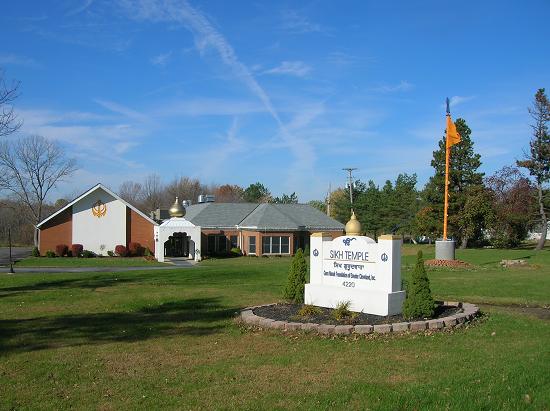
This marks the site of the first Sikh Gurdwara in the state of Ohio. Sikhs began to arrive in Ohio after India’s freedom from British rule in 1947. They came for advanced education at universities in the state. With liberalization of immigration laws in the 1960s, many Sikhs settled in metropolitan areas and set up […]
26-77 Hall Park Allotment Historic District
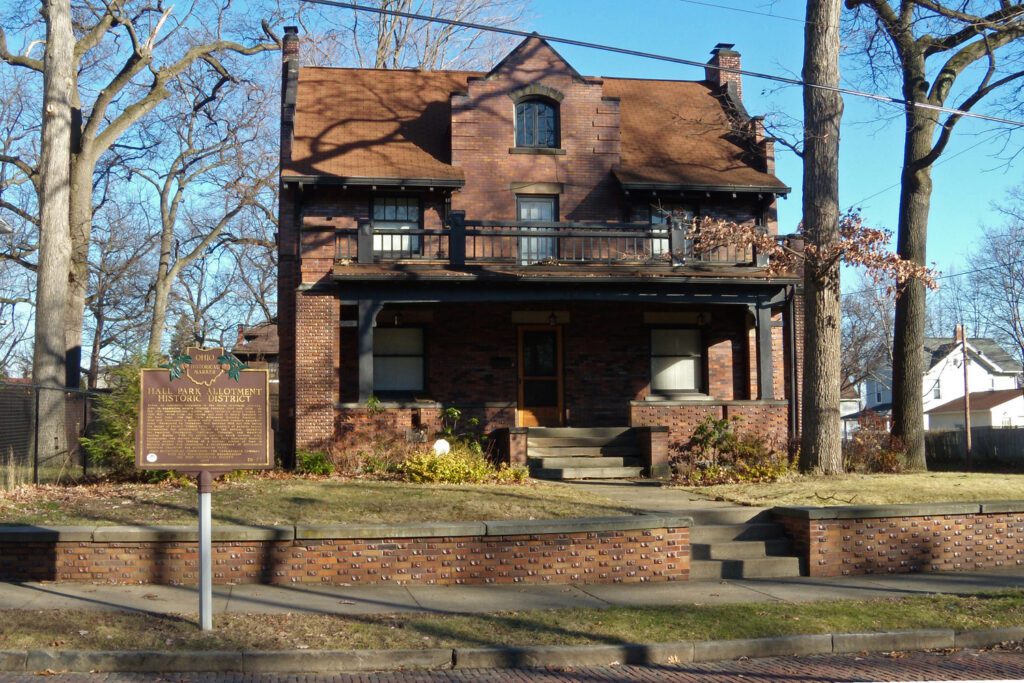
Akron, an industrial boomtown in the early twentieth century, grew in population nearly fivefold between 1900 and 1920. As the city industrialized, middle class residents sought homes on West Hill, away from the smoke and soot of heavy industry on the East Side. The Hall Park Allotment Historic District in West Hill represents a notable […]