 Skip to content

17-84 Belpre and The Ohio River
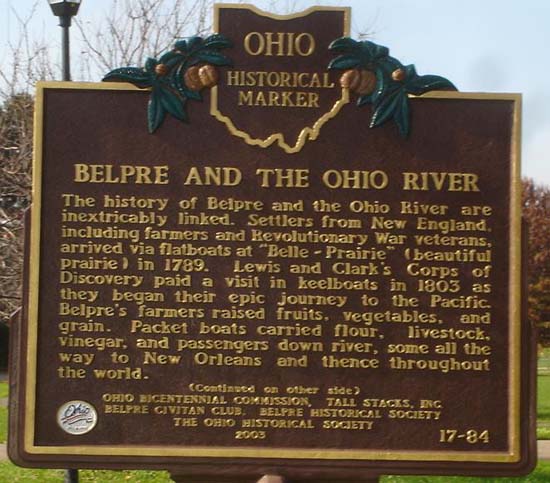
The history of Belpre and the Ohio River are inextricably linked. Settlers from New England, including farmers and Revolutionary War veterans, arrived via flatboats at “Belle-Prairie” (beautiful prairie) in 1789. Lewis and Clark’s Corps of Discovery paid a visit in keelboats in 1803 as they began their epic journey to the Pacific. Belpre’s farmers raised […]
16-84 Shipbuilding, Commodore Abraham Whipple
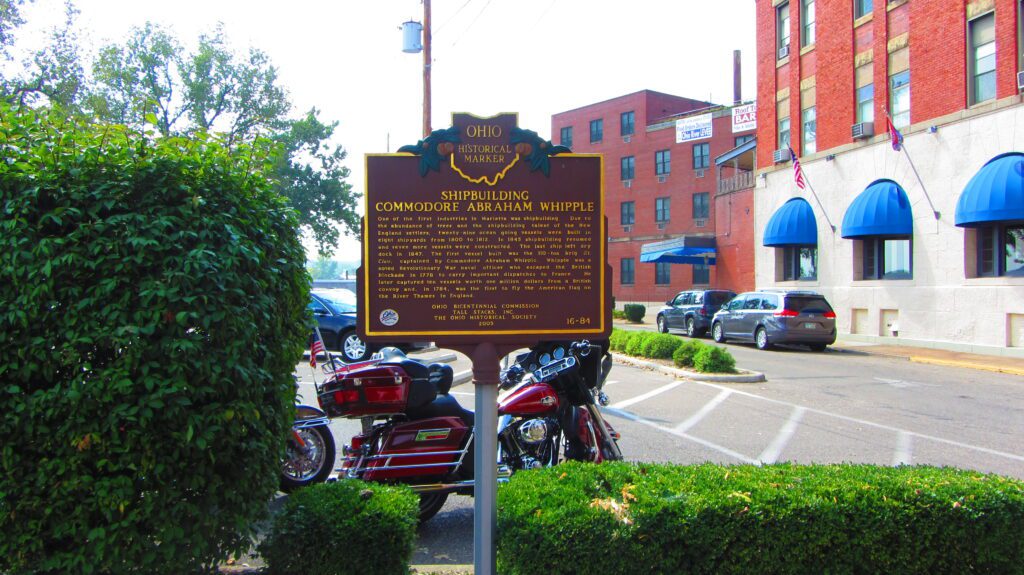
One of the first industries in Marietta was shipbuilding. Due to the abundance of trees and the shipbuilding talent of the New England settlers, twenty-nine ocean going vessels were built in eight shipyards from 1800 to 1812. In 1845 shipbuilding resumed and seven more vessels were constructed. The last ship left dry dock in 1847. […]
15-84 Early Ohio Artists
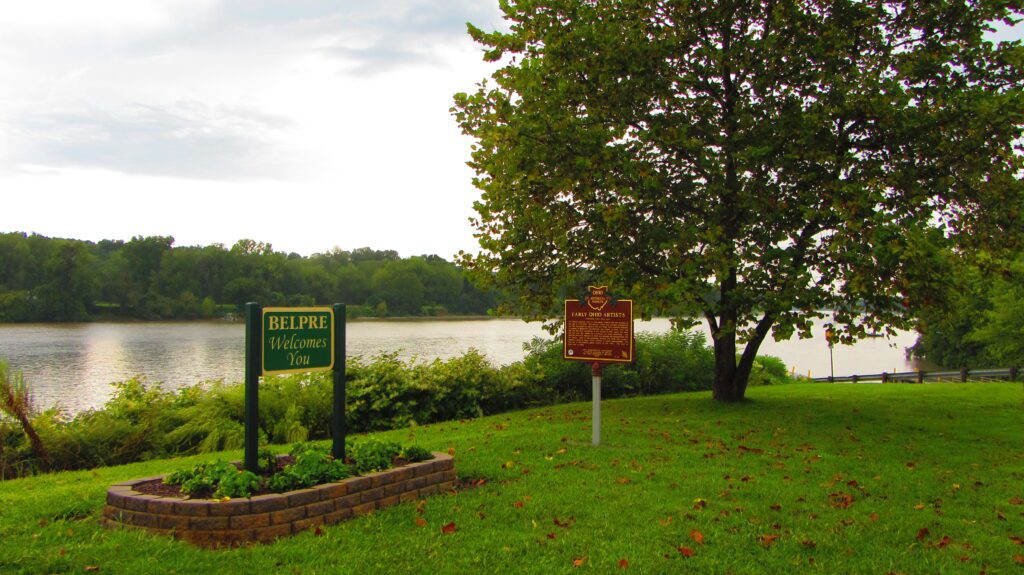
Born in Massachusetts in 1805, Sala Bosworth spent all but nineteen years of his eighty-five years in Washington County. After studying at the Philadelphia Academy of Fine Arts, he returned to the county to paint many full size and miniature portraits of prominent Washington County citizens. His historical drawings were used in Samuel P. Hildreth’s […]
14-84 Lewis and Clark Expedition / Letter to the President
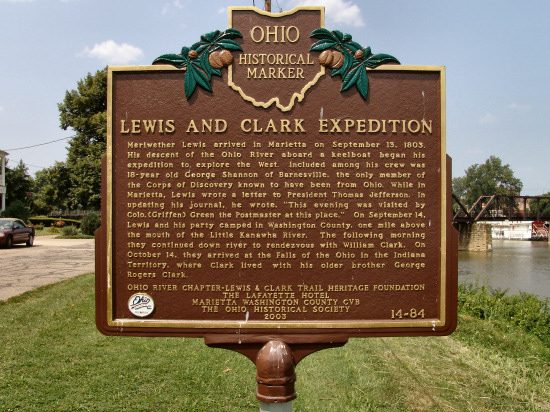
Meriwether Lewis arrived in Marietta on September 13, 1803. His descent of the Ohio River aboard a keelboat began his expedition to explore the West. Included among his crew was 18-year old George Shannon of Barnesville, the only member of the Corps of Discovery known to have been from Ohio. While in Marietta, Lewis wrote […]
13-84 Muskingum Academy, 1797 – Birth of Higher Education in Ohio / Marietta College, 1835
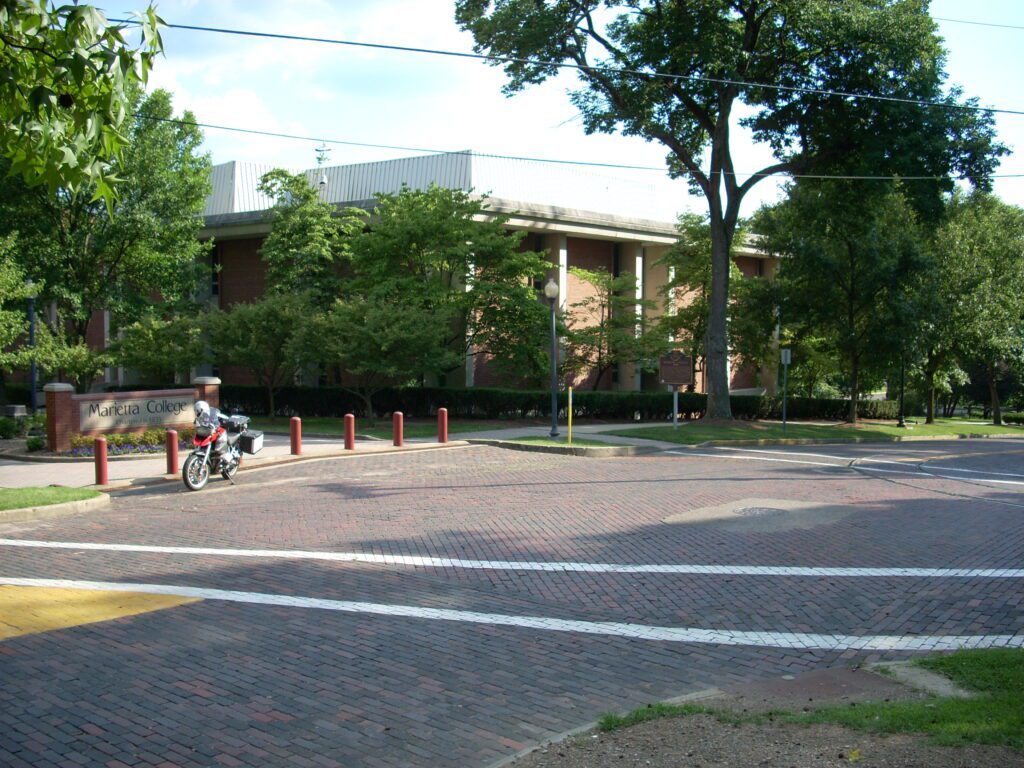
In April 1797, a committee of Marietta citizens, led by General Rufus Putnam, met to establish an academy suitable for preparatory instruction for their youth. Muskingum Academy, completed late that year, became the first institution of its kind in the Northwest Territory, providing “classical instruction… in the higher branches of an English education.” Its first […]
12-84 Ohio National Guard Armory
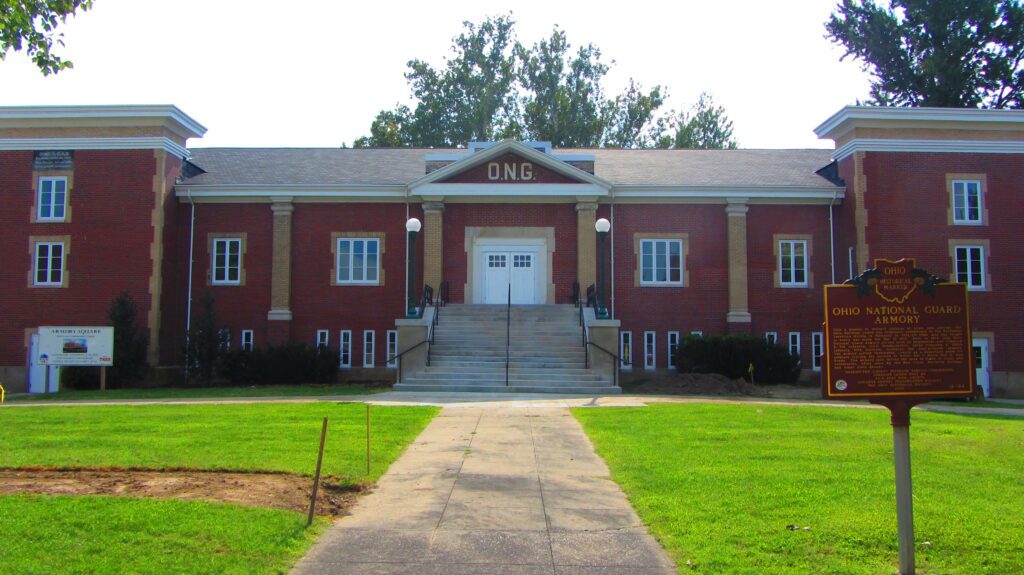
With a mission to protect citizens at home and aboard, the Ohio National Guard was originally established as the Northwest Territory Militia in Marietta on July 25, 1788, and has fought in every war since the War of 1812. Built in 1914, this Ohio National Guard Armory served both as Regimental and Company B, 7th […]
11-84 The Northwest Ordinance, 1787 / The Ohio Company Purchase

Following the establishment of the public land system in 1785, the Continental Congress appointed a committee, chaired by James Monroe, to establish government in the new territory north and west of the Ohio River. Drafted prior to the Constitution of the United States, the Ordinance of 1787 provided the mechanism by which prospective states would […]
10-84 Captain Gordon C. Greene / Captain Mary Becker Greene
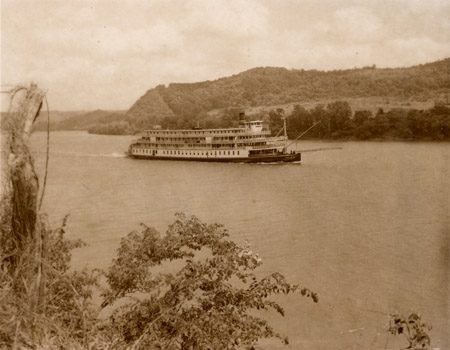
Captain Gordon C. Greene, a veteran riverman, was born in Newport, Ohio, on September 8, 1862. In 1890 he started the “Greene Line” with the “Henry K. Bedford,” a small shallow draft steamer; he owned twenty-five packets in his lifetime. The “Greene Line” later became the “Greene Steamboat Line” then the “Delta Queen Steamboat Company,” […]
9-84 Putnam Family Library/Belpre Farmers’ Library
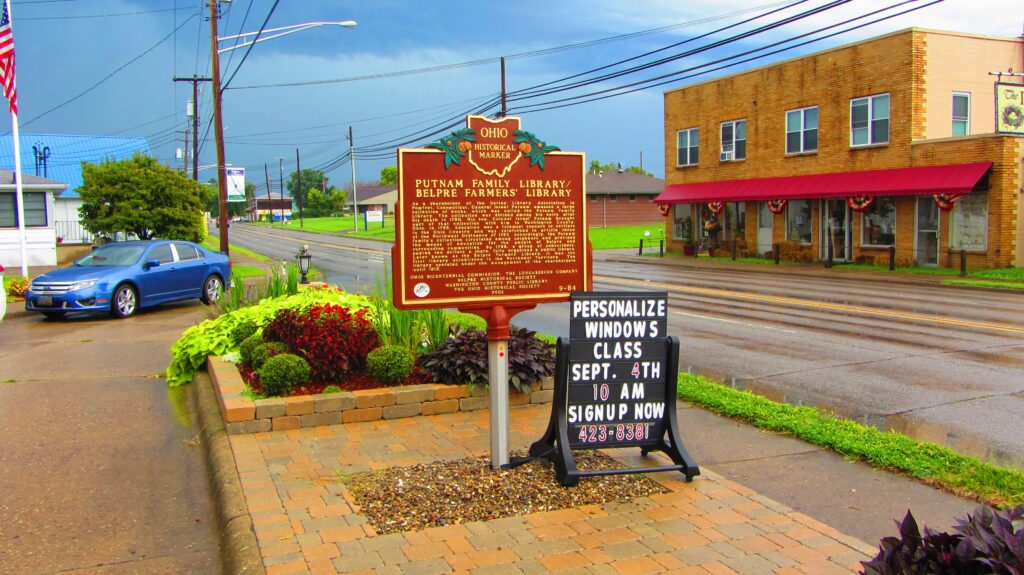
As a shareholder of the United Library Association in Pomfret, Connecticut, General Israel Putnam amassed a large collection of books, which was called the Putnam Family Library. The collection was divided among his heirs after his death in 1790. His son, Colonel Israel Putnam brought part of that collection with him to Washington County, Ohio, […]
8-84 Round Bottom Schoolhouse / Round Bottom Cemetery
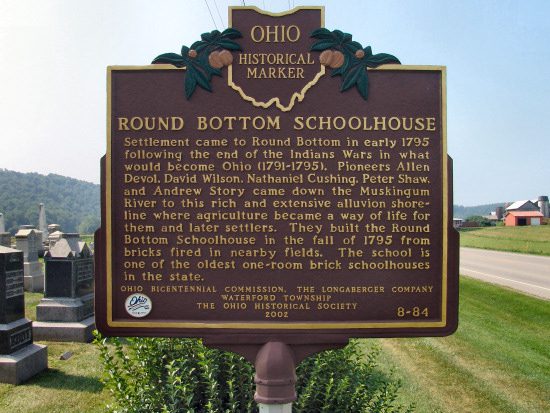
Settlement came to Round Bottom in early 1795 following the end of the Indians Wars in what would become Ohio (1791-1795). Pioneers Allen Devol, David Wilson, Nathaniel Cushing, Peter Shaw, and Andrew Story came down the Muskingum River to this rich and extensive alluvion shoreline where agriculture became a way of life for them and […]