 Skip to content

2-13 Early Settlers Burying Ground
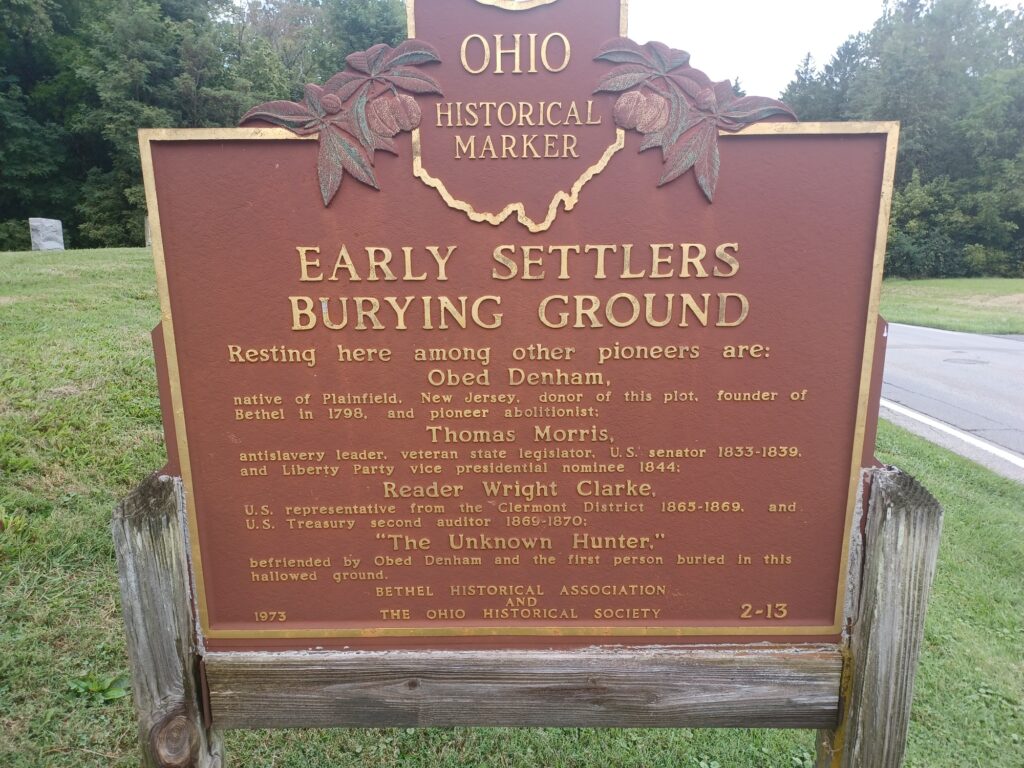
Resting here among other pioneers are: Obed Denham, native of Plainfield, New Jersey, donor of this plot, founder of Bethel in 1798, and pioneer abolitionist; Thomas Morris, antislavery leader, veteran state legislator, U.S. senator 1833-1839, and Liberty Party vice presidential nominee 1844; Reader Wright Clarke, U.S. representative from the Clermont District 1865-1869, and U.S. Treasury […]
1-13 First Methodist Church
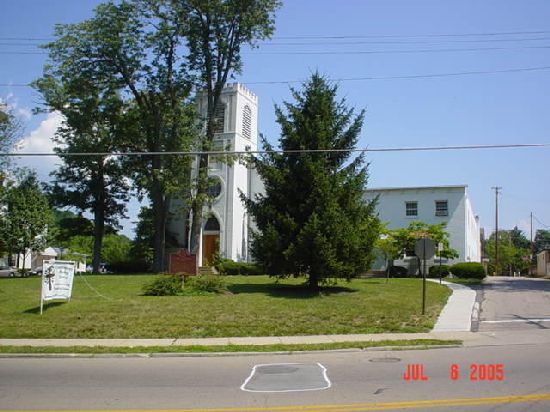
O Founded in 1797 in the log cabin of the Reverend Francis McCormick, the Milford Methodist Church is the oldest of the denomination in the Northwest Territory and Ohio. Pioneer worshipers walked many miles through the wilderness to attend its circuit rider services. The present sanctuary was consecrated on Christmas Day, 1835. The bell tower […]
9-12 Daniel Rudd: Journalist of Faith and Action
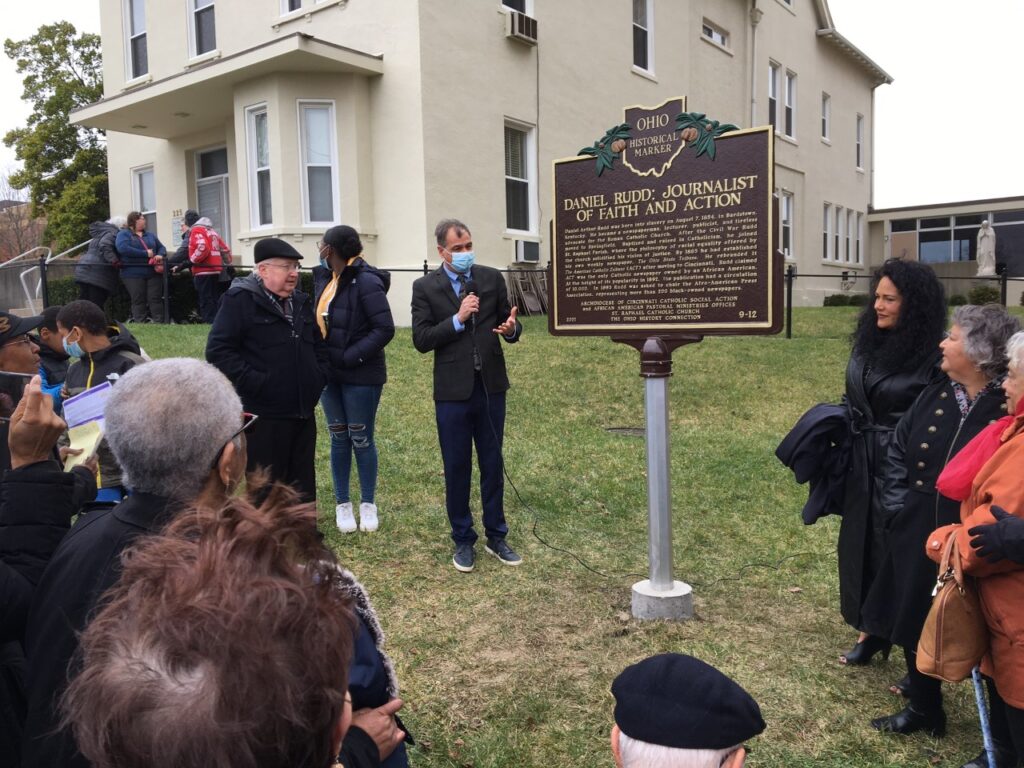
Daniel Arthur Rudd was born into slavery on August 7, 1854, in Bardstown, Kentucky. He became a newspaperman, lecturer, publicist, and tireless advocate for the Roman Catholic Church. After the Civil War Rudd moved to Springfield. Baptized and raised in Catholicism, he joined St. Raphael Parish, where the philosophy of racial equality offered by the […]
8-12 Old Enon Road Stone Arch Culvert
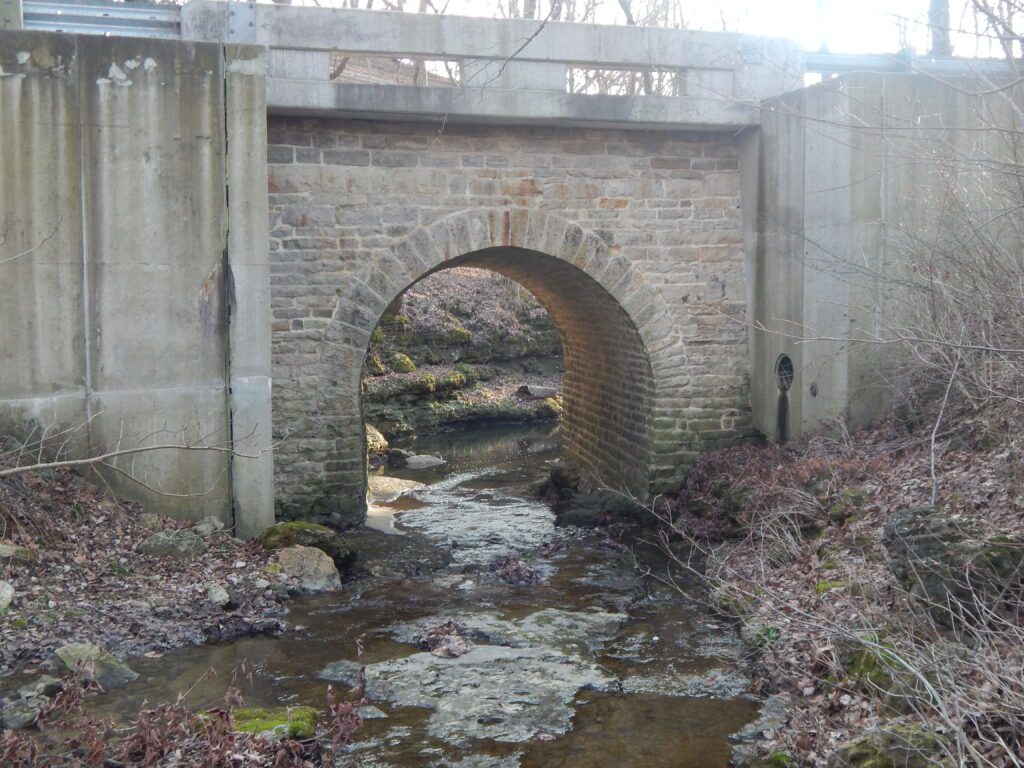
Listed on the National Register of Historic Places in 2009, the span is the oldest in Clark County a traveler can cross. It is also one of the oldest stone bridges in use in Ohio. Stone mason Samuel S. Taylor (1837-1930) built the culvert from locally quarried limestone in 1871, his first public works project. […]
7-12 Robert C. Henry
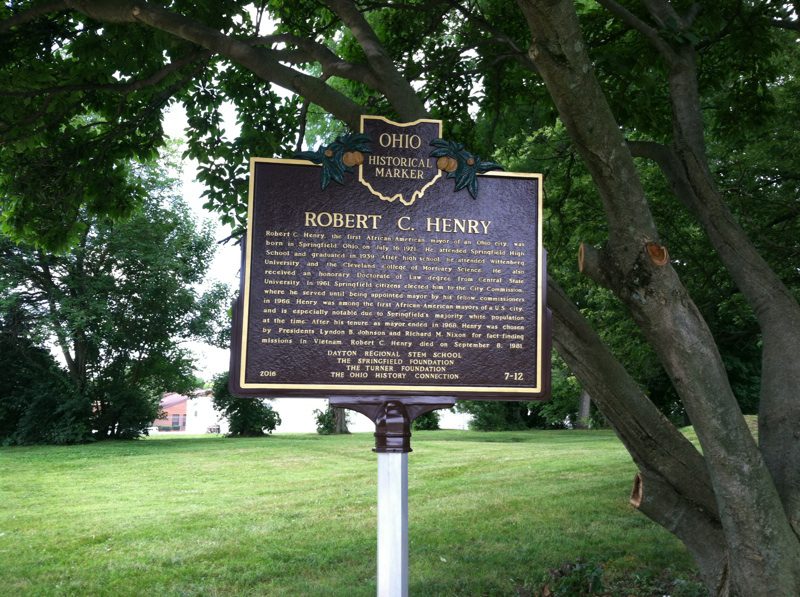
Robert C. Henry, the first African-American mayor of an Ohio city, was born in Springfield, Ohio, on July 16, 1921. He attended Springfield High School and graduated in 1939. After high school, he attended Wittenberg University and the Cleveland College of Mortuary Science. He also received an honorary Doctorate of Law degree from Central State […]
6-12 Ridgewood in the Country Club District
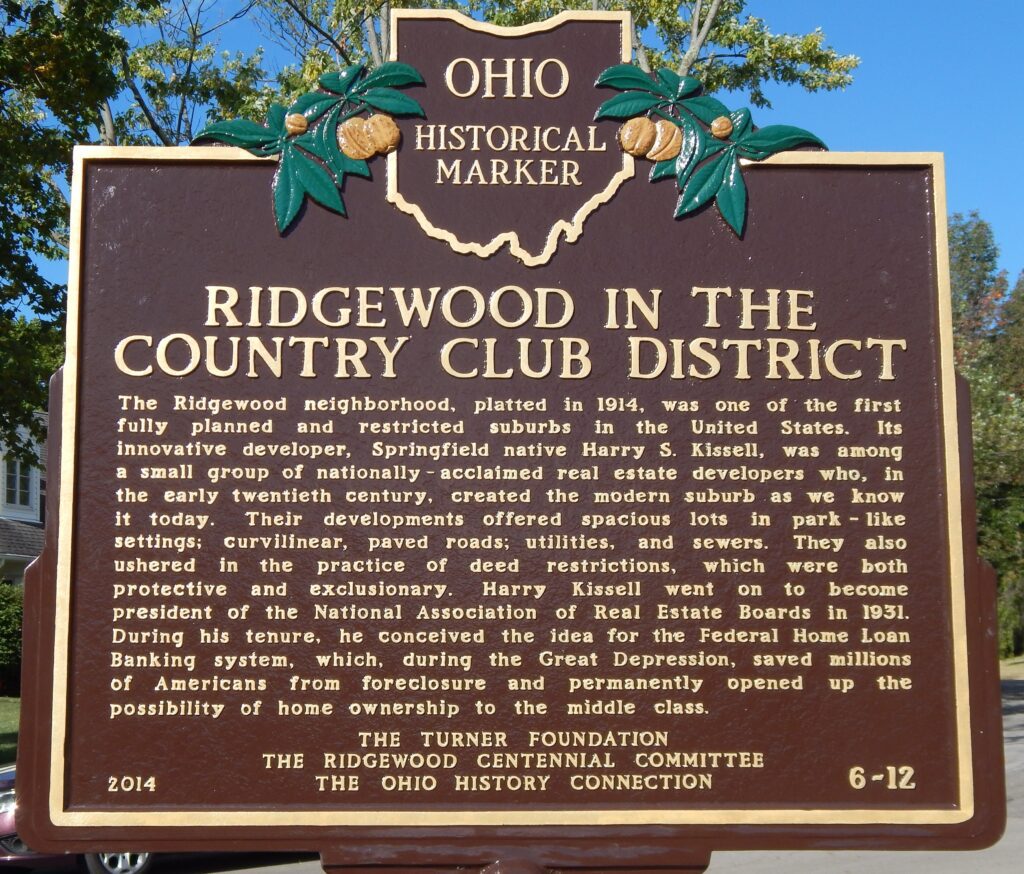
The Ridgewood neighborhood, platted in 1914, was one of the first fully planned and restricted suburbs in the United States. Its innovative developer, Springfield native Harry S. Kissell, was among a small group of nationally-acclaimed real estate developers who, in the early twentieth century, created the modern suburb as we know it today. Their developments […]
5-12 Springfield, Troy, & Piqua Electric Railway
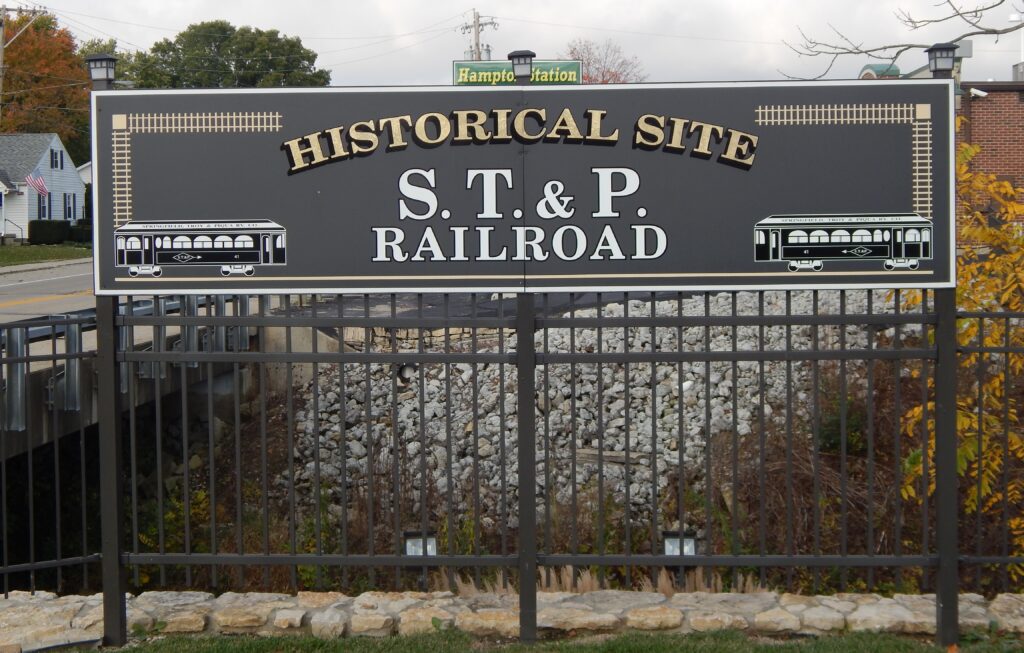
Asa Bushnell, former Governor of Ohio, encouraged by the light grade of the land, decided to establish the Springfield, Troy, and Piqua Railway (ST&P) in July 1904. The interurban traction line utilized sixty-pound rail and traveled over only one bridge. With direct current electricity generated in Springfield, the ST&P used four double-ended fifty-foot cars, each […]
4-12 Pennsylvania House / The National Road
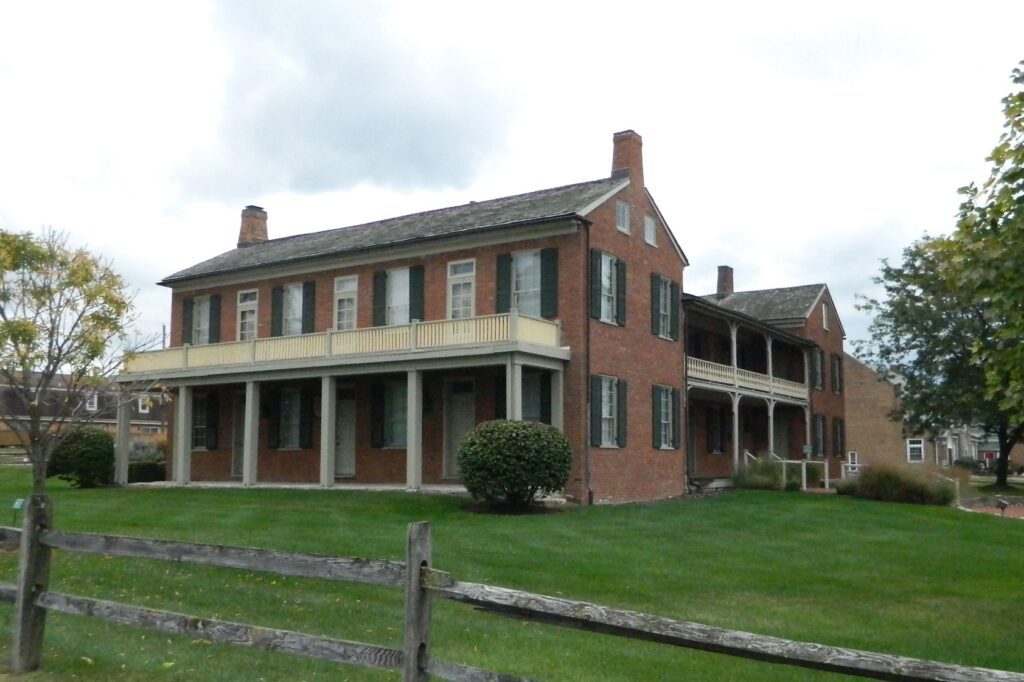
David Snively built the Federal-style Pennsylvania House in 1839 along the newly constructed National Road. This tavern and inn was an important stopover for livestock drovers and pioneers traveling by foot, on horseback, or in Conestoga wagons during the westward expansion of the United States in the nineteenth century. Dr. Isaac K. Funk, of Funk […]
3-12 The Birthplace of 4-H
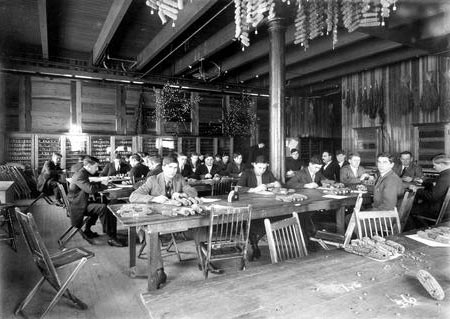
A. B. Graham, superintendent of Springfield Township Rural schools in Clark County, established the Boys and Girls Agricultural Experiment Club, which revolutionized agricultural education and non-formal youth development methods. The first meeting of the club, said to be the nation’s first farm club for young people, was held at this site on January 15, 1902 […]
2-12 City Building
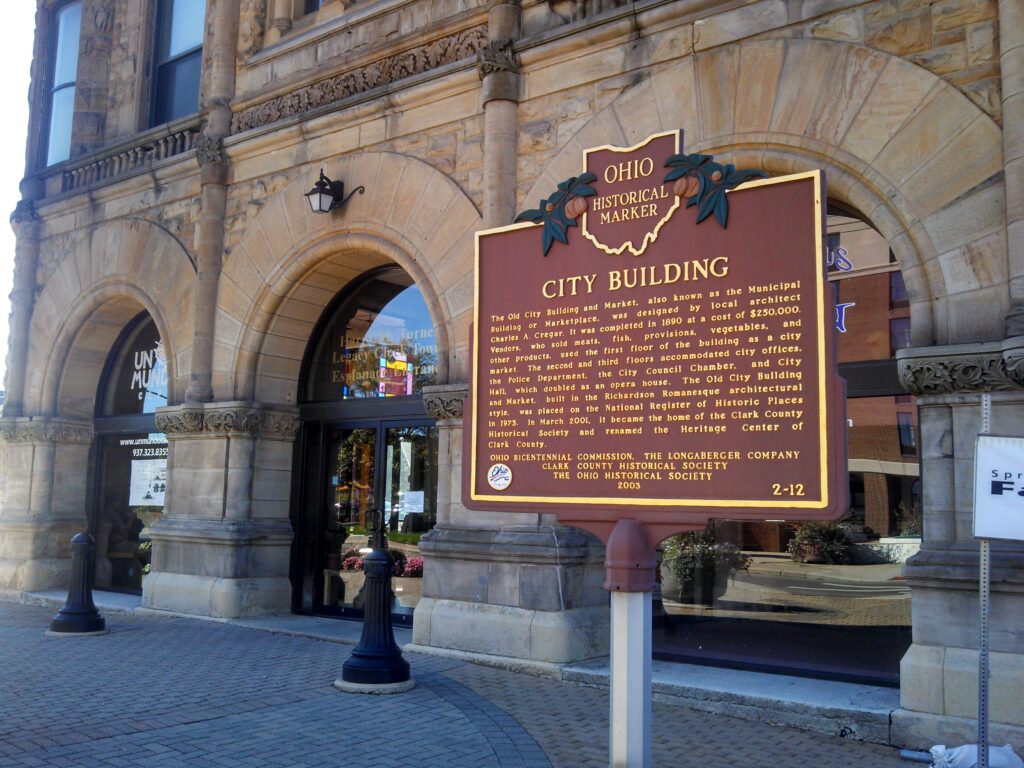
The Old City Building and Market, also known as the Municipal Building or Marketplace, was designed by local architect Charles A. Cregar. It was completed in 1890 at a cost of $250,000. Vendors, who sold meats, fish, provisions, vegetables, and other products, used the first floor of the building as a city market. The second […]