 Skip to content

29-18 German Corners / St. John Evangelical Lutheran Church
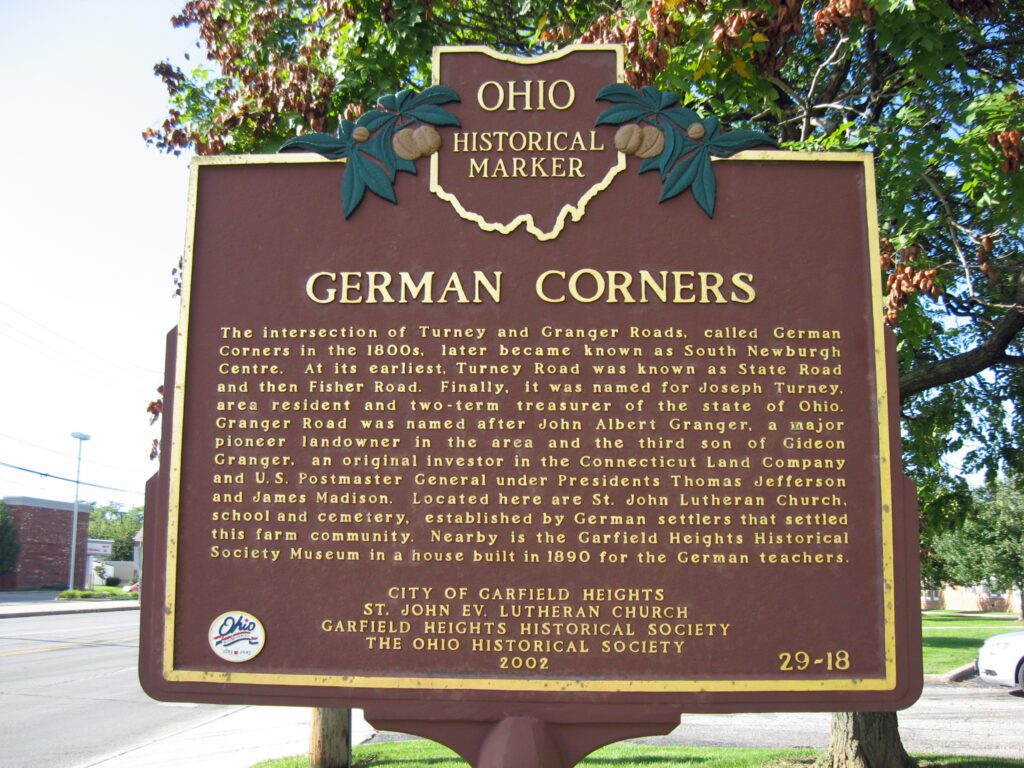
The intersection of Turney and Granger Roads, called German Corners in the 1800s, later became known as South Newburgh Centre. At its earliest Turney Road was known as State Road and then Fisher Road. Finally, it was named for Joseph Turney, area resident and two-term treasurer of the state of Ohio. Granger Road was named […]
28-18 (A) Cahoon Memorial Park
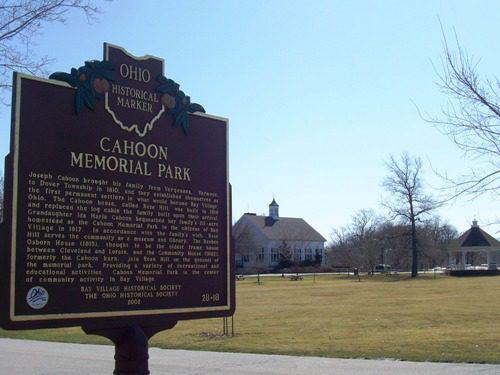
Joseph Cahoon brought his family from Vergennes, Vermont, to Dover Township in 1810, and they established themselves as the first permanent settlers in what would become Bay Village, Ohio. The Cahoon house, called Rose Hill, was built in 1818 and replaced the log cabin the family built upon their arrival. Granddaughter Ida Maria Cahoon bequeathed […]
27-18 Cuyahoga County Fair
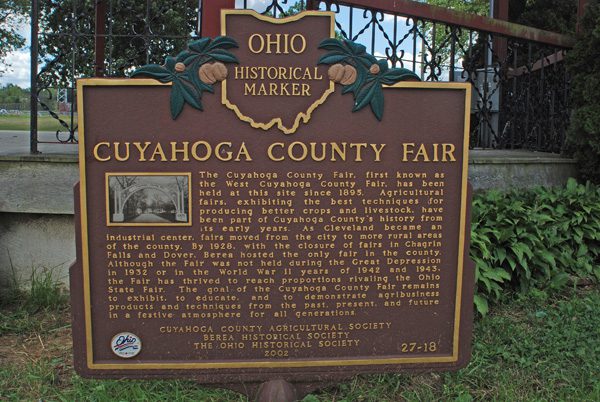
The Cuyahoga County Fair, first known as the West Cuyahoga County Fair, has been held at this site since 1895. Agricultural fairs, exhibiting the best techniques for producing better crops and livestock, have been part of Cuyahoga County’s history from its early years. As Cleveland became an industrial center, fairs moved from the city to […]
26-18 Lakeside Cemetery

Laid out in 1814, Lakeside Cemetery became the first public burying ground in Dover Township, an area that now includes Bay Village, Westlake, and the northern portion of North Olmsted. Reuben Osborn (1778-1860) arrived in Dover on October 10, 1810, but returned to New York. He settled on this land with his wife Sarah Johnson […]
25-18 The Mills of Gates Mills
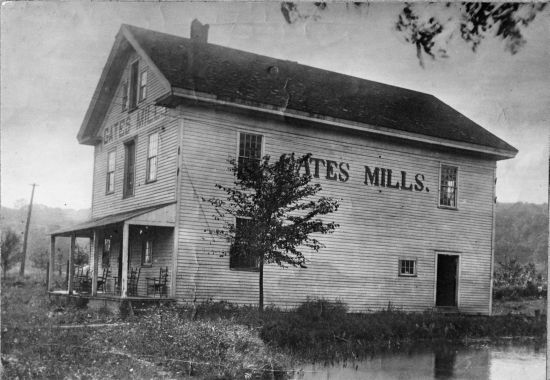
The village of Gates Mills derives its name from its founder, Holsey Gates, and from the importance of mills in the agricultural community. In 1826, the year of Gates Mills’ founding, a sawmill was constructed to increase the lumber supply and attract new settlers. In the following year, a rake factory was established, and by […]
24-18 Bain Park Cabin
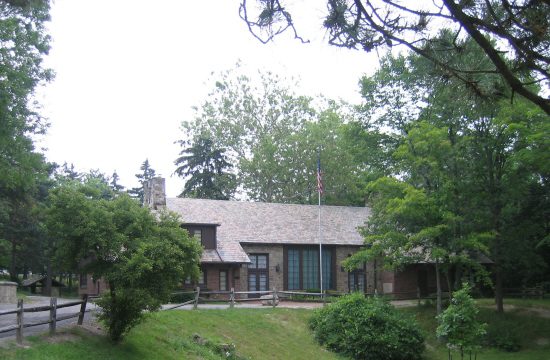
Envisioned by Fairview Village Mayor, David R. Bain, this community center was originally completed in 1937 as a project of the Works Progress Administration (WPA), a Depression-era work relief program initiated by the Federal Government in 1935. A fire destroyed the original log cabin on December 14, 1937, just four days before the planned dedication. […]
23-18 Lyceum Square
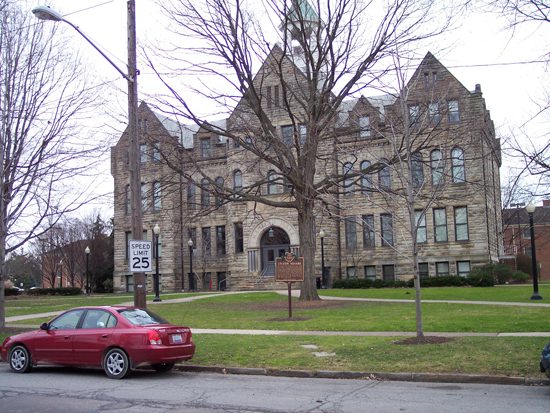
On this site the Lyceum Village and the Berea Seminary were established in 1837 by John Baldwin, James Gilruth, Henry O. Sheldon, and Josiah Holbrook. Their vision was to create the first in a connected series of Lyceum Villages. The Villages were designed especially to assist in the education of teachers, promote “scientific” exchanges over […]
22-18 The Stearns Homestead
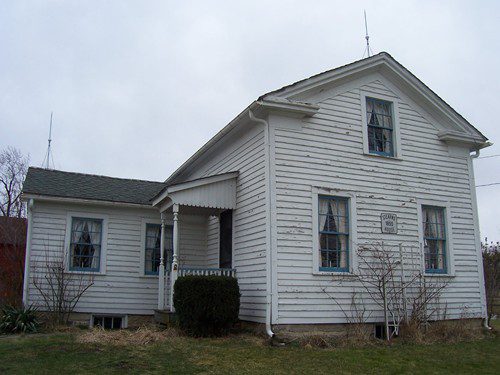
This 48-acre farm is the last remnant of an agricultural way of life that characterized Parma Township well into the 20th century. The farmhouse, built circa 1855 by Western Reserve settler Lyman Stearns, is representative of the Greek Revival style of architecture popular in this region prior to the Civil War. The “Yankee” style barn […]
21-18 Hiram House

Hiram House was Ohio’s first settlement house and among the earliest in the nation, opening in October 1896 in Cleveland’s Whiskey Island neighborhood. Representing the ideals of a late-1800s urban progressive movement, settlement houses provided–through “service, not charity” –health, recreational, and self-development opportunities that were not widely available in this era. Founded by Hiram College […]
20-25 The Borror Family Jackson Township Pioneers / Borror’s Corners Pioneer Homestead 1809-1811

In 1809-1811, Magdalene Strader Borror, widow of Revolutionary War veteran Jacob Borror Jr., moved to this area from Virginia with her seven children (Martin, Jacob, Myomi, Solomon, Christine, Issac, and Absalom). Originally clearing and settling 400 acres of land given to Magdalene by her father, Christopher Strader, the family eventually prospered throughout the entire township. […]