 Skip to content

4-22 Milan Canal Basin
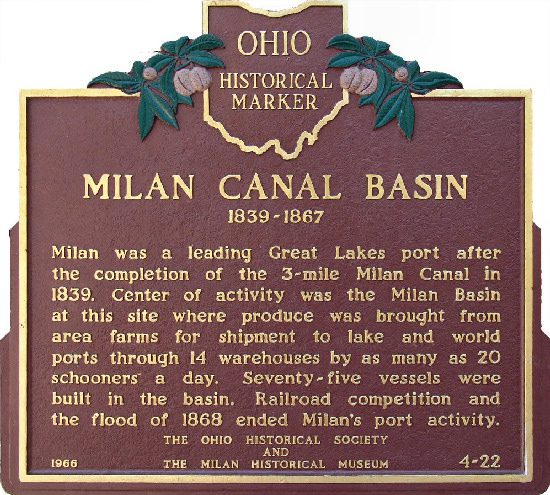
Milan was a leading Great Lakes port after the completion of the 3 mile Milan Canal in 1839. Center of activity was the Milan Basin at this site where produce was brought from area farms for shipment to lake and world ports through 14 warehouses by as many as 20 schooners a day. Seventy-five vessels […]
3-22 Cholera Cemetery / In Honor of the Doctors

Of the city’s 5,667 people in 1849, 3,500 fled, and 400 of those remaining were victims of cholera. Most are buried here, some only in rough boxes in a common grave. The scourge came again in 1850 and 1852 but with less toll. “Dismay stalked abroad in the daytime and the drowsy night was hideous […]
21-21 Field Musician Richard W. Thompson / Field Musician Richard W. Thompson
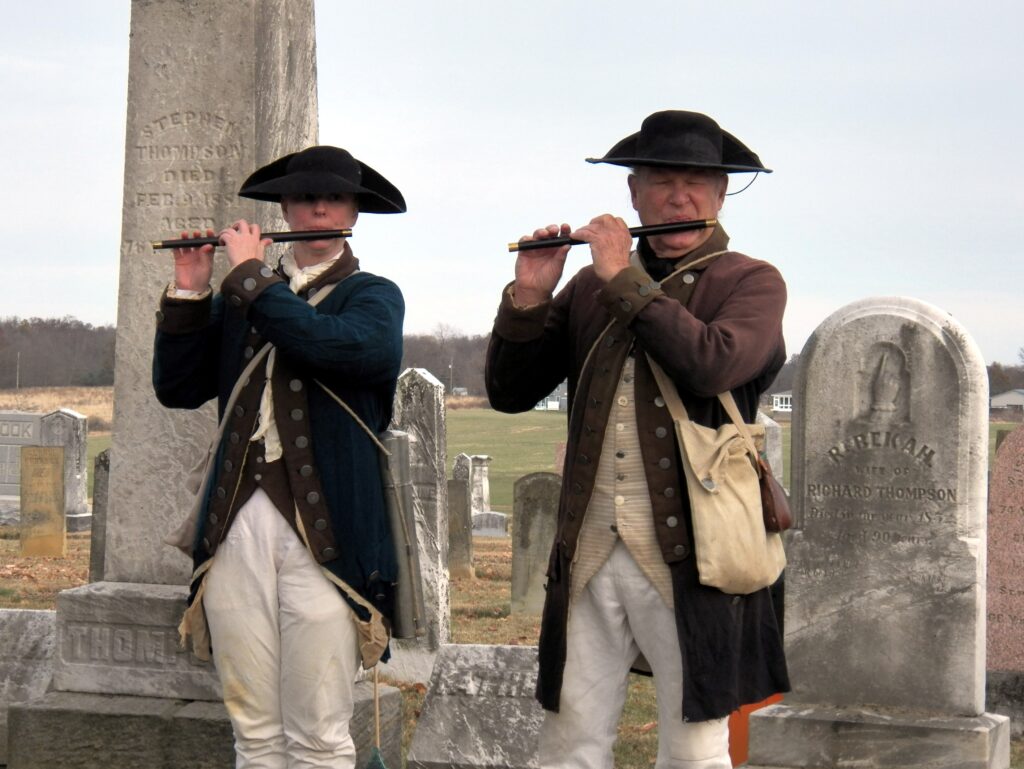
Field Musician Richard W. Thompson. Tunes played on fife and drum regulated a soldier’s life in camp and his actions on the battlefield. Heard over the roar of battle and through the haze of smoke, fifes and drums – field music – communicated orders to massed troops quickly. Richard Willoughby Thompson (c. 1742-1837), buried in […]
20-21 Lucy Depp Park & The Depp Settlement
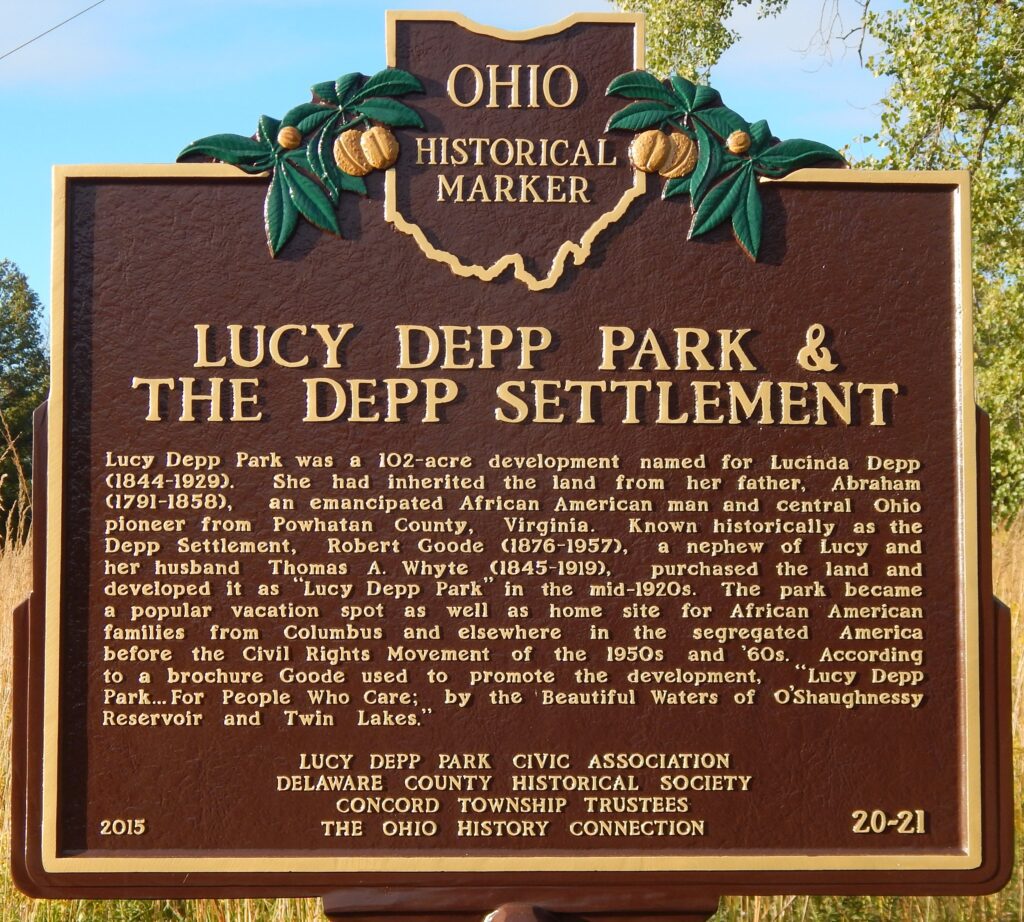
Lucy Depp Park was a 102-acre development named for Lucinda Depp (1844-1929). She had inherited the land from her father, Abraham (1791-1858), an emancipated African American man and central Ohio pioneer from Powhattan County, Virginia. Known historically as the Depp Settlement, Robert Goode (1876-1957), a nephew of Lucy and her husband Thomas A. Whyte (1845-1919), […]
19-21 Major General William Starke Rosecrans / Glacial Erratics
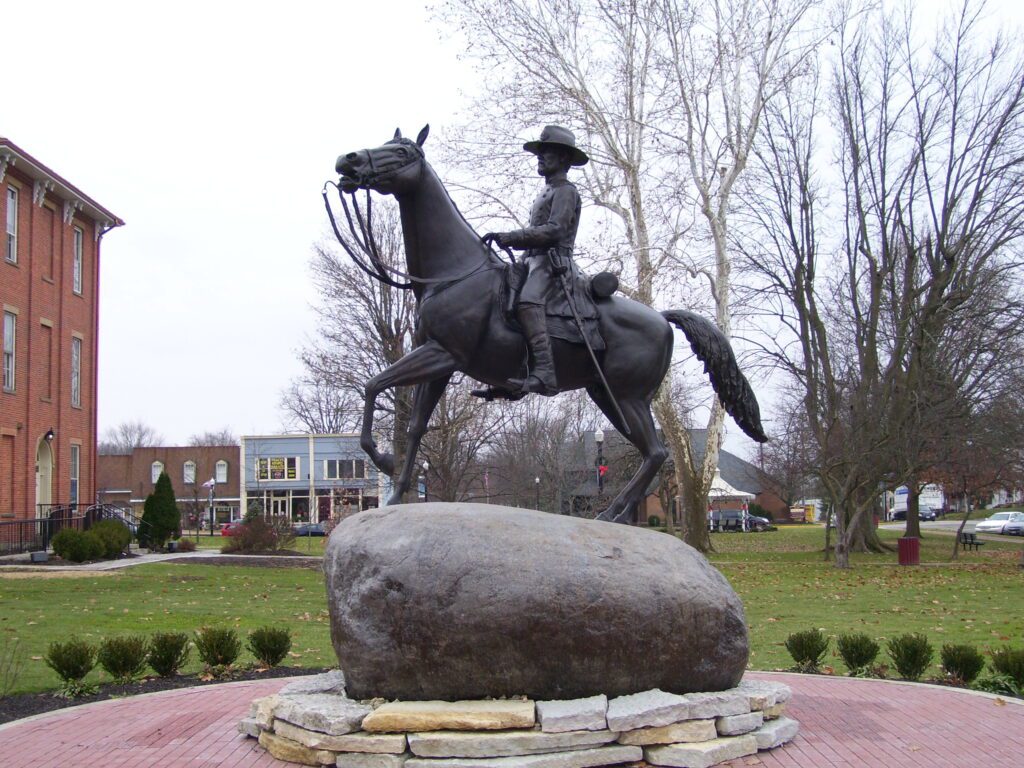
W.S. Rosecrans, soldier, engineer, architect and inventor, was born in Kingston Township in 1819. After graduation from West Point in 1842, he served in the Engineering Corps then taught at West Point. As a civilian, he engineered a river lock system and perfected lamp oil. During the Civil War, Rosecrans commanded Union Armies of the […]
18-21 Benajah Cook Sawmill and Farmstead
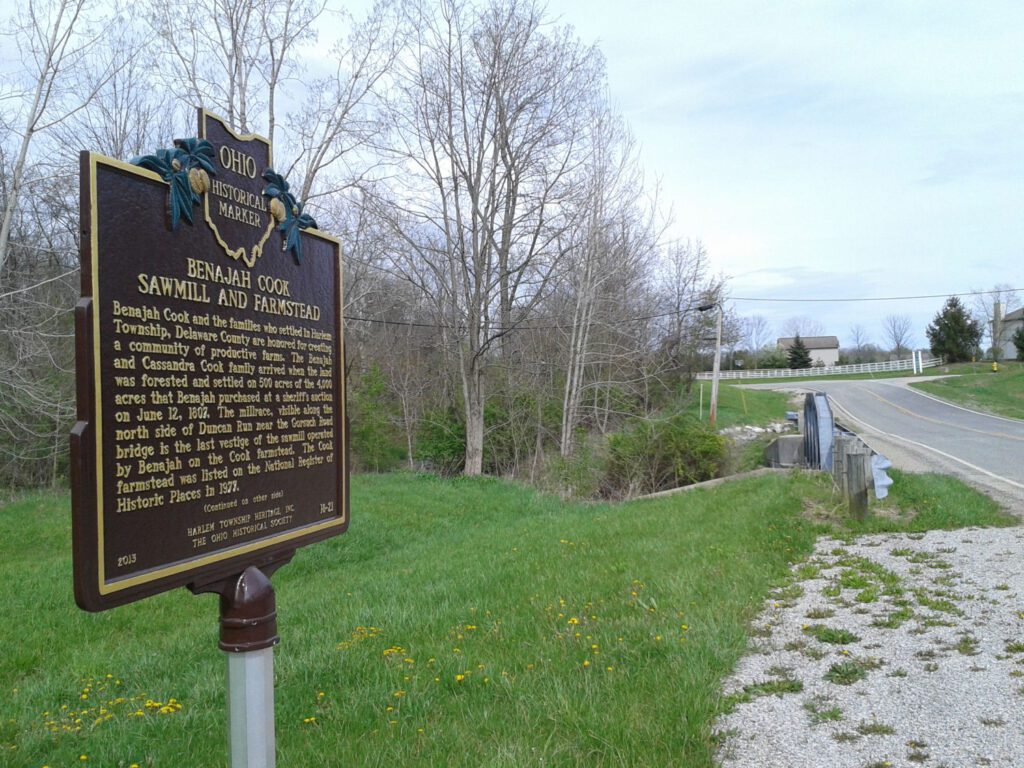
Benajah Cook and the families who settled in Harlem Township, Delaware County are honored for creating a community of productive farms. The Benajah and Cassandra Cook family arrived when the land was forested and settled on 500 acres of the 4,000 acres that Benajah purchased at a sheriff’s auction on June 12, 1807. The millrace, […]
17-21 The Gooding House and Tavern / Rural Taverns in Early Ohio History
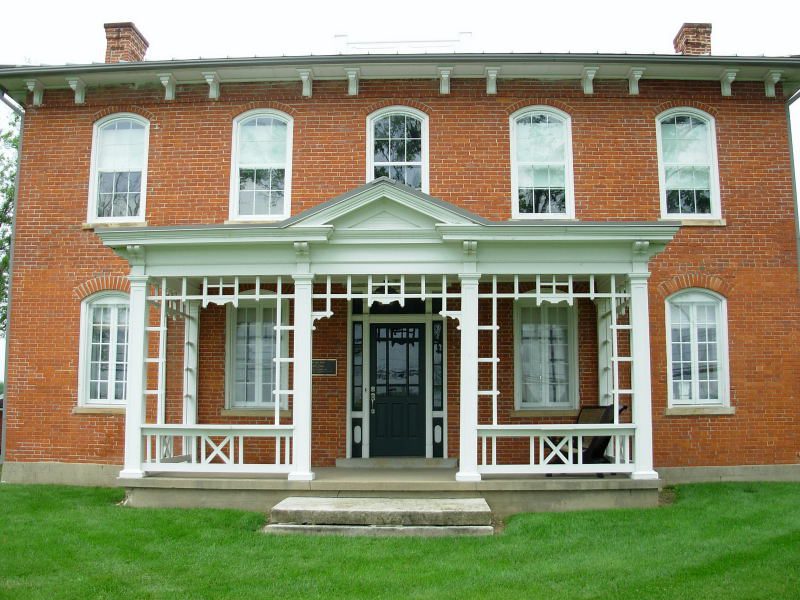
Known as the “Halfway House,” the Gooding House and Tavern was built by George B. Gooding halfway between the towns of Worthington and Delaware in 1827. Its location was influenced by construction of the Columbus and Sandusky Turnpike that was chartered by the State of Ohio the year before. Also known as the “Mud Pike,” […]
16-21 Bellpoint Buccaneers / Bellpoint High School
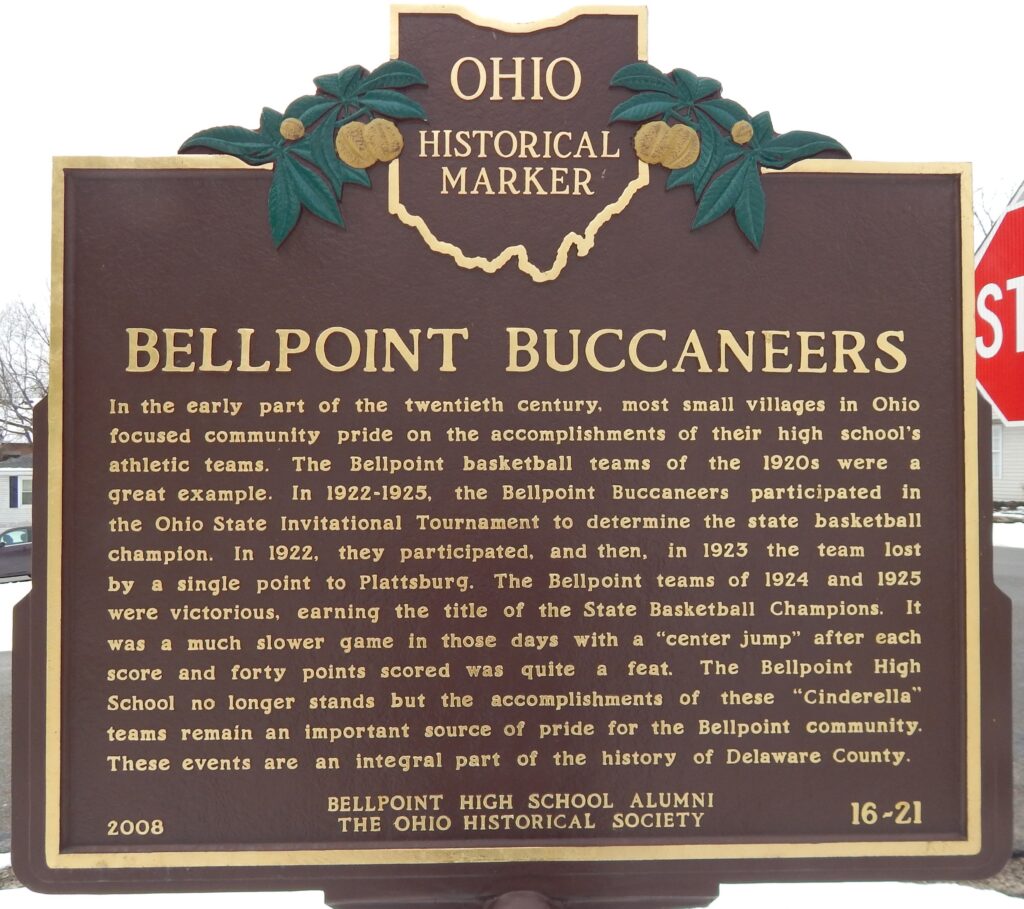
In the early part of the twentieth century, most small villages in Ohio focused community pride on the accomplishments of their high school’s athletic teams. The Bellpoint basketball teams of the 1920s were a great example. In 1922-1925, the Bellpoint Buccaneers participated in the Ohio State Invitational Tournament to determine the state basketball champion. In […]
15-21 Liberty Presbyterian Church Founded in 1810 / Nathan Carpenter, The First Colonial Settler in Delaware County

The first religious society organized in Liberty Township was formed in 1810 by Elders Thomas Cellar, Josiah McKinnie, and Leonard Monroe. Cellar and McKinnie came to Delaware in 1802. In 1820, The Elders and others built Liberty Church and laid out a cemetery on land provided by Thomas Cellar. Along with the Cellar and McKinnie […]
14-21 The Union Land Company and the Case Family / The Olentangy River Road
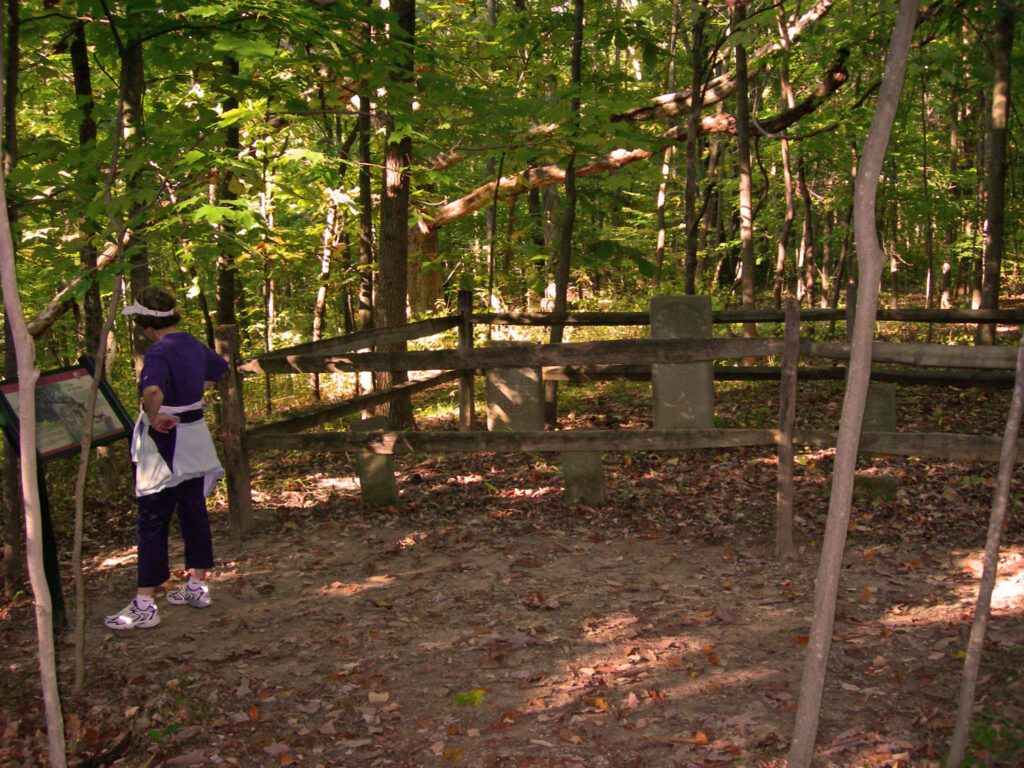
Congress established the United States Military District in 1796 by an act to provide bounty land for Revolutionary War officers and soldiers. District lands consisted of 2.6 million acres in twelve Ohio counties, including Delaware County. The Union Land Company, organized by James Kilbourne of Connecticut in 1806, was formed to purchase Military District land. […]