 Skip to content

10-23 Camp Anderson
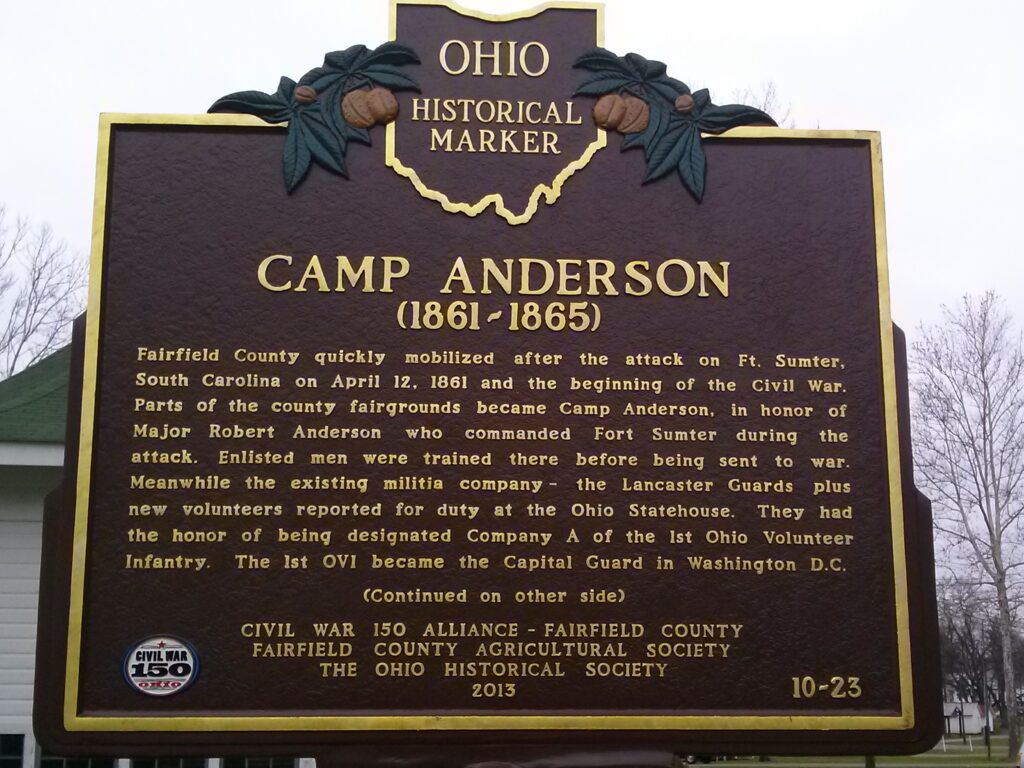
Fairfield County quickly mobilized after the attack on Ft. Sumter, South Carolina on April 12, 1861 and the beginning of the Civil War. Parts of the county fairgrounds became Camp Anderson, in honor of Major Robert Anderson who commanded Fort Sumter during the attack. Enlisted men were trained there before being sent to war. Meanwhile […]
9-23 Bremen Oil Boom

The Bremen Oil Boom commenced in 1907-’08 and the town became a center in the region’s petroleum industry. The area was a forest of oil derricks. From this point south, it was said that one could go down Broad Street from derrick to derrick and not touch the ground. A reconstructed derrick, erected to commemorate […]
8-23 Zane’s Trace
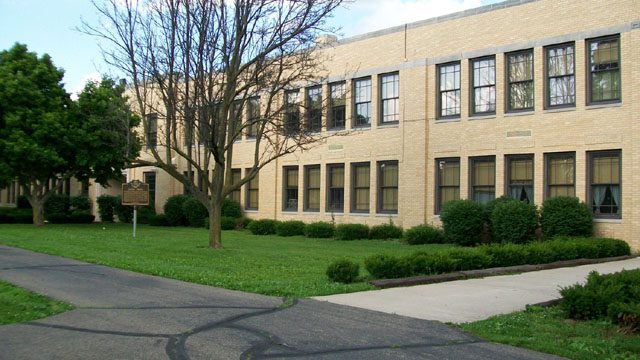
Colonel Ebenezer Zane played a major role in the development of Ohio, a role that helped place it on the path to statehood. A veteran of the Revolutionary War and experienced road builder, he received permission from Congress in 1796 to build a road into the Northwest Territory, which would be called Zane’s Trace. In […]
7-23 Junction of The Ohio Erie and Lancaster Lateral Canals
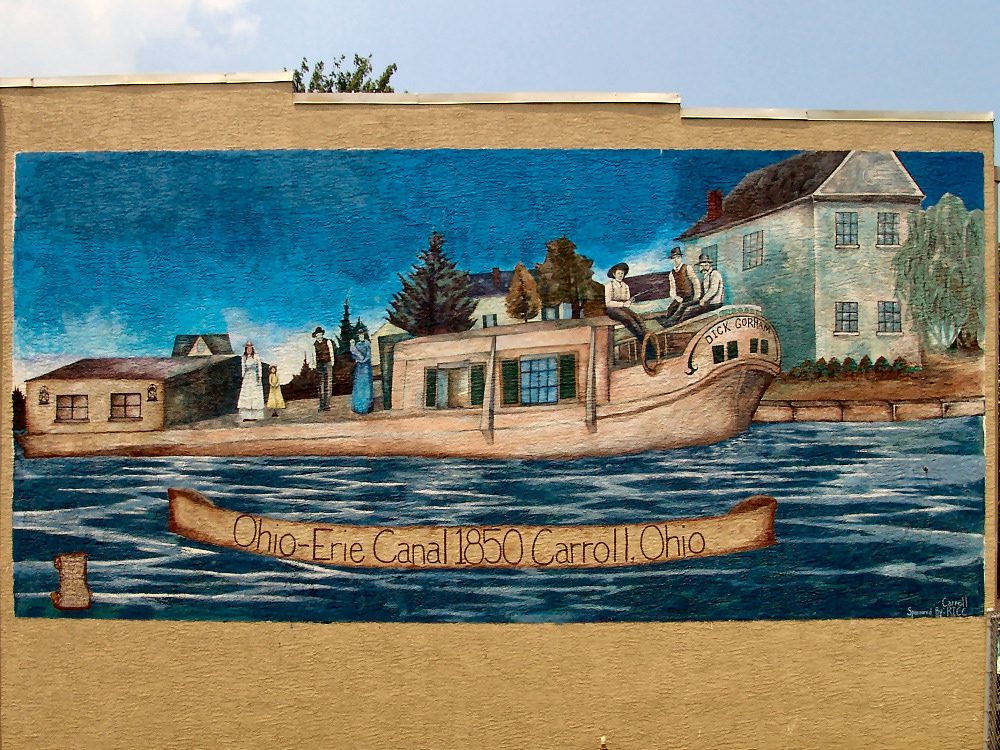
Canals were an important means of transportation when Carroll was founded in 1829 by William Tong and his brother Oliver, who chose this site because it was where the proposed intersection of the Lancaster Lateral Canal and Ohio-Erie Canal would be constructed. This is the only site in Fairfield County where two canals met and […]
6-23 William Tecumseh Sherman / William Tecumseh Sherman
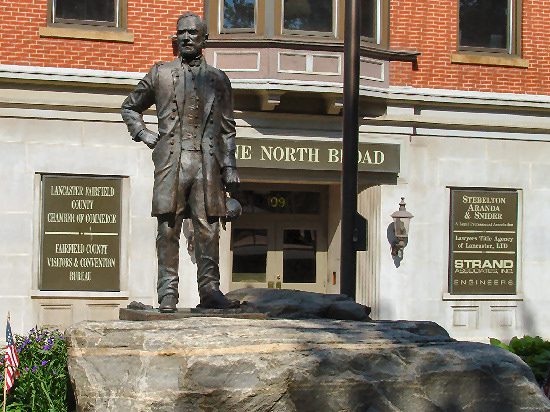
Lancaster’s native son, Civil War General William Tecumseh Sherman, was a four-star military genius. He played a major role in the Union victory during the Civil War as a brilliant commander and grand strategist who revolutionized war by incorporating psychological and economic warfare into his military tactics, culminating with the famous “March to the Sea” […]
5-23 The Fifty Star Flag: A Symbol of America
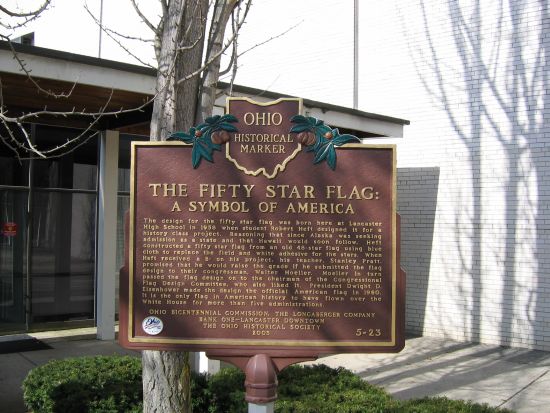
The design for the fifty star flag was born here at Lancaster High School in 1958 when student Robert Heft designed it for a history class project. Reasoning that since Alaska was seeking admission as a state and that Hawaii would soon follow, Heft constructed a fifty star flag from an old 48-star flag using […]
4-23 The Ohio & Erie Canal and the “Twin Cities” / The Ohio & Erie Canal and The Dry Dock Lock
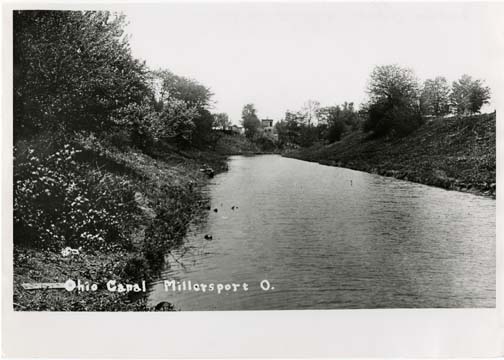
On this site the Ohio & Erie Canal flowed south and down-level under the Market Street Bridge. Nearby Pawpaw Creek and the canal culturally divided the Swiss settlers to the west in Basil and the Virginia pioneers to the east in New Market (Baltimore by 1833). In March 1825, the “Twin Cities” were “dedicated” one […]
3-23 Deep Cut at the Licking Summit / Millersport and The Ohio-Erie Canal
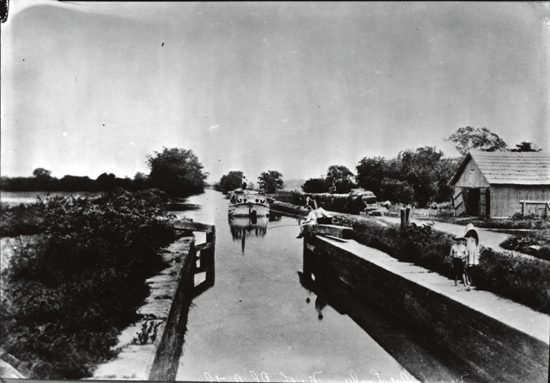
Digging of the Ohio-Erie Canal began in 1825, and the first canal boat navigated the Deep Cut at Licking Summit in 1831. The surrounding swamps were drained to create the Licking Reservoir, today known as Buckeye Lake, in order to supply adequate water for the canal going north to Coshocton and south to Circleville. After […]
2-23 Pioneer Lutherans
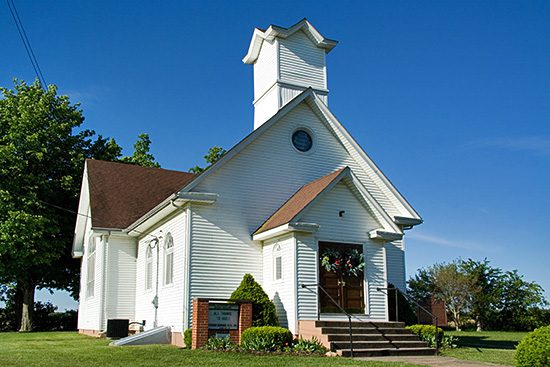
The Israel Evangelical Lutheran Church was organized August 23, 1812. According to available records, in 1813 the first meeting in Ohio of the “Special Conferences” called by the Lutheran Ministerium of Pennsylvania was held at the church. Pioneer Lutheran pastors, the Reverends Heineke, Henkle, Huet, and Jacob Leist, met to further organize the Christian Witness […]
1-23 Fairfield School for Boys 1857-1979
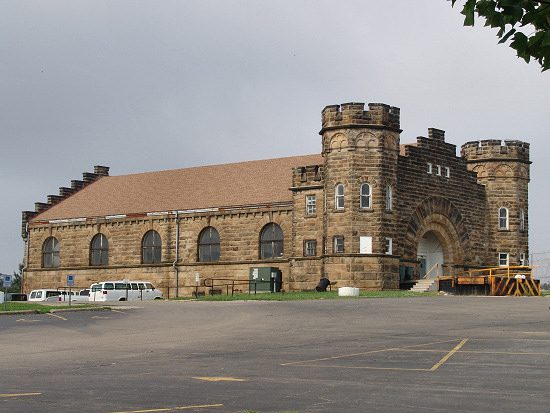
As the nation’s first and largest minimum security correctional facility, the Fairfield School for Boys served over 100,000 Ohio juvenile offenders. The school was converted to an adult facility in 1980. Presented by the Ridgeview Garden Club