 Skip to content

34-25 The Bank Block
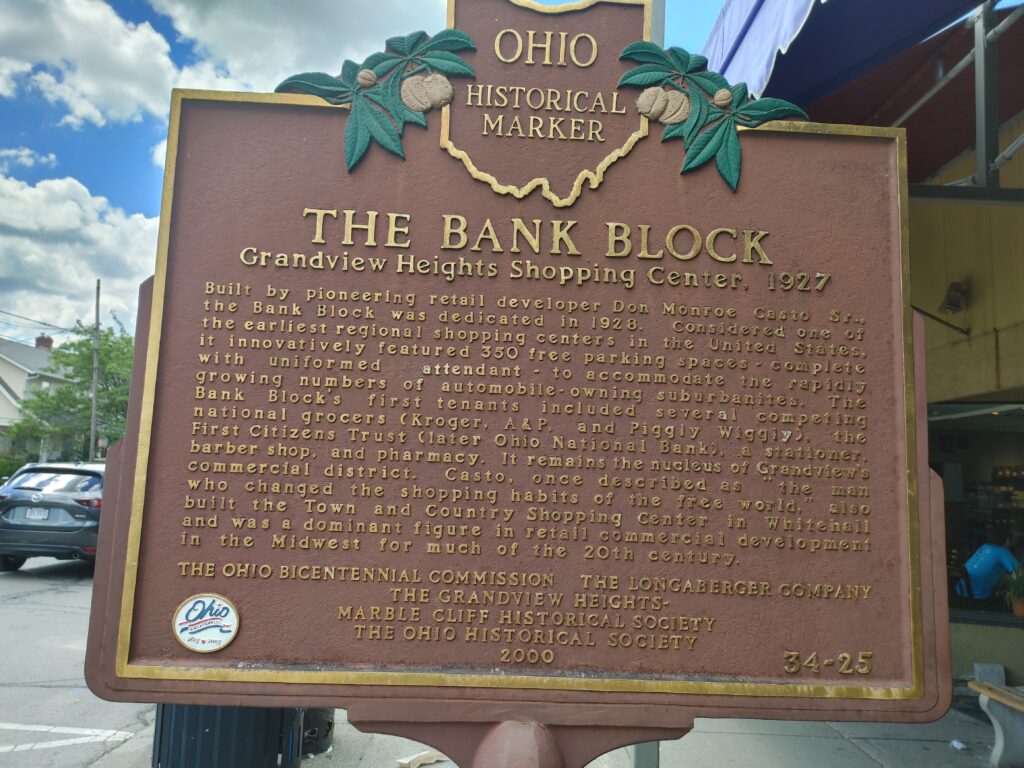
Built by pioneering retail developer Don Monroe Casto Sr., the Bank Block was dedicated in 1928. Considered one of the earliest regional shopping centers in the United States, it innovatively featured 350 free parking spaces-complete with uniformed attendant-to accommodate the rapidly growing numbers of automobile-owning suburbanites. The Bank Block’s first tenants included several competing national […]
33-25 General John Hunt Morgan, CSA / Morgan’s Escape
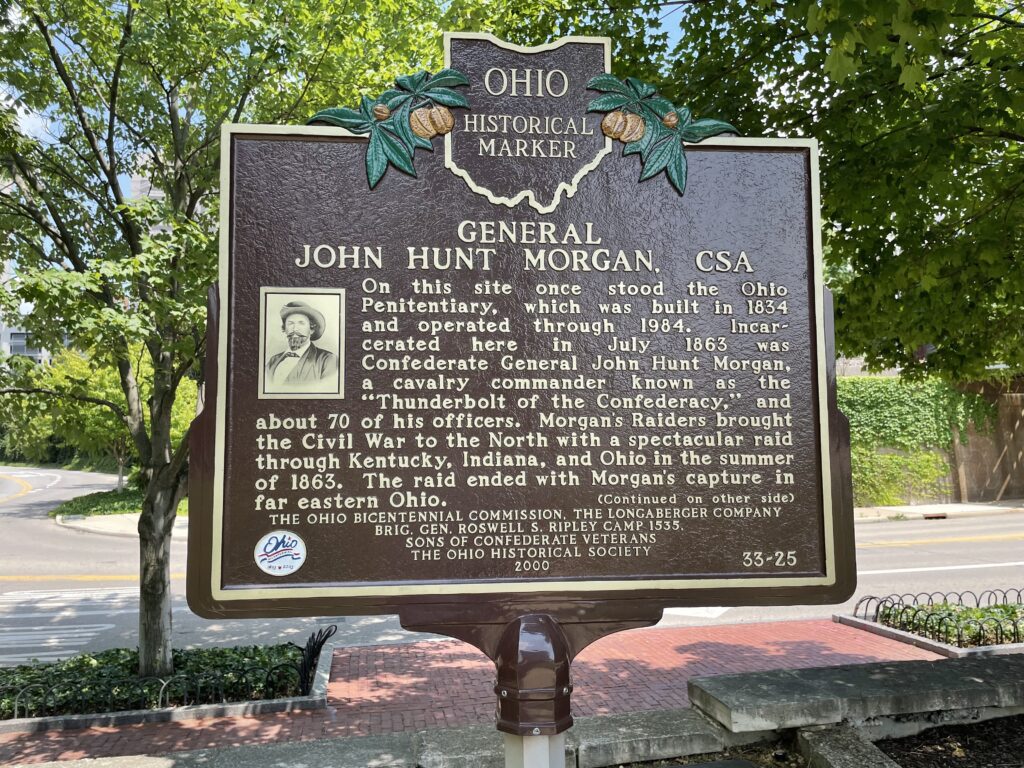
On this site once stood the Ohio Penitentiary, which was built in 1834 and operated through 1984. Incarcerated here in July 1863 was Confederate General John Hunt Morgan, a cavalry commander known as the “Thunderbolt of the Confederacy,” and about 70 of his officers. Morgan’s Raiders brought the Civil War to the North with a […]
32-25 Birthplace of the Veterans of Foreign Wars
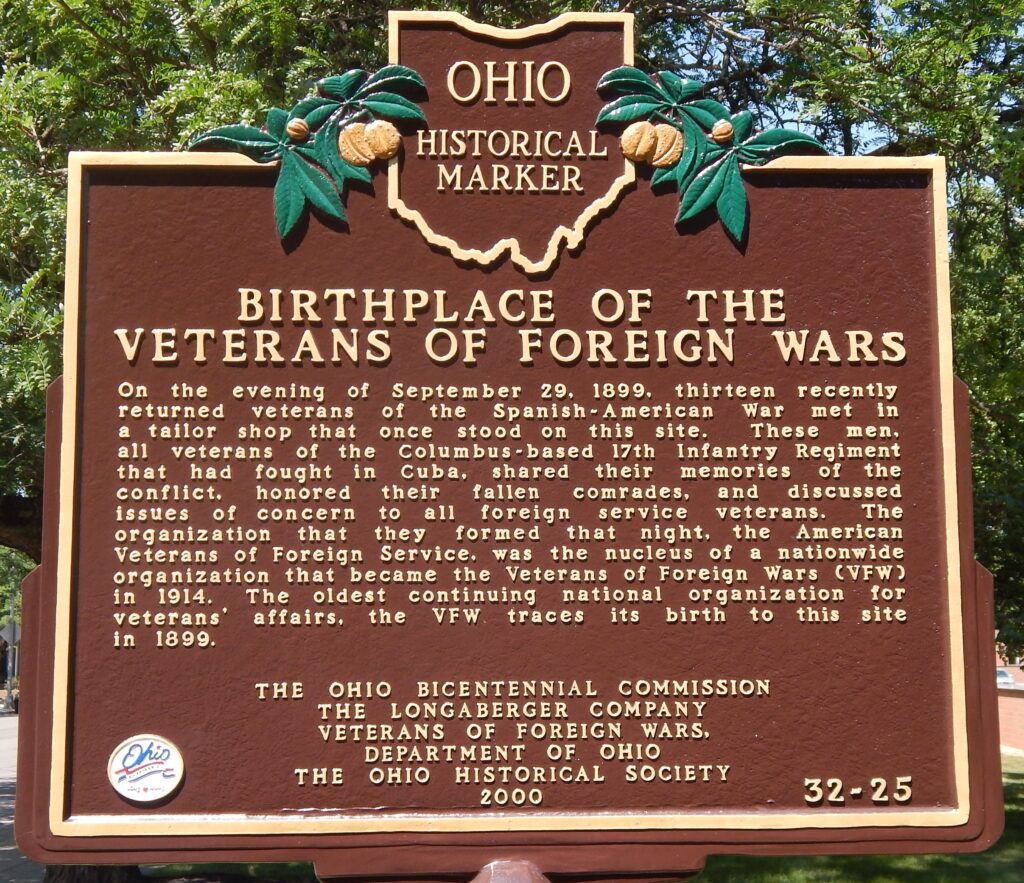
On the evening of September 29, 1899, thirteen recently returned veterans of the Spanish-American War met in a tailor shop that once stood on this site. These men, all veterans of the Columbus-based 17th Infantry Regiment that had fought in Cuba, shared their memories of the conflict, honored their fallen comrades, and discussed issues of […]
31-25 Norton Field

The first airport in central Ohio, Norton Field was named for World War I pilot and star Ohio State University athlete Fred William Norton, a Columbus native. On July 2, 1918, Capt. Norton led the 27th “Eagle” Pursuit Squadron in one of the earliest significant American air engagements of World War I. He died from […]
30-25 (A) Ohio-Erie Canal and Locks / The Columbus Feeder Canal
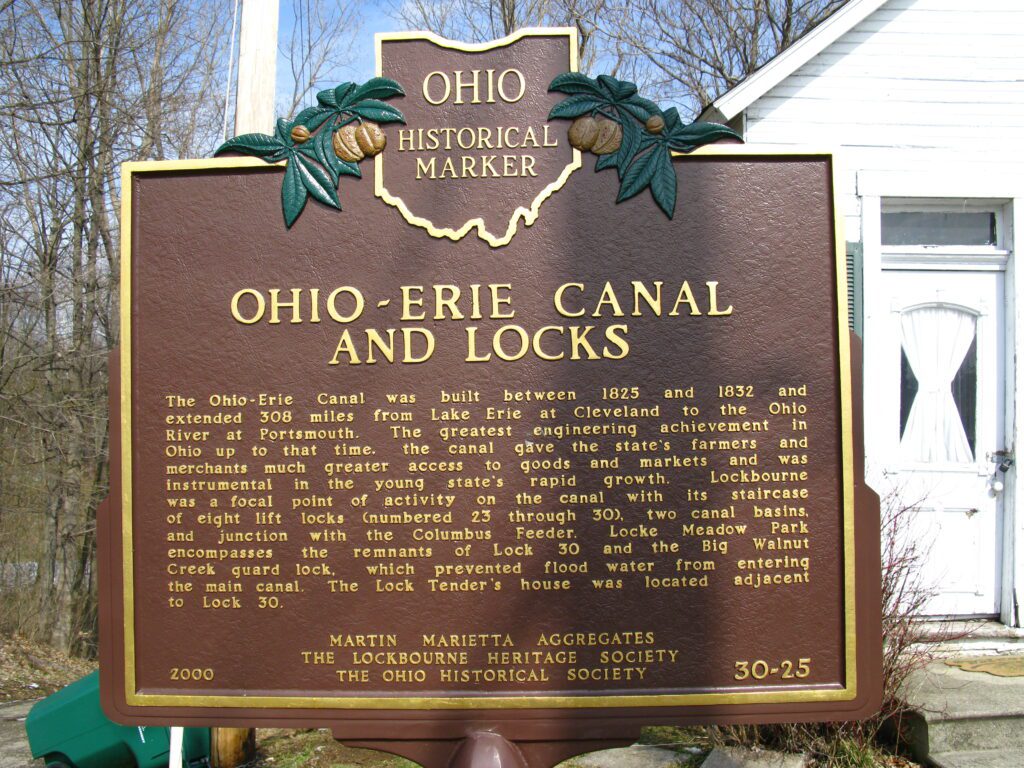
The Ohio-Erie Canal was built between 1825 and 1832 and extended 308 miles from Lake Erie at Cleveland to the Ohio River at Portsmouth. The greatest engineering achievement in Ohio up to that time, the canal gave the state’s farmers and merchants much greater access to goods and markets and was instrumental in the young […]
29-25 Historic Lockbourne

Anticipating a boom in canal commerce, Colonel James Kilbourne (1770-1850) platted Lockbourne in 1831 at the junction of the Ohio-Erie Canal and the Columbus Feeder, which was completed the same year. Lockbourne derives its name from the numerous canal locks at this site and Kilbourne’s own surname. During the heyday of the canal era, Lockbourne […]
28-25 St. Mary Church
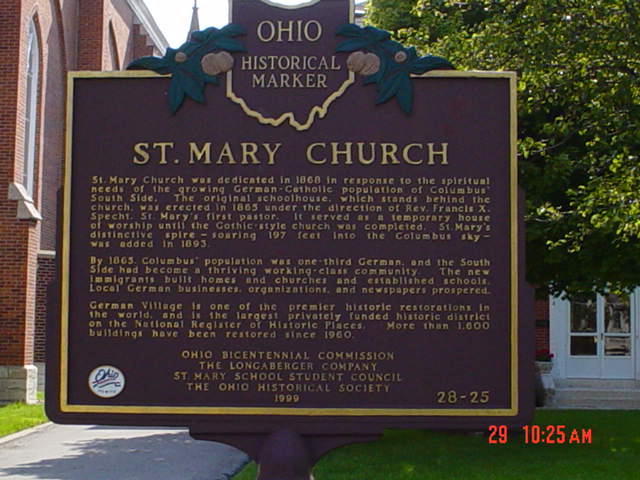
St. Mary Church was dedicated in 1868 in response to the spiritual needs of the growing German-Catholic population of Columbus’ South Side. The original schoolhouse, which stands behind the church, was erected in 1865 under the direction of Rev. Francis X. Specht, St. Mary’s first pastor. It served as a temporary house of worship until […]
27-25 Camp Chase
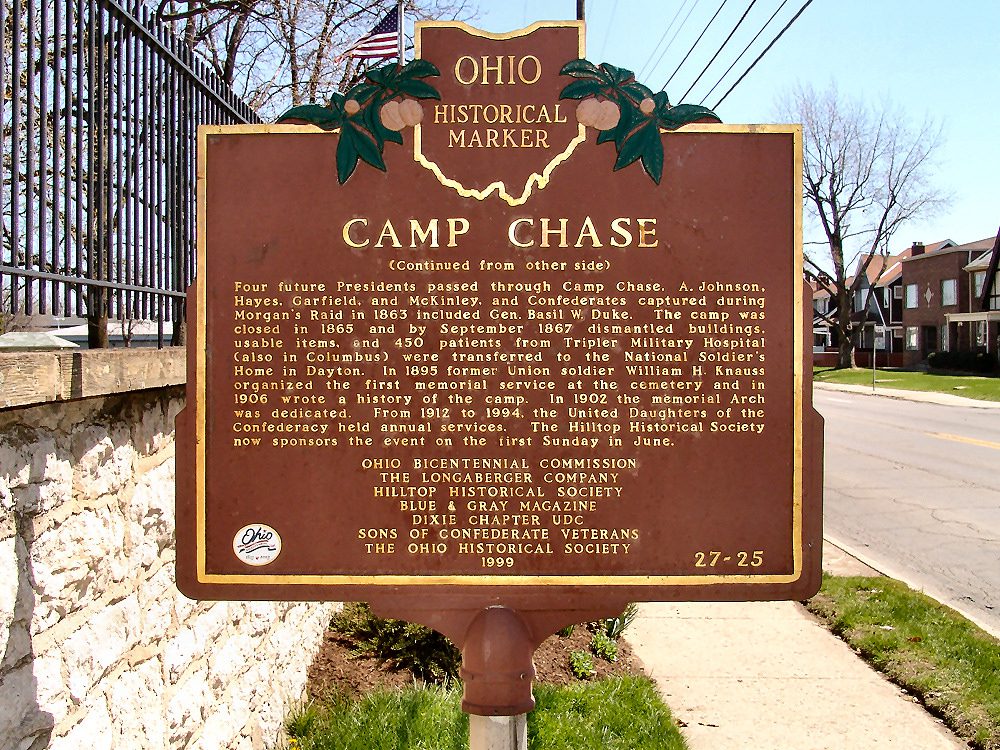
Camp Chase was a Civil War camp established in May 1861, on land leased by the U.S. Government. Four miles west of Columbus, the main entrance was on the National Road. Boundaries of the camp were present-day Broad Street (north), Hague Avenue (east), Sullivant Avenue (south), and near Westgate Avenue (west). Named for former Ohio […]
26-25 Canal Winchester and The Ohio and Erie Canal

You are standing on the site of Ohio and Erie Canal. The canal helped to open the interior of Ohio to trade and settlement and played a part in Winchester’s prosperity during the mid-1800s. Local farmers exported grain from the village via the canal while local merchants imported such items as coffee, dishes, and tools […]
6-16 Koquechagachton – Chief White Eyes
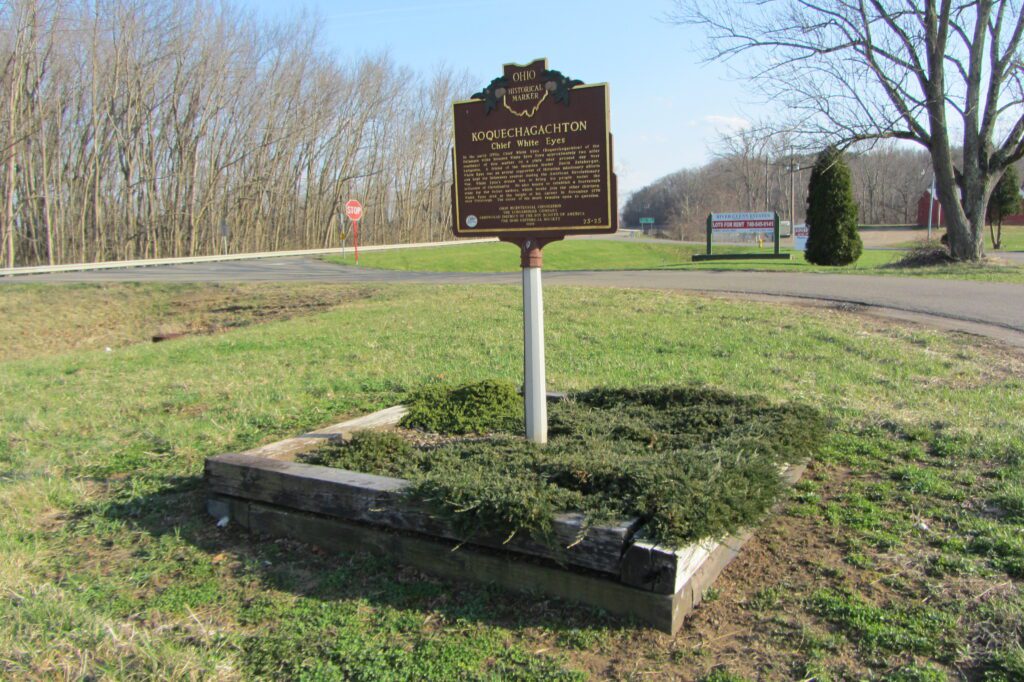
In the early 1770s, Chief White Eyes (Koquechagachton) of the Delaware tribe founded White Eyes Town approximately two miles southeast of this marker on a plain near present day West Lafayette. A friend of the Moravian leader David Zeisberger, White Eyes was an ardent supporter of Moravian missionary efforts and kept the Delawares neutral during […]