 Skip to content

58-25 The Interurban Electric Railway / The National Road
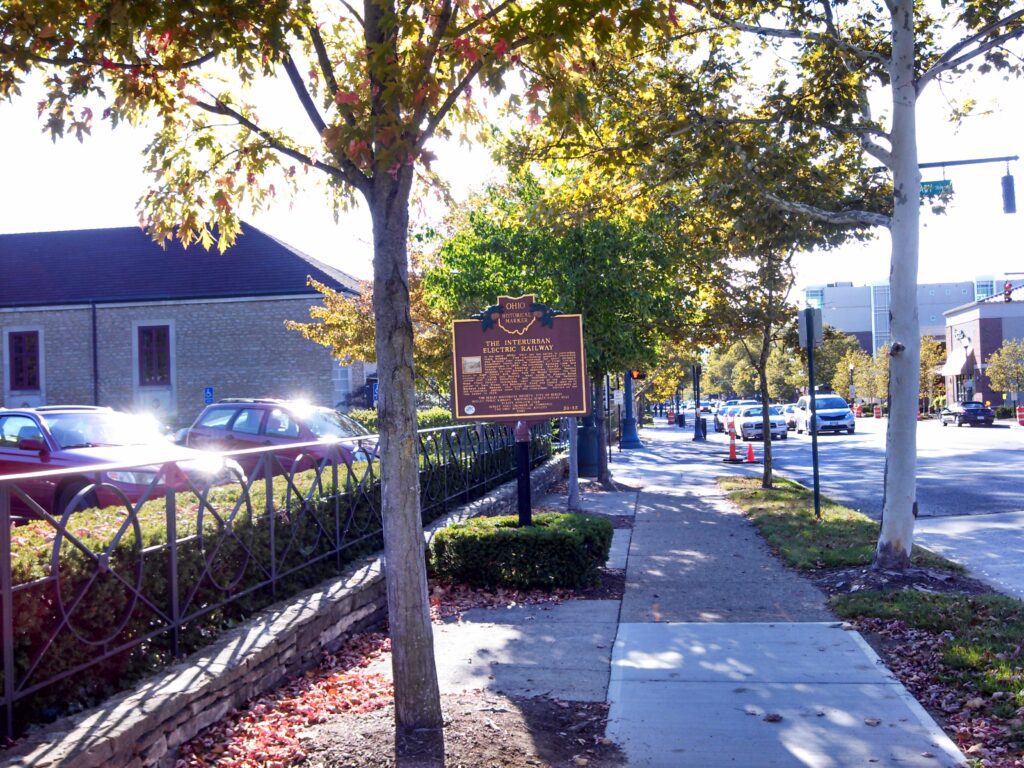
In the early 1900s, Ohio led the nation in interurban track mileage. The electrically powered interurban was favored over steam railroads for short distance passenger travel and the transport of local freight. Incorporated in 1899, the Columbus, Buckeye Lake, and Newark Traction Railway served Bexley from a terminal on Gay Street in downtown Columbus. Running […]
57-25 Trinity Lutheran Seminary

The German Seminary of the Evangelical Lutheran Synod of Ohio, the first Lutheran theological seminary west of the Appalachian Mountains, began instruction under Pastor Wilhelm Schmidt in Canton in 1830. The seminary relocated to Columbus at this location in 1831. After becoming part of Capital University in 1850, it occupied temporary campuses before locating permanently […]
56-25 The Upper Arlington Historic District

The Upper Arlington Historic District, listed on the National Register of Historic Places in 1985, is an important example of the “Garden City” model of early 20th century suburban development. Based on English precedents, the “Garden City” movement promoted the ideals of rustic beauty, health and comfort in an era when urban areas were becoming […]
55-25 Scioto Trail
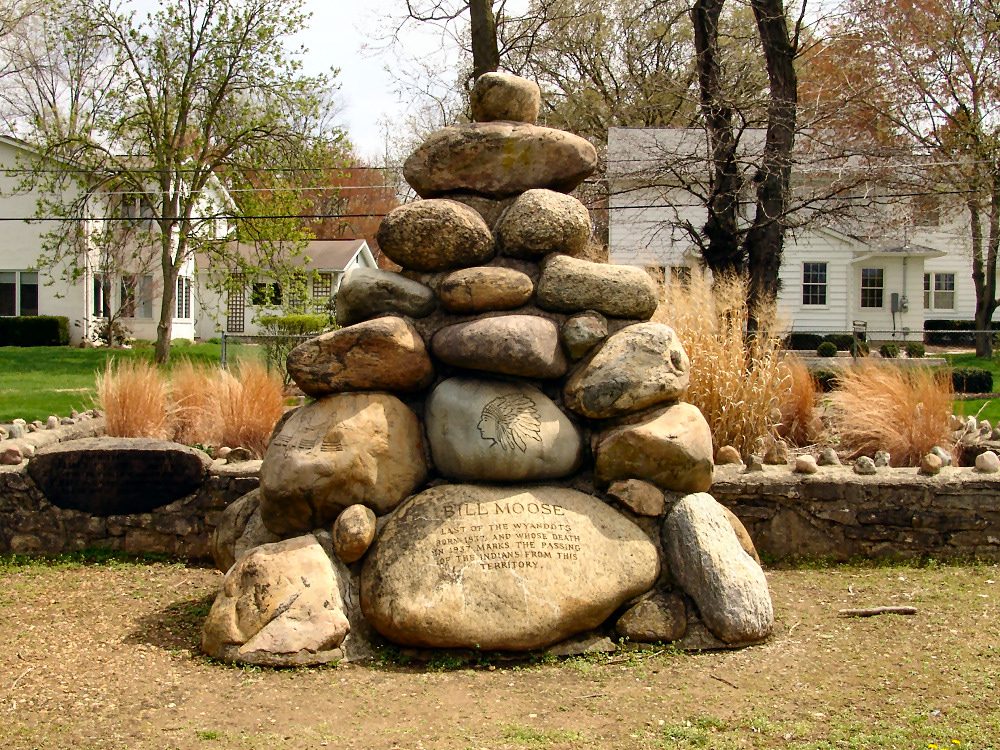
A network of Native American trails, usually following waterways, traversed Ohio and often determined the routes of military roads and improved highways. U.S. Route 33 follows the route of the Scioto Trail from the confluence of the Scioto and Olentangy rivers to State Route 161, where U.S. Route 33 becomes State Route 257. The Scioto […]
54-25 Saint John’s Church of Worthington and Parts Adjacent / Church and Graveyard
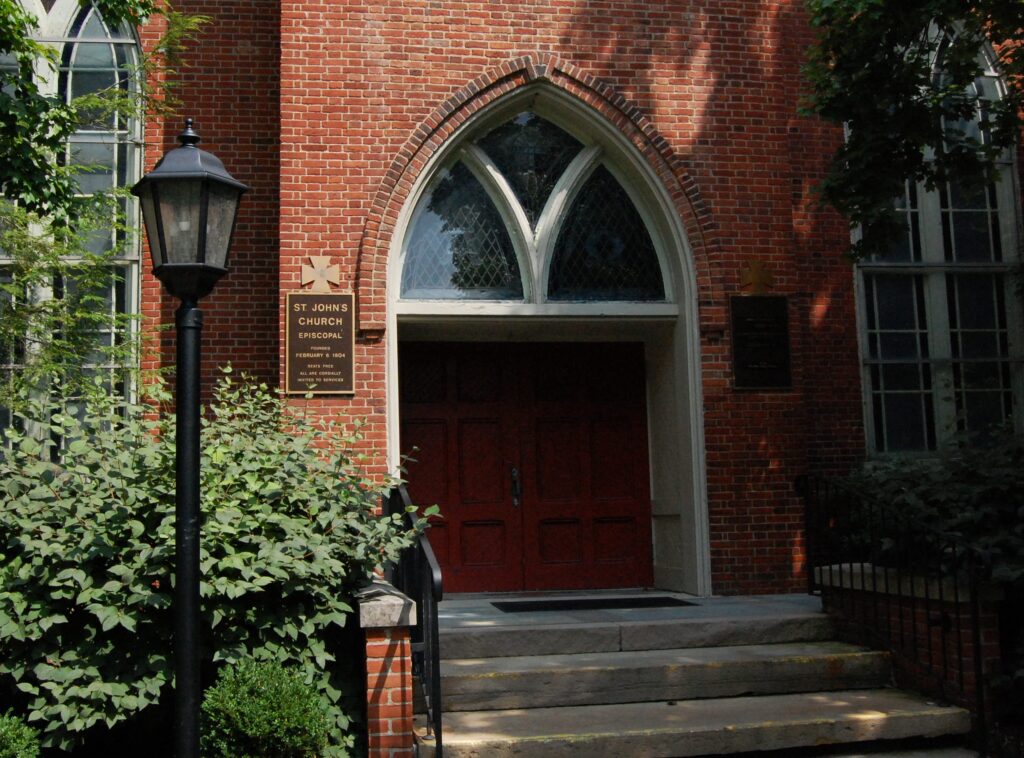
In October of 1803, members of The Scioto Company, led by James Kilbourne, came from Connecticut and founded Worthington. On February 6, 1804, the Articles of Agreement establishing St. John’s Church of Worthington were executed. St. John’s, which had been planned in Connecticut prior to the Company’s departure, became the first Episcopal church established in […]
53-25 Ellen Walker Craig-Jones
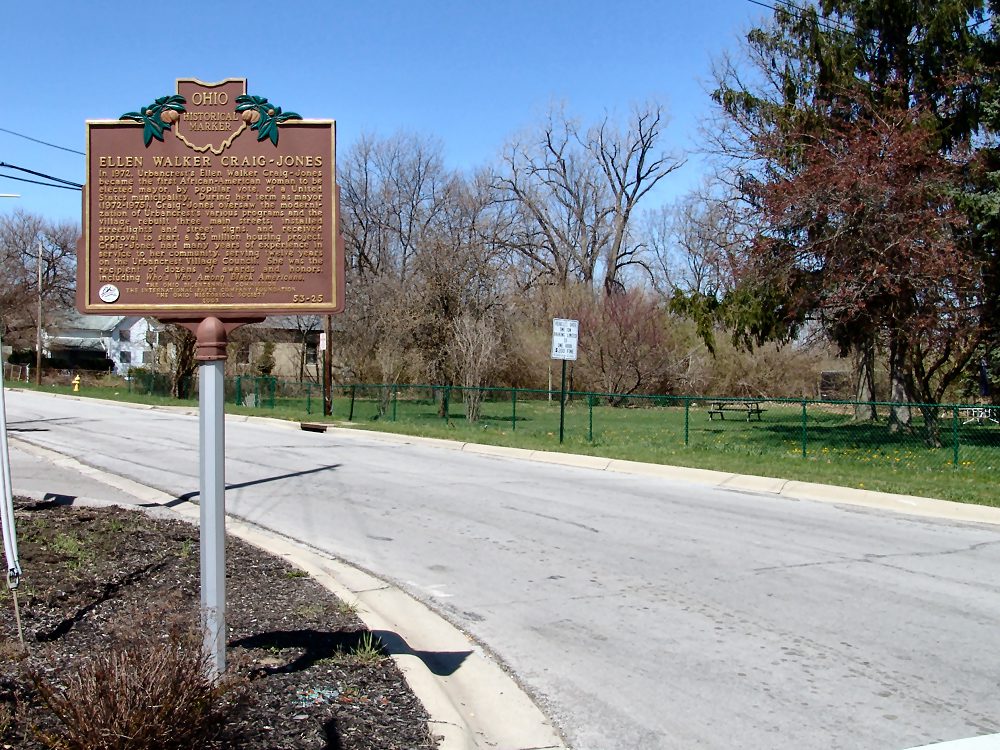
In 1972, Urbancrest’s Ellen Walker Craig-Jones became the first African-American woman to be elected mayor, by popular vote, of a United States municipality. During her term as mayor (1972-1975), Craig-Jones oversaw the modernization of Urbancrest’s various programs and the village rebuilt three main streets, installed streetlights and street signs, and received approval to start a […]
51-25 First Modern Streamflow Measurement in Ohio
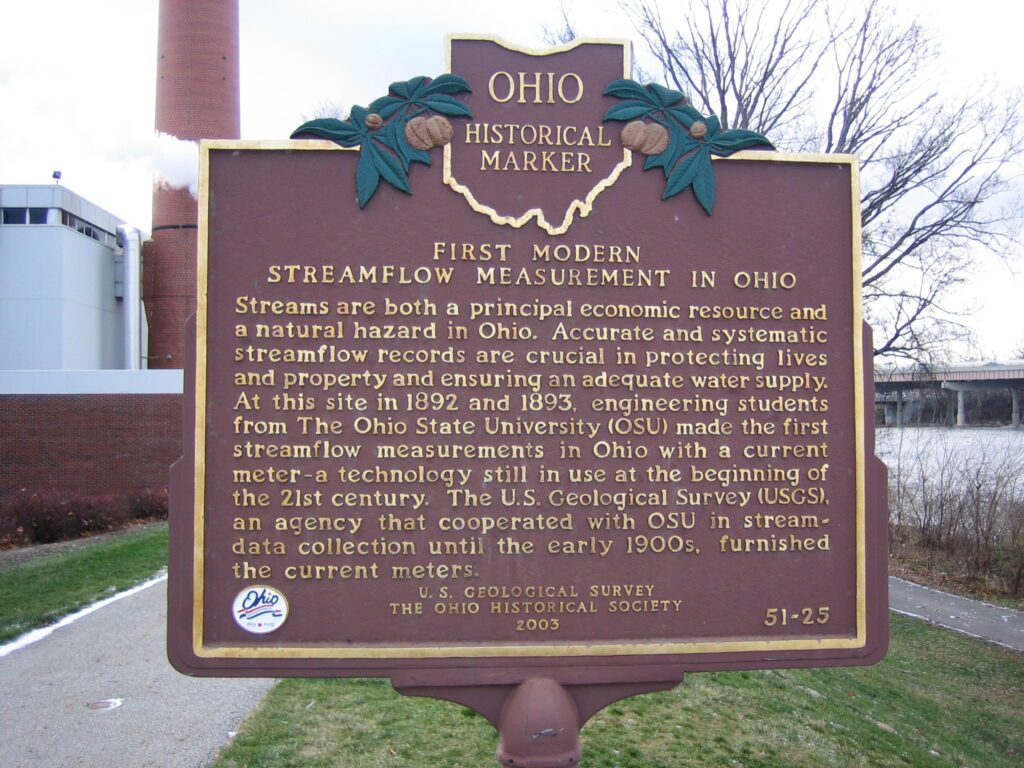
Streams are both a principal economic resource and a natural hazard in Ohio. Accurate and systematic streamflow records are crucial in protecting lives and property and ensuring an adequate water supply. At this site in 1892 and 1893, engineering students from The Ohio State University (OSU) made the first streamflow measurements in Ohio with a […]
50-25 Monsignor John Joseph Jessing
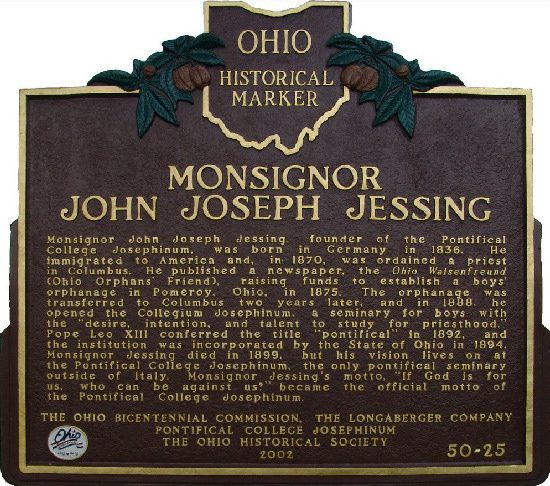
Monsignor John Joseph Jessing, founder of the Pontifical College Josephinum, was born in Germany in 1836. He immigrated to America and, in 1870, was ordained a priest in Columbus. He published a newspaper, the Ohio Waisenfreund (Ohio Orphans’ Friend), raising funds to establish a boys’ orphanage in Pomeroy, Ohio, in 1875. The orphanage was transferred […]
49-25 Anne O’Hare McCormick 1880-1954 / Saint Mary of the Springs Academy

In 1937, Anne O’Hare McCormick became the first woman to win the Pulitzer Prize for foreign correspondence. She was born in Yorkshire, England and moved to Ohio as a child. She was educated at the Academy of St. Mary of the Springs. As a freelance writer, McCormick contributed to the Atlantic Monthly, the New York […]
48-25 Roy J. Plunkett, June 26, 1910-May 12, 1994
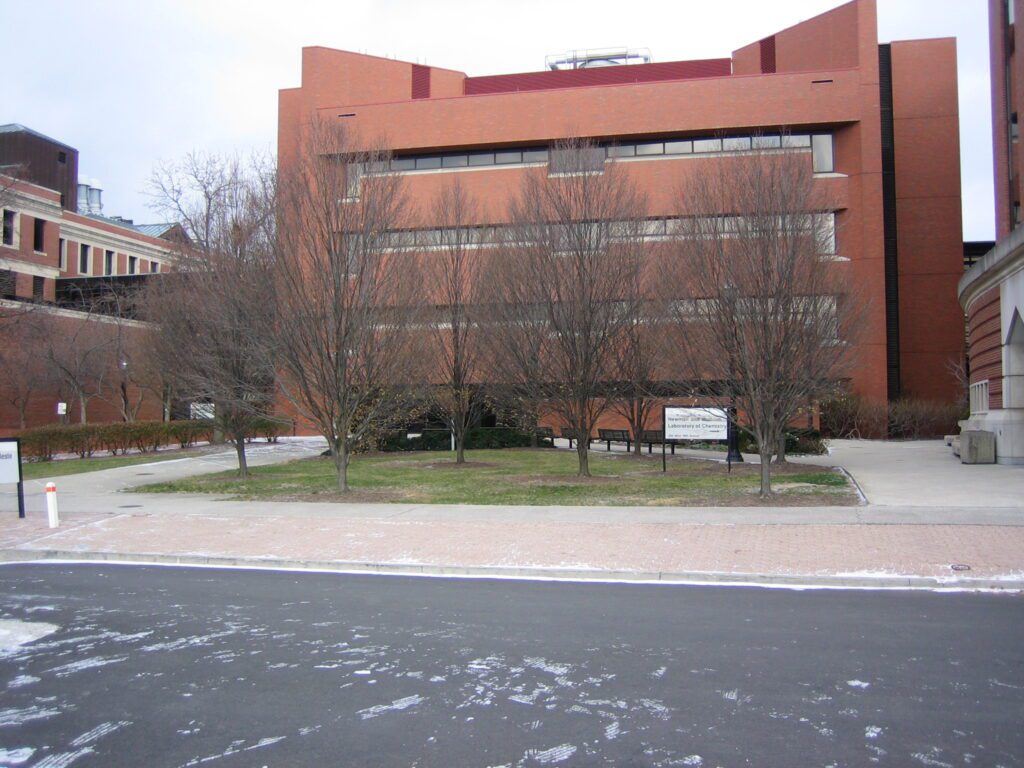
Roy J. Plunkett was born in New Carlisle, Ohio, and graduated from Newton Township High School in Pleasant Hill. He received his B.A. degree from Manchester College before enrolling as a graduate student in chemistry at The Ohio State University, receiving his Ph.D. in 1936 under the direction of William Lloyd Evans in the McPherson […]