 Skip to content

57-31 Miss Doherty’s College Preparatory School for Girls
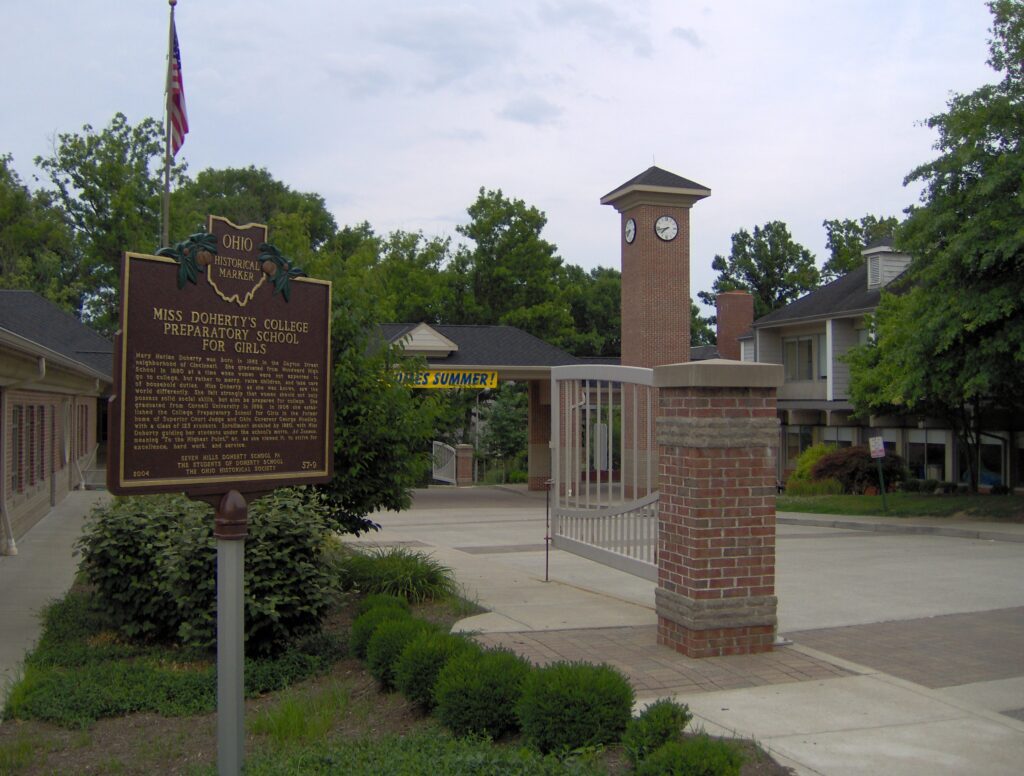
Mary Harlan Doherty was born in 1862 in the Dayton Street neighborhood of Cincinnati. She graduated from Woodward High School in 1880 at a time when women were not expected to go to college, but rather to marry, raise children, and take care of household duties. Miss Doherty, as she was known, saw the world […]
56-31 Lane Theological Seminary / The Lane Seminary Debates
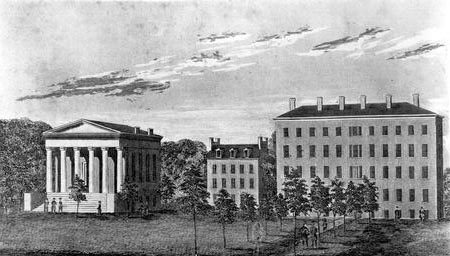
The Lanes, Baptist merchants from New Orleans, and the Kempers, a Presbyterian family from Cincinnati, gave money and land respectively for Cincinnati’s first manual labor theological seminary and high school, which opened in suburban Walnut Hills in 1829. The Reverend Lyman Beecher came from Boston as its first president. The president’s house, now known as […]
55-31 Boyhood Home of Dr. Winthrop Smith Sterling
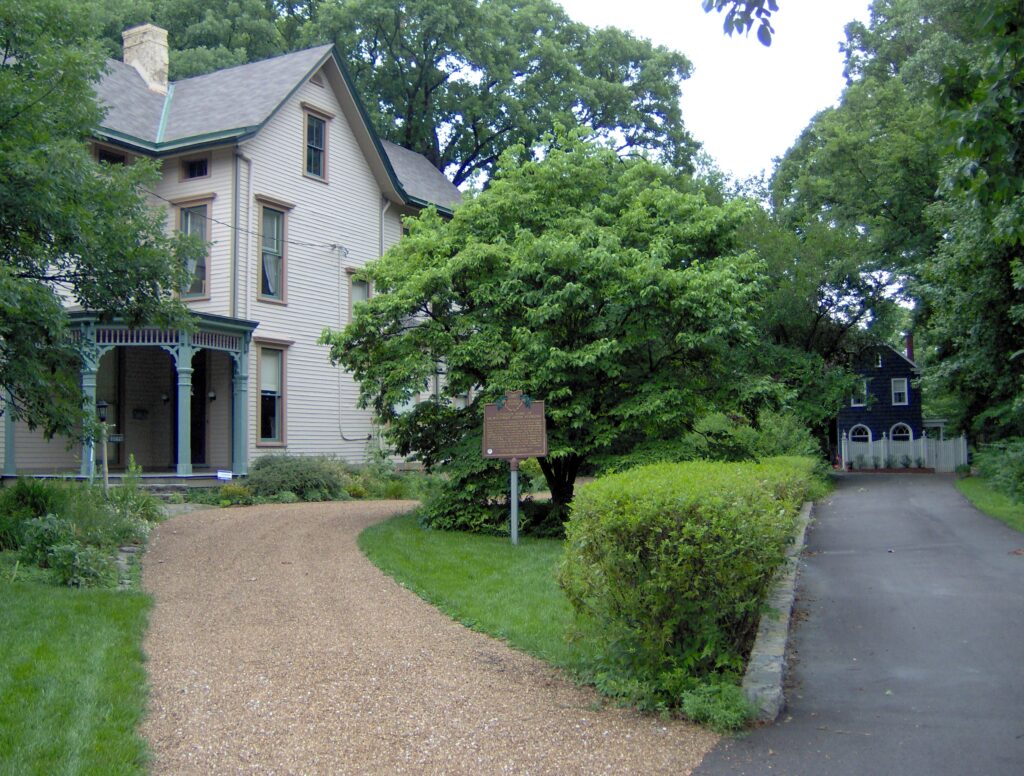
Dr. Winthrop Smith Sterling (1859-1943) founded Mu Phi Epsilon International Professional Music Fraternity on November 13, 1903, at the Metropolitan School of Music in Cincinnati, where he served as dean. The Victorian frame house was built by his parents, Samuel Gano and Eliza Smith Sterling in 1867, and was home to Sterling family members until […]
54-31 Cincinnati Reds

The 1869 Cincinnati Red Stockings made history not only as the most dominant baseball club of its time, but also as the first band of professional ballplayers. Cincinnati’s decision to pay players proved to be a success, and other cities soon began establishing their own professional clubs throughout America. In 1876, the Reds joined the […]
53-31 Spring Grove Cemetery & Arboretum
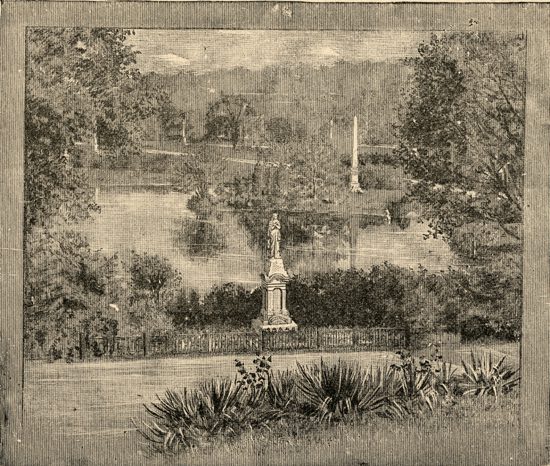
Spring Grove received its charter by an act of the Ohio Legislature in January 1845. Motivated by crowded conditions of small cemeteries created by the cholera epidemics of the 1830s and 1840s, the Cincinnati Horticultural Society formed a cemetery association in 1844 to find a location for a rural cemetery. Under the guidance of Robert […]
52-31 George Washington Williams
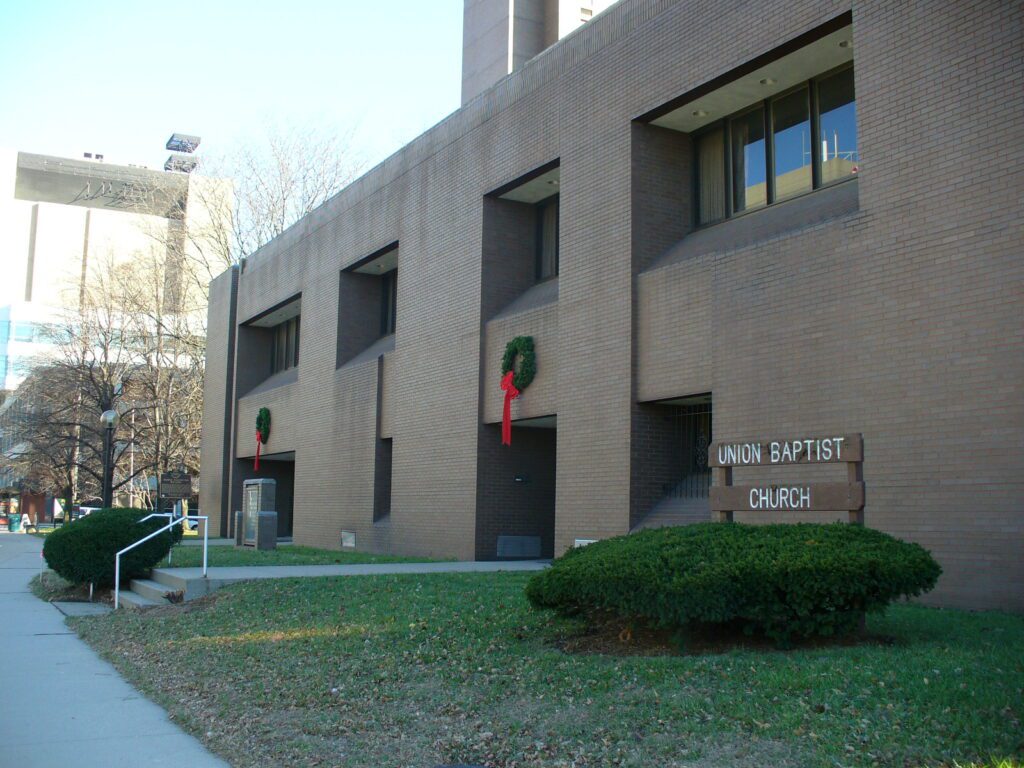
George Washington Williams was born in 1849 in Bedford, Pennsylvania. At age 14, he enlisted in the Union Army to fight in the Civil War and received a medical discharge in 1868. In 1874, he became the first African American to graduate from the Newton Theological Institution in Cambridge, Massachusetts, and shortly after married Sarah. […]
51-31 Public Library of Cincinnati and Hamilton County
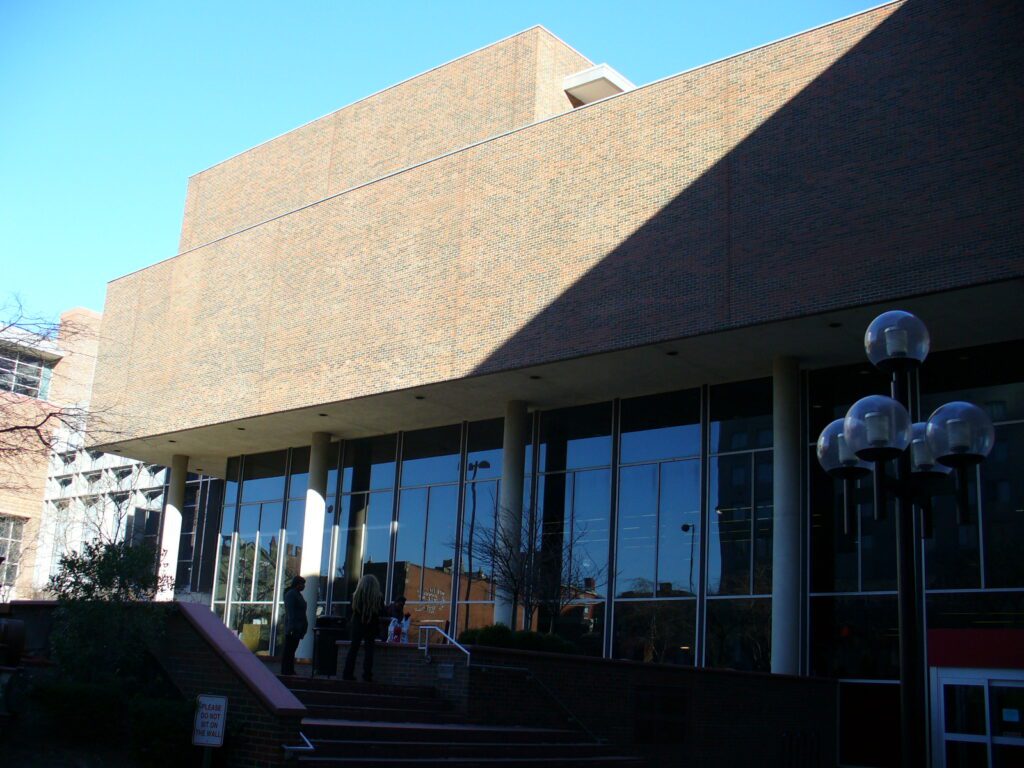
Among the first in America, Cincinnati’s public library dates from March 14, 1853. A public reading room opened in 1856, but funding remained a problem until 1867, when local school board president Rufus King II secured legislation for a renamed Cincinnati Public Library. In 1869, King lured leading librarian William Frederick Poole to organize Cincinnati […]
49-31 The Madisonville Site
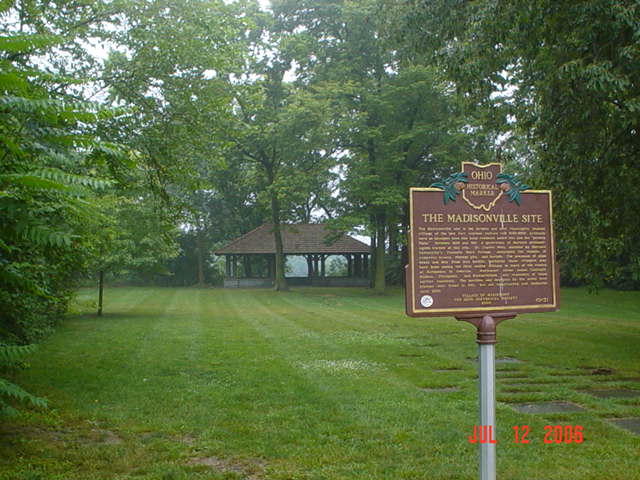
The Madisonville site is the largest and most thoroughly studied village of the late Fort Ancient culture (AD 1450 – 1670). Artifacts were so abundant here that local residents called this site the “pottery field.” Between 1879 and 1911, a generation of Harvard archaeologists trained at this site. Dr. Charles Metz, assisted by Harvard University’s […]
48-31 Powhatan Beaty / Union Baptist Cemetery
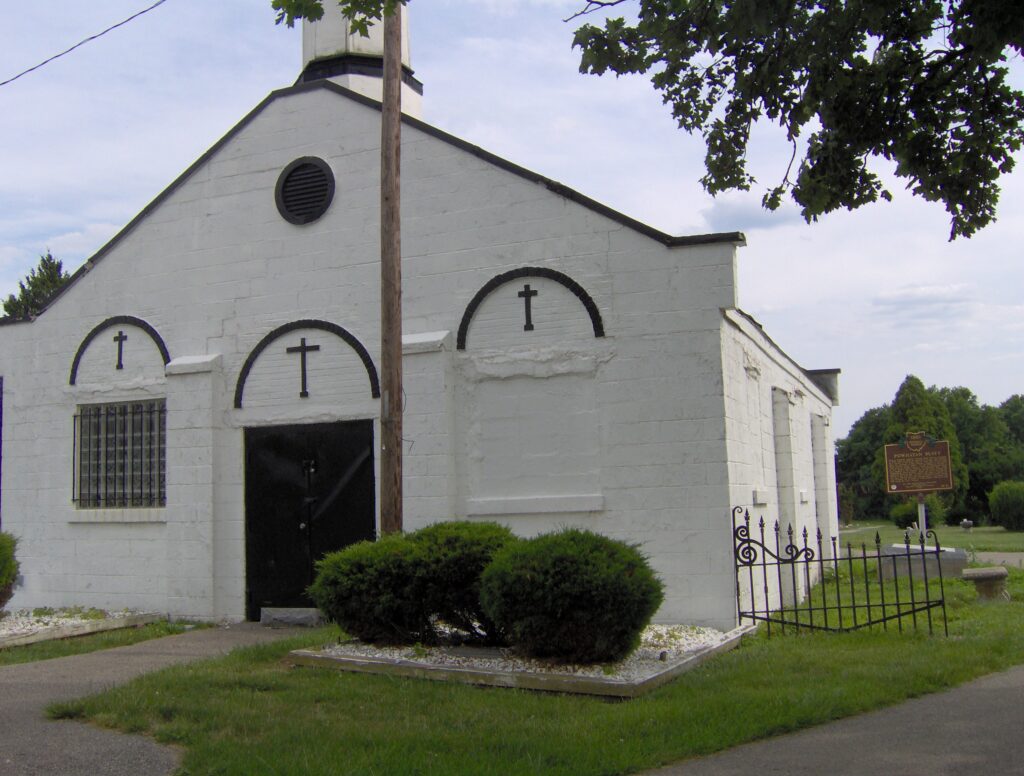
Born in Richmond, Virginia, Powhatan Beaty moved to Cincinnati in 1849, where he spent the majority of his life. Beaty enlisted as a private in the Union Army in June 1863, and two days later was promoted to first sergeant, Company G, 5th United States Colored Troops (USCT). All the officers of Company G were […]
47-31 William Henry Harrison / Benjamin Harrison
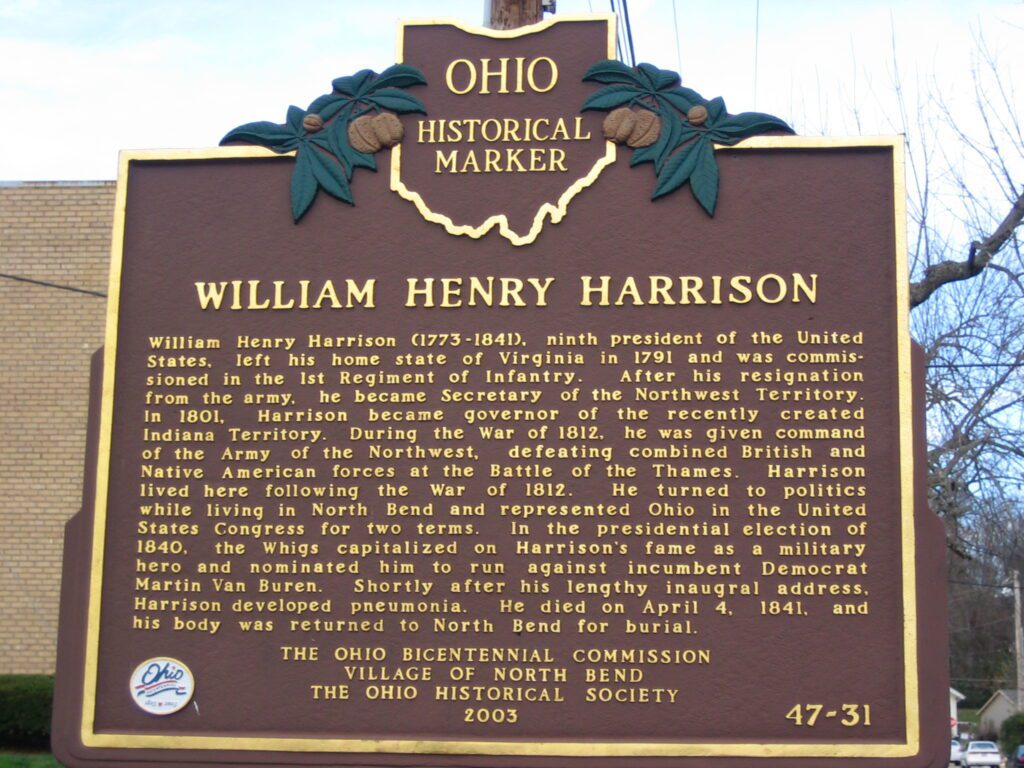
William Henry Harrison (1773-1841), ninth president of the United States, left his home state of Virginia in 1791 and was commissioned in the 1st Regiment of Infantry. After his resignation from the army, he became Secretary of the Northwest Territory. In 1801, Harrison became governor of the recently created Indiana Territory. During the War of […]