 Skip to content

106-31 Marsh Park The Parker Family / Marsh Park The Hirst Family
Miranda Boulden Parker lived at 2644 Marsh Avenue from 1907 to 1915. She moved into the four-family rental home with her daughters Bianca and Portia, who both worked as teachers. Miranda Parker was the widow of John P. Parker, Ripley’s Underground Railroad hero, born into slavery who famously helped more than 400 fugitives escape to […]
19-51 The West Side / “Shantytown”
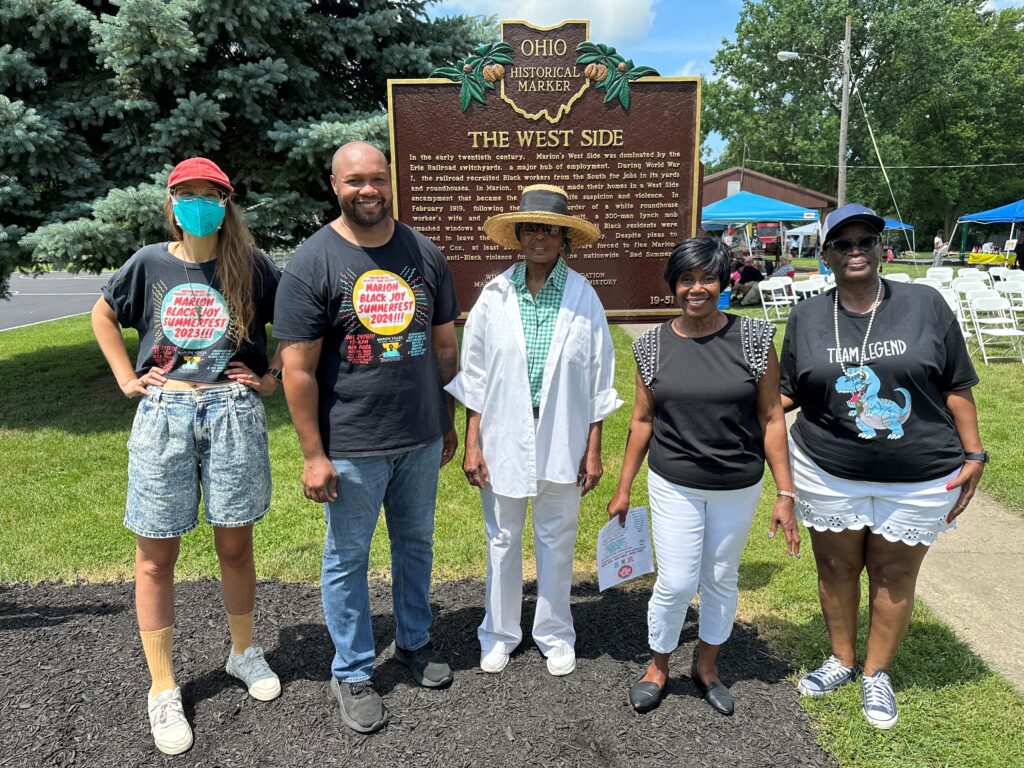
In the early twentieth century, Marion’s West Side was dominated by the Erie Railroad switchyards, a major hub of employment. During World War I, the railroad recruited Black workers from the South for jobs in its yards and roundhouses. In Marion, these workers made their homes in a West Side encampment that became the target […]
73-48 The Sight Center of Northwest Ohio
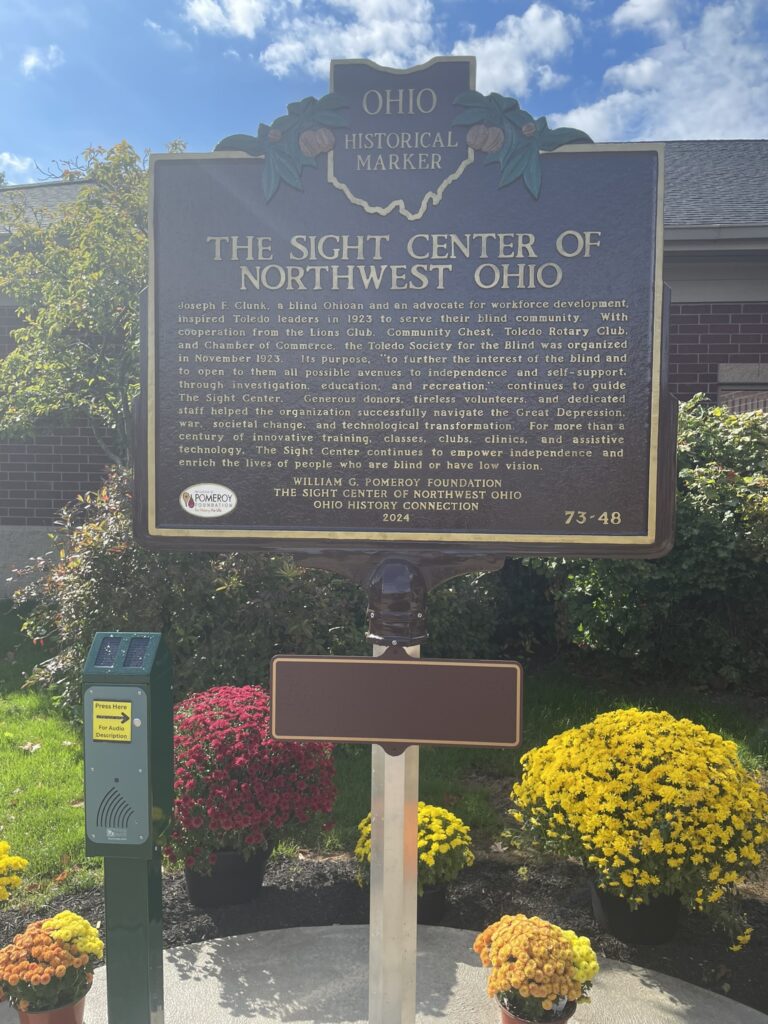
Joseph F. Clunk, a blind Ohioan and an advocate for workforce development, inspired Toledo leaders in 1923 to serve their blind community. With cooperation from the Lions Club, Community Chest, Toledo Rotary Club, and Chamber of Commerce, the Toledo Society for the Blind was organized in November 1923. Its purpose, “to further the interest of […]
105-31 The Dunbar Community: Acting as One Family for A Century
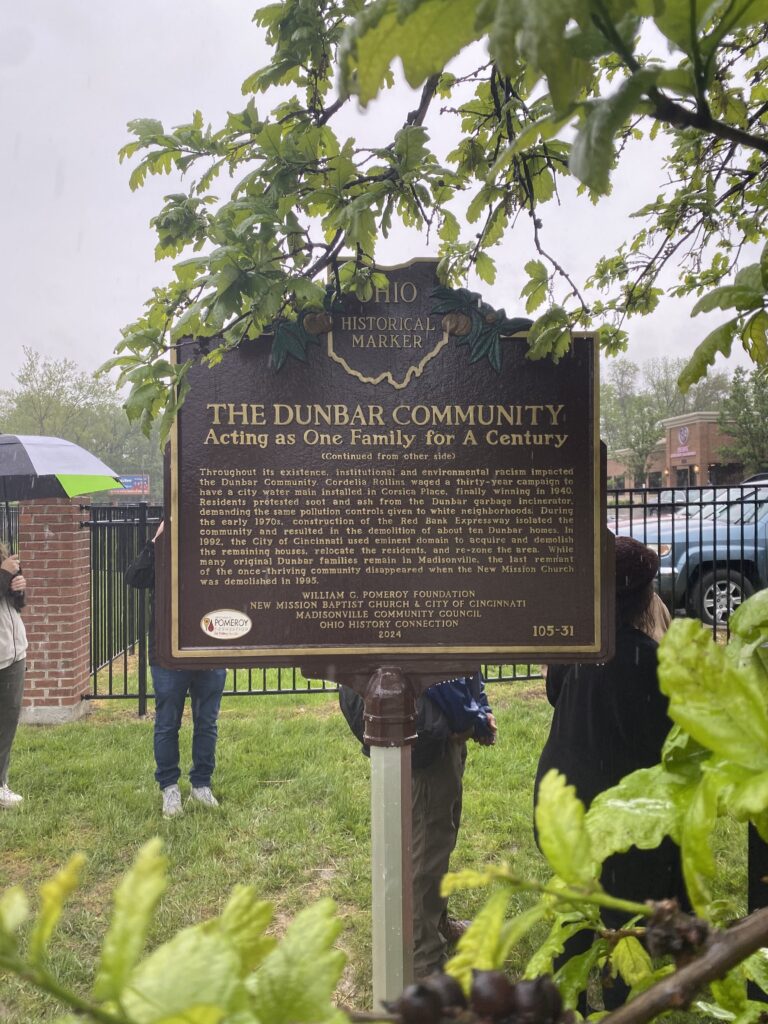
Dunbar, or Corsica Hollow, was an African American neighborhood on the western edge of Madisonville. Its streets and lots were laid out in 1886 after Mahlon and Anna Leonard subdivided their 10-acre tract near Duck Creek and sold lots to African Americans. Many early Dunbar residents were from the South; some born there prior to […]
72-48 Ella P. Stewart (1893-1987) / Stewart’s Pharmacy (1922-1945)

Ella Nora Phillips Myers Stewart was one of the first practicing Black women pharmacists in the United States. After she married William Stewart in 1920, the couple settled in Youngstown, then moved to Toledo where they opened Stewart’s Pharmacy in 1922. Having broken professional barriers, Ella Stewart became a tireless civil rights champion. Advocating for […]
36-55 Piqua Nuclear Power Facility
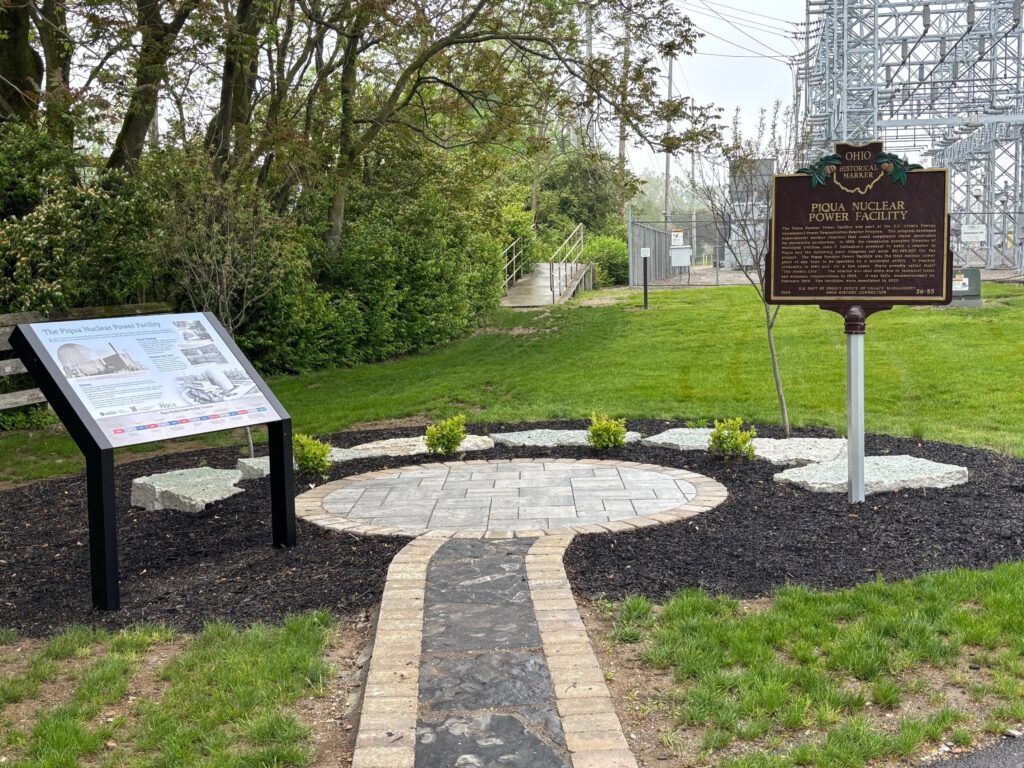
The Piqua Nuclear Power Facility was part of the U.S. Atomic Energy Commission’s Power Demonstration Reactor Program. The program developed experimental nuclear reactors that could supplement steam generation for electricity production. In 1956, the commission accepted Director of Municipal Utilities John P. Gallagher’s proposal to build a reactor in Piqua and the following year Congress […]
140-25 CompuServe World Headquarters Online Pioneer
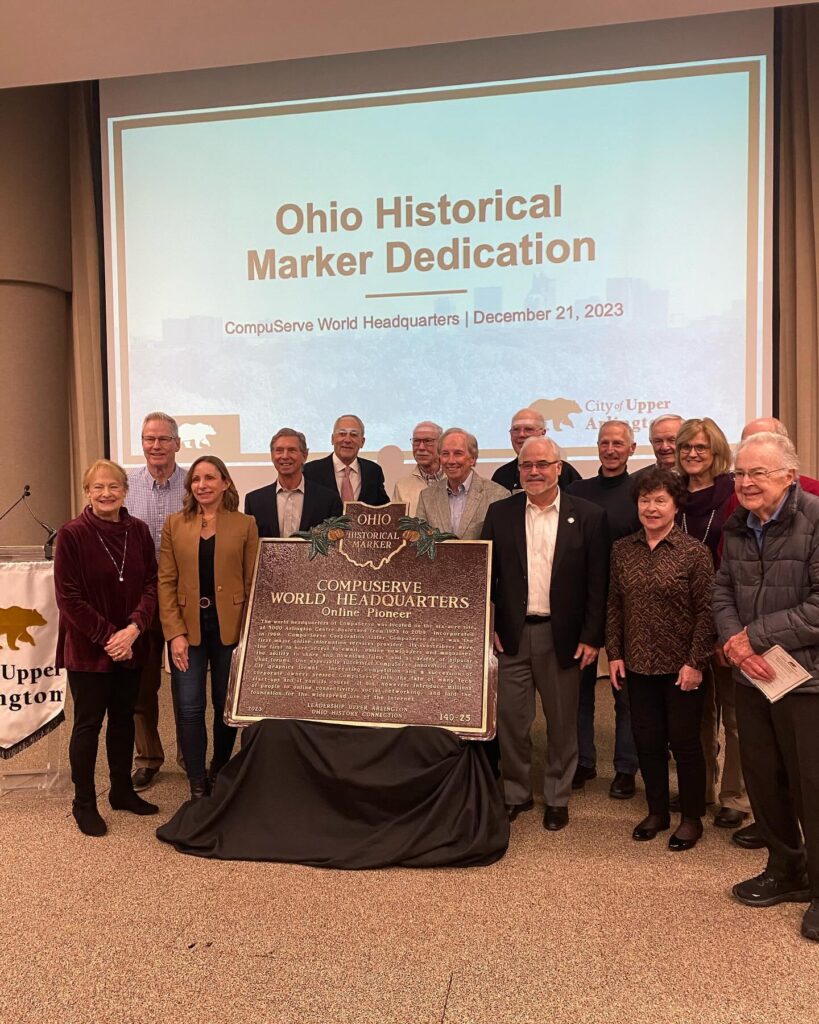
The world headquarters of CompuServe was located on the six-acre site at 5000 Arlington Centre Boulevard from 1973 to 2009. Incorporated in 1969, Compu-Serve Corporation (later CompuServe Inc.) was the first major online information services provider. Its subscribers were the first to have access to email, online newspapers and magazines, the ability to share and […]
144-25 Livingston Heights Place / Dr. Roberto Villalon (1925-2008)
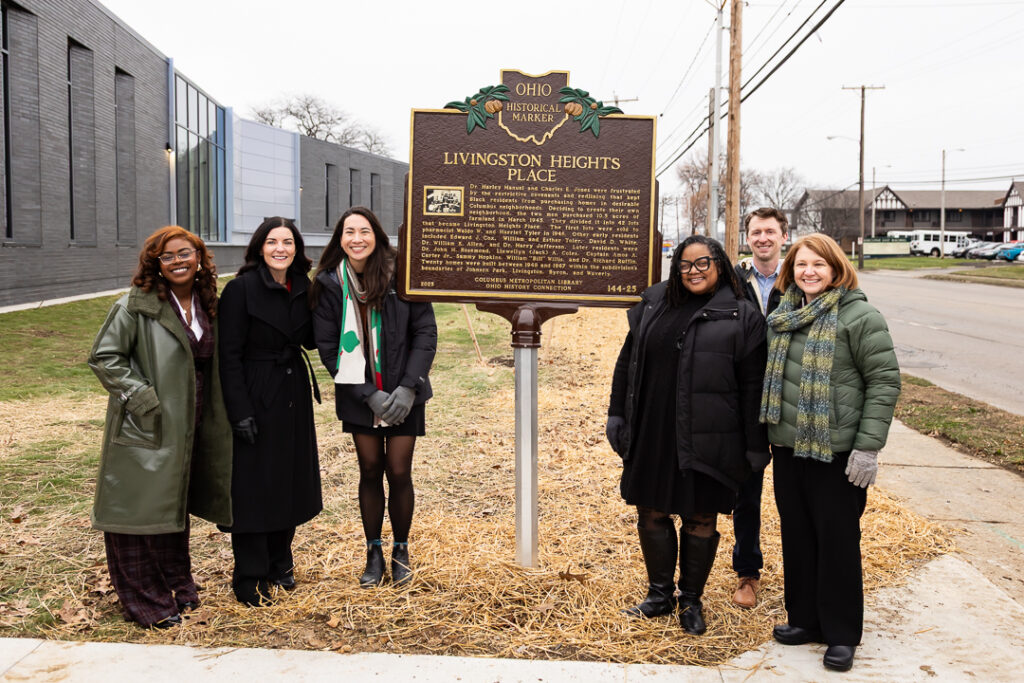
Dr. Harley Manuel and Charles E. Jones were frustrated by the restrictive covenants and redlining that kept Black residents from purchasing homes in desirable Columbus neighborhoods. Deciding to create their own neighborhood, the two men purchased 10.5 acres of farmland in March 1945. They divided it into 42 lots that became Livingston Heights Place. The […]
6-26 Lauber Hill Community / Lauber Hill Meeting House
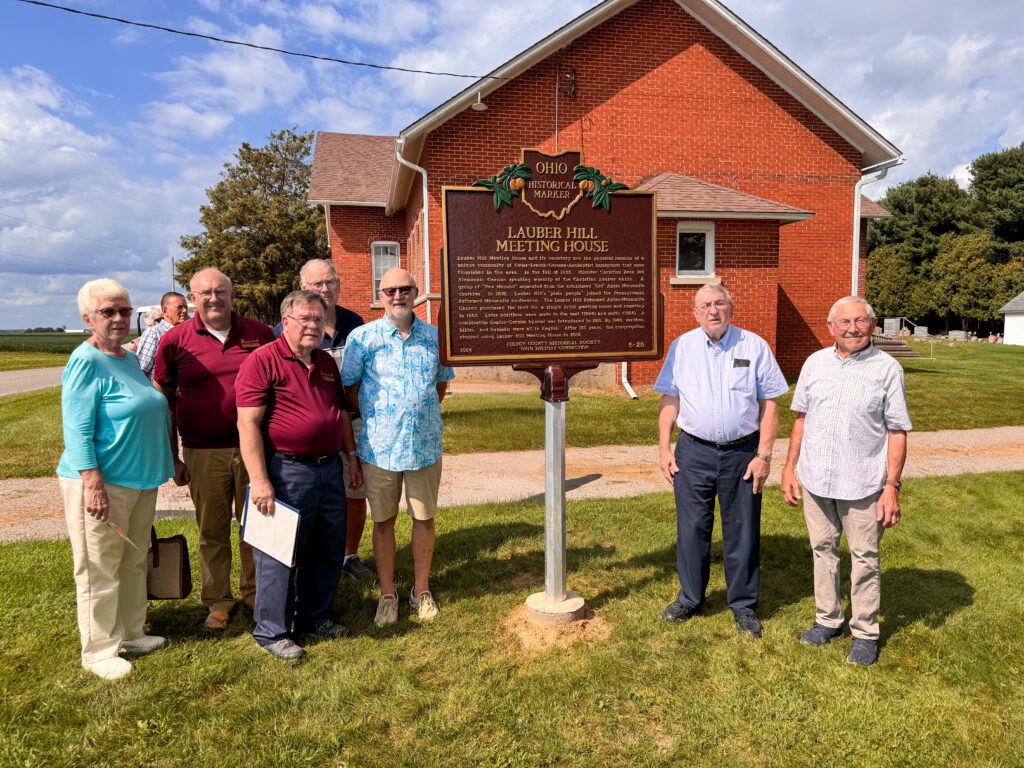
In 1834, immigrant families from the Upper Rhine River Valley villages of Mulhausen (France) and Schaffhausen (Switzerland) first met in Marshallville, Ohio. They decided to travel west by canal boat and purchase farmland in what became Fulton County in 1850. Joseph Bates, a knowledgeable hunter and navigator, brought them to German Township. On August 22, […]
37-55 Ohio’s Black Civil War Soldiers / Riverside Cemetery’s Civil War Soldiers
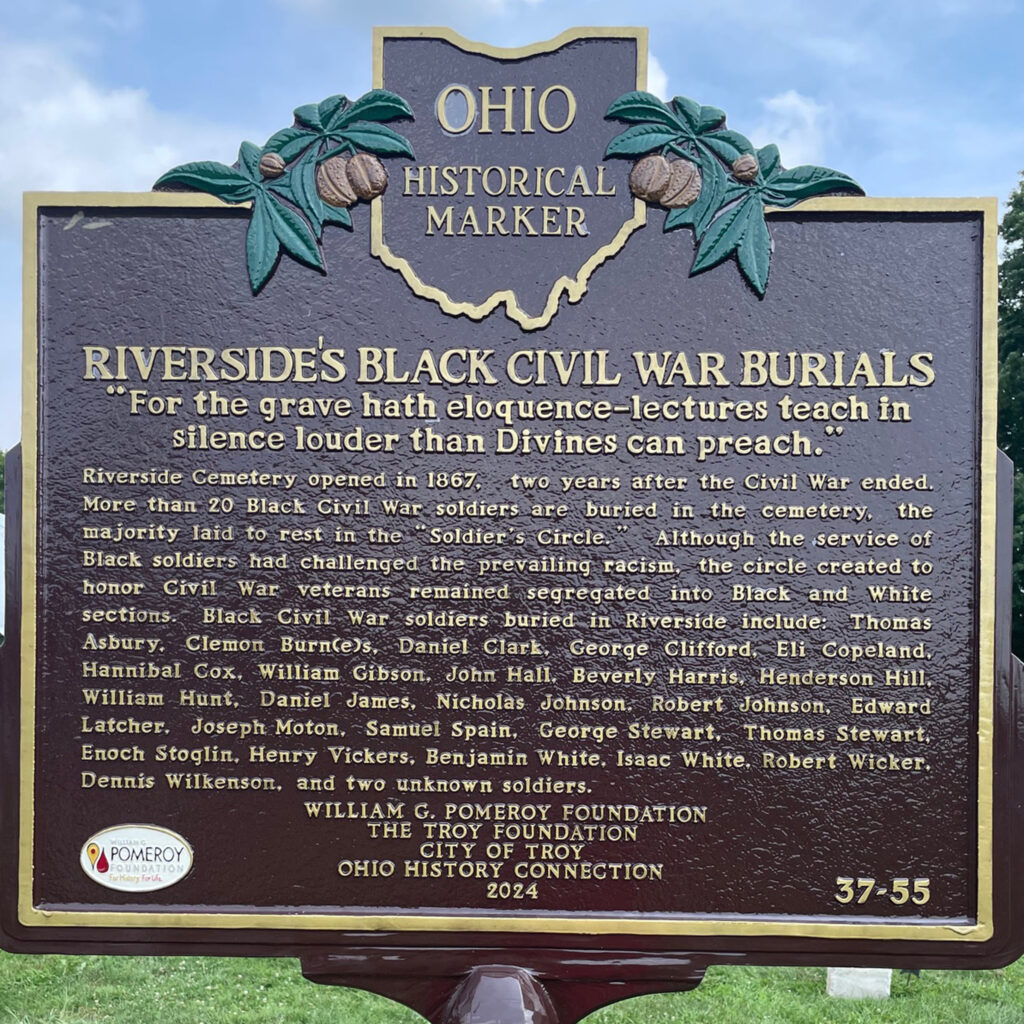
Black soldiers played a major role in the Civil War and more than 5,000 free Black Ohioans served in Union forces. While prejudice marginalized the Black man’s ability to serve early in the war, an 1862 Act of Congress authorized their admission into the Union Army and Navy. President Abraham Lincoln’s 1863 Emancipation Proclamation welcomed […]