 Skip to content

34-50 St. Elizabeth Hospital
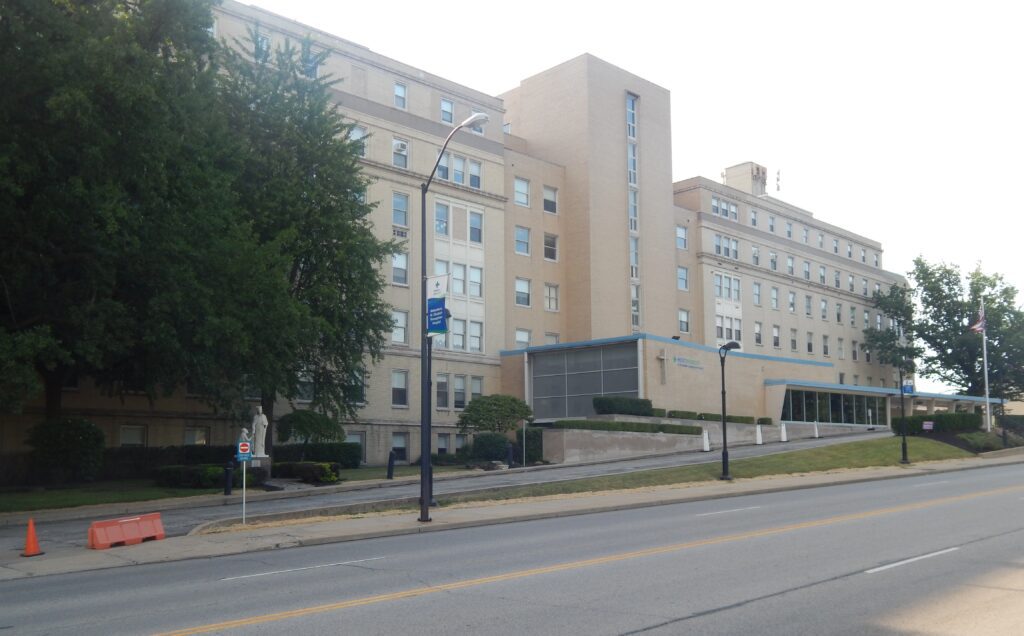
The Sisters of the Humility Mary, who came here from France in 1864, opened St. Elizabeth Hospital on this site in the former Fitch House on December 8, 1911. St. Elizabeth Hospital has cared for all, regardless of ability to pay, and devoted itself to helping poor and underserved populations. On December 8, 2011, what […]
33-50 Harry Burt and Good Humor / Ross Radio Company
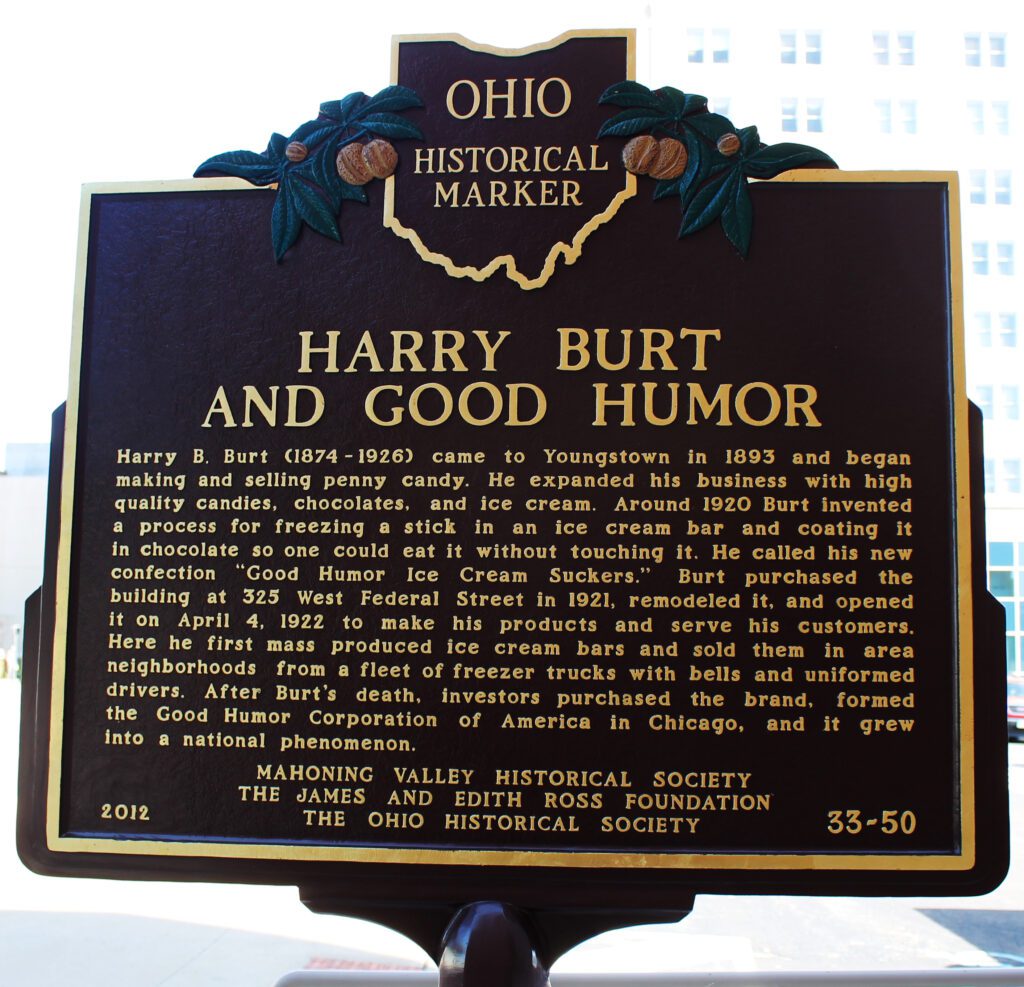
Harry B. Burt (1874-1926) came to Youngstown in 1893 and began making and selling penny candy. He expanded his business with high quality candies, chocolates, and ice cream. Around 1920 Burt invented a process for freezing a stick in an ice cream bar and coating it in chocolate so one could eat it without touching […]
32-50 Crandall Park-Fifth Avenue Historic District
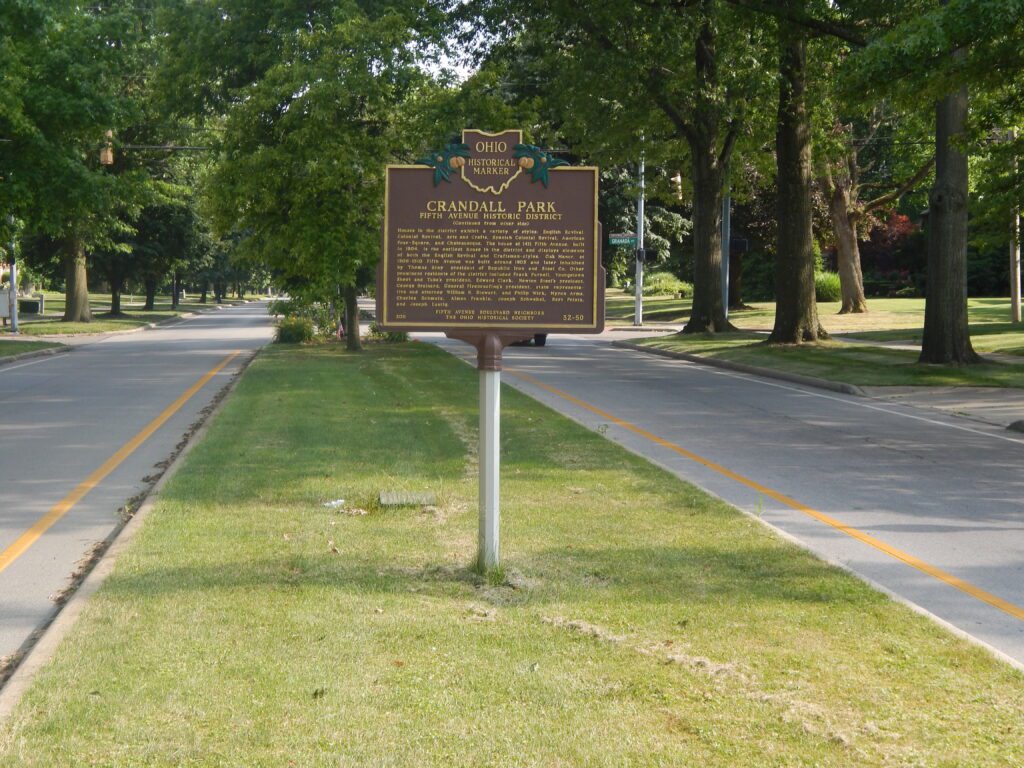
Crandall Park is the heart of the historic district and includes Fifth Avenue, Redondo Road, Catalina Avenue, and Tod Lane. Most of the district’s historic structures were built between 1904 and 1930, Youngstown’s heyday as an urban and industrial center. The district encompasses 92 houses, 32 outbuildings, a pavilion and rustic stone shelter in Crandall […]
31-50 Elisha Whittlesey
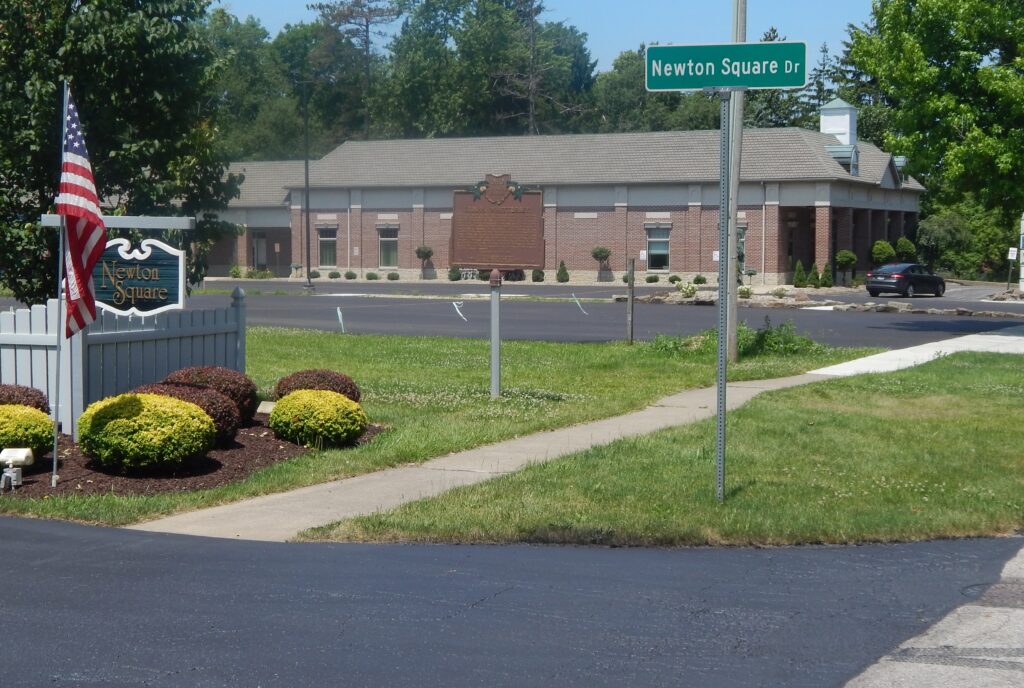
On this site stood the home of Elisha and Polly Mygatt Whittlesey and their ten children. Also here was his law office and a records office that was moved in 1965 to Pioneer Village at the Canfield Fairgrounds. Already an attorney in his home state, Elisha (1783-1863) with Polly (1787-1855) emigrated from Danbury, Connecticut in […]
30-50 Dean Hill Cemetery and Disciple Church Site
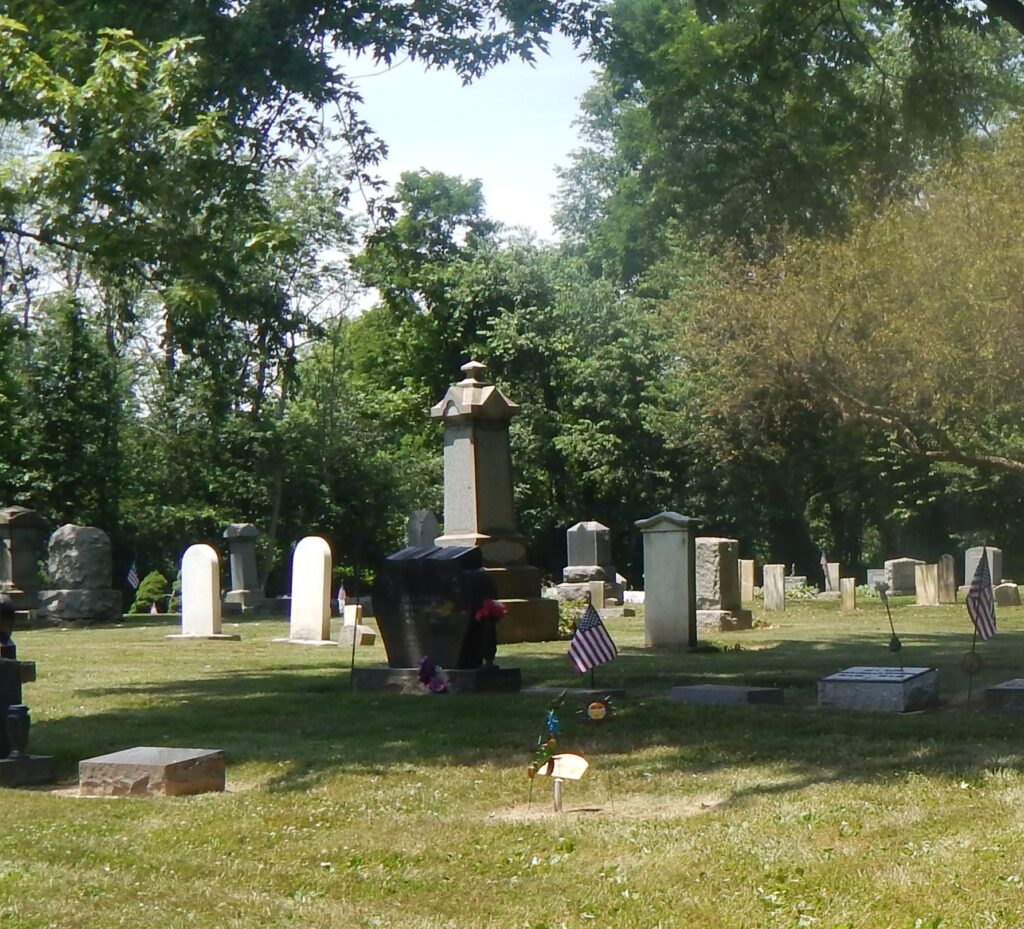
In 1827, noted evangelist Walter Scott came to Canfield and visited with a number of area Baptist families living on Palmyra Road and in the vicinity of Dean Hill. A follower of Alexander Campbell, Scott delivered powerful sermons that persuaded some to establish a new church congregation in the Disciple faith. After meeting in congregation […]
29-50 Canfield Fair
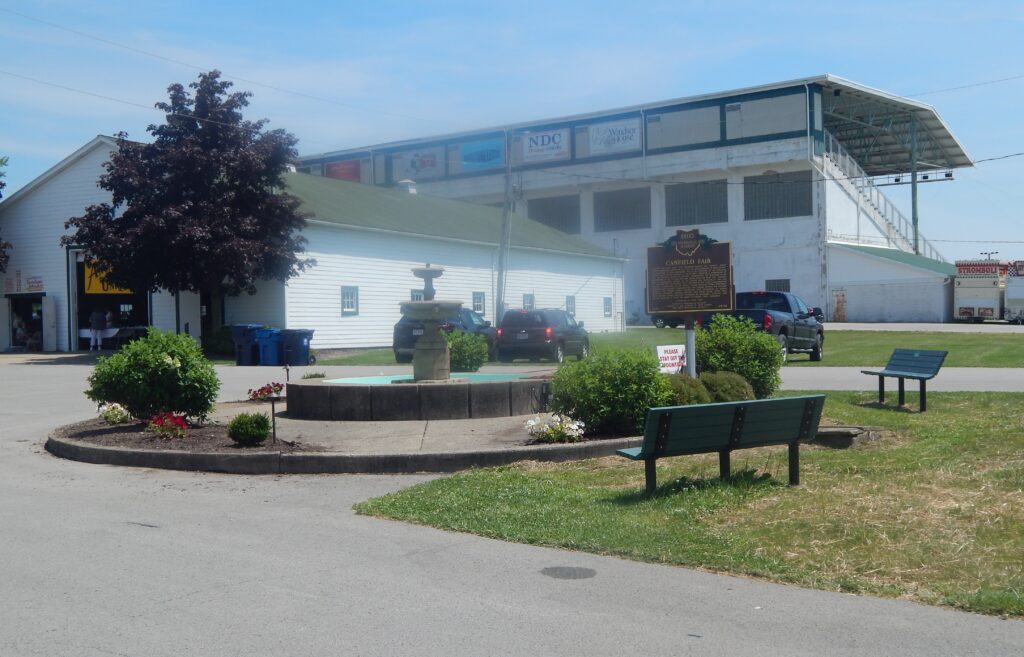
In 1846, the same year that Mahoning County was created, Ohio’s General Assembly passed an act “for the encouragement of agriculture.” An outgrowth of this legislation led to the founding of the Mahoning County Agricultural Society in April 1847. Boasting a membership of 170, the Society agreed to sponsor competitions for premiums to be distributed […]
28-50 Canfield Cemetery
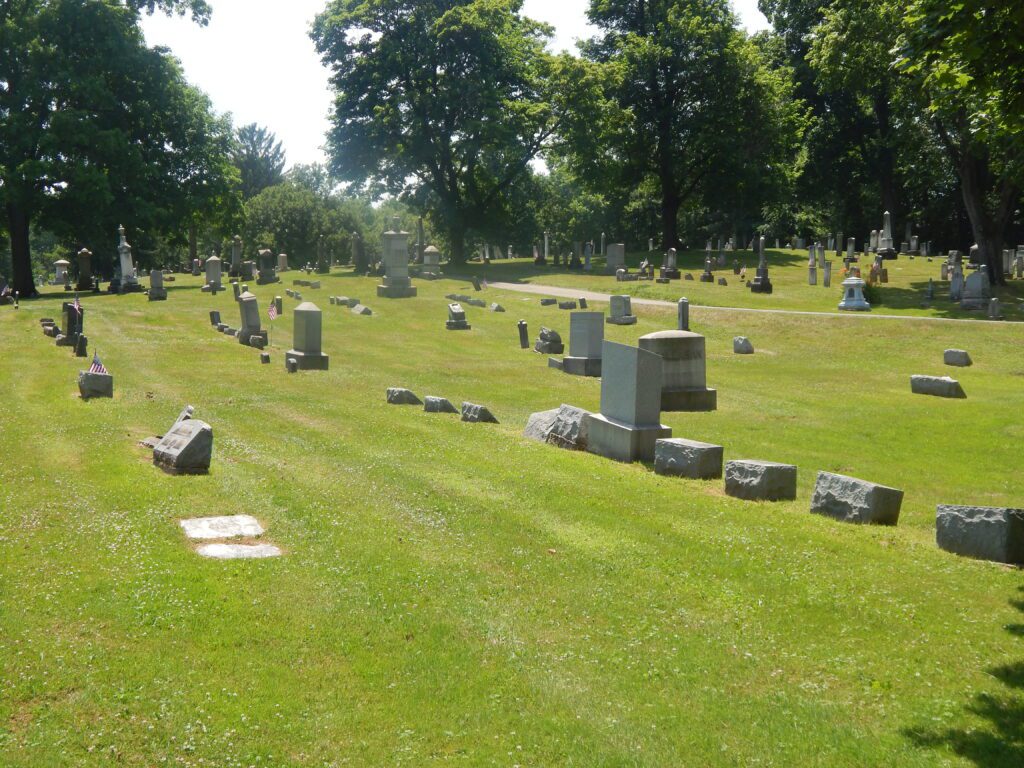
For more than two centuries, this burial ground has been a final resting place for those individuals whose lives represented the community history of Canfield. The earliest existing tombstone marks the death of Huldah Tanner in 1803. Seven earlier deaths in Canfield Township are recorded from 1798 to 1803, but the gravesites are unknown. Elijah […]
27-50 The Old Stone Tavern
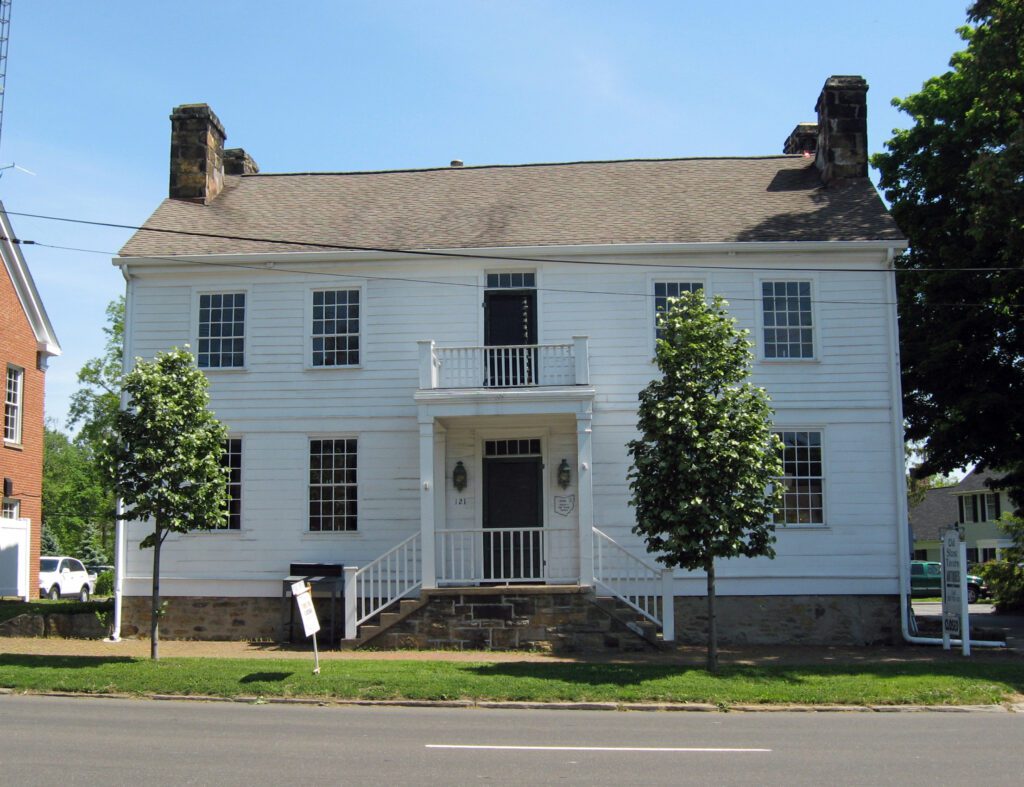
Built in 1804 by Jonathan Fowler, one of the founders of Poland Village, this structure served as his family home, general store, tavern and a hotel all at the same time. It became an important stagecoach stop on the main highway between Pittsburgh and Cleveland. In 1861, the future President of the United States, William […]
26-50 St. Augustine Episcopal Chapel
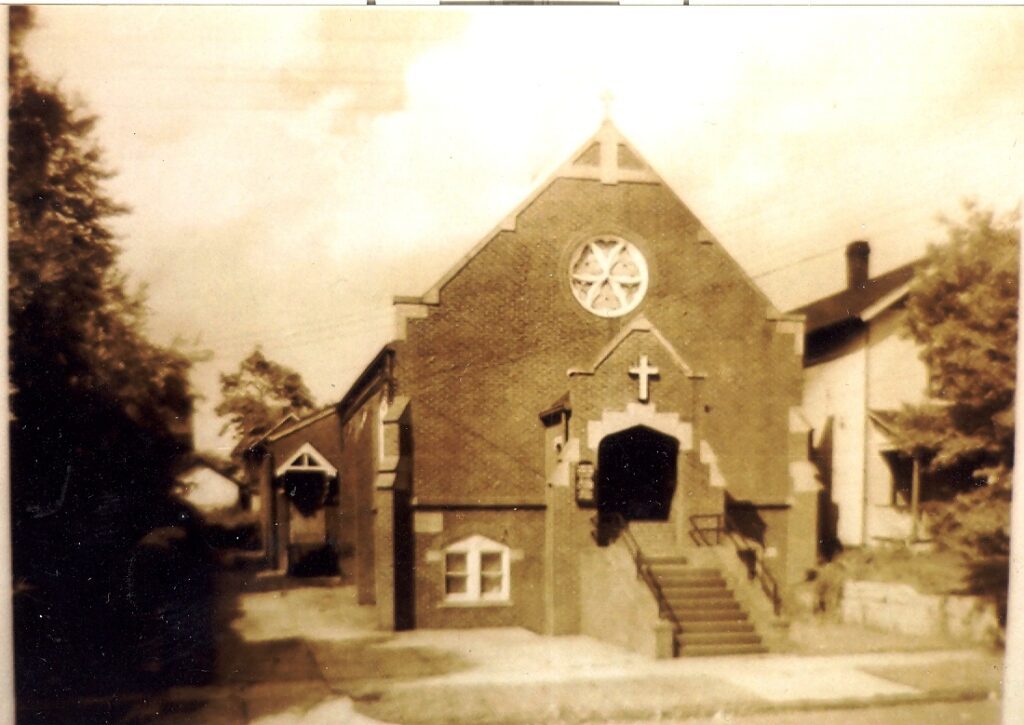
St. Augustine Episcopal Chapel was founded by Lenora Evans Berry, an African American woman, in 1907. A lifelong Baptist, her mission was the development of the Episcopal Church for African Americans in Youngstown. Mrs. Berry’s husband, bricklayer Thomas D. Berry, the son of master builder P. Ross Berry, became the church’s first senior warden and […]
25-50 Canfield Township Hall
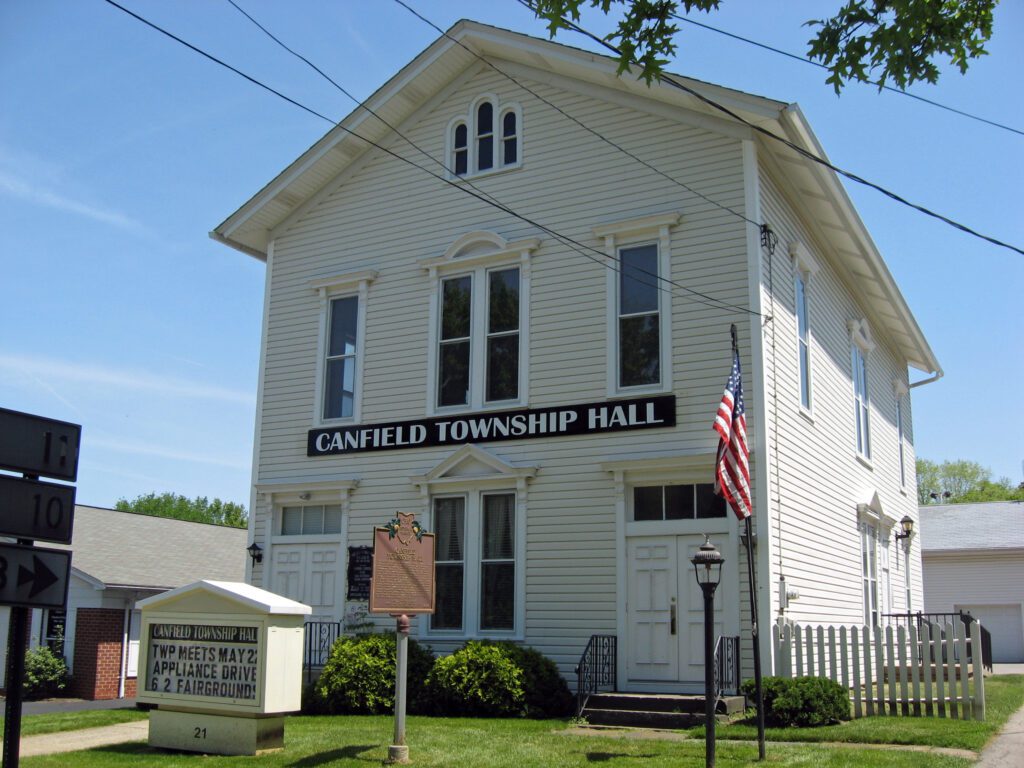
The Canfield Township Hall was erected in 1884. It served as the first public building in which the Canfield citizens could conduct town business, elections, and public meetings. An example of Renaissance Revival or “Italianate” architecture, the building is typical of late Victorian commercial buildings, but constructed of wood rather than of the customary brick. […]