 Skip to content

35-57 Dayton VA Medical Center
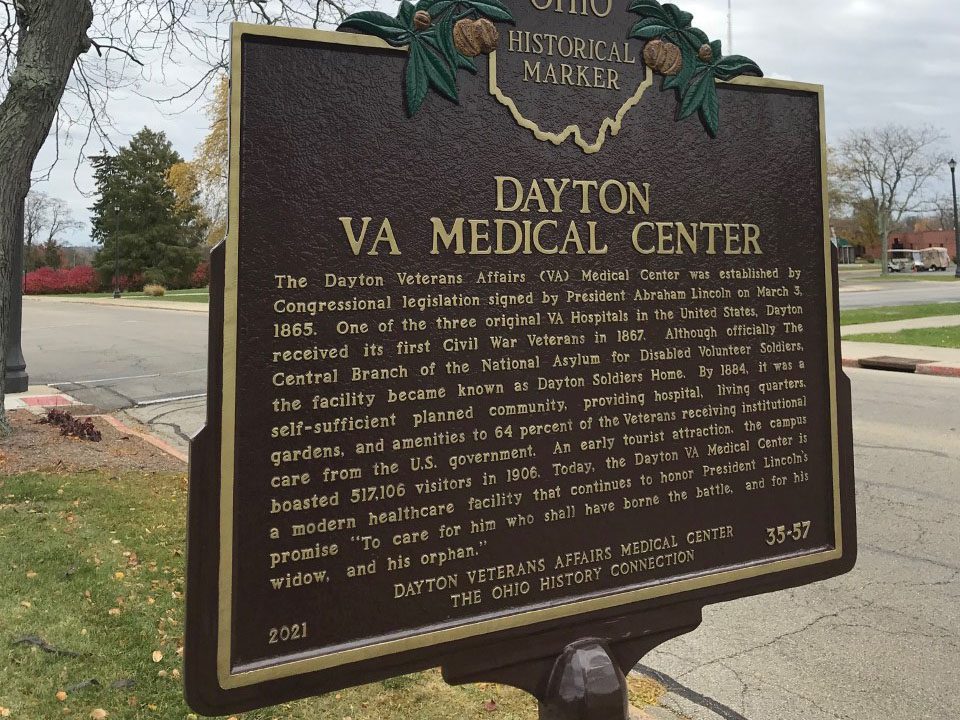
The Dayton Veterans Affairs (VA) Medical Center was established by Congressional legislation signed by President Abraham Lincoln on March 3, 1865. One of the three original VA Hospitals in the United States, Dayton received its first Civil War Veterans in 1867. Although officially The Central Branch of the National Asylum for Disabled Volunteer Soldiers, the […]
33-57 Troutman Sound Labs
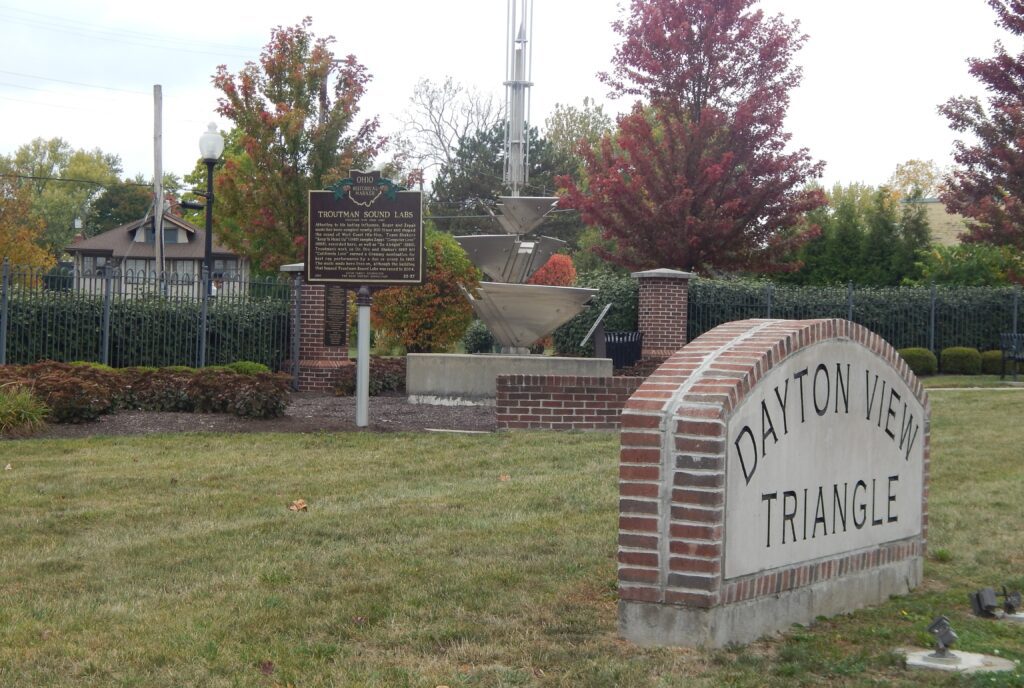
“…this was the area that supported us, which made us…” –Roger Troutman (1951-1999). Hits by Roger and Zapp, such as “More Bounce to the Ounce” (1980) and the albums Zapp (1980), The Many Facets of Roger (1981), and Zapp II (1982) made Troutman Sound Labs possible. The studio was finished in 1983. The music produced […]
32-57 Slifers Presbyterian Church
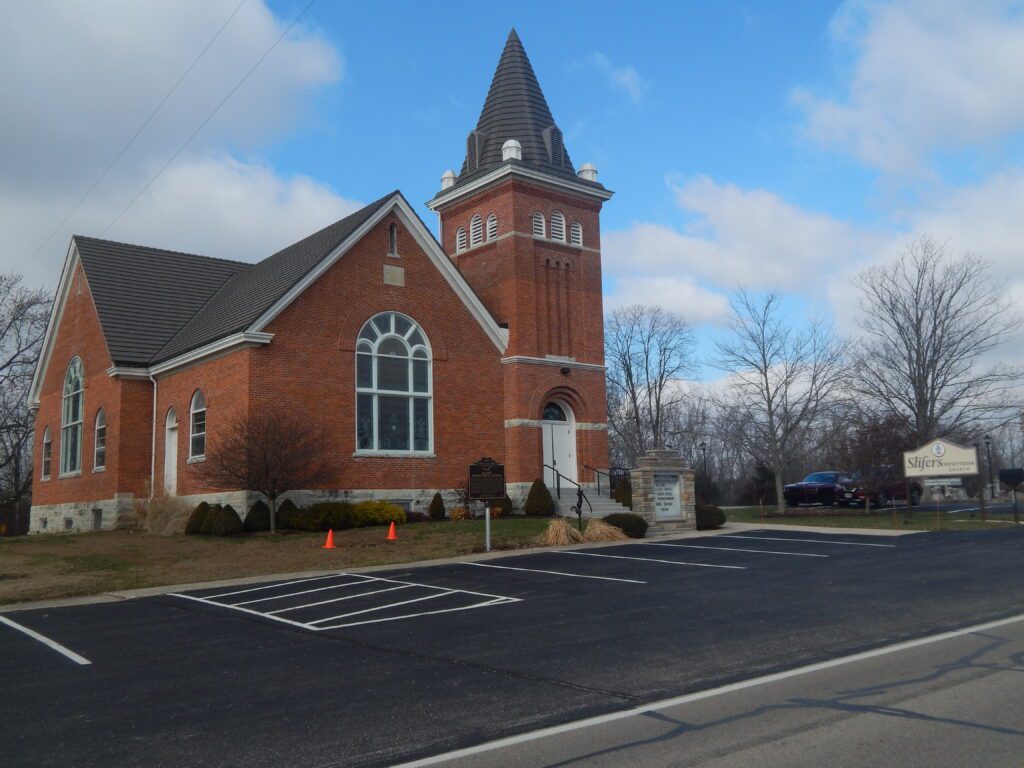
Slifers Presbyterian Church is on land deeded to the local faith community by Philip and Elizabeth Slifer on December 2, 1816. Rev. Thomas Winters of the German Reformed Church and Rev. John C. Dill of the Evangelical Lutheran Church ministered to people of German descent who settled in the area. During the “cold plague” (a […]
31-57 The Dayton Art Institute Centennial
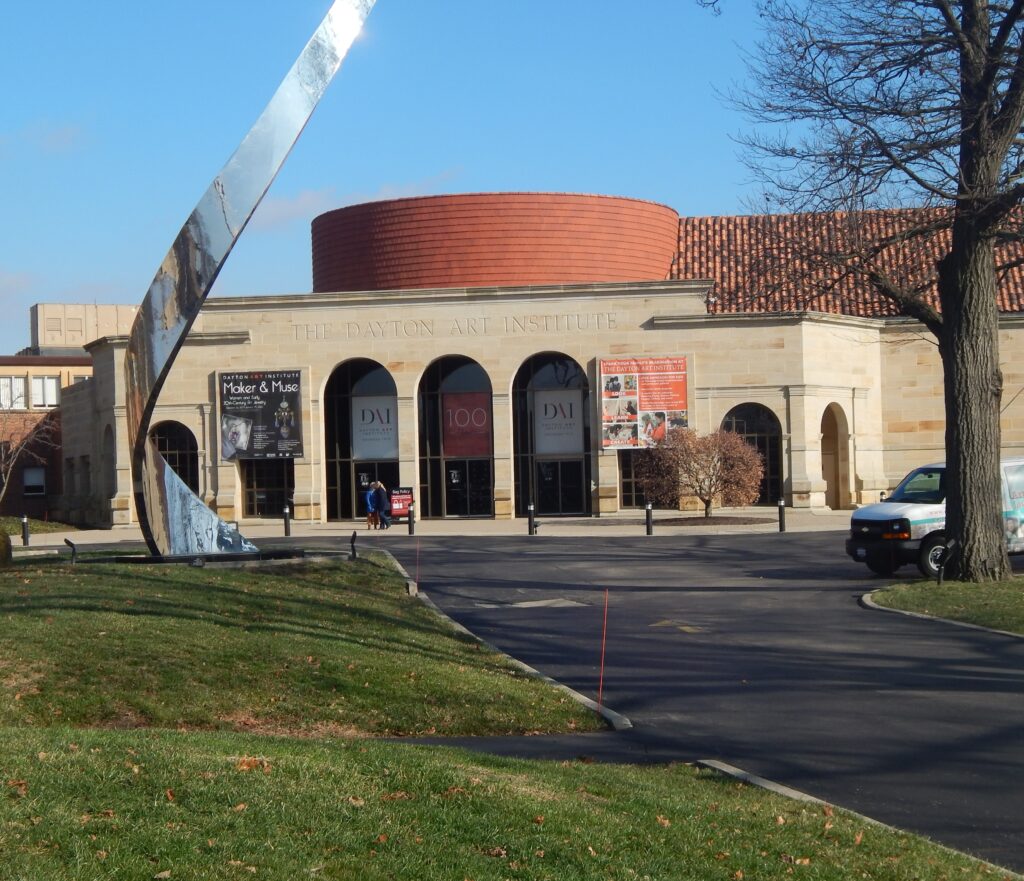
The Dayton Art Institute, one of the region’s premier fine arts museums, was founded in 1919 as the Dayton Museum of Arts. Founding patrons included Orville Wright, members of the Patterson family, and philanthropist Julia Shaw Patterson Carnell, who donated a mansion for the museum’s first home. In 1923, the museum changed its name to […]
30-57 Henderson’s Printing
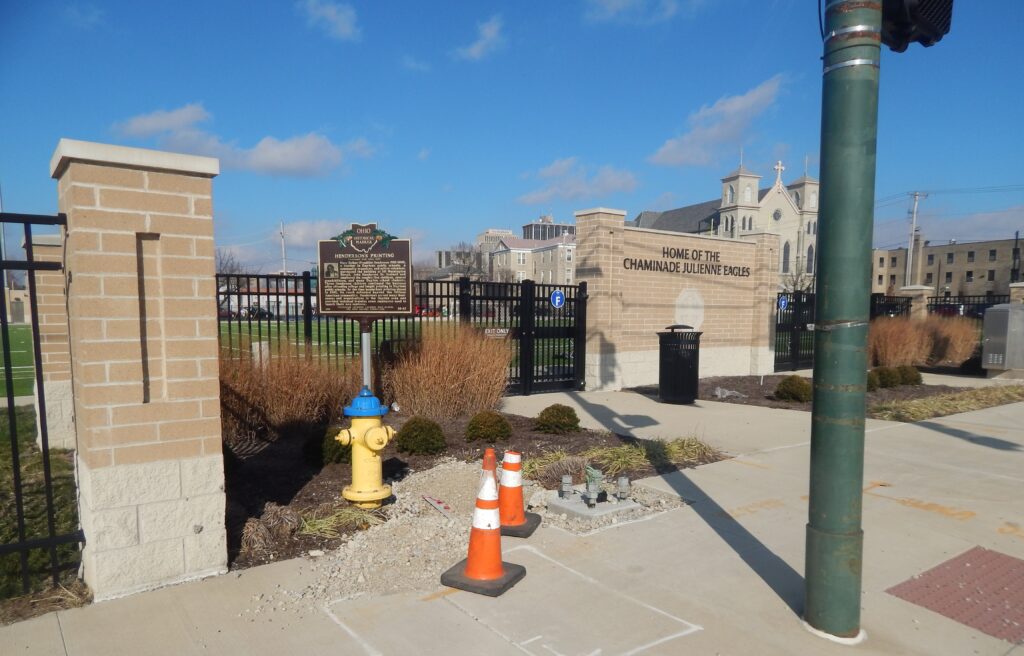
Known by the trade name Henderson’s Printing, the business was a mainstay of Dayton’s African American community for almost 60 years and became a printer of choice for everything from advertising materials, office forms, and a community publications called “housewife savers.” John William Henderson Sr. (1913–1991) purchased his first printing press and founded the business […]
29-57 Miamisburg in the Great Flood of 1913
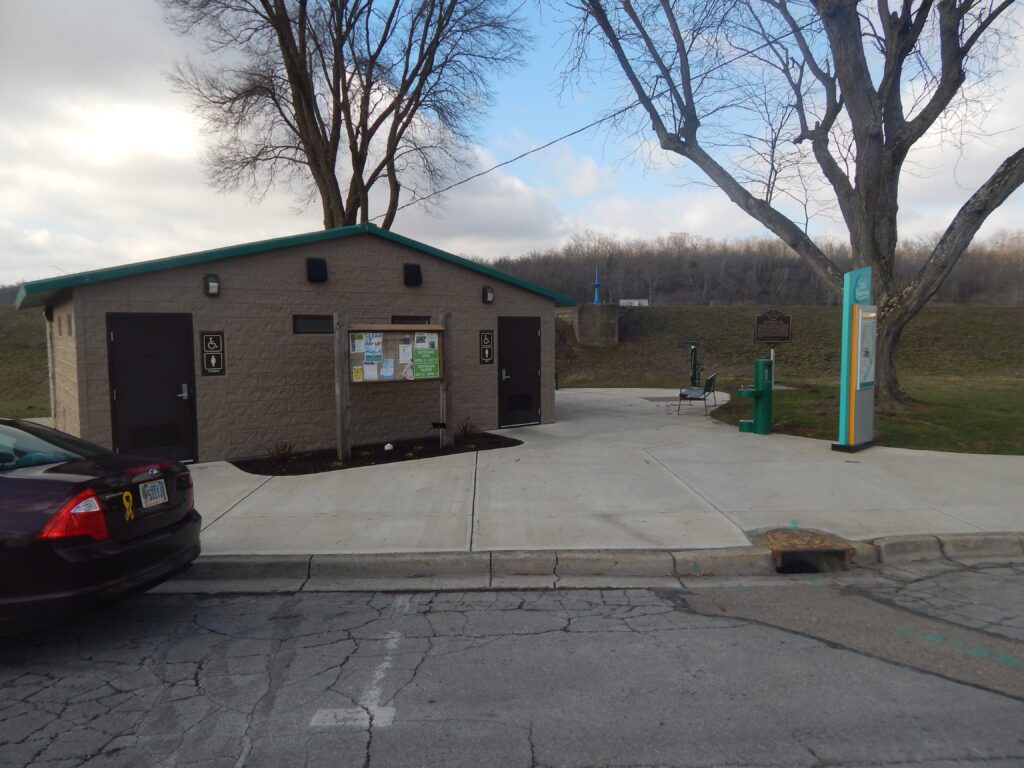
In late March 1913, a series of three severe rainstorms inundated the already saturated and frozen ground of the Miami Valley, causing one of Ohio’s greatest natural disasters, the Flood of 1913. On March 25, the Great Miami River overflowed its banks at Miamisburg, fed by runoff from Bear and Sycamore creeks. Homes, businesses, and […]
37-57 Dayton Woman’s Club
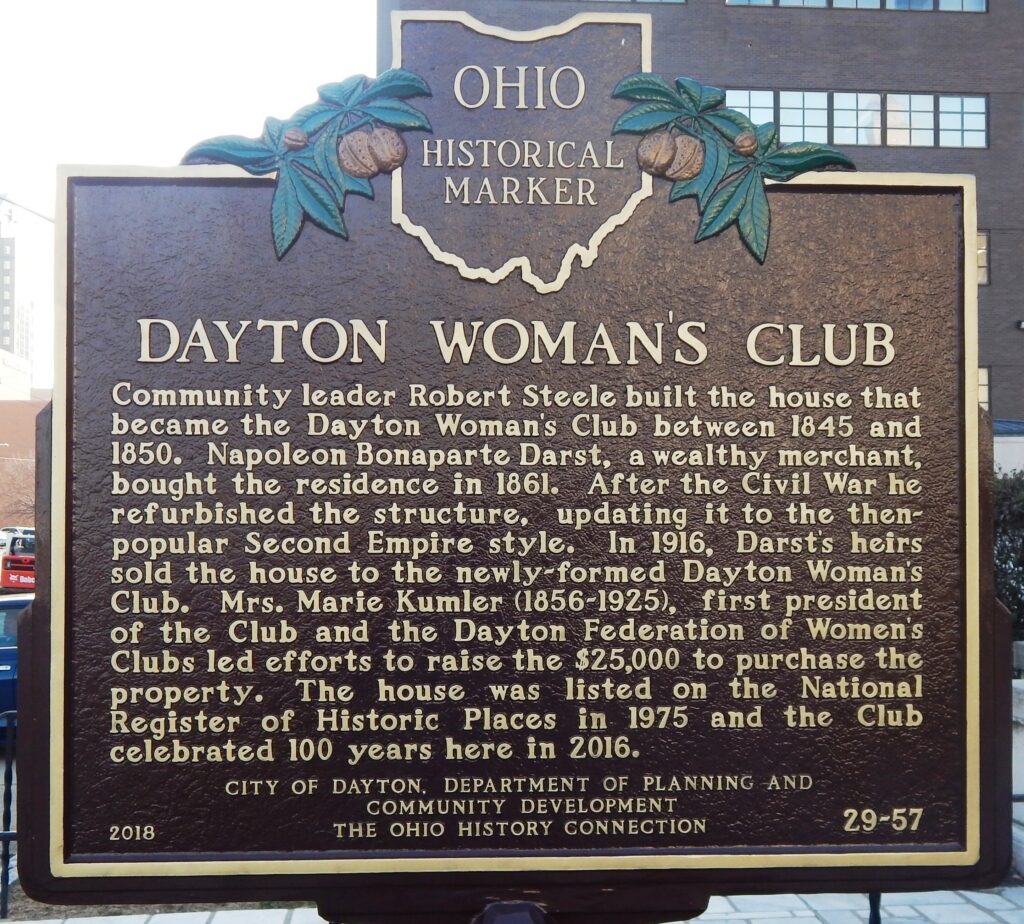
Dayton Woman’s Club. Community leader Robert Steele built the house that became the Dayton Woman’s Club between 1845 and 1850. Napoleon Bonaparte Darst, a wealthy merchant, bought the residence in 1861. After the Civil War he refurbished the structure, updating it to the then-popular Second Empire style. In 1916, Darst’s heirs sold the house to […]
28-57 Katharine Kennedy Brown
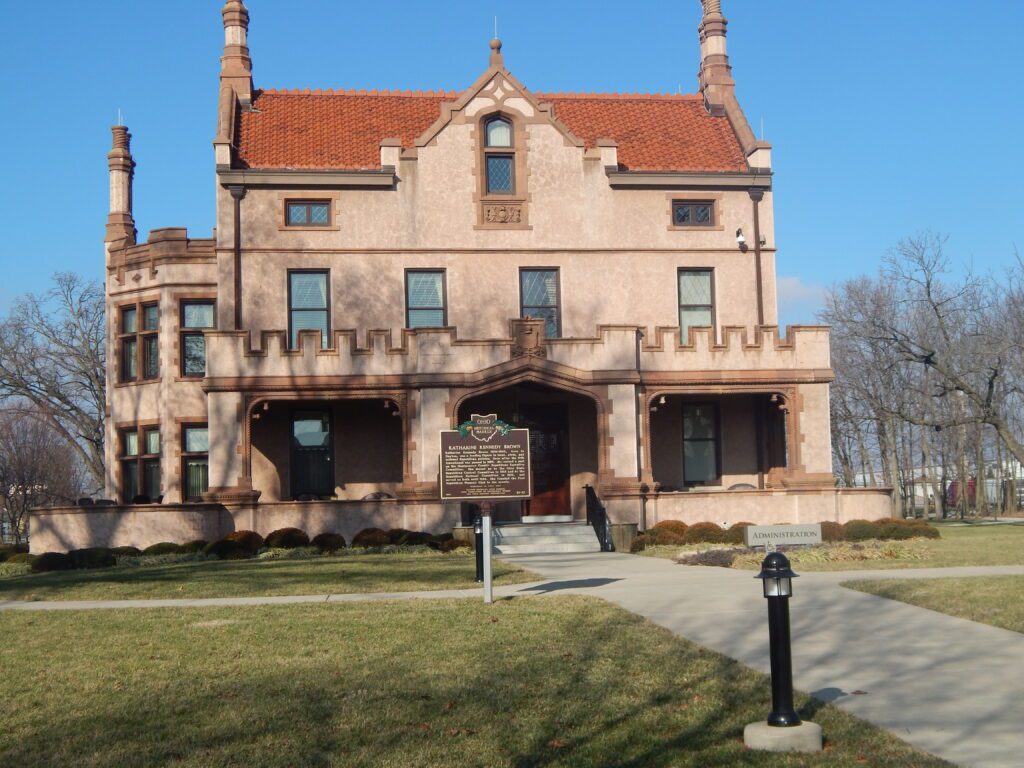
Katharine Kennedy Brown (1891-1986), born in Dayton, was a leading figure in local, state, and national Republican politics. Soon after the 19th Amendment was passed in 1920, she earned a seat on the Montgomery County Republican Executive Committee; moving up to the Ohio State Republican Central Committee in 1928 and the Republican National Committee in […]
27-57 McCook Field Cradle of Aviation Innovation / McCook Field Cradle of Aviation Innovation Ca. 1917
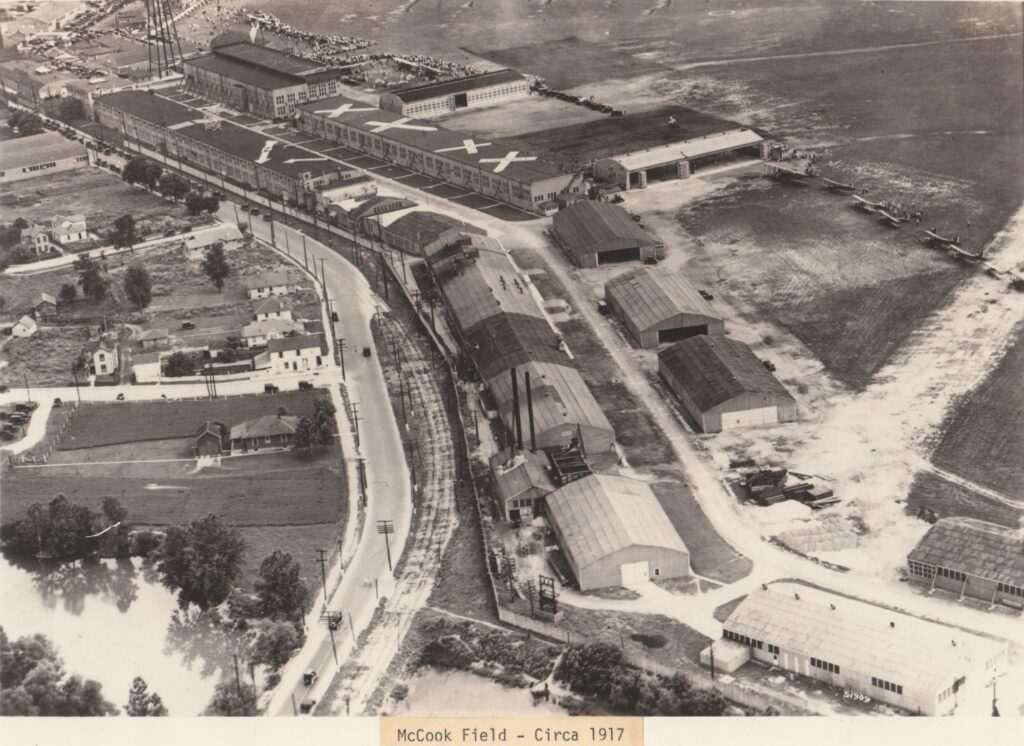
Interest in the new field of aeronautics grew dramatically when the United States entered the World War I in 1917. The army chose Dayton as the site for a research-and-development program for military aviation because of the area’s transportation links to major cities and its engineering and testing facilities. McCook Field, north of downtown between […]
26-57 Woodland Cemetery and Arboretum / Woodland Notables
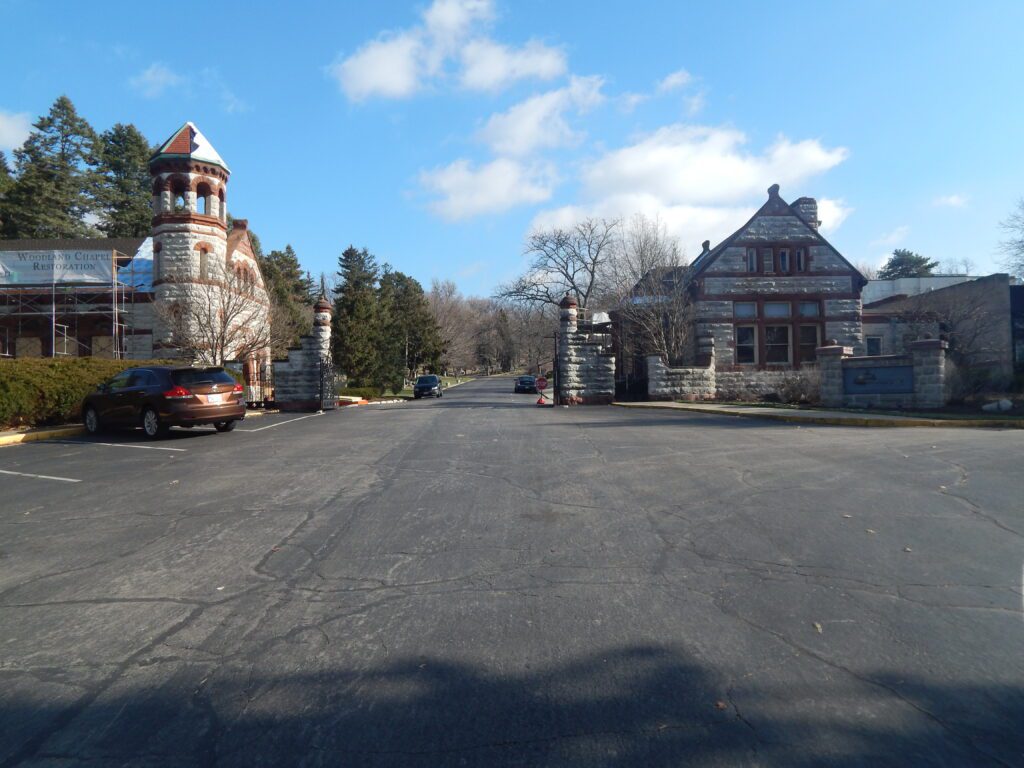
Founded in 1841, Woodland is one of the nation’s oldest rural garden cemeteries, the style of which was a dramatic departure from traditional church burial grounds at the time. Woodland’s oldest portion, including Victorian Era burial sections, a Romanesque gateway, and a Tiffany chapel, forms a district listed on the National Register of Historic Places. […]