 Skip to content

12-4 Ashtabula Harbor Commercial District
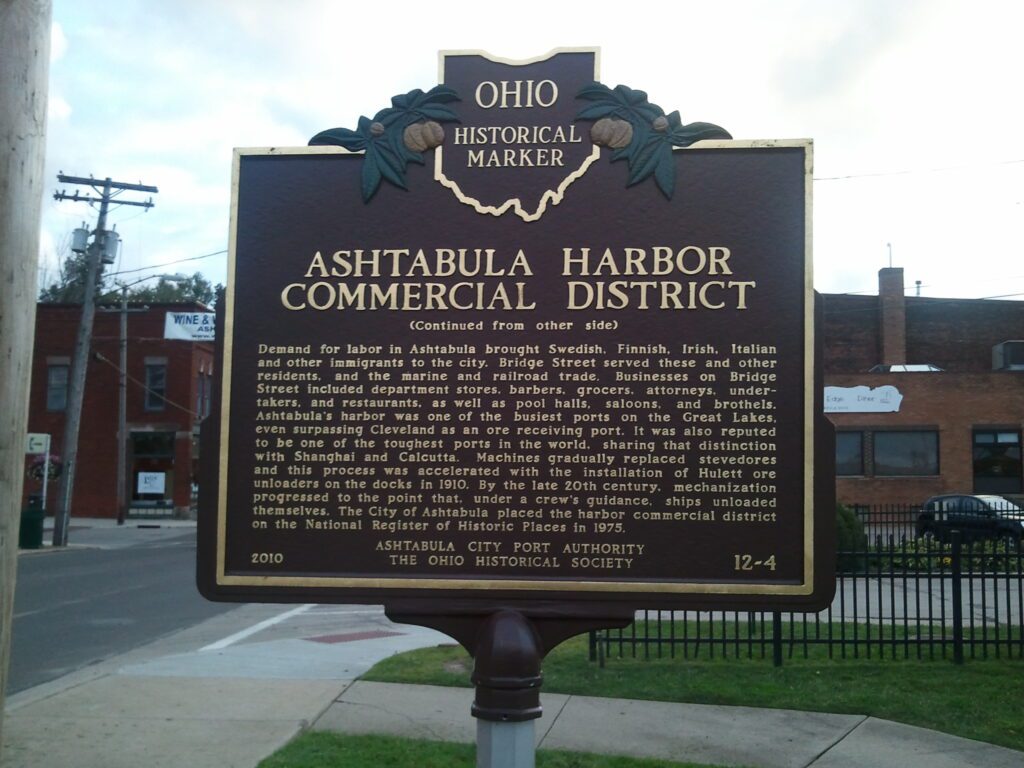
When the Pittsburgh, Youngstown and Ashtabula Railroad was finished in 1873, Ashtabula’s harbor became a direct route to ship iron ore to the booming steel mills of Youngstown and Pittsburgh. On the west side of the Ashtabula River, a brush-filled gulley became Bridge Street. New buildings and bridges attest to the harbor’s importance as a […]
13-4 Joshua R. Giddings Law Office
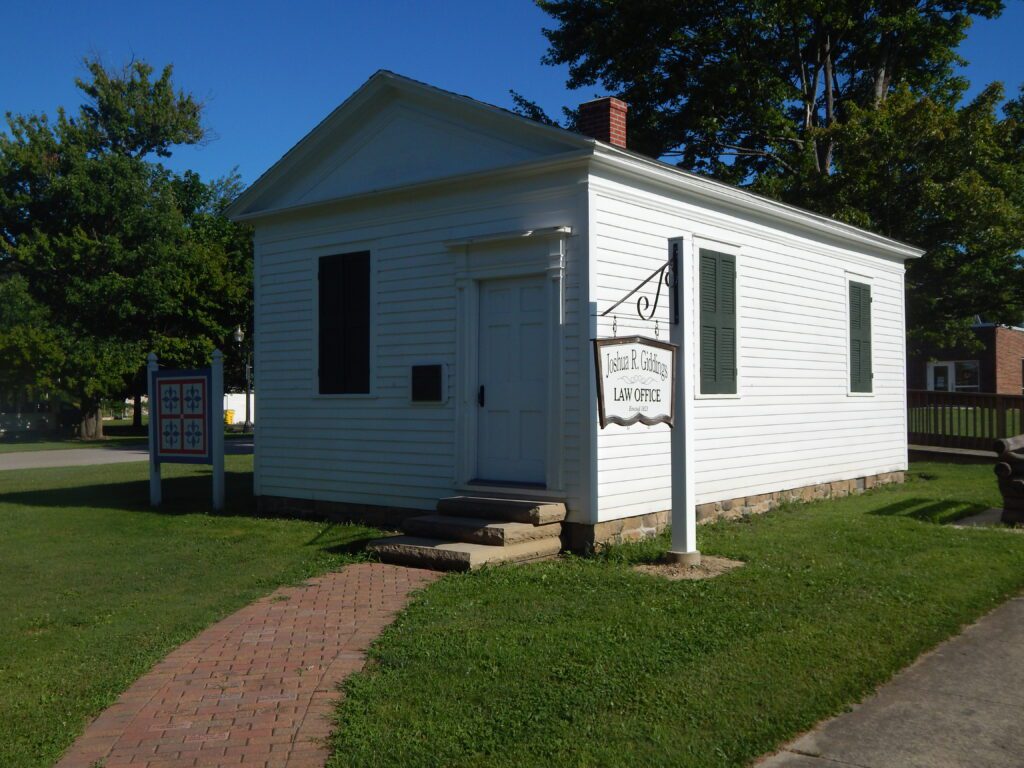
This building served as the law office to Joshua Reed Giddings, a Whig congressman who advocated for the abolition of slavery and an end to the domestic slave trade. Born in 1795, much of Giddings’ young life was occupied by working on his father’s farm. After serving in the War of 1812, he began to […]
9-4 Adna R. Chaffee
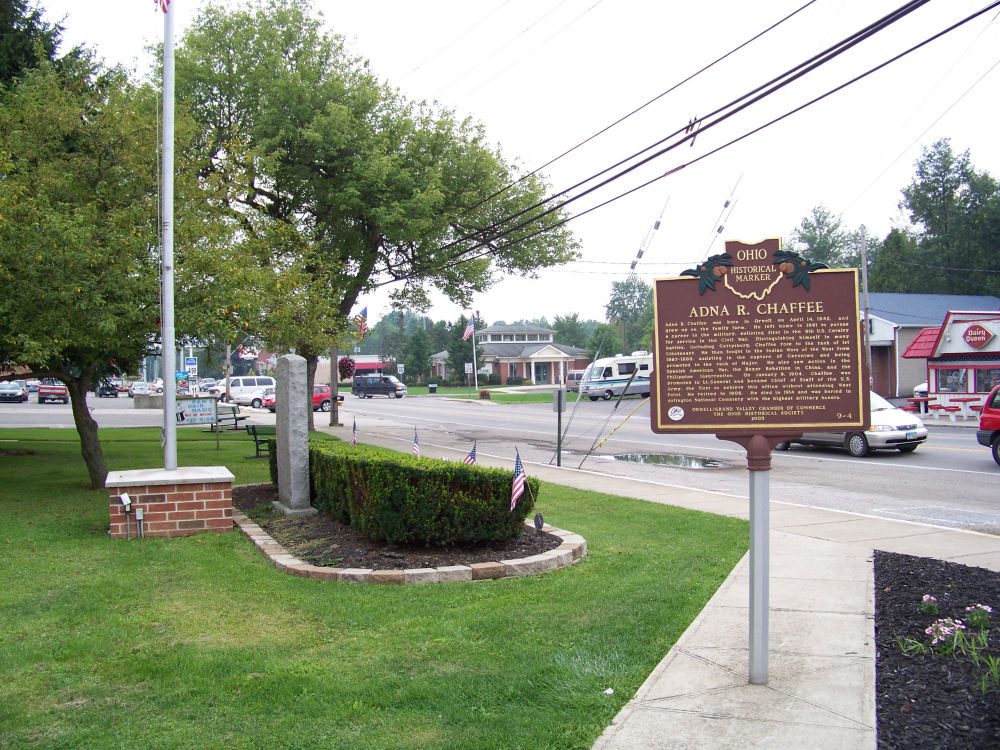
Adna R. Chaffee was born in Orwell on April 14, 1842, and grew up on the family farm. He left home in 1861 to pursue a career in the military, enlisting first in the 6th U.S. Cavalry for service in the Civil War. Distinguishing himself in many battles, including Gettysburg, Chaffee rose to the rank […]
10-4 Ashtabula Train Disaster December 29, 1876
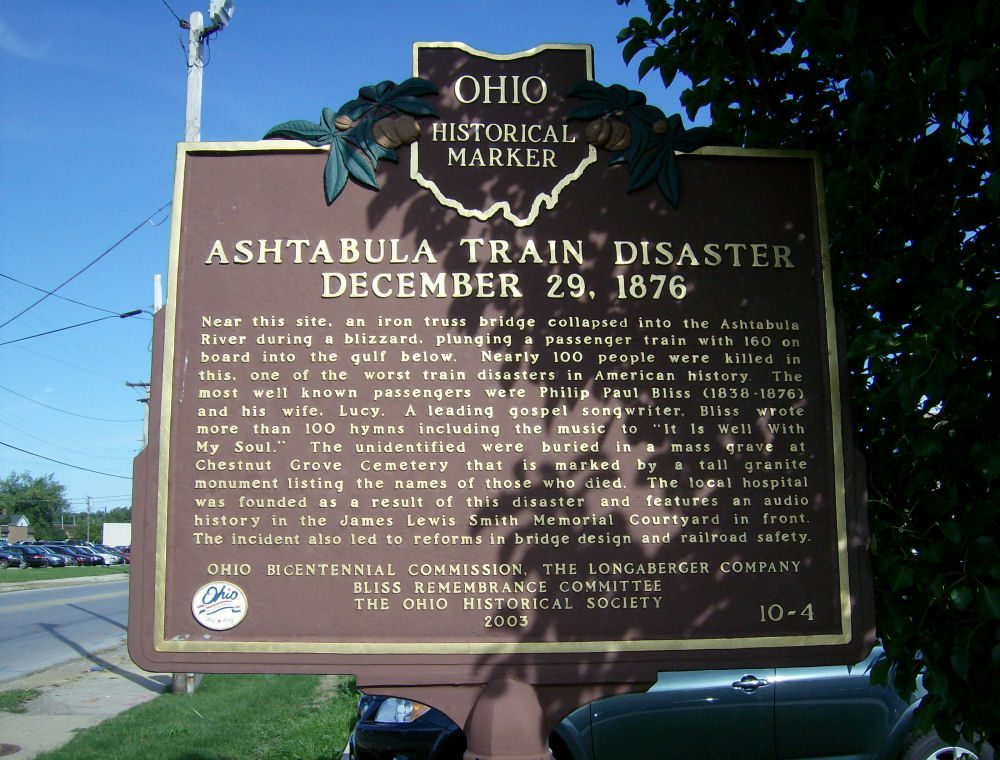
Near this site, an iron truss bridge collapsed into the Ashtabula River during a blizzard, plunging a passenger train with 160 on board into the gulf below. Nearly 100 people were killed in this, one of the worst train disasters in American history. The most well known passengers were Philip Paul Bliss (1838-1876) and his […]
11-4 Lakeshore Park Main Pavilion
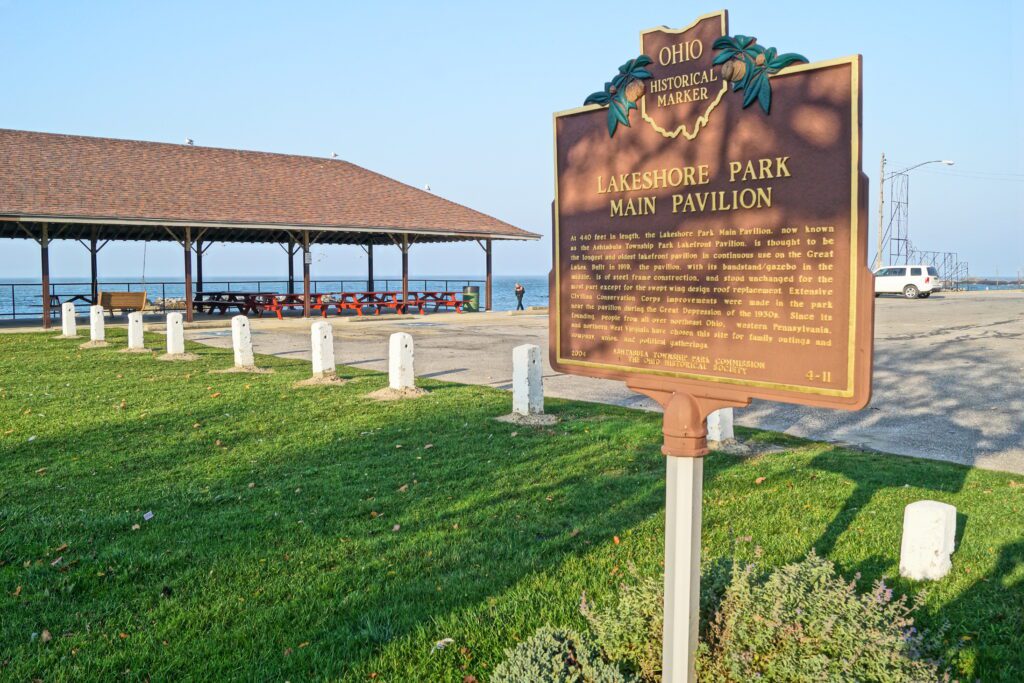
At 440 feet in length, the Lakeshore Park Main Pavilion, now known as the Ashtabula Township Park Lakefront Pavilion, is thought to be the longest and oldest lakefront pavilion in continuous use on the Great Lakes. Built in 1919, the pavilion, with its bandstand/gazebo in the middle, is of steel frame construction, and stood unchanged […]
4-4 Ransom E. Olds – Birthplace
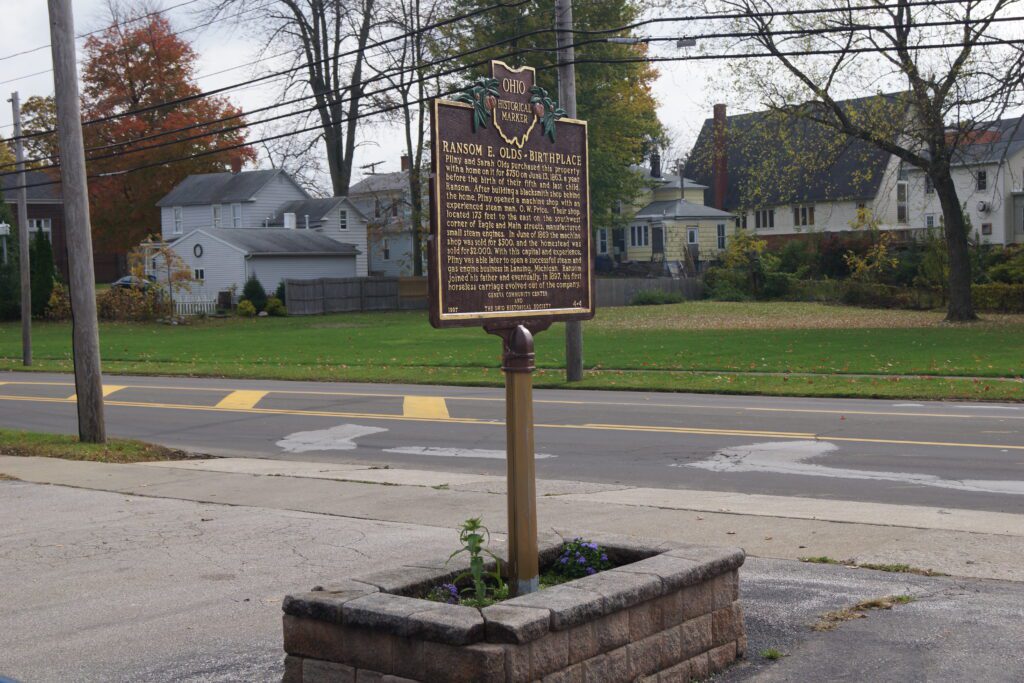
Ransom E. Olds was born on this property on June 3, 1864. Olds co-founded the Olds Motor Vehicle Company, forerunner of the Oldsmobile Division of General Motors in Lansing, Michigan, on August 21, 1897. The curved dash model, built from 1900 to 1907, was the first car to carry the name Oldsmobile. With a 66-inch […]
5-4 The Hubbard House
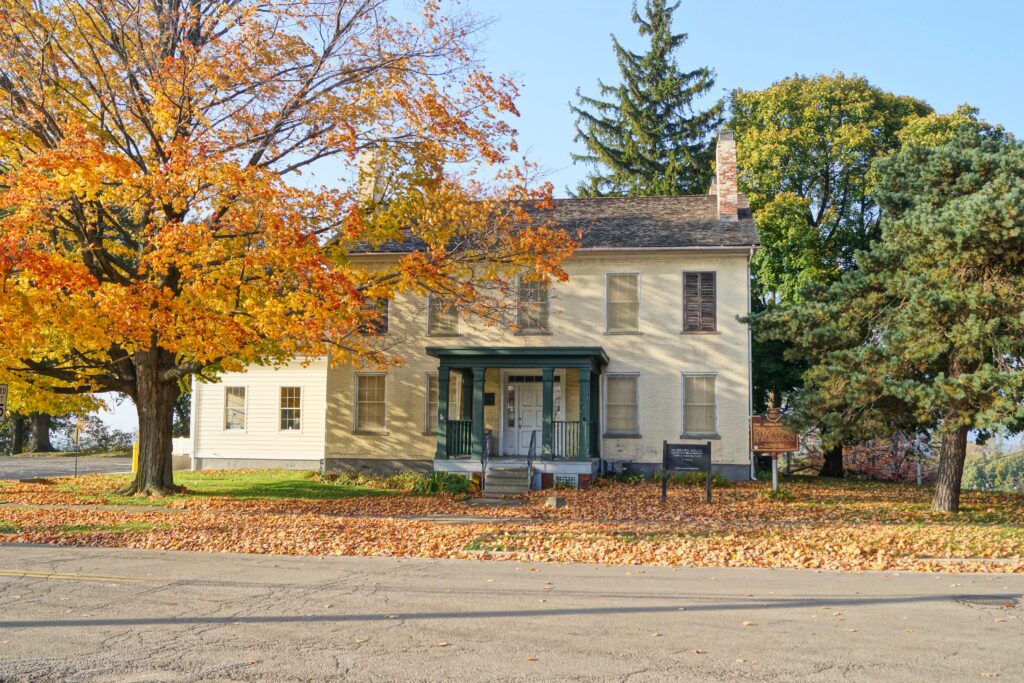
Built in the 1840s by William and Catharine Hubbard and known as “Mother Hubbard’s Cupboard” or “The Great Emporium” by fugitive slaves, the Hubbard House was an important terminus on the fabled Underground Railroad in the years before the Civil War. The Hubbard House sheltered escaped slaves who had risked life and limb after crossing […]
6-4 Betsey Mix Cowles (1810-1876)
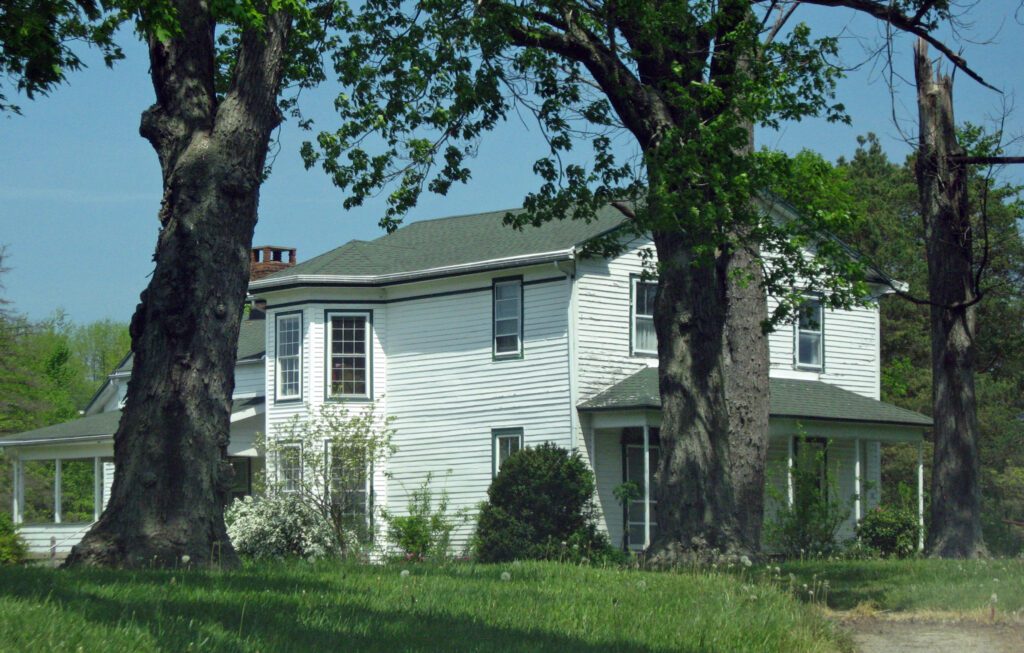
Betsey Mix Cowles dedicated her life to fighting slavery and improving the status of women. Her desire for a formal education led her to Oberlin College, where she completed two years of study in 1840. An advocate of immediate abolition, Cowles lectured on the moral depravity of slavery, opened her home, at this site, to […]
8-4 Pymatuning Wetlands / Pymatuning Reservoir

The advancing and retreating mile-high glacial sheet of ice and snow shaped the countryside around this area. As the last of the ice masses melted, a great swamp developed, punctuated by towering white pines, bogs, and wetlands, fed by the Shenango and Beaver rivers. Abundant wildlife drew prehistoric and later historic Native Americans into the […]
1-4 Prehistoric Earthworks / The Prehistoric Erie
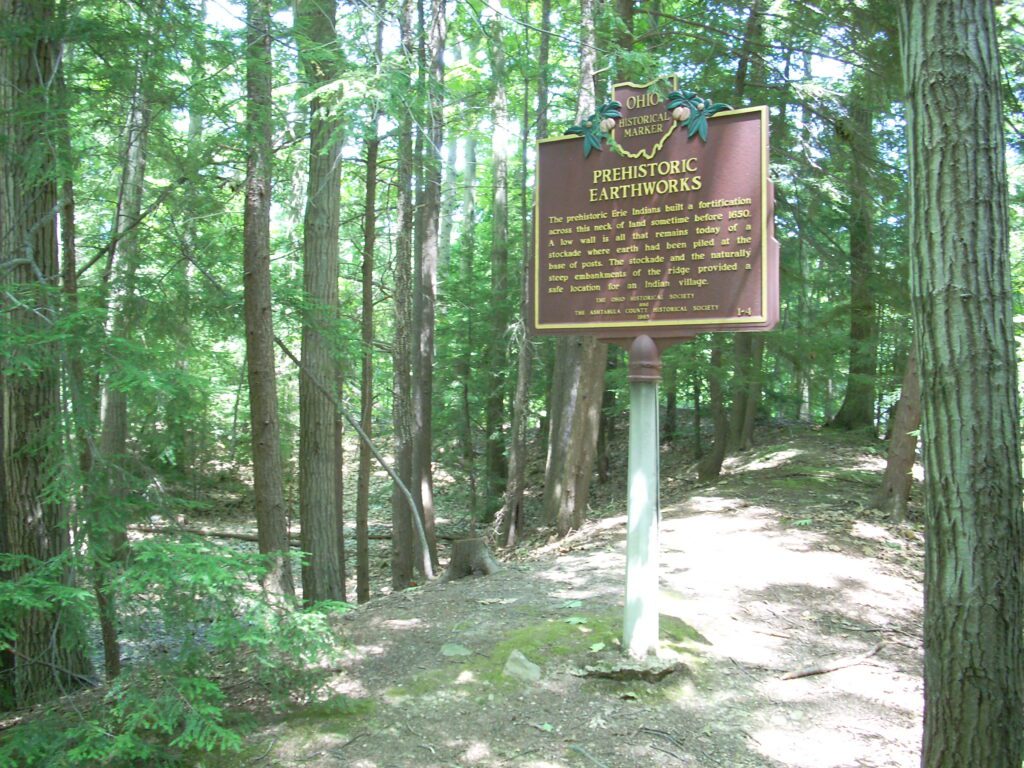
The prehistoric Erie Indians built a fortification across this neck of land sometime before 1650. A low wall is all that remains today of a stockade where earth had been piled at the base of posts. The stockade and the naturally steep embankments of the ridge provided a safe location for an Indian village.