 Skip to content

9-8 The Squirrel Hunters 1862
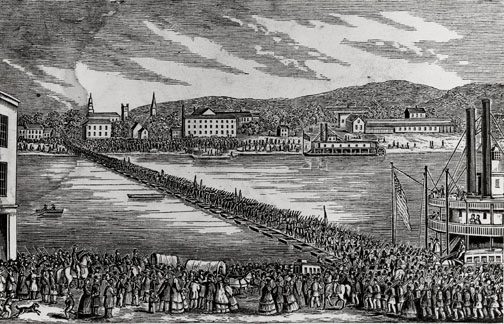
The American Civil War was in its second year, and Confederate forces were advancing in the east and in the west. Confederates led by General Edward Kirby Smith had defeated a Union Force at Richmond, Kentucky on August 30, 1862. Word was received that they were advancing on Cincinnati. Ohio Governor David Tod issued a […]
10-8 Gist Settlement / Original Lot Owners in Eagle Township Settlement
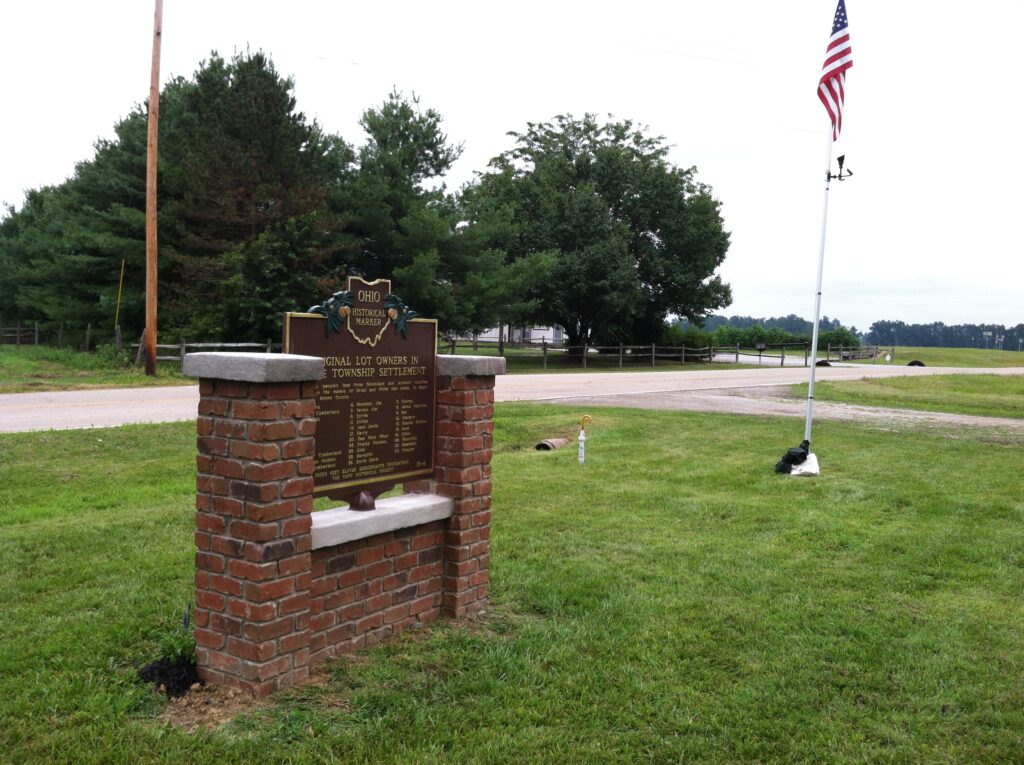
Through the terms of his will, British absentee landowner Samuel Gist (c. 1723-1815) freed his 350 Virginia slaves and provided funds for their relocation, the purchase of land, and the establishment of schools and homes. The executors of Gist’s will acquired over 2,000 acres of land in Ohio, including two large tracts in Scott and […]
5-8 Historic Decatur / A.N. Marquis and Who’s Who
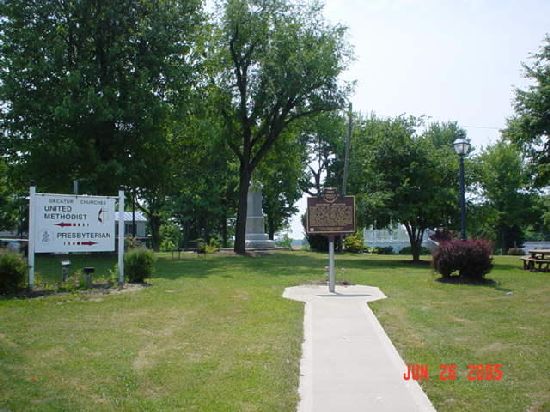
Originally called St. Clairsville and platted in 1801, Decatur was named for early 19th century naval hero Stephen Decatur. It is among the oldest villages in Brown County, which before 1817 was a part of Adams County. Among its notable early residents were Nathaniel Beasley (1774-1835), the first surveyor of Adams County, and Sarah Boone […]
7-8 Camp Ripley 1861-1864 / Camp Ammen 1861-1864
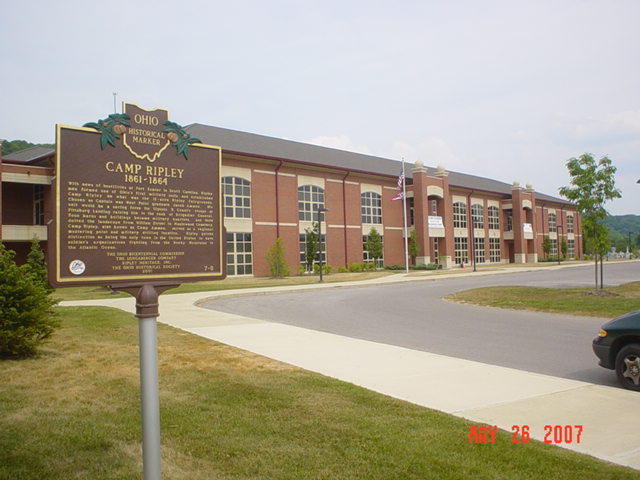
With news of hostilities at Fort Sumter in South Carolina, Ripley men formed one of Ohio’s first military units and established Camp Ripley on what was the 12-acre Ripley Fairgrounds. Chosen as Captain was West Point graduate Jacob Ammen. His unit would be a saving force for Ulysses S. Grant’s troops at Pittsburg Landing raising […]
8-8 Ripley and The Ohio River
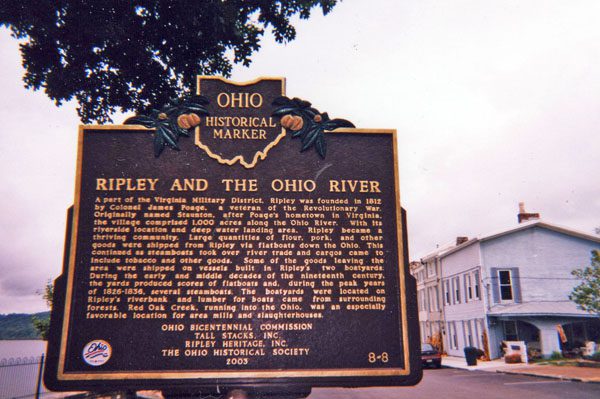
A part of the Virginia Military District, Ripley was founded in 1812 by Colonel James Poage, a veteran of the Revolutionary War. Originally named Staunton, after Poage’s hometown in Virginia, the village comprised 1,000 acres along the Ohio River. With its riverside location and deep water landing area, Ripley became a thriving community. Large quantities […]
1-8 Ulysses S. Grant Boyhood Home

U.S. Grant, general-in-chief of the Armies of the United States, 18th president and first native Ohioan to be elected chief executive, lived in this house from 1824 to 1839. Jesse R. Grant, his father, built the original part fronting Water Street in 1824 and later built an addition fronting Main Cross Street, now Grant Avenue. […]
2-8 Dixon-Washburn Log House
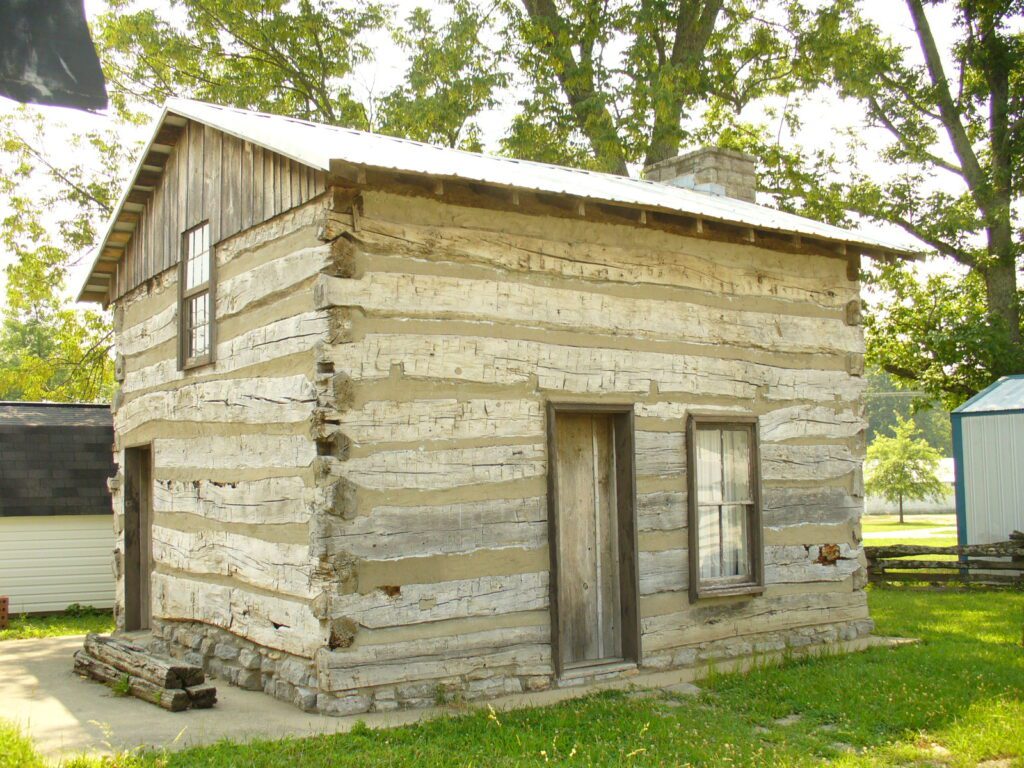
This house originally stood at Logan’s Gap, Union Township. By tradition, it was constructed in 1793 by Indian scouts William Dixon and Cornelius Washburn who became residents of Brown County. Dixon lived in this house until 1800.
4-8 Ripley / The John P. Parker House
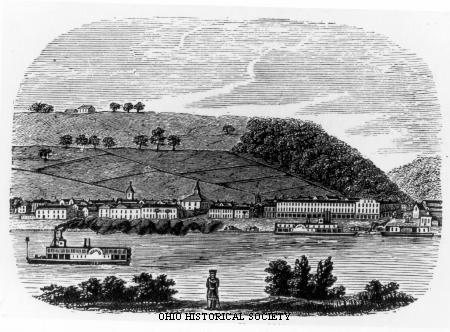
Ripley was incorporated as the village of Staunton in 1812. Its name was changed in 1816 to honor General Eleazer Wheelock Ripley, a hero of the War of 1812. In the years before railroads, Ripley was a principal Ohio River shipping center. Also important were its extensive boat-building, tobacco, pork, and timber industries. Ripley too […]
21-7 Watt Car and Wheel Company
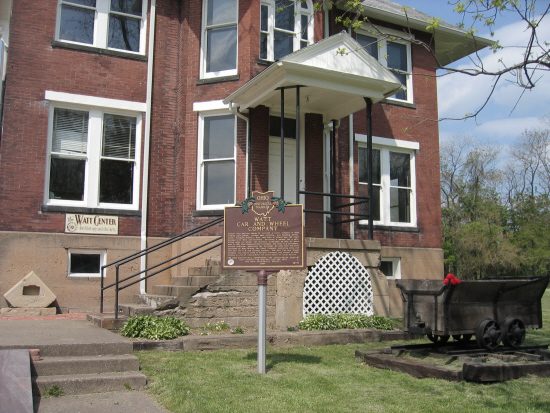
Joseph Watt and son James H. started a small foundry in 1862 making plow points, window sash weights, and heating stoves. Later, brothers Stewart, Ross, and John W. joined and the name became J.H. Watt and Brothers. Securing a patent for a self-oiling mine car wheel, the business expanded to this 27-acre site. In 1891, […]
18-7 Cornelius D. Battelle, Methodist Circuit Rider / The First United Methodist Church, Bellaire
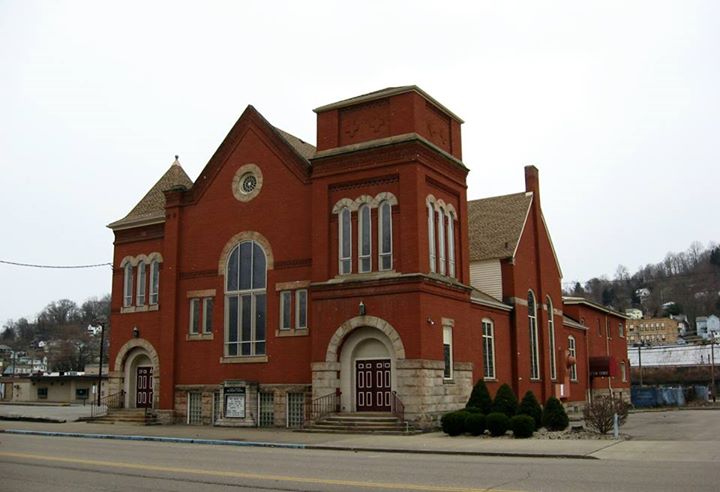
Cornelius D. Battelle was born July 13, 1807 in Washington County, Ohio. He entered the Methodist Episcopal Church on October 30, 1825 and the Pittsburgh Methodist Conference in 1833. He was assigned pastoral circuit duties in rural eastern Ohio and the small river settlement of “Belle Aire” where he delivered his first sermon in a […]