 Skip to content

15-9 Langstroth Cottage / Lorenzo Langstroth “The Bee-Man of Oxford”
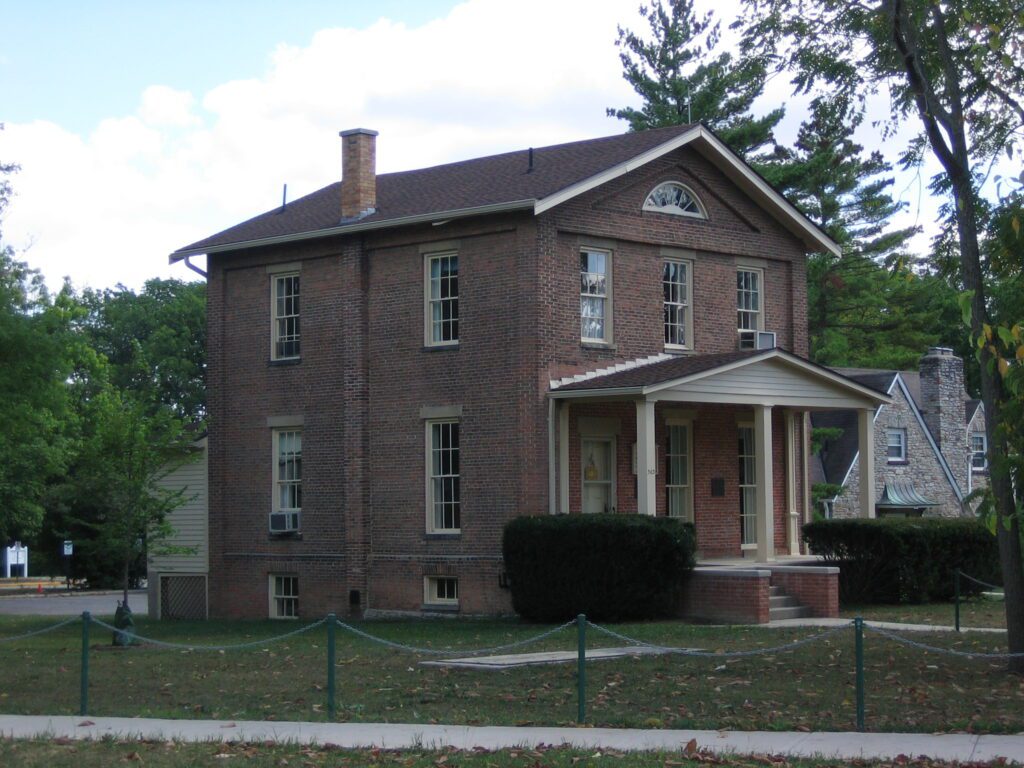
Reverend Lorenzo Langstroth, renowned as “The Father of American Beekeeping,” lived in this simple two-story, eight-room house with his wife, Anne, and their three children from 1858 to 1887. Unchanged externally, the Greek Revival cottage features brick pilasters and pediments and a fan-shaped front window. In his garden workshop, Langstroth made experimental beehives, established an […]
16-9 Elisha Morgan Farm Mansion
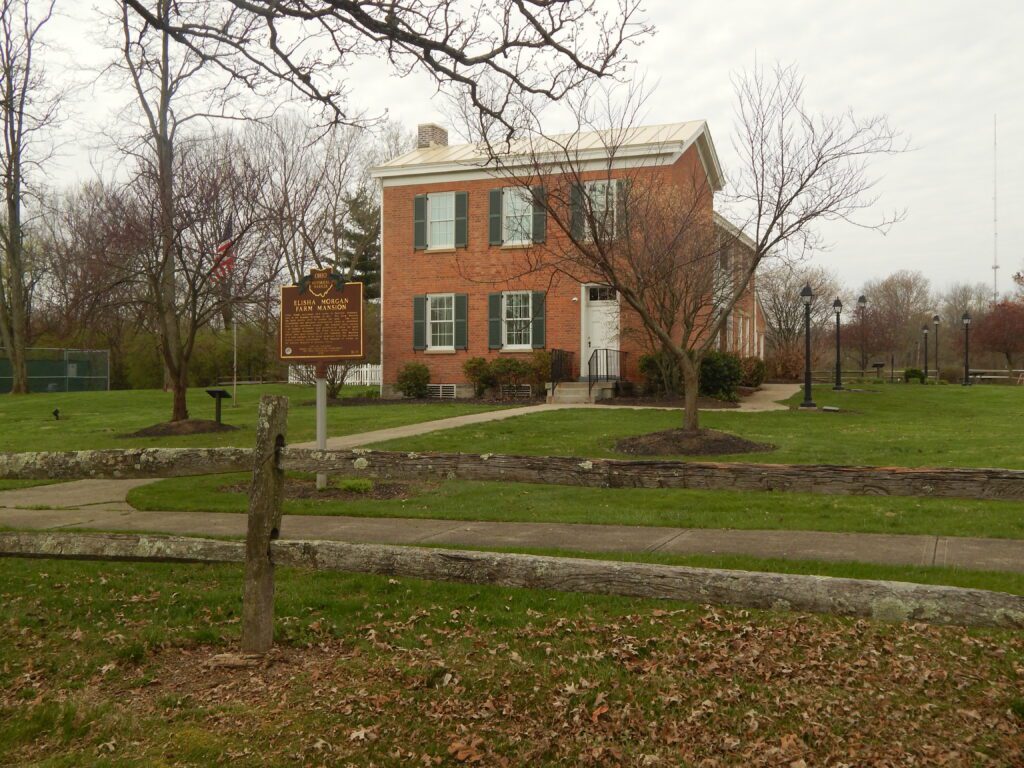
Elisha Morgan purchased 48.6 acres in Fairfield Township, part of the Symmes Purchase, in 1817. The Farm Mansion was built shortly after he settled the land. The house incorporates two prevalent architectural styles in southwest Ohio in the nineteenth century. The original front portion is an example of Federal style architecture while the 1858 rear […]
13-9 The DeWitt Family / The DeWitt Log Homestead
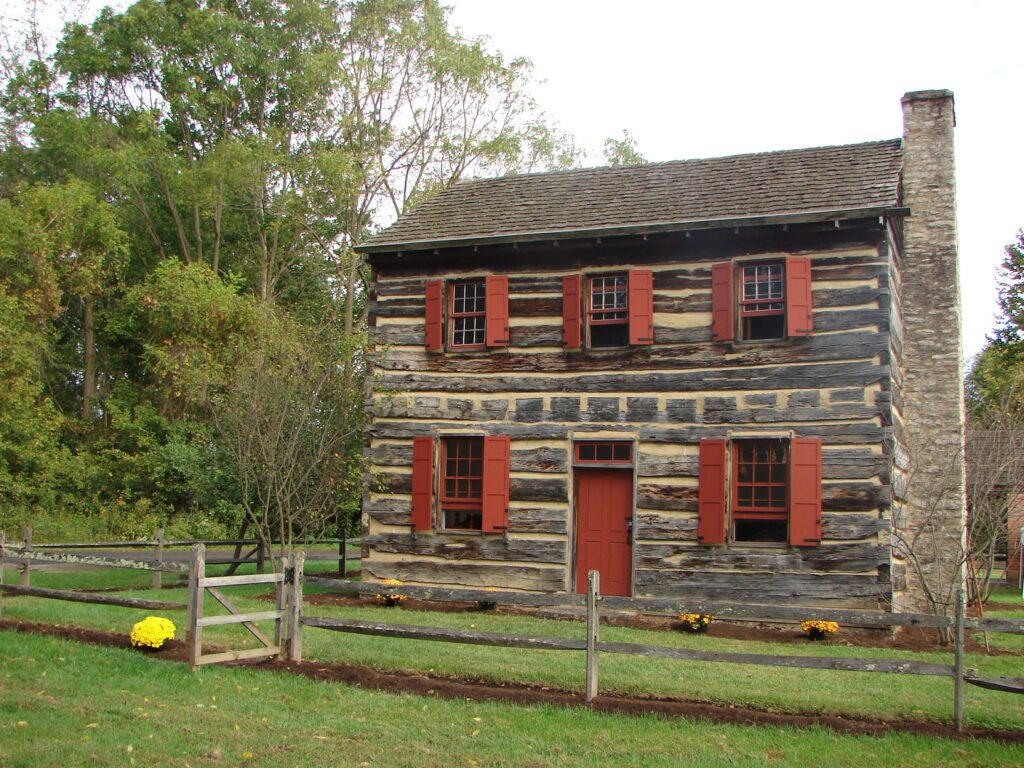
Zachariah Price DeWitt was born of a Dutch family in New Jersey in 1768. With brothers Jacob and Peter, he migrated to Kentucky where, in 1790, he married Elizabeth Teets, who was born in Pennsylvania in 1774. By 1805 all three brothers had settled in Ohio near Four Mile (Talawanda) Creek. Here Zachariah and Elizabeth […]
14-9 William Holmes McGuffey House
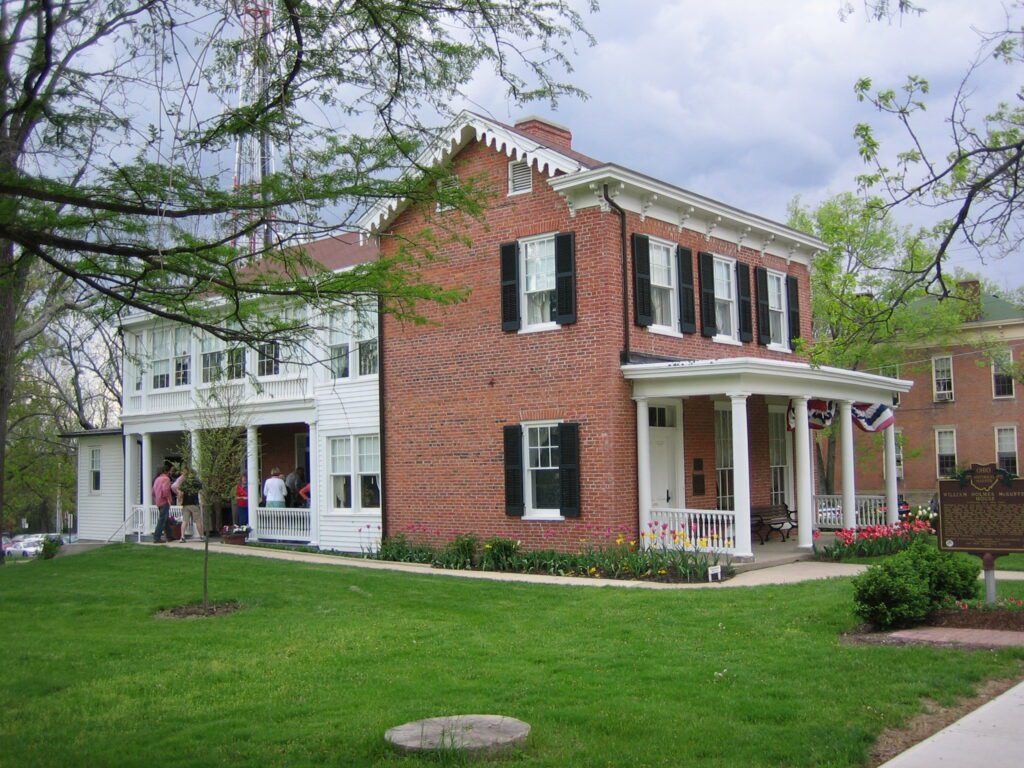
William Holmes McGuffey (1800-1873) was a Miami University faculty member in 1836 when he compiled the first edition of the McGuffey Eclectic Reader in this house. His Reader taught lessons in reading, spelling, and civic education by using memorable stories of honesty, hard work, thrift, personal respect, and moral and ethical standards alongside illustrative selections […]
11-9 The Black (Pugh’s Mill) Covered Bridge
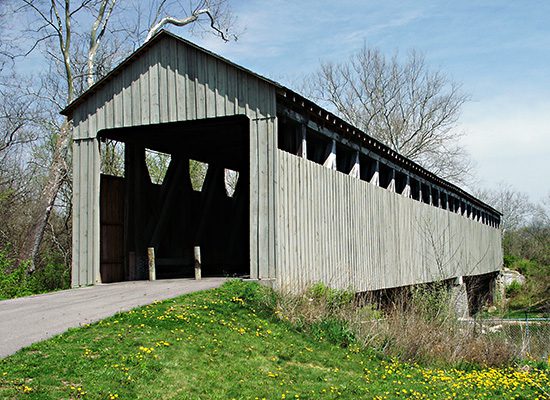
One of the few remaining covered bridges in southwestern Ohio and the only one in Butler County on its original site, this bridge was built in 1868-1869 to give access to a saw and grist mill owned by James B. Pugh on Four Mile (Tallawanda) Creek. The wooden frame three-story mill had a 16-foot overshot […]
12-9 William Dean Howells
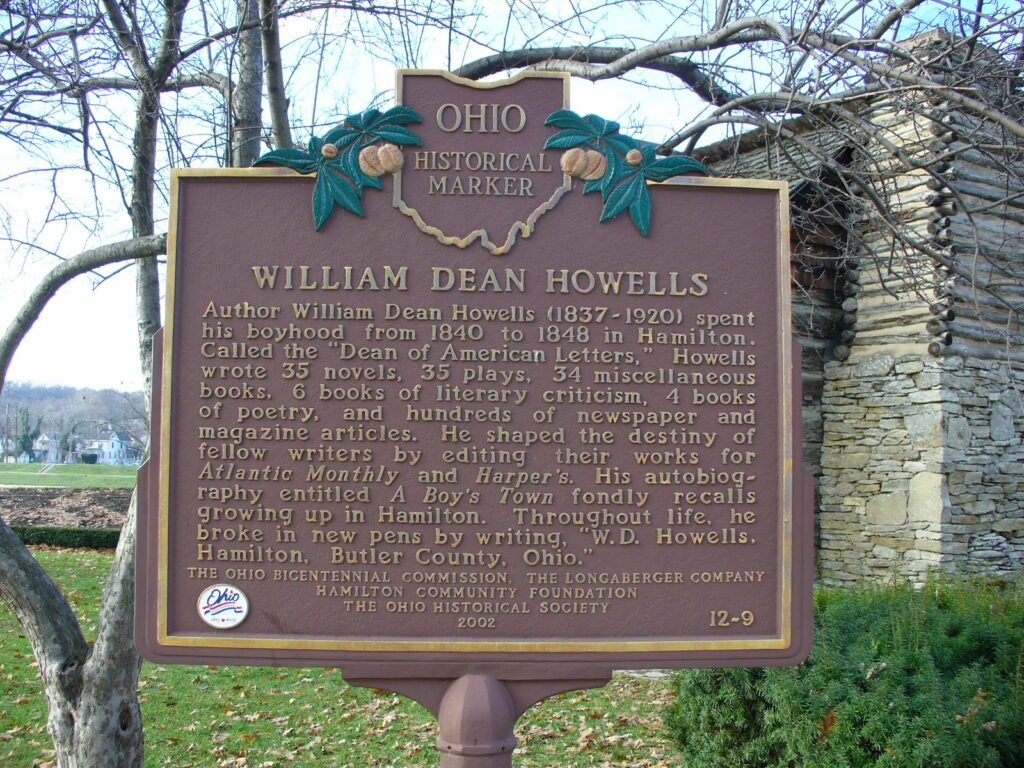
Author William Dean Howells (1837-1920) spent his boyhood from 1840 to 1848 in Hamilton. Called the “Dean of American Letters,” Howells wrote 35 novels, 35 plays, 34 miscellaneous books, 6 books of literary criticism, 4 books of poetry, and hundreds of newspaper and magazine articles. He shaped the destiny of fellow writers by editing their […]
9-9 Freedom Summer 1964
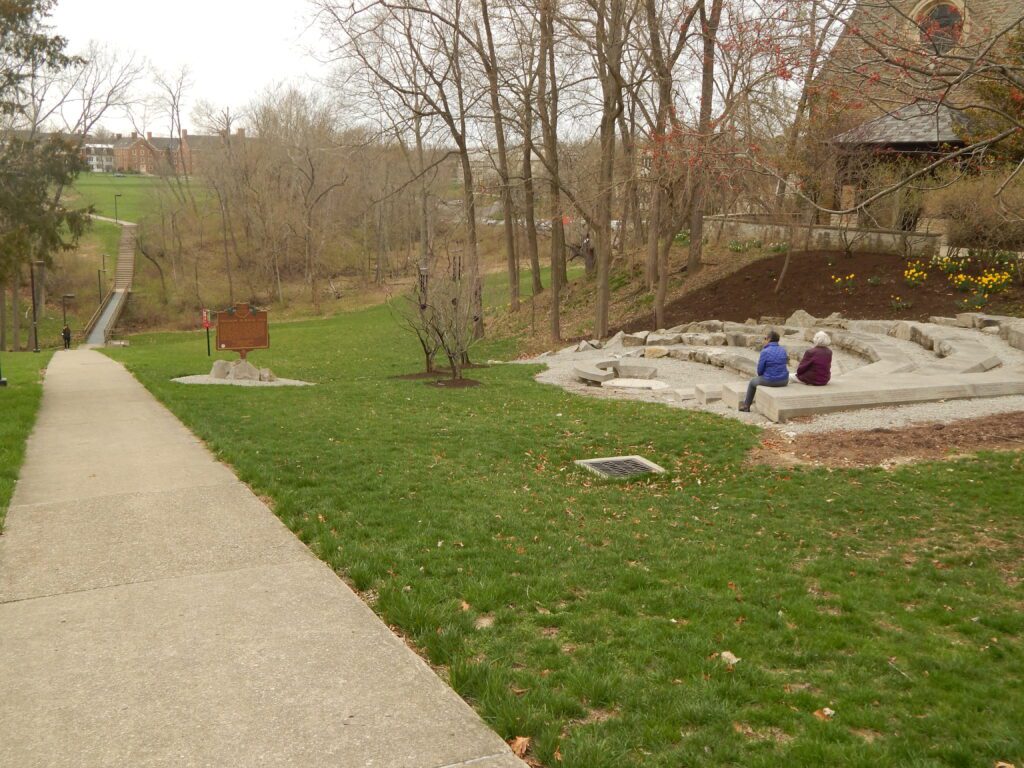
In what was called the “Freedom Summer” of 1964, more than 800 volunteers, most of them college students, gathered at the Western College for Women (now Western Campus of Miami University) to prepare for African-American voter registration in the South. Three of the volunteers – James Chaney of Mississippi, and Andrew Goodman and Michael Schwerner […]
10-9 Rossville Historic District
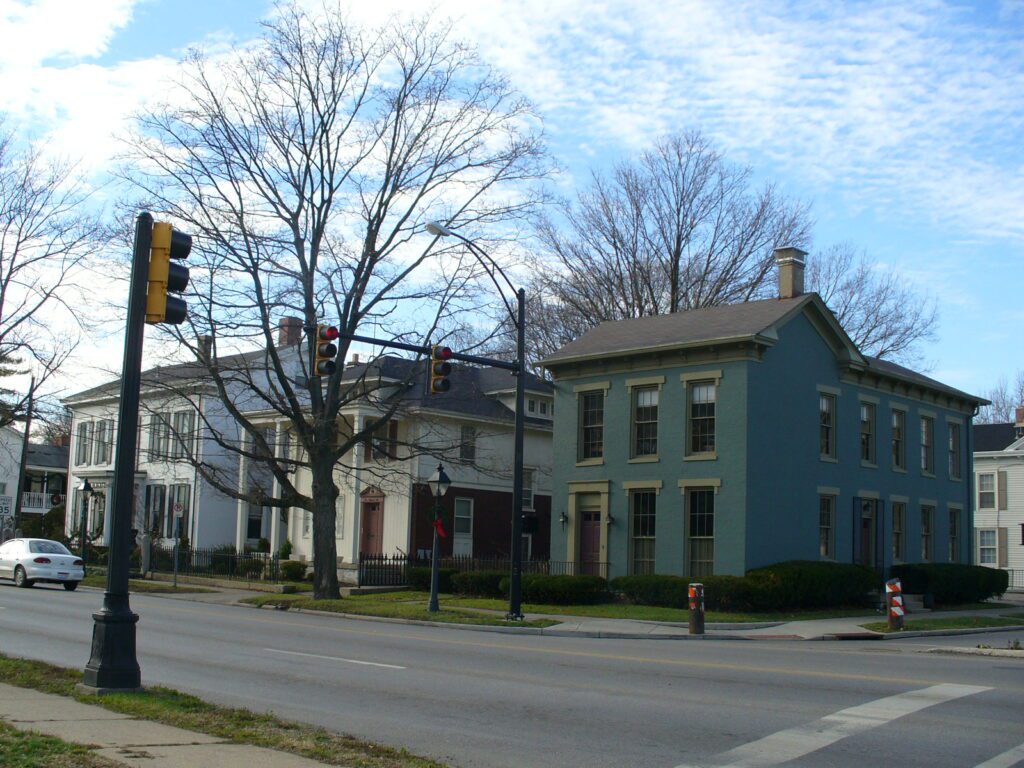
Rossville was settled in April 1801 shortly after the U.S. Government initiated land sales west of the Great Miami River. Its original proprietors–John Sutherland, Henry Brown, Jacob Burnet, James Smith and William Ruffin–named the town in honor of Pennsylvania Senator James Ross (1762-1847), who favored Ohio statehood and advocated free navigation of inland rivers. These […]
7-9 Lane-Hooven House

James Elrick, a local carpenter, built the Lane-Hooven House in 1863 for Clark Lane (1823-1907), a Hamilton industrialist and philanthropist. Lane, who first came to the area at age twenty-one as a blacksmith, resided in the house for more than eleven years. In 1866, Lane built the library, also originally an octagon, across the street. […]
8-9 Busenbark / Dr. Charles F. Richter 1900-1985
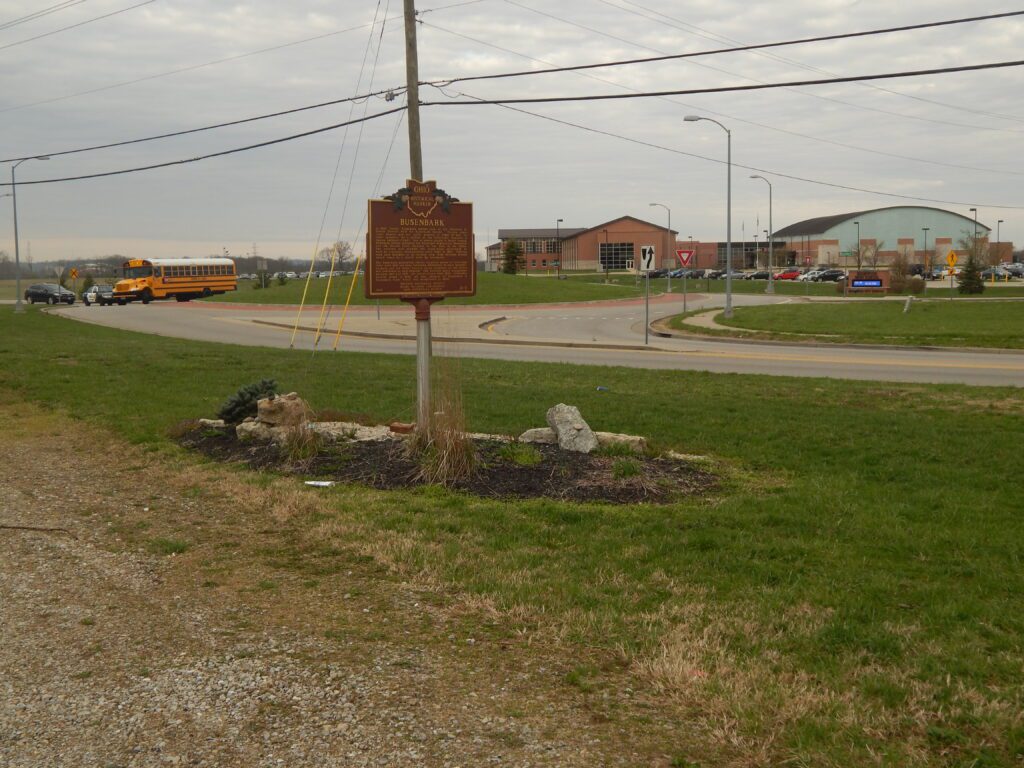
In 1833, Robert Busenbark deeded land to the directors of School District No. 6 for Busenbark School. Twenty years later, Robert and son David granted a right-of-way on their property for a station on the Cincinnati, Hamilton & Dayton Railroad (CH&D). One of eleven depots in Butler County, Busenbark station attracted the Kinsinger-Augspurger Warehouse and […]