 Skip to content

50-18 Brooklyn Heights

With its favorable seasons and fertile soils, the northern Ohio frontier attracted settlers to the Western Reserve from the beginning of the nineteenth century. With a well-established agricultural heritage, “truck farming” became popular as wagons hauled produce to stands at the Central Market on Public Square in Cleveland around 1860. Thirty years later, to extend […]
49-18 First Brick Rural Road in U.S.
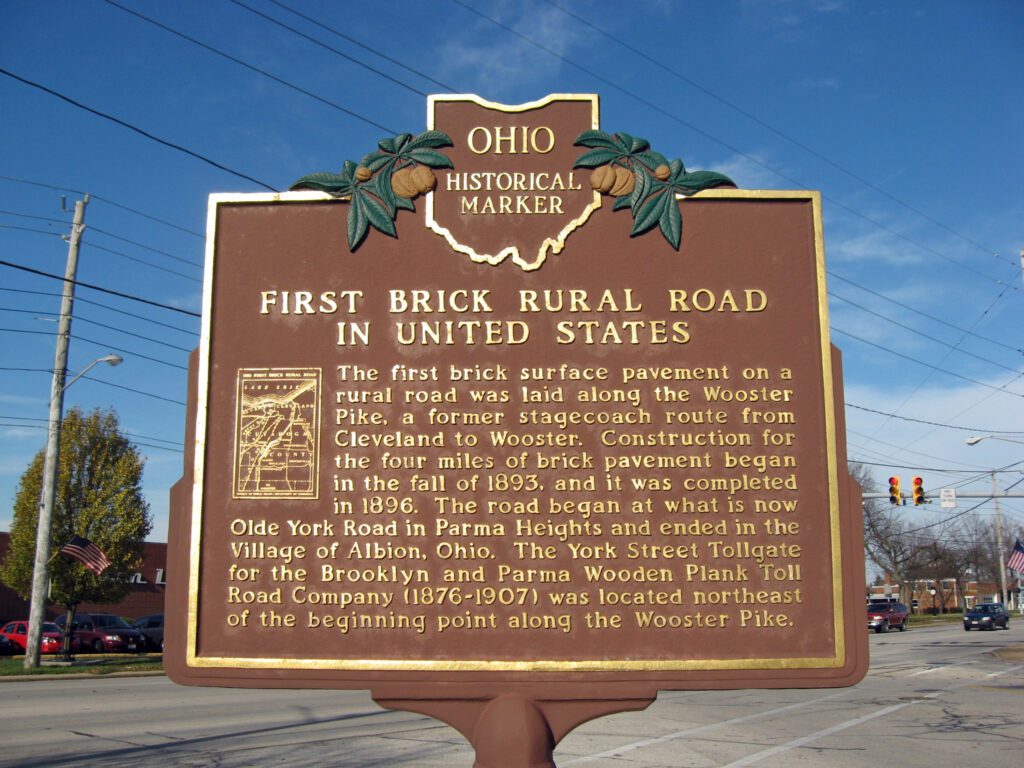
In the late nineteenth century, a movement to improve inadequate plank and dirt roads was brought on by the popularity of bicycling, the introduction of the automobile, and the need to improve travel to and from rural areas. Ohio, as a leader in the manufacture of brick paving blocks, was quick to upgrade roads. Toll […]
48-18 Pomeroy House
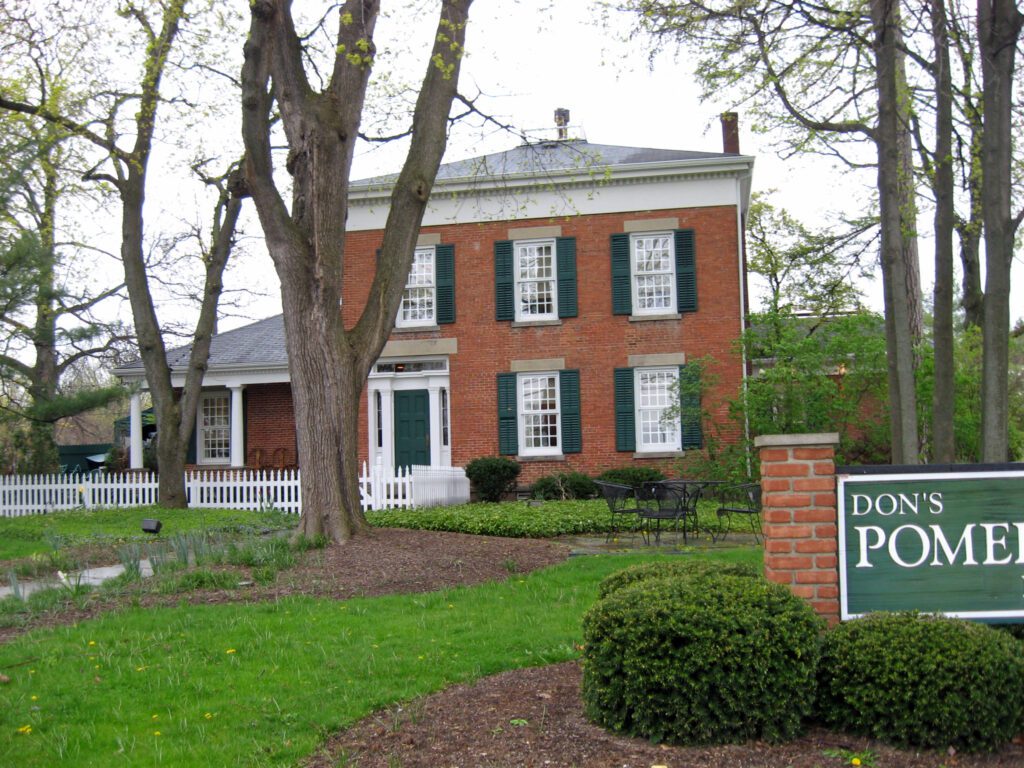
The Pomeroy House, built from 1847 to 1848, was the home of Alanson Pomeroy and his wife, Kezia. They continued the tradition, known as “Pomeroy Hospitality,” that began when Alanson’s parents established a tavern in Strongsville. Prominent in the community, Alanson served as township trustee and Justice of the Peace in Strongsville Township, and was […]
47-18 Home of Superman
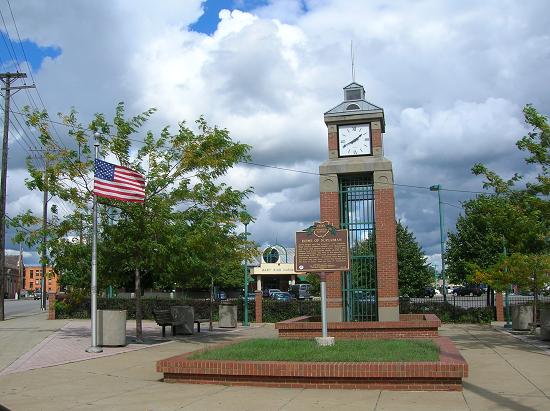
Jerry Siegel and Joe Shuster, two Glenville High School students imbued with imagination and talent and passion for science fiction and comics, had dream become reality in 1932. They created Superman, the first of the superheroes ever to see print. The 1932 prototype was of a villainous superhero. Superman then became the hero who has […]
46-18 Birthplace of Rock ‘n’ Roll
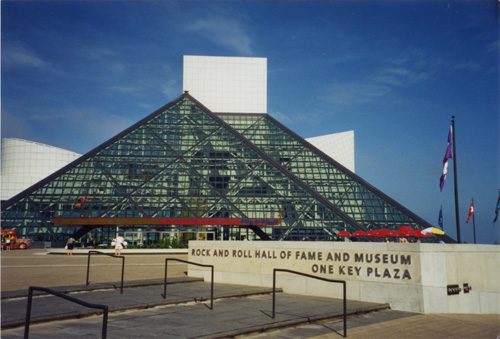
When radio station WJW disc jockey Alan Freed (1921-1965) used the term “rock and roll” to describe the uptempo black rhythm and blues records he played beginning in 1951, he named a new genre of popular music that appealed to audiences on both sides of 1950s American racial boundaries–and dominated American culture for the rest […]
44-18 Journalist Dorothy Fuldheim

One of America’s most admired women, pioneer television newscaster Dorothy Snell Fuldheim (1893-1989) began her career as a lecturer in the 1920s and entered broadcasting with a biographical series on WTAM radio in Cleveland. In 1947, Fuldheim joined Ohio’s first commercial television station, WEWS, becoming the first woman in the United States to anchor a […]
43-18 Berea Union Depot
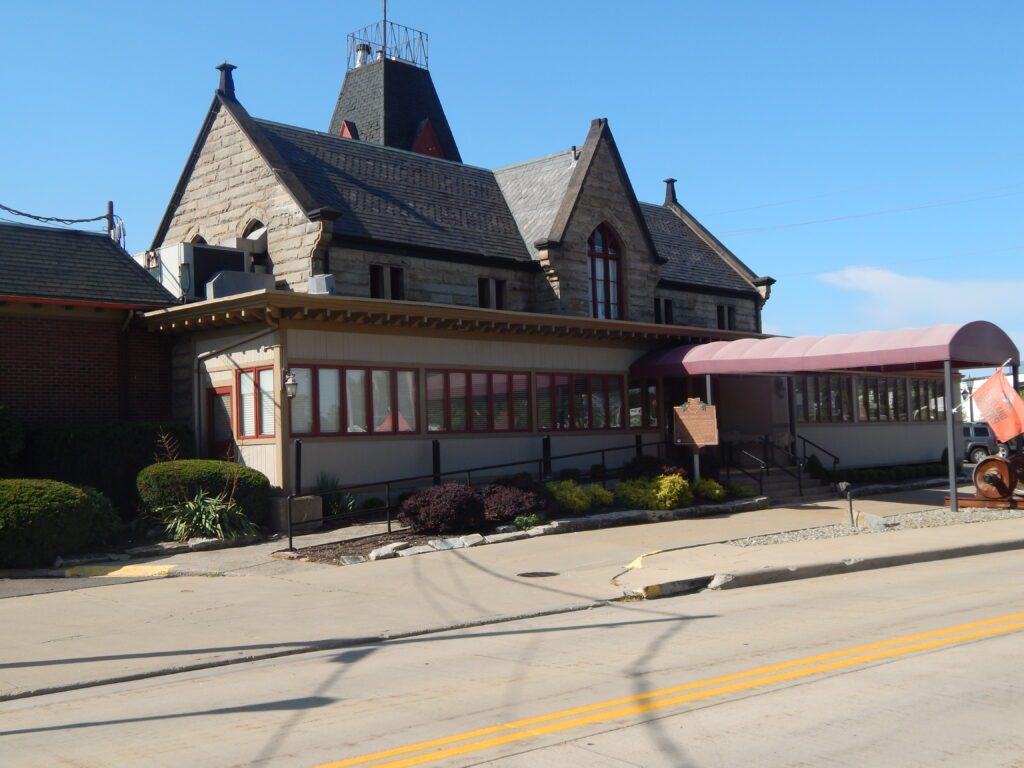
The Berea Union Depot, a significant hub in the railroad networks of northeast Ohio from the time of its construction in 1876 until its closing in 1958, is an unusual, but well-designed example of Victorian Gothic Architecture. With the development of an expanding stone quarry industry in the area, Berea and its railroad facilities grew […]
42-18 The Ark
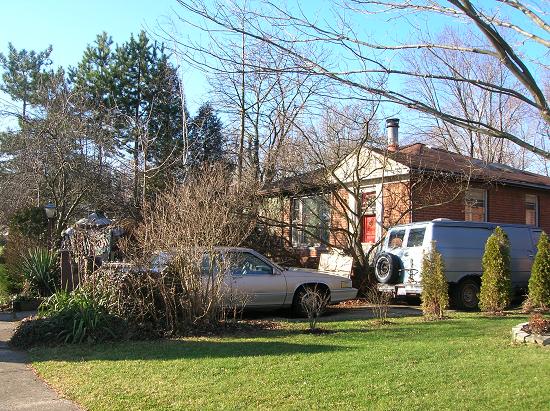
The ARK in Berea is the first structure in Cuyahoga County to incorporate sustainable building concepts from the Earth Summit in Rio de Janeiro in 1992. Hand built in 1994 as a work of art by environmental artists David and Renate Jakupca, it is a study for future buildings for the Headquarters of the International […]
41-18 Florence E. Allen

Florence E. Allen (1884-1966) was nicknamed “first lady of the law” for her many firsts as a woman in the legal profession. After graduating from Western Reserve College for Women, she taught at Laurel School from 1906 to 1909. She then became a crusader for women’s rights, and in 1913 received a law degree from […]
40-18 Frances Payne Bolton
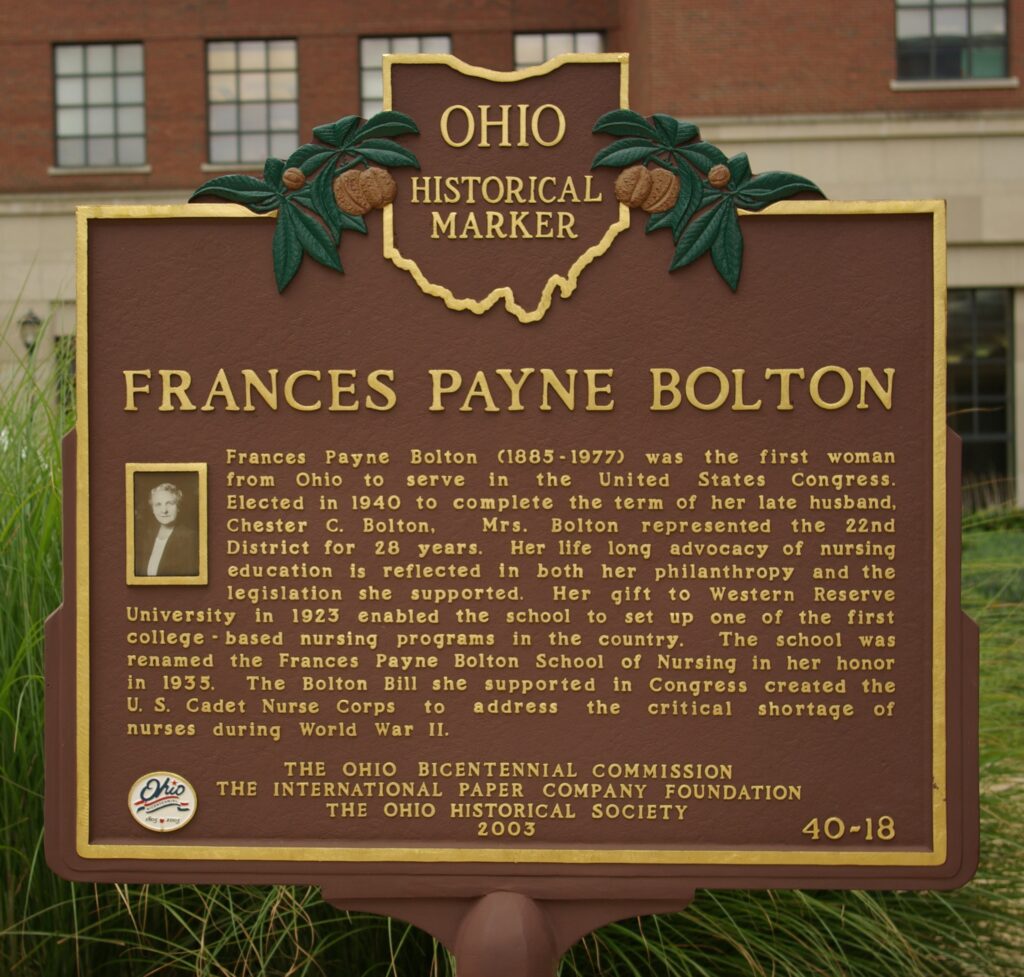
Frances Payne Bolton (1885-1977) was the first woman from Ohio to serve in the United States Congress. Elected in 1940 to complete the term of her late husband, Chester C. Bolton, Mrs. Bolton represented the 22nd District for 28 years. Her life long advocacy of nursing education is reflected in both her philanthropy and the […]