 Skip to content

75-18 Rear Admiral Isaac C. Kidd
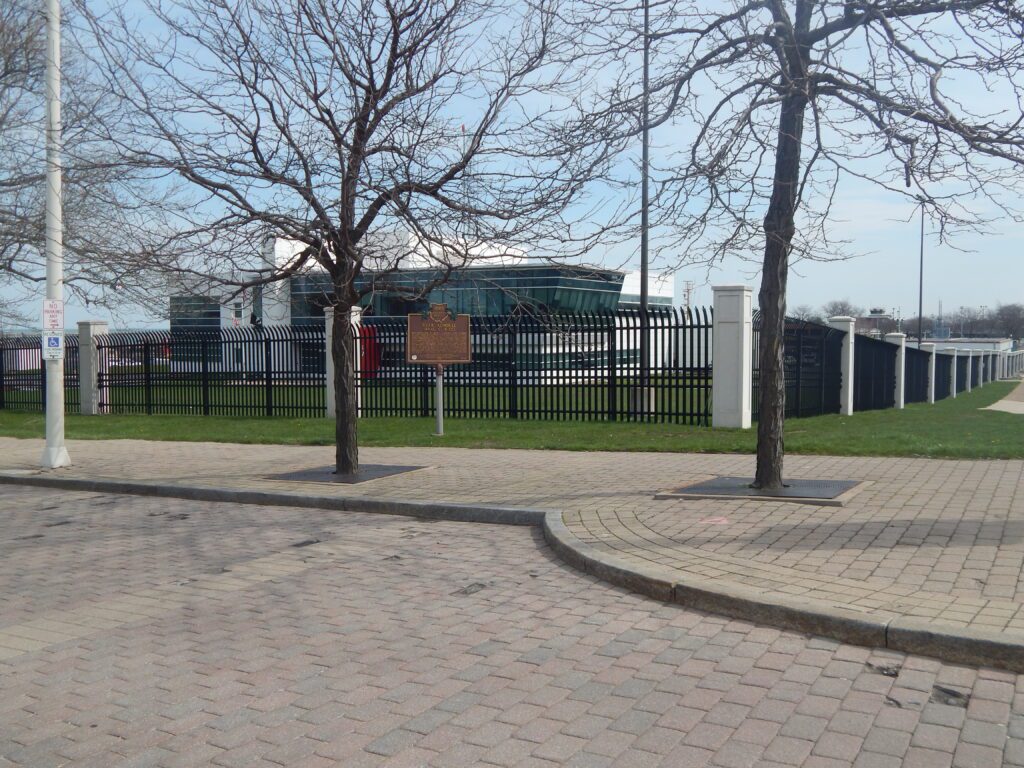
Isaac Campbell Kidd, Sr. was born in Cleveland in 1884. He entered the United States Naval Academy in 1902 and dedicated his life to the Navy. While an ensign, he sailed around the world with the “Great White Fleet” from 1907 to 1909. During the 1920s and 1930s, he held numerous flag commands. Promoted to […]
72-18 The Burnham Mall – The Group Plan of 1903
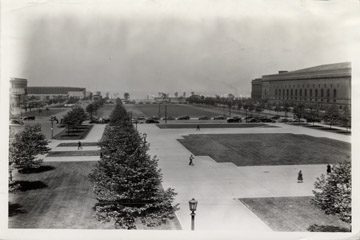
In August 1903, architects Daniel H. Burnham, John M. Carrere, and Arnold W. Brunner presented Mayor Tom L. Johnson and the City of Cleveland a plan that epitomized the City Beautiful Movement in America. The Group Plan envisioned a grand landscaped mall surrounded by public buildings in the Beaux-Arts style. The plan would create a […]
71-18 The West Park African American Community
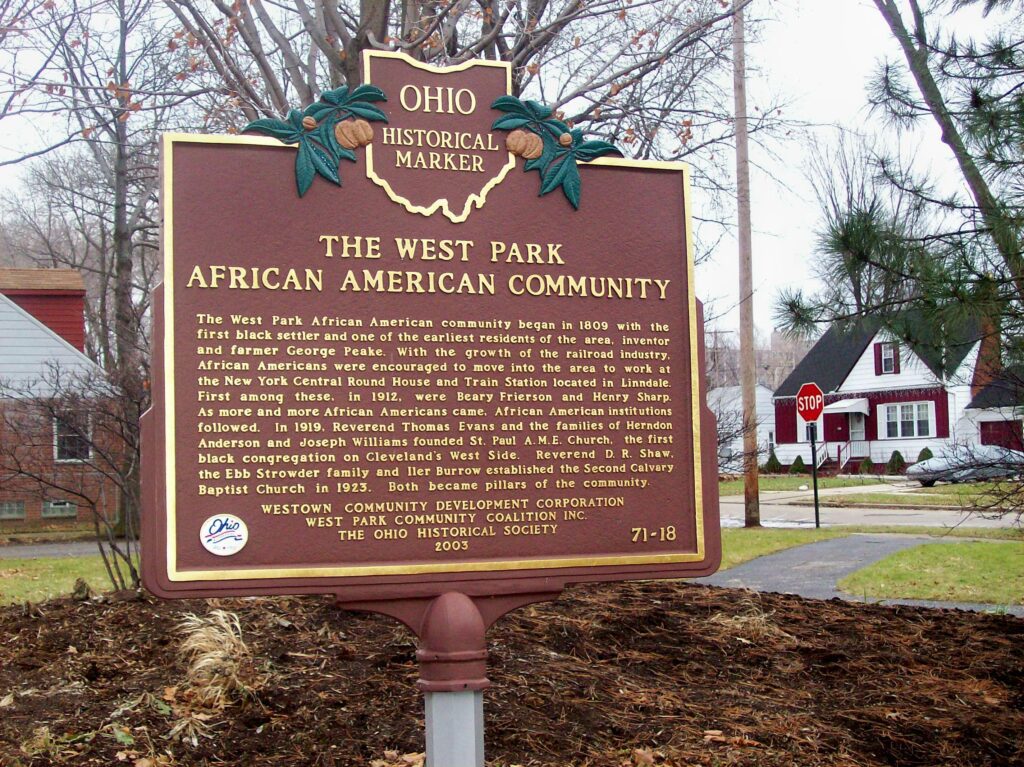
The West Park African American community began in 1809 with the first black settler and one of the earliest residents of the area, inventor and farmer George Peake. With the growth of the railroad industry, African Americans were encouraged to move into the area to work at the New York Central Round House and Train […]
70-18 Union and League of Romanian Societies / United Romanian Societies Carpatina of Cleveland
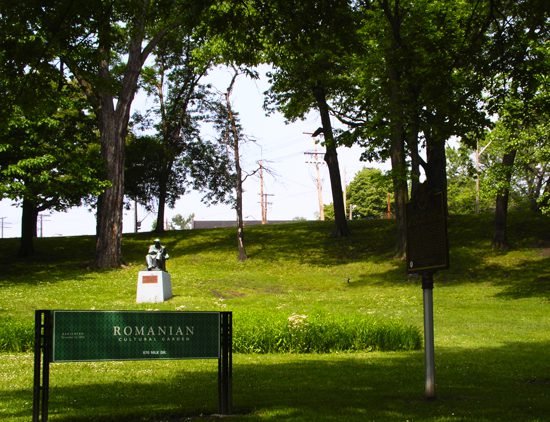
The Union and League of Romanian Societies, Incorporated was formed in 1928 from a unification of two separate fraternal organizations, the Union and the League. The Union, founded on July 4, 1906, was originally organized for the purpose of promoting the general welfare of its members through life insurance policies obtained through individual societies located […]
69-18 German Central Organization
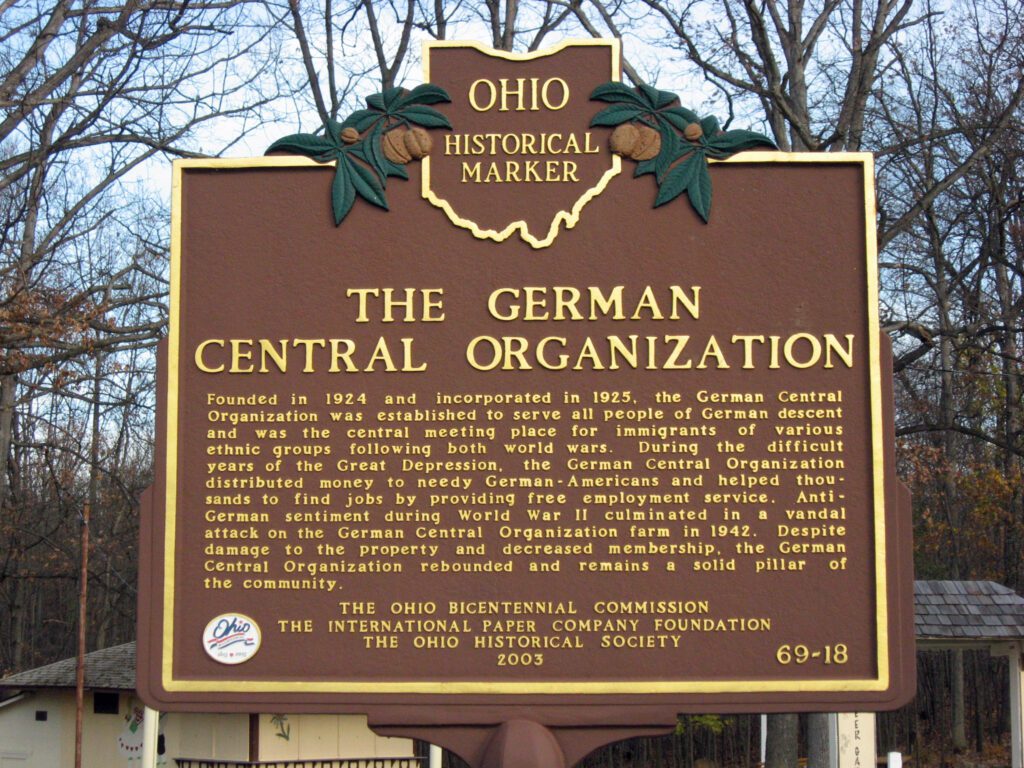
Founded in 1924 and incorporated in 1925, the German Central Organization was established to serve all people of German descent and was the central meeting place for immigrants of various ethnic groups following both world wars. During the difficult years of the Great Depression, the German Central Organization distributed money to needy German-Americans and helped […]
68-18 Federation of India Community Association
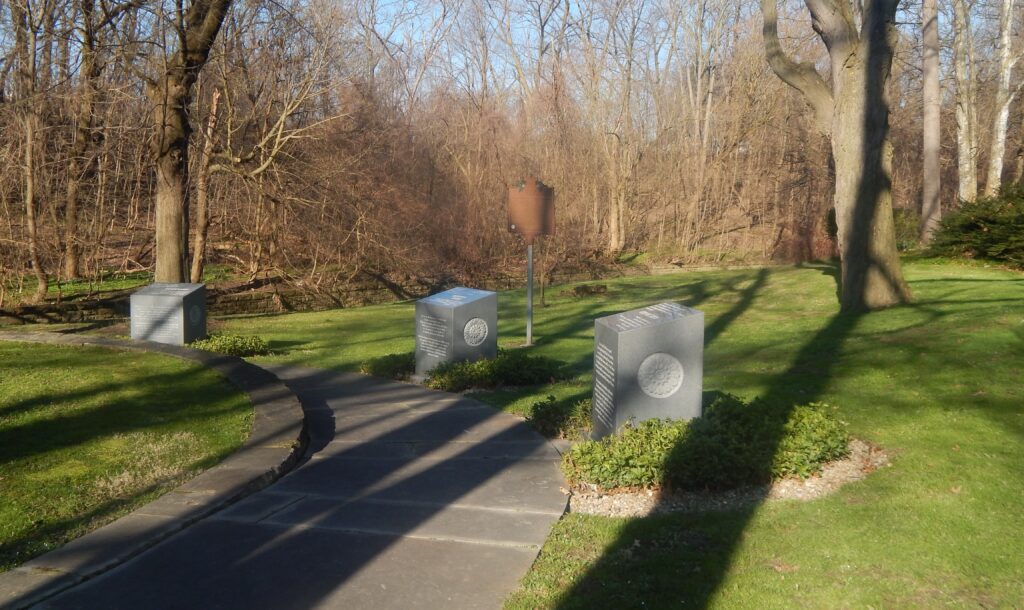
In 1962, Asian Indian students of Case Western Reserve University started India Association of Cleveland (IAC). In 1967, IAC started a newspaper “LOTUS,” regarded as the first such Asian Indian community newspapers in the United States. In 1978, IAC started a community center to be owned and managed by a new organization: India Community Center […]
67-18 Horseshoe Lake
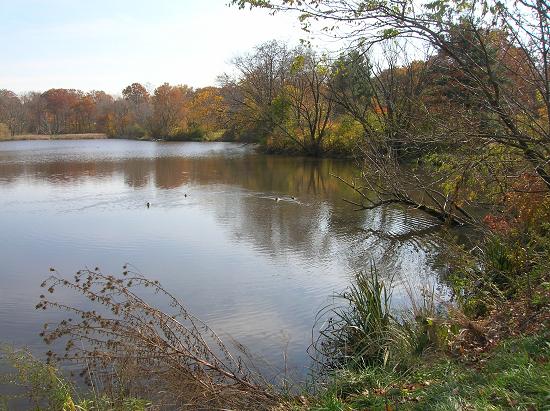
In 1822, Ralph Russell, a Connecticut pioneer who had settled in Warrensville Township ten years earlier, founded the North Union Shaker Community. The Shakers created Horseshoe Lake in 1852 when they built a dam across Doan Brook and harnessed its waterpower to operate a woolen mill near Lee Road and South Park Boulevard. The community […]
66-18 The Old Stone Church
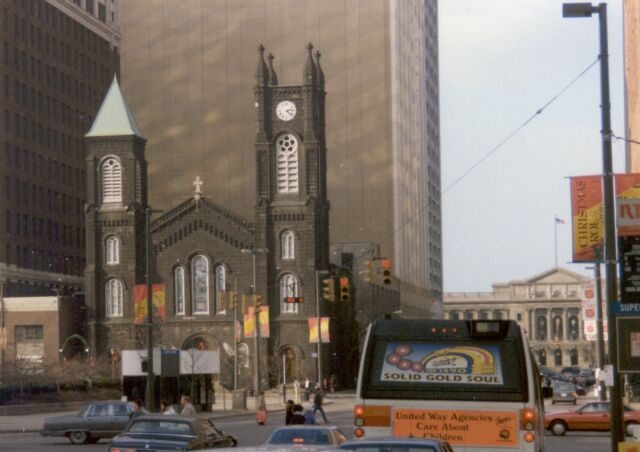
Religious worship began on this site in 1820 as a Plan of the Union Sunday School with ministers recruited by the Connecticut Home Missionary Society. Its first stone church, officially known as the First Presbyterian Church of Cleveland, was built and dedicated on February 26, 1834, but as the congregation grew, a second stone church […]
65-18 Detective Martin J. McFadden
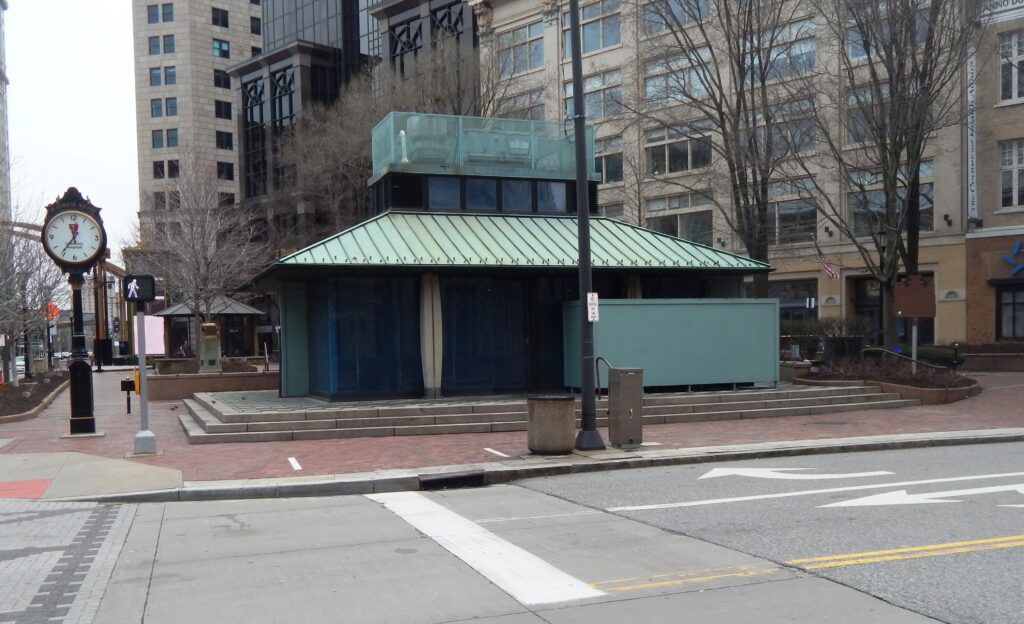
On October 31, 1963, the actions of Cleveland Police Detective Martin J. McFadden led to a new legal standard allowing police officers in the United States to stop and frisk suspicious persons prior to committing a crime. On that day McFadden had spotted three men loitering outside a jewelry store at 1276 Euclid Avenue. Believing […]
64-18 Honorable Carl B. Stokes
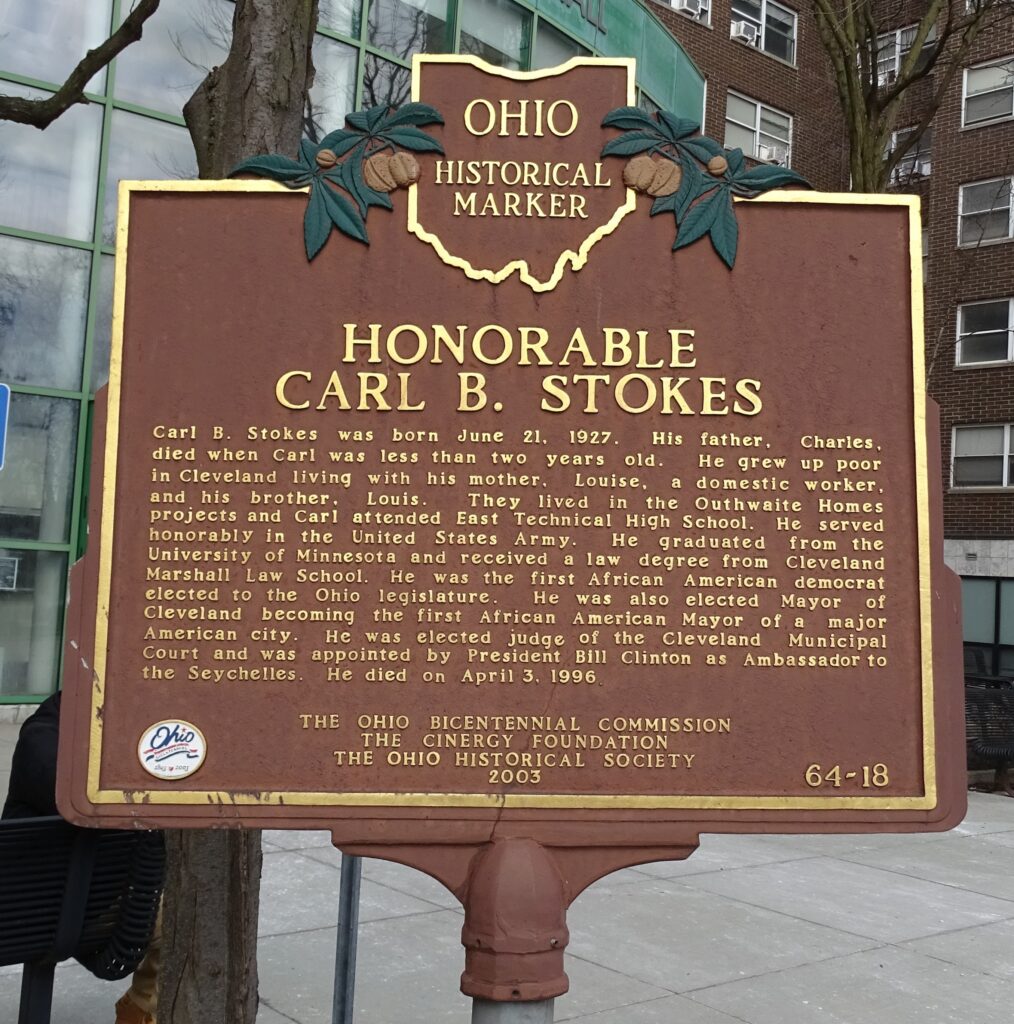
Carl B. Stokes was born June 21, 1927. His father, Charles, died when Carl was less than two years old. He grew up poor in Cleveland living with his mother, Louise, a domestic worker, and his brother, Louis. He served honorably in the United States Army. He graduated from the University of Minnesota and received […]